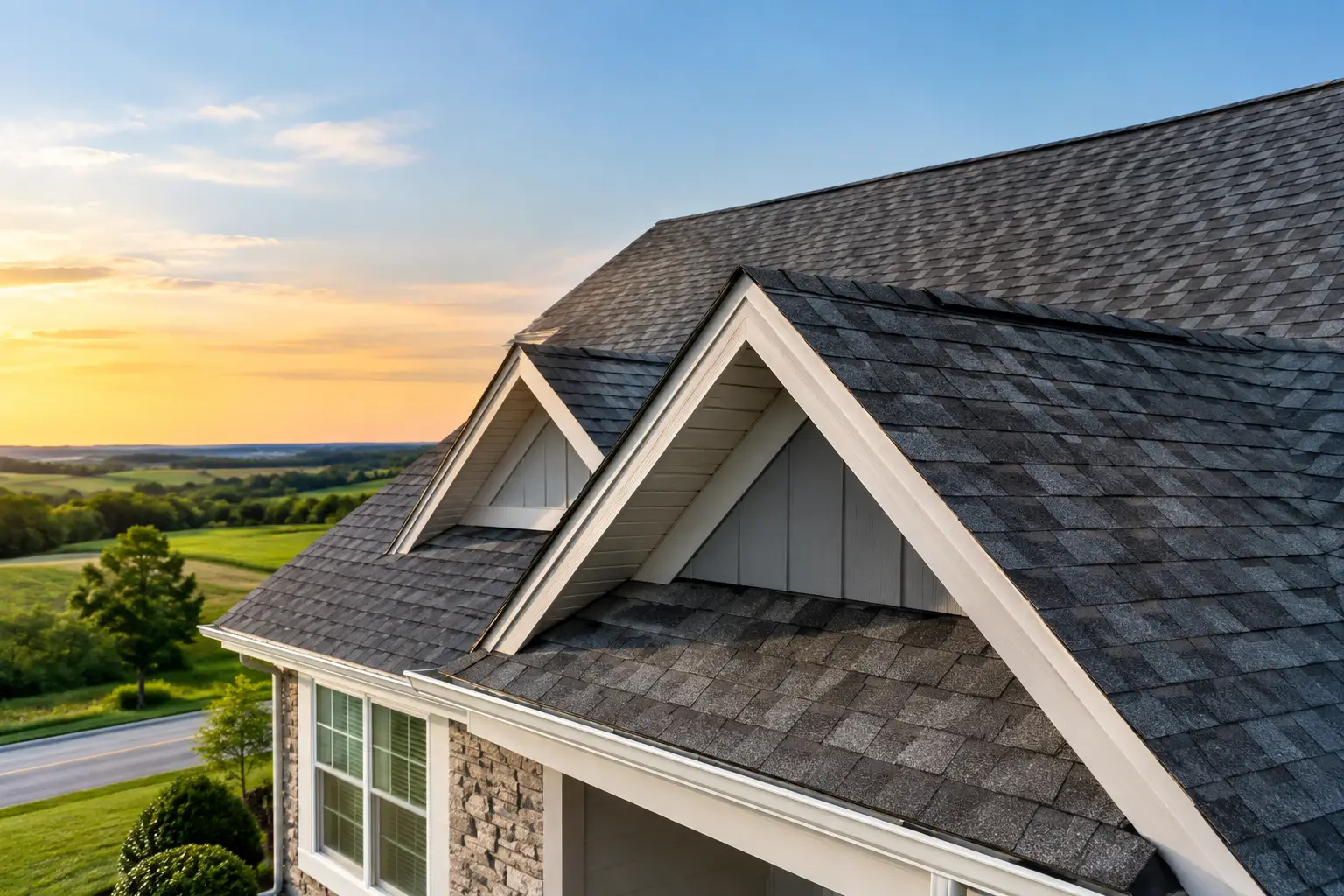
A roof in Des Moines has to handle more than an occasional hard rain. It faces freeze-thaw cycles, summer heat, high winds, hail potential, snow loads, and the steady wear of seasons changing fast. Asphalt shingles remain a popular choice because they can provide reliable protection, attractive color options, and practical value when the system is selected and installed with care.
For many homeowners, the question is not simply whether shingles are affordable. It is whether the roof will protect the home through Iowa weather, complement the property, and avoid becoming another costly concern a few years down the road. The answer depends on the shingle quality, the condition of the roof deck, the installation details, and the contractor standing behind the work.
Why Asphalt Shingles Work Well in Iowa
Asphalt shingles are designed as overlapping layers that direct water down and off the roof. Their familiar appearance is one reason they suit so many neighborhoods, but performance is the bigger reason to look closely at them. A properly built shingle roof is a complete system, not just rows of visible material.
The shingles work with underlayment, flashing, ventilation, starter materials, ridge components, and secure fastening. Each part has a job. Flashing helps protect roof transitions around chimneys, walls, and vents. Underlayment adds a secondary layer of defense beneath the shingles. Ventilation helps manage heat and moisture in the attic. When one part is overlooked, even a good-looking roof can be vulnerable.
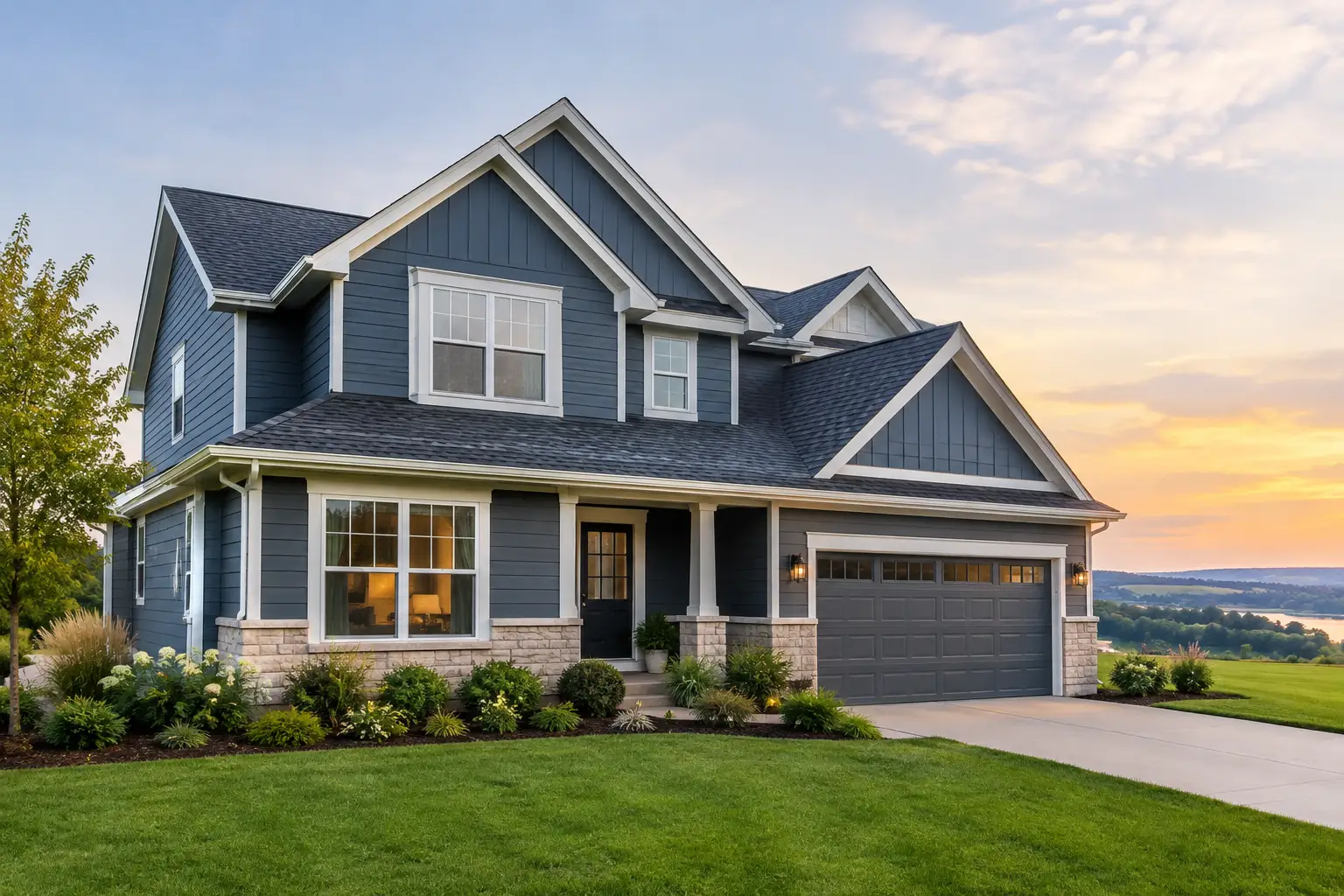
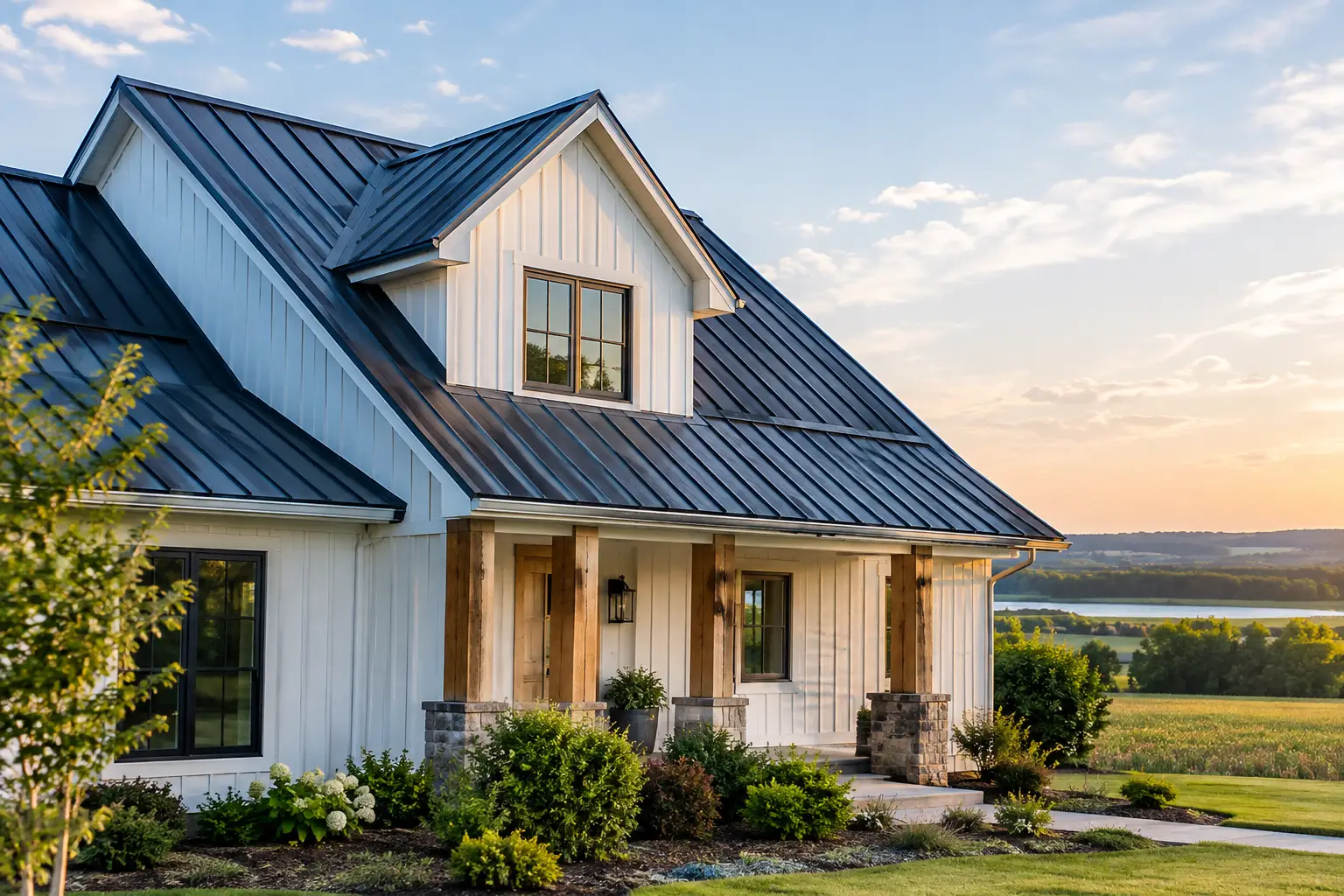
For established homes throughout the Des Moines area, asphalt shingles are often a sensible fit because they offer a wide range of styles without requiring the structural or budget commitment of every premium roofing option. They can also coordinate well with updated siding, gutters, and windows when a homeowner is improving the exterior as a whole.
That said, not every asphalt shingle offers the same level of protection. A basic product may meet the needs of a lower-risk project, while a heavier, dual-layer architectural shingle can provide more dimension, a stronger visual profile, and added confidence for a long-term replacement.
Choosing Asphalt Shingles That Match Your Home
The best roof is not always the most expensive option. It is the option that fits the home, its exposure to weather, the homeowner’s goals, and the expected length of ownership.
Look Beyond the Color Sample
Color matters because a new roof covers a large share of the home’s visible exterior. Darker blends can create contrast and make lighter siding stand out. Lighter or weathered tones may suit brick, neutral siding, and homes with a softer architectural style. Variegated colors can also help add depth without looking overly dramatic.
But color should be considered after performance fundamentals. A color sample cannot tell you whether the roof has proper edge protection, reliable flashing, or adequate ventilation. It is wise to choose a color you will enjoy for years, then make sure the system beneath it is built for the weather it will face.
Consider Architectural, Dual-Layer Construction
Architectural shingles, sometimes called dimensional shingles, use layered construction to create more depth than traditional three-tab shingles. The visual difference is noticeable from the street. More importantly, quality dual-layer asphalt shingles generally offer a more substantial feel and can be a better match for homeowners replacing a roof with long-term durability in mind.
Performance ratings and warranty coverage deserve a close review, but they should not be read in isolation. Wind resistance, algae resistance, and impact ratings can all be relevant. Their value depends on the specific product and on correct installation. A high-quality shingle cannot compensate for shortcuts at valleys, roof penetrations, or attic ventilation.
Account for Your Roof’s Shape and Exposure
A simple gable roof and a home with multiple dormers, valleys, skylights, and wall connections do not carry the same installation demands. Complex rooflines create more transition points where water management must be precise. Homes that sit in open areas or near mature trees may have different concerns than more sheltered properties.
A professional inspection should identify these details before materials are chosen. This is where a consultative approach matters. The right recommendation begins with the home in front of you, not a one-size-fits-all package.
Signs Your Shingle Roof May Need Replacement
A roof does not have to be actively leaking into the living room before replacement becomes necessary. In fact, waiting for an interior leak can allow moisture to affect insulation, roof decking, ceilings, or framing.
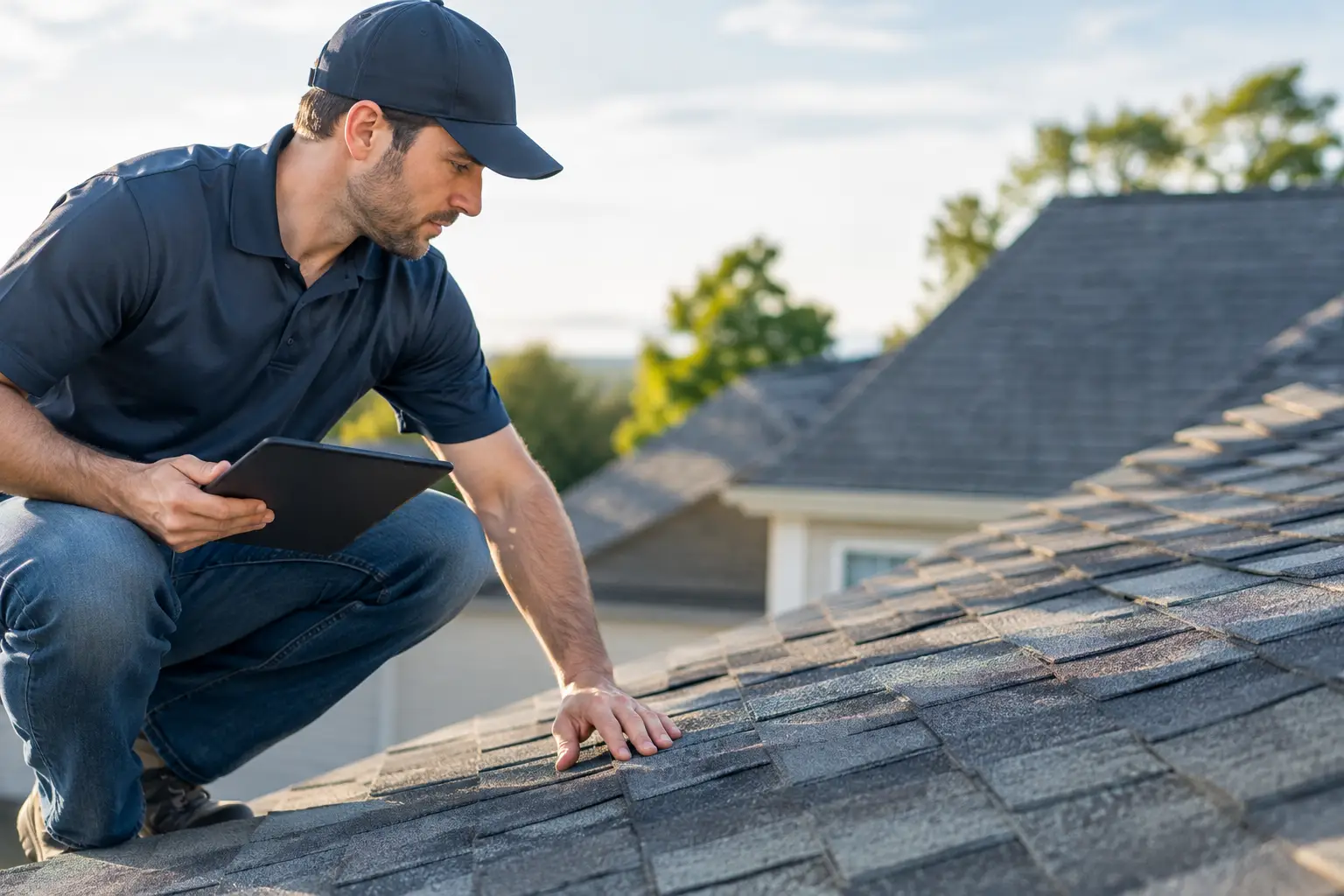
Age is often the starting point. If the roof is approaching the expected service life of its current shingles, it is smart to have it evaluated, especially after severe weather. Visible curling, cracked shingles, missing tabs, loose granules in gutters, and recurring repairs are also meaningful signals. So are dark staining, sagging areas, damaged flashing, or water marks in the attic.
Storm damage deserves special attention. Wind can lift or crease shingles in ways that are not always obvious from the ground. Hail can remove protective granules and shorten the roof’s useful life. A qualified inspection provides clearer answers than a quick visual check from the driveway.
Replacement timing is not identical for every home. If a roof has isolated damage and the surrounding shingles remain in sound condition, a repair may be appropriate. If the shingles are brittle, widespread wear is present, or matching materials are no longer available, replacement can be the more responsible long-term choice.
Installation Details Protect the Investment
Homeowners often compare shingle brands, and that is reasonable. Yet installation quality has just as much influence on how a roof performs. The roof deck should be inspected for damage before new materials are installed. Soft, rotted, or compromised decking cannot provide a reliable base for a new roofing system.
Proper flashing is especially important around chimneys, vents, skylights, valleys, and roof-to-wall connections. These areas move water differently than broad, open roof sections. They require deliberate workmanship, not a rushed finish.
Ventilation also plays a major role in roof health. Heat and moisture trapped in an attic can contribute to premature aging, condensation, and comfort problems inside the home. The goal is balanced intake and exhaust ventilation suited to the roof’s design. This is a technical detail with very practical benefits: a healthier roof system and a more stable attic environment through Iowa’s changing seasons.
Homeowners should also ask what will happen to the old roof, how the property will be protected during the project, and how cleanup will be handled. A roof replacement affects landscaping, driveways, gutters, and daily routines for a short time. Clear expectations help the project feel organized from the first inspection through the final walkthrough.
Asphalt Shingles and Long-Term Home Value
A new roof can improve curb appeal immediately, but its larger value is protection. Buyers, appraisers, and homeowners recognize that a worn roof can become a major expense. Replacing it with a well-installed system helps preserve the home from water intrusion while giving the exterior a cleaner, more finished appearance.
Still, a roof should not be chosen only for resale. If you plan to stay in the home, durability, color satisfaction, and confidence during severe weather matter every day. If you expect to sell in the near future, a quality roof can help reduce a buyer’s uncertainty. Either way, choosing based only on the lowest initial price can be costly if it leads to frequent repairs or an early replacement.
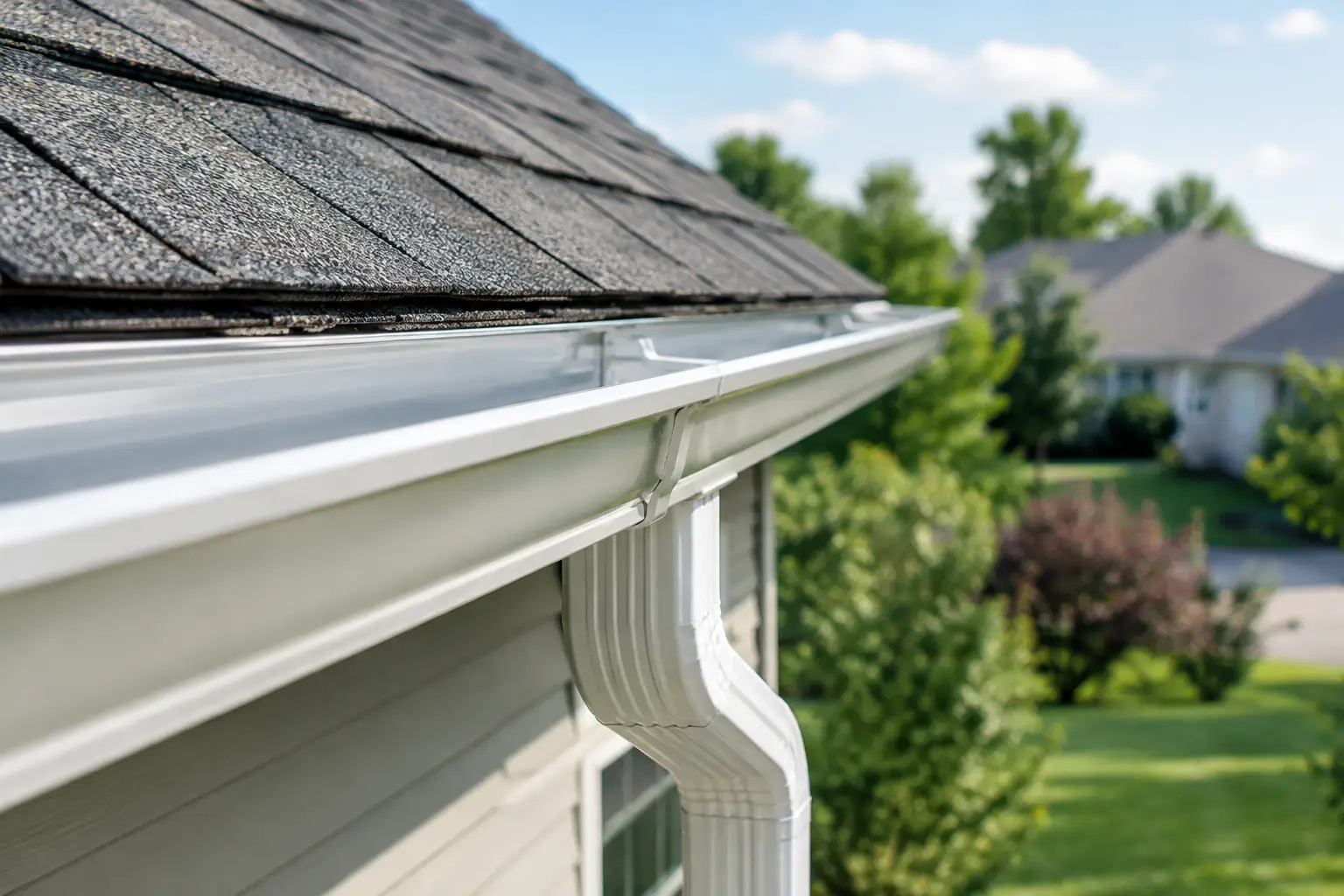
For homeowners considering a broader exterior project, coordinating the roof with gutters, siding, or windows can create a more cohesive result and allow underlying issues to be addressed together. It is not always necessary to complete every upgrade at once, but looking at the exterior as a connected system can prevent mismatched materials and missed maintenance needs.
Guardian Roofing helps homeowners compare durable asphalt shingle options with other long-term roofing solutions, so the decision reflects both the home’s needs and the family’s priorities. A free quote and a thorough evaluation can replace guesswork with a clear plan, including financing options when they are helpful.
The right roof should let you watch an Iowa storm from inside with confidence, not wonder what is happening above the ceiling.