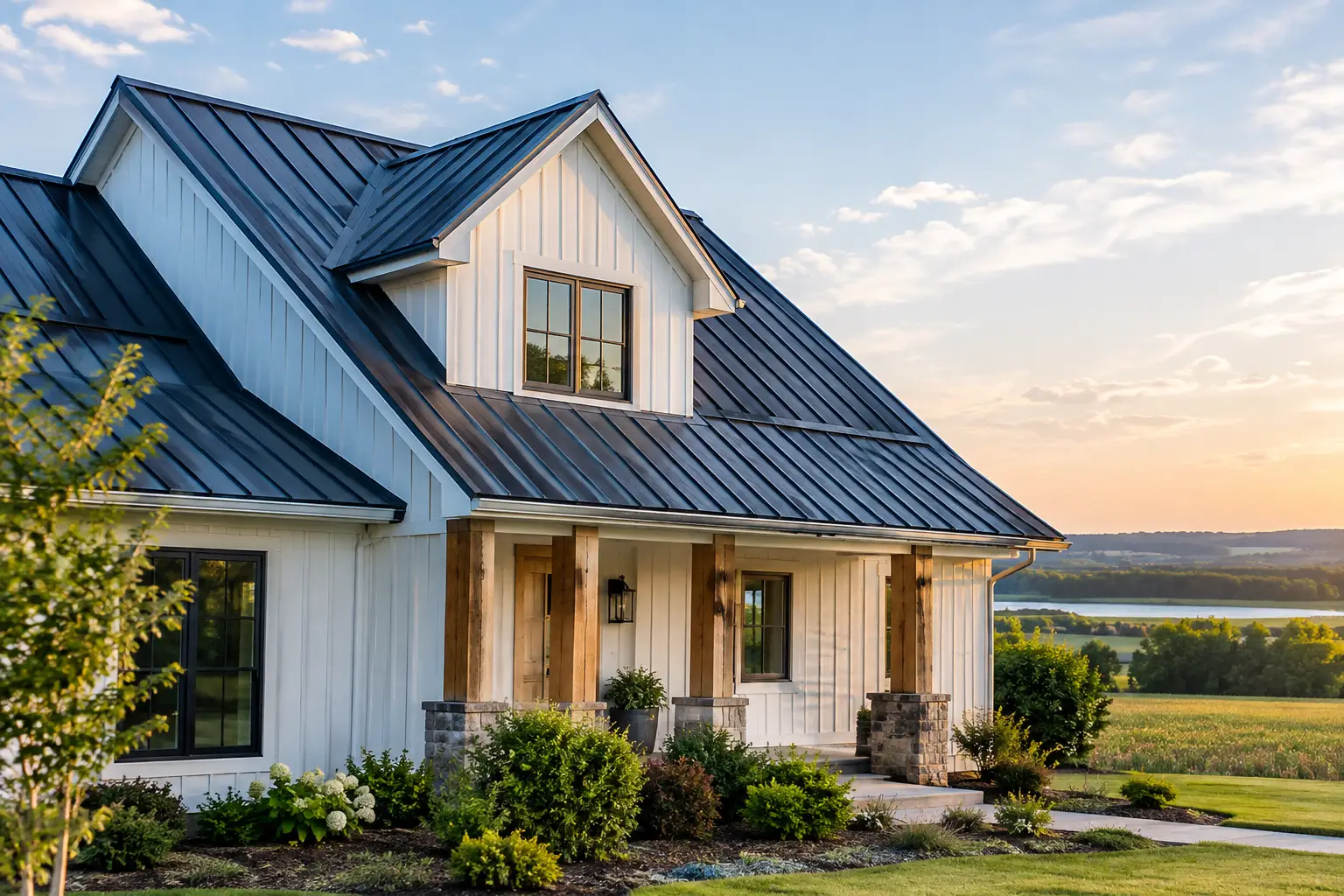
A roof in central Iowa has to do more than look good from the curb. It needs to stand up to hard rain, high winds, hail, snow loads, freeze-thaw cycles, and long stretches of summer sun. This Unified Steel roofing review looks at what stone-coated steel can offer homeowners who want lasting protection without giving up the character of traditional roofing styles.
Unified Steel roofing is a premium stone-coated steel system designed to resemble familiar roof materials, including shake, shingle, tile, and slate-inspired profiles. For homeowners replacing an aging asphalt roof or recovering from storm damage, it can be a compelling long-term option. Still, the right decision depends on your home’s structure, budget, neighborhood style, and expectations for the years ahead.
What Makes Unified Steel Different?
A Unified Steel roof begins with a steel panel rather than an asphalt-based shingle. The panel is protected by multiple coatings and finished with stone granules, creating a textured appearance that feels more dimensional than exposed metal roofing. The result is a roof that combines the strength of steel with architectural profiles that fit a wide range of home styles.
That distinction matters in Iowa. Asphalt shingles remain a practical choice for many homes, but they are subject to gradual granule loss, thermal movement, and weather-related wear. Stone-coated steel is built for homeowners who are looking beyond the next replacement cycle and placing a higher value on durability, appearance, and long-term performance.
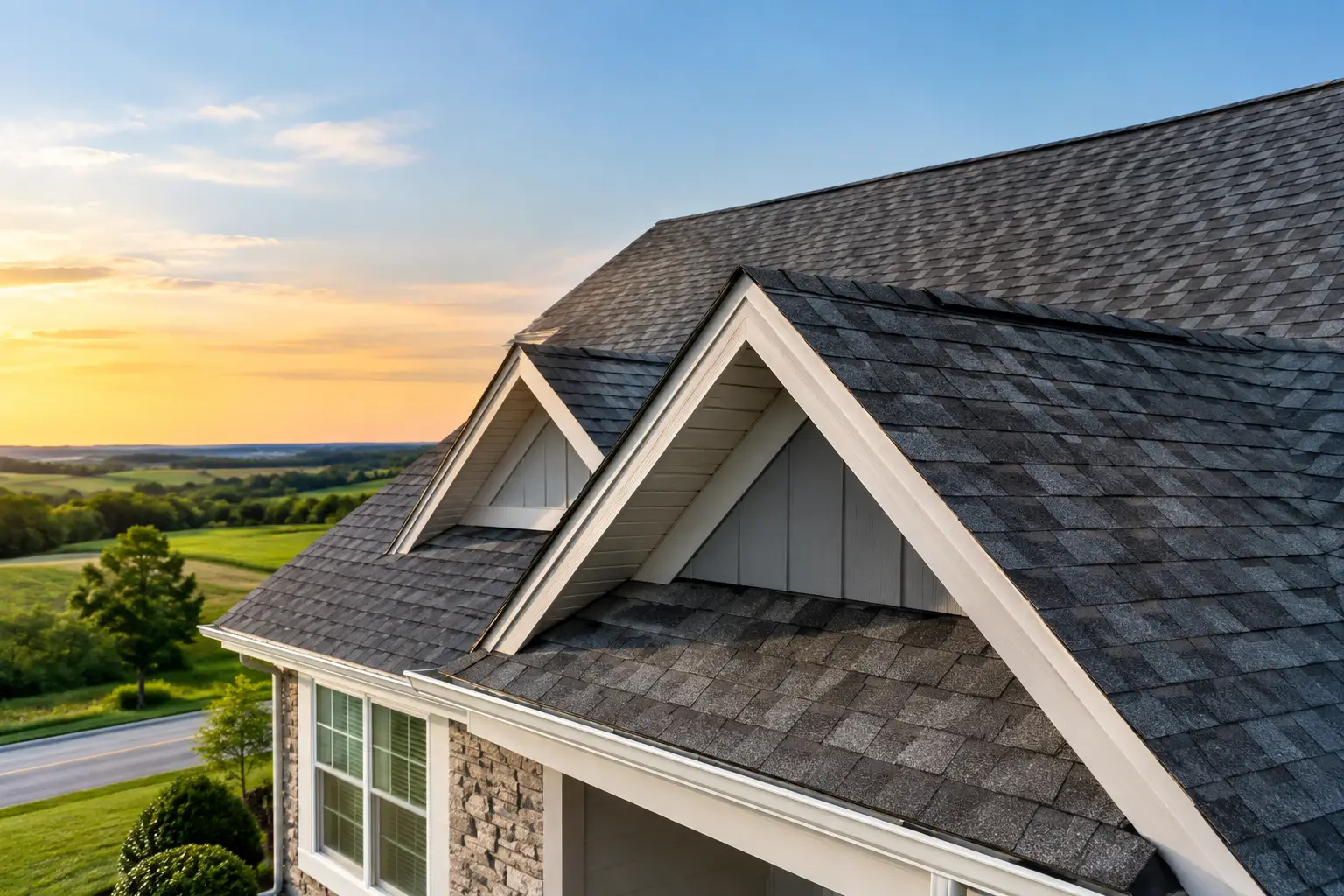
The five available architectural profiles give homeowners more freedom than they may expect from a metal roof. A lower-profile shingle look can suit a traditional ranch or colonial-style home, while shake and tile profiles can add more texture and visual depth. The best profile is not simply the most dramatic one. It should complement the home’s siding, trim, masonry, and overall scale.
Unified Steel Roofing Review: Strength in Midwest Weather
The strongest reason to consider Unified Steel is weather resilience. A properly installed stone-coated steel system is designed to perform through conditions that can be especially demanding on conventional roofing materials.
Steel panels do not absorb water like organic materials, and their interlocking design can provide dependable protection against wind-driven rain. The system’s wind performance, however, depends on more than the panel itself. Correct fastening, proper flashing, sound roof decking, and careful treatment around chimneys, valleys, vents, and wall transitions all play a direct role in how a roof performs during severe weather.
Hail is another major concern for Des Moines-area homeowners. No roof material should be described as completely immune to damage from every storm. Hail size, wind speed, panel angle, roof age, and the condition of underlying components all matter. But steel roofing generally offers a higher level of impact resistance than many standard asphalt products, which can make it worth considering in areas where hail claims and storm repairs are common.
Snow and ice also deserve attention. A steel roof sheds snow differently from an asphalt roof, especially on steeper slopes. That can help limit prolonged moisture exposure, but it can also create the need for snow retention in locations above walkways, driveways, decks, or entry doors. An experienced installer should discuss these details before work begins, not after the first heavy snowfall.
The Look: Is Stone-Coated Steel Right for Your Home?
Some homeowners hear “steel roof” and picture standing-seam panels on a barn or modern farmhouse. Unified Steel offers a different visual direction. Its stone-coated finish softens the appearance of the metal and provides the layered texture many homeowners associate with premium shake, shingle, or tile roofing.
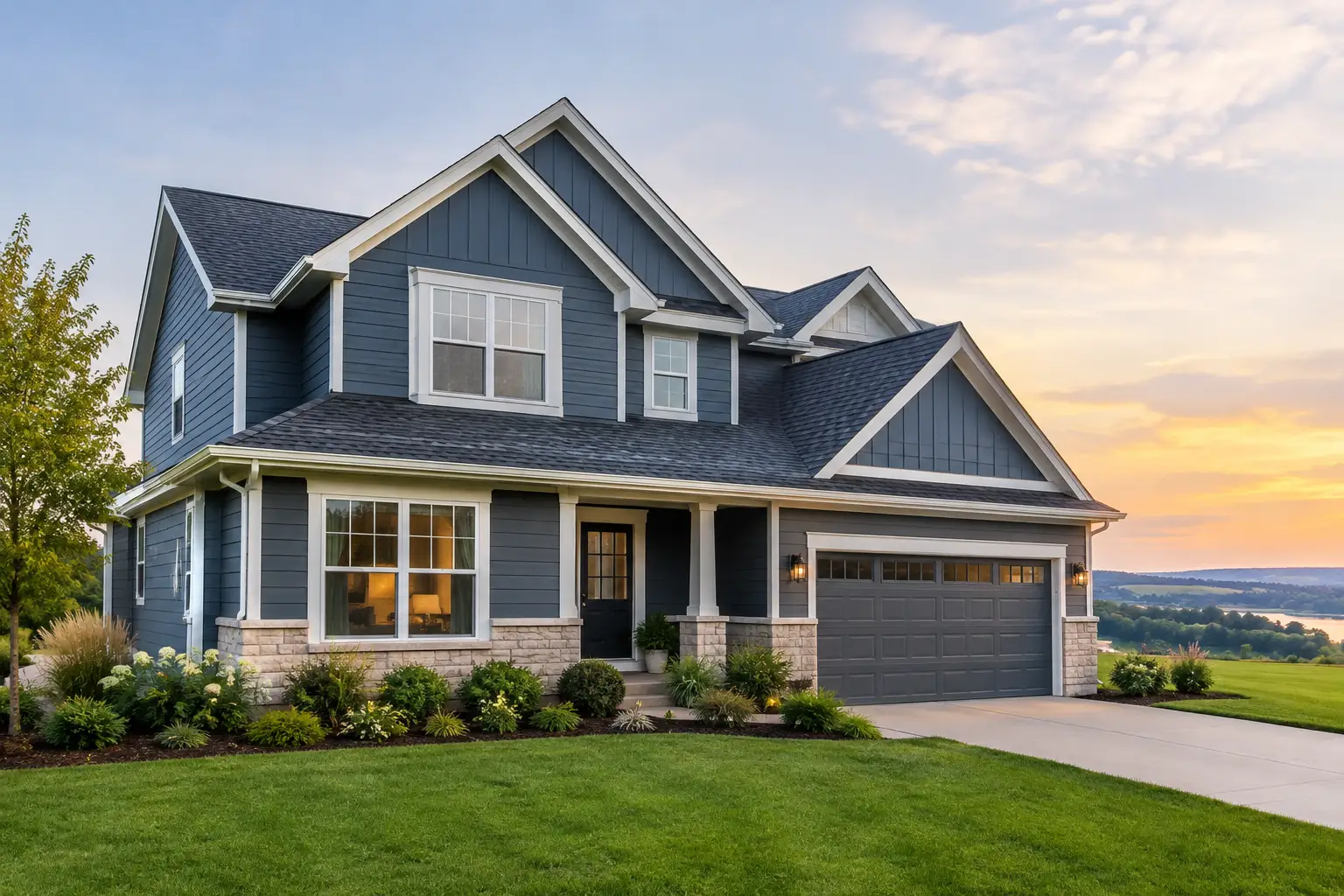
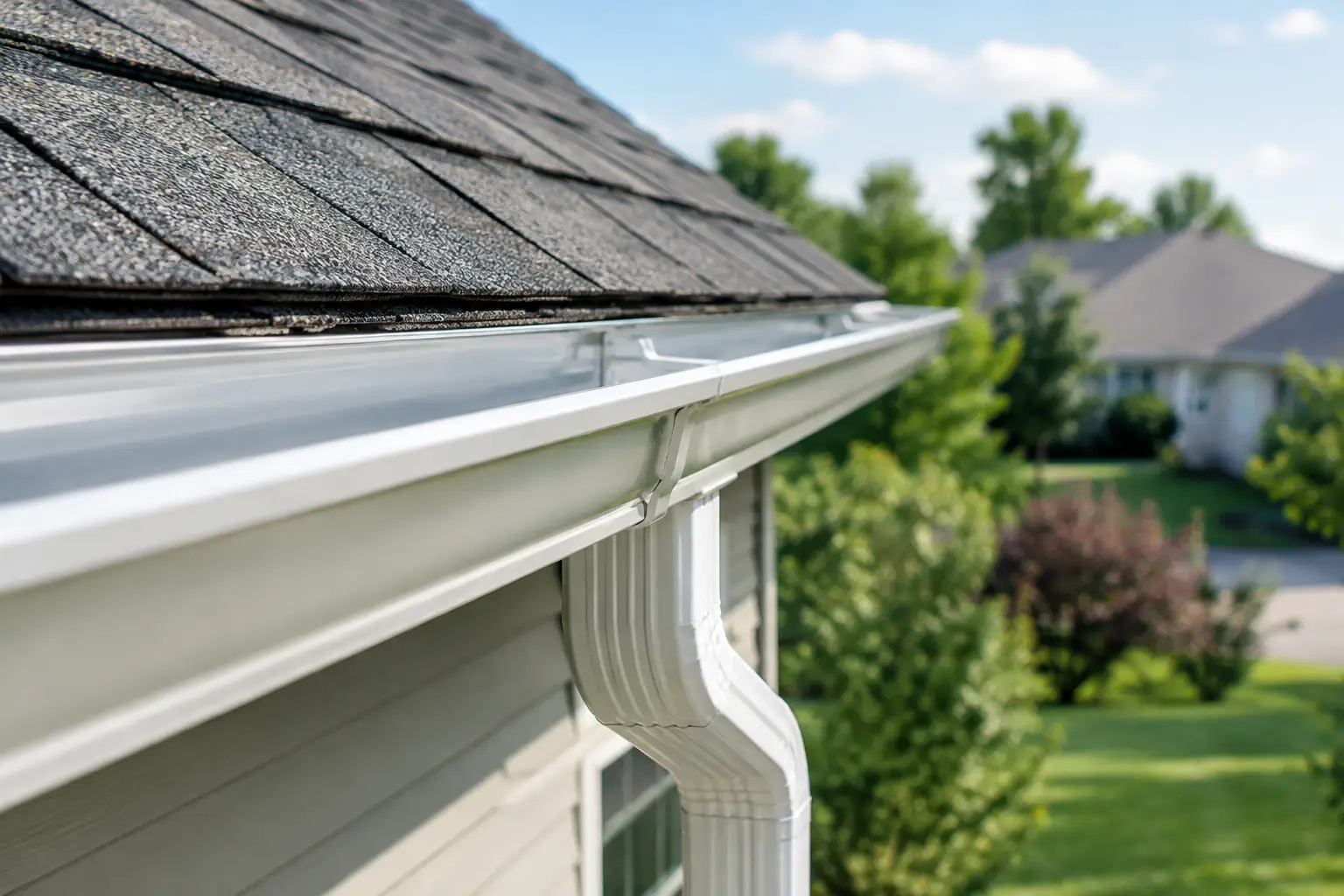
This is particularly valuable when curb appeal is part of the project. A roof represents a large portion of what people see from the street, so the profile and color can change the entire appearance of a home. The right selection can make an older exterior feel more current, highlight stone or brick accents, and coordinate naturally with replacement siding, gutters, or windows.
Color should be chosen with the fixed elements of the property in mind. Brick, masonry, painted trim, and permanent exterior features are usually better starting points than a temporary paint trend. A roof is expected to remain in place for many years, so a classic, well-balanced color often serves homeowners better than a choice that feels overly trendy.
Cost: The Trade-Off Homeowners Should Understand
Unified Steel roofing typically costs more upfront than a standard asphalt shingle roof. That is the central trade-off, and it should be addressed directly. Premium materials, specialized accessories, more detailed installation methods, and the longer-term nature of the system all contribute to the initial investment.
For some homeowners, a dual-layer asphalt shingle roof is the better fit. It can provide attractive color choices, dependable protection, and a lower initial cost. It may be especially sensible for homeowners planning to sell in the nearer future or for roofs where budget is the primary decision factor.
For others, the higher investment in steel makes sense because they want a roof designed for long service life and demanding weather exposure. It may also appeal to homeowners who expect to remain in their home for decades and would rather invest once in a more durable system than plan around another replacement later.
A meaningful estimate should account for more than roof square footage. Roof pitch, tear-off requirements, deck repairs, valleys, skylights, chimneys, ventilation needs, access, and accessory details all affect the final price. Comparing estimates solely by the bottom line can overlook major differences in workmanship and scope.
Installation Is Part of the Product
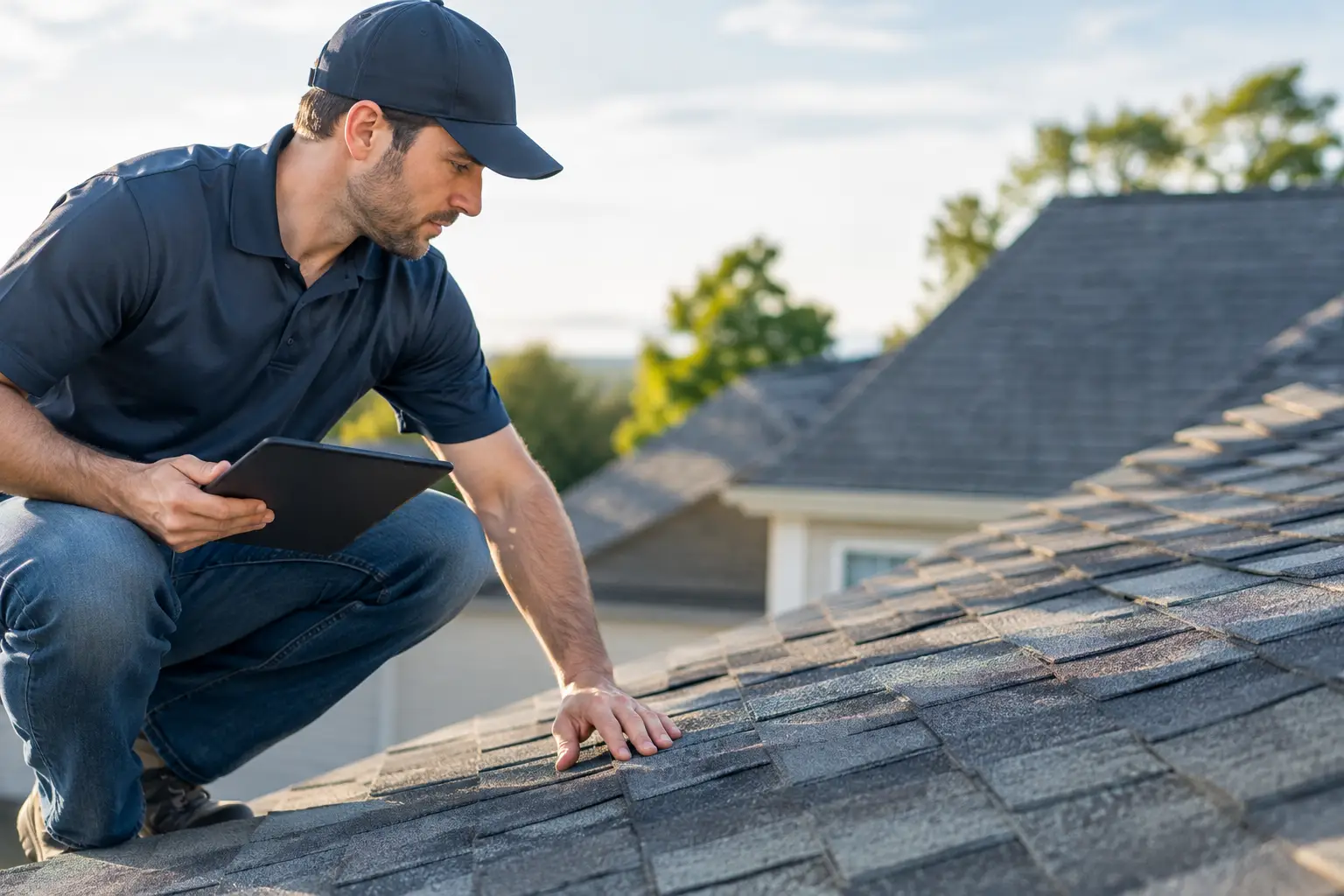
A high-performance roof system cannot perform as intended without high-quality installation. This is true for every roof, but it becomes even more significant with premium steel systems. The work requires precise layout, compatible components, careful panel fastening, and close attention to flashing details where leaks are most likely to develop.
Before selecting a contractor, homeowners should ask how the existing roof deck will be evaluated, whether damaged decking will be replaced, how ventilation will be handled, and what underlayment will be used. They should also understand how the crew will protect landscaping, manage debris, and finish critical areas around penetrations and roof edges.
The warranty conversation matters as well. Manufacturer coverage and workmanship coverage are not the same thing. A product warranty may address material defects under stated conditions, while a contractor’s workmanship warranty addresses installation-related concerns. Ask for a clear explanation of both, including any maintenance or registration requirements.
When Unified Steel Is a Smart Choice
Unified Steel is often a strong fit for homeowners who see their roof as a long-term protective investment rather than a short-term repair. It is especially worth considering after repeated storm damage, when an existing roof is near the end of its service life, or when a homeowner wants a more distinctive exterior without the maintenance expectations of natural wood products.
It may be less practical when the budget is tight, the home will be sold soon, or the roof has structural issues that need to be addressed before a premium covering makes financial sense. The best roofing choice is not the most expensive material by default. It is the system that provides the right balance of protection, appearance, and value for the particular home.
A thoughtful consultation should start with the condition of your current roof and the way you plan to live in your home over time. Guardian Roofing helps homeowners compare stone-coated steel and premium asphalt options in clear, practical terms, so the final recommendation fits both the property and the family protecting it.
A new roof should leave you with more than a fresh exterior. It should give you confidence when the forecast calls for the next Iowa storm.