A new roof should provide more than a fresh appearance from the street. It should give your home dependable protection through heavy rain, wind, snow, ice, and Iowa’s changing temperatures. Roofing warranty coverage can add meaningful peace of mind, but only when you understand what the warranty actually covers, who provides it, and what responsibilities remain with you as the homeowner.
The word “lifetime” is often used in roofing, and it can sound simple. In practice, a warranty is a written agreement with specific terms, exclusions, and procedures. The strongest protection comes from selecting a quality roofing system, having it installed correctly, and keeping clear records from the day the work is completed.
The Two Types of Roofing Warranty Coverage
Most homeowners will encounter two separate forms of protection: a manufacturer warranty and a workmanship warranty. They address different risks, and neither automatically replaces the other.
A manufacturer warranty generally covers defects in the roofing material itself. If shingles, steel panels, coating, or another approved component fails because of a manufacturing issue, the material manufacturer may provide a remedy based on the warranty terms. That remedy could include replacement materials, a prorated credit, or, in some cases, assistance with labor.
A workmanship warranty comes from the contractor. It addresses problems caused by installation, such as improperly placed flashing, incorrectly secured materials, or a detail that allows water to enter where it should not. Even premium materials can underperform if the roof system is not installed according to the manufacturer’s requirements and proven roofing practices.
These protections work together. The manufacturer stands behind its product, while the installer stands behind the quality of the installation. Before approving a roof replacement, homeowners should be able to clearly identify both warranties, their length, and the process for making a claim.
What a Material Warranty May Cover
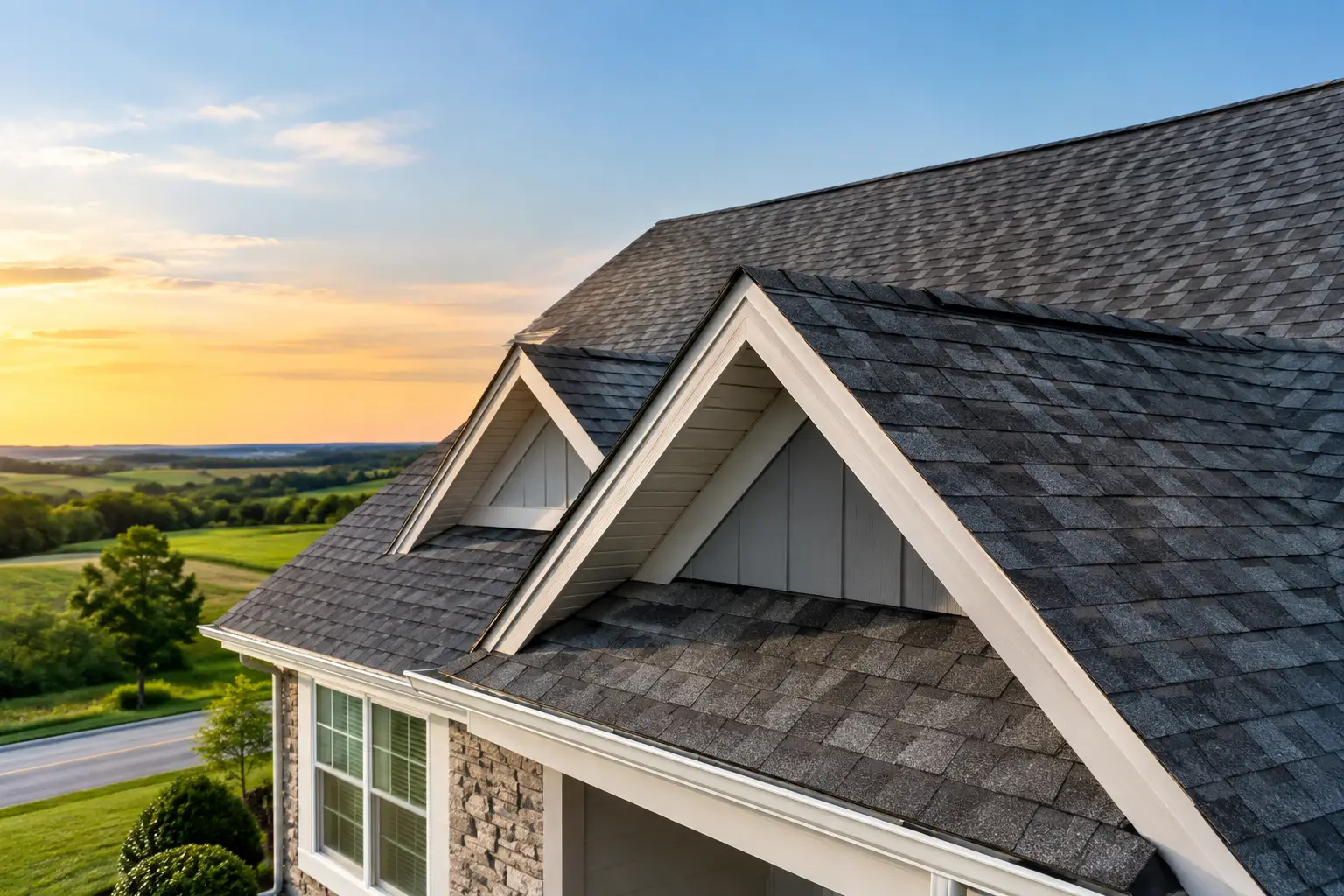
Manufacturer coverage varies by product and brand, but it often addresses defects that affect the material’s ability to perform as intended. With asphalt shingles, this may include manufacturing defects, premature loss of protective granules, or issues that affect the shingle’s water-shedding performance. With stone-coated steel roofing, coverage may address the integrity of the steel, protective coatings, and finish under defined conditions.
The details matter. Some warranties cover materials only, meaning the homeowner could still be responsible for tear-off, disposal, labor, and installation costs. Others offer stronger system-level coverage when approved underlayment, flashing, ventilation, and accessories are installed together by a qualified contractor.
A non-prorated warranty generally provides fuller coverage during its stated period. A prorated warranty may reduce the available compensation as the roof ages. That does not make prorated coverage unhelpful, but it is worth understanding before comparing roofing options based on warranty length alone.
For homeowners considering dual-layer asphalt shingles, the warranty may reflect the shingle’s construction, wind rating, algae-resistance provisions, and installation requirements. For Unified Steel stone-coated roofing, warranty terms may reflect long-term material durability, finish protection, and approved installation methods. The right option depends on your budget, your home’s design, and how long you plan to own the property.
A Warranty Is Not the Same as Insurance
This distinction prevents many frustrating surprises. Roof warranties are designed to address product defects or installation errors. Homeowners insurance is generally intended to respond to certain sudden, accidental losses, such as qualifying wind or hail damage.
If a severe storm damages an otherwise sound roof, that is usually not a warranty issue. If a manufacturing defect causes material failure under normal conditions, insurance may not be the appropriate path. When damage occurs, documenting the date, weather event, photos, and visible concerns can help determine which party should be contacted first.
What Roofing Warranties Commonly Exclude
No responsible contractor should promise that a roof warranty covers every possible problem. Exclusions protect manufacturers and installers from conditions outside their control, but homeowners should read them carefully before work begins.
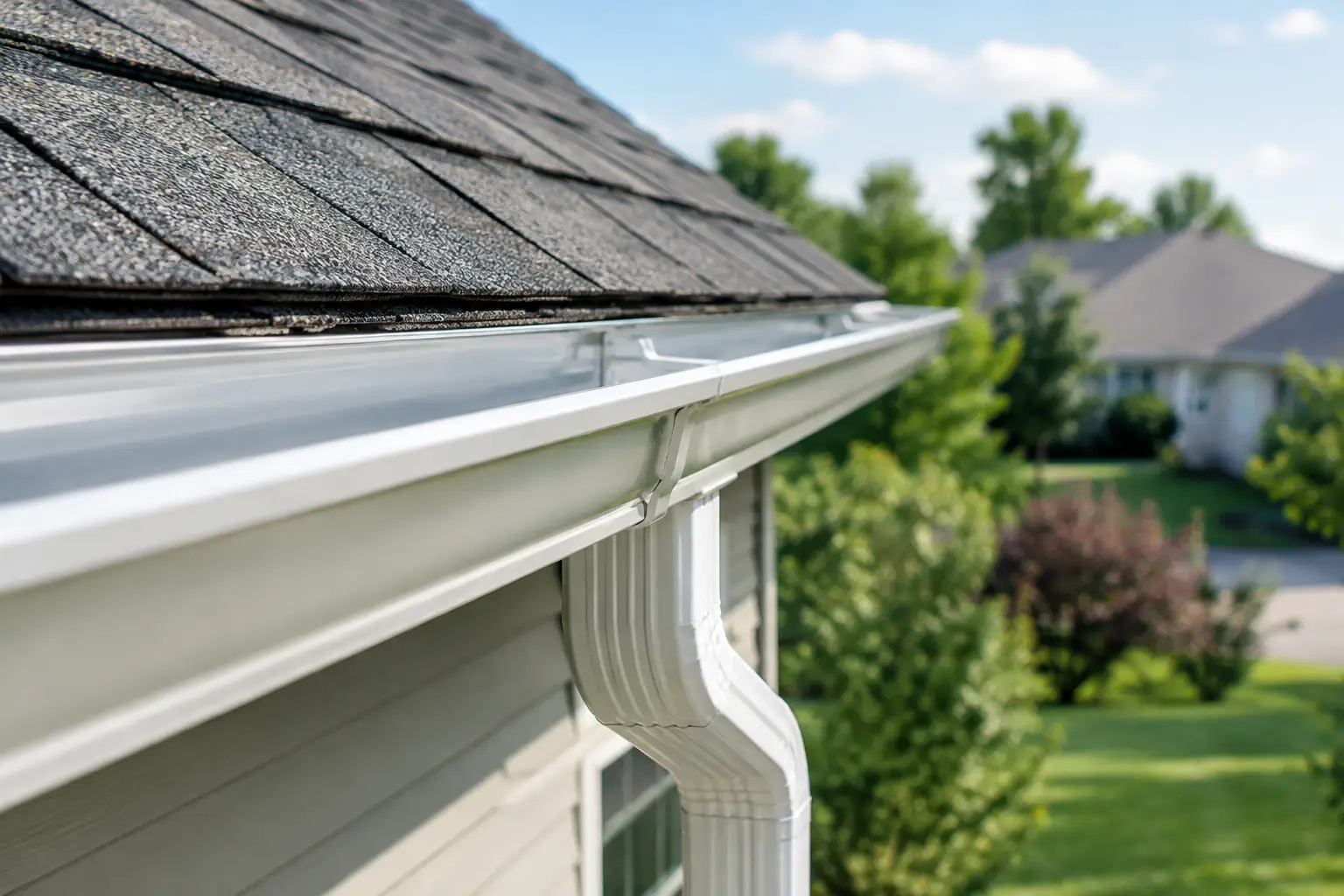
Common exclusions may include storm damage, hail, falling branches, fire, foot traffic, structural movement, improper attic ventilation, and damage caused by another contractor. A roof can also be affected by clogged gutters, ice dams, unaddressed leaks around chimneys or skylights, and alterations made after the original installation.
Improper ventilation deserves particular attention. Heat and moisture trapped in an attic can affect the roof deck and shorten the service life of roofing materials. A complete roof assessment should consider ventilation and drainage, not only the visible roofing surface. This is one reason a system-focused recommendation is more valuable than simply replacing shingles with a similar color.
Warranty coverage may also be limited if homeowners install satellite equipment, solar attachments, or new vents without coordinating with a qualified roofing professional. Penetrations in the roof are manageable when they are planned and flashed correctly. They can become a source of leaks when handled as an afterthought.
Why Installation Details Matter So Much
A roof is not one product. It is a coordinated assembly of decking, underlayment, water barriers, ventilation components, flashings, fasteners, and exterior material. The visible shingles or steel panels are only part of the protection your home relies on.
For example, a roofing manufacturer may require specific starter products, ridge components, nails, or underlayment for enhanced coverage. Substituting components or skipping required details can affect eligibility. An experienced installer understands these requirements before the job starts, rather than trying to resolve warranty questions after a problem appears.
Workmanship also shows up in the areas homeowners may not see from the ground. Valleys, sidewalls, chimneys, roof-to-wall transitions, and penetrations all need careful flashing. These details are especially important in Des Moines, where wind-driven rain, freeze-thaw cycles, and snow accumulation can expose weaknesses over time.
At Guardian Roofing, the goal is not simply to put a new surface on a home. It is to recommend a roof system that matches the property, the homeowner’s priorities, and the weather exposure the home will face for years ahead.
Questions to Ask Before You Sign
A warranty should be part of the roofing conversation, not fine print handed over after installation. Ask whether the material warranty is standard or enhanced, whether labor is included, and whether it is prorated over time. Also ask who handles a workmanship concern and how quickly the contractor responds if a leak or installation issue is reported.
It is wise to confirm whether the warranty requires registration. Some manufacturers require homeowners or contractors to submit information within a certain period after installation. Others provide coverage automatically but still need proof of purchase and installation if a claim is filed later.
Transferability is another practical question. If you sell your home, can the next owner receive the remaining warranty coverage? There may be a deadline for transferring the warranty, a required form, or a one-time transfer limit. A transferable warranty can be a useful selling point, but it should not be described as transferable unless the written terms support it.
Finally, ask what documentation you will receive when the project is complete. Keep the signed contract, paid invoice, material information, warranty documents, photos of the completed roof, and any registration confirmation in a safe place. Digital copies are useful, but a printed backup can be helpful during a storm-related claim or a future home sale.
Protecting Your Roof After Installation
A good warranty is not a reason to ignore maintenance. Homeowners can help preserve roof performance by keeping gutters clear, watching for loose or damaged components after major storms, and trimming branches that hang over the roof. If you notice a ceiling stain, missing material, or water around a chimney, address it promptly rather than waiting for the issue to grow.
Avoid pressure washing roofing materials or allowing untrained workers to walk across the roof. A simple visual inspection from the ground after severe weather is often enough to spot obvious concerns. When something looks wrong, a professional inspection can identify whether the issue is storm damage, normal aging, a maintenance need, or a potential warranty matter.
The best time to understand roofing warranty coverage is before the first storm tests your new roof. Choose materials designed for the conditions your home faces, insist on clear written terms, and work with an installer who treats every layer of the roof as protection you can count on.