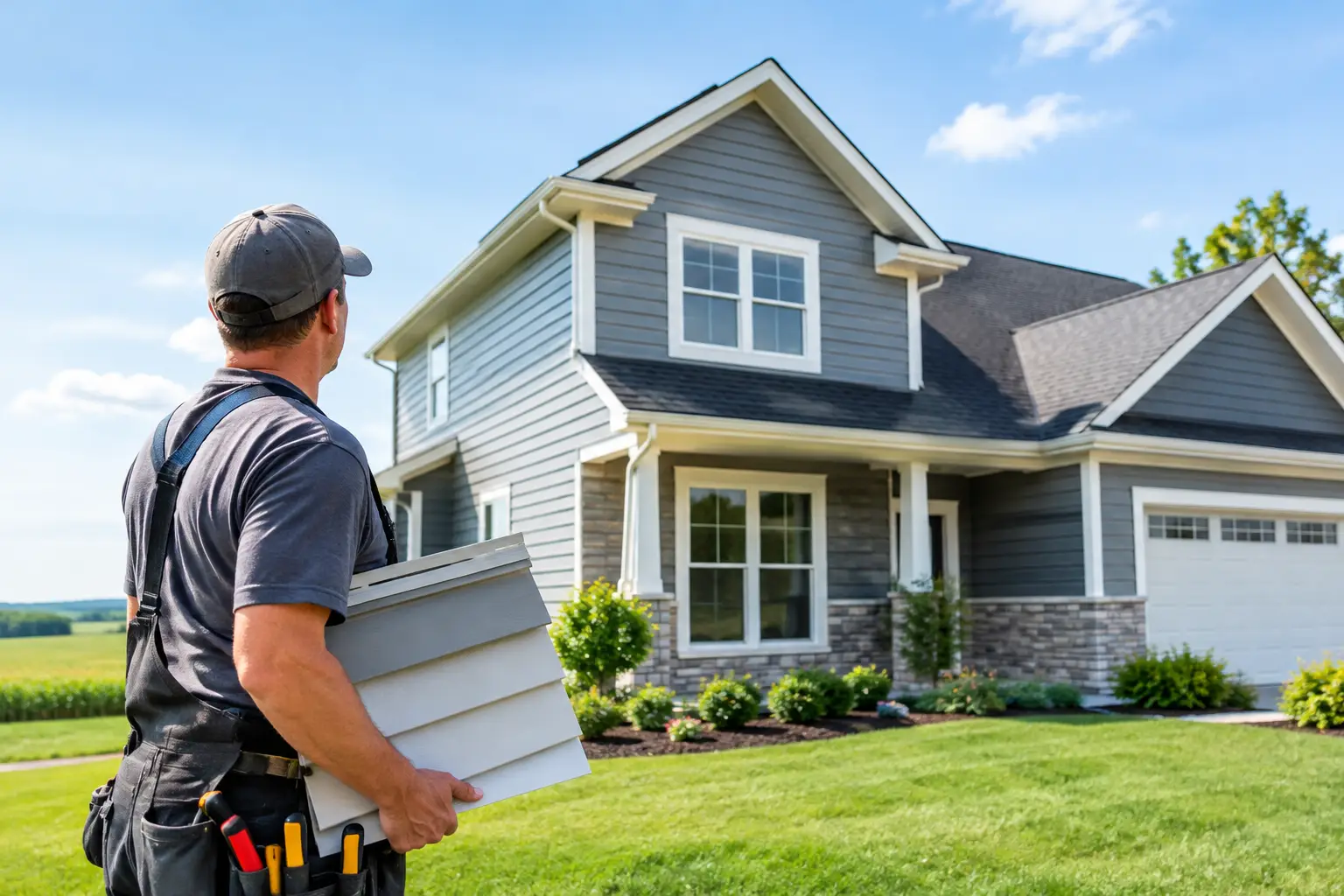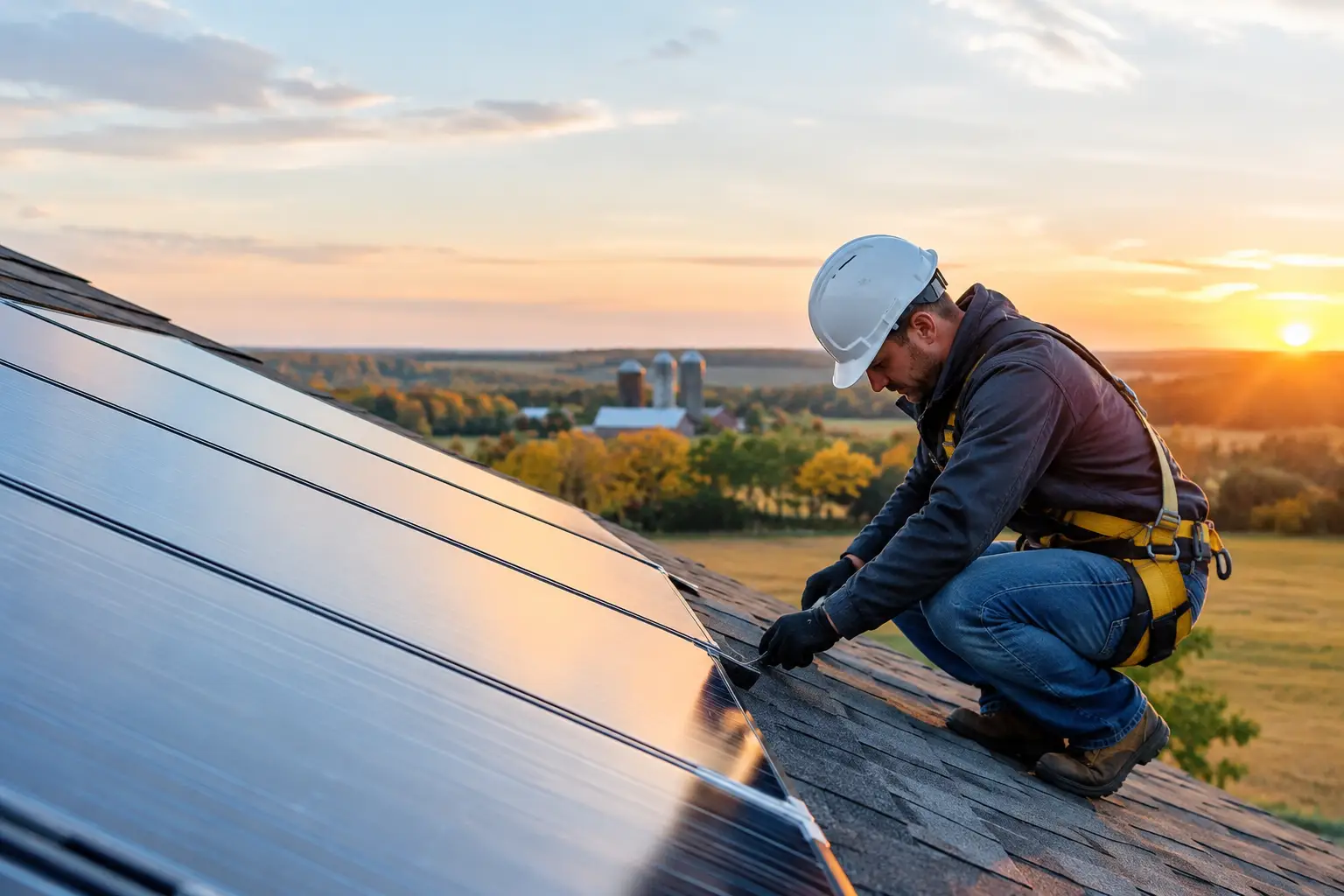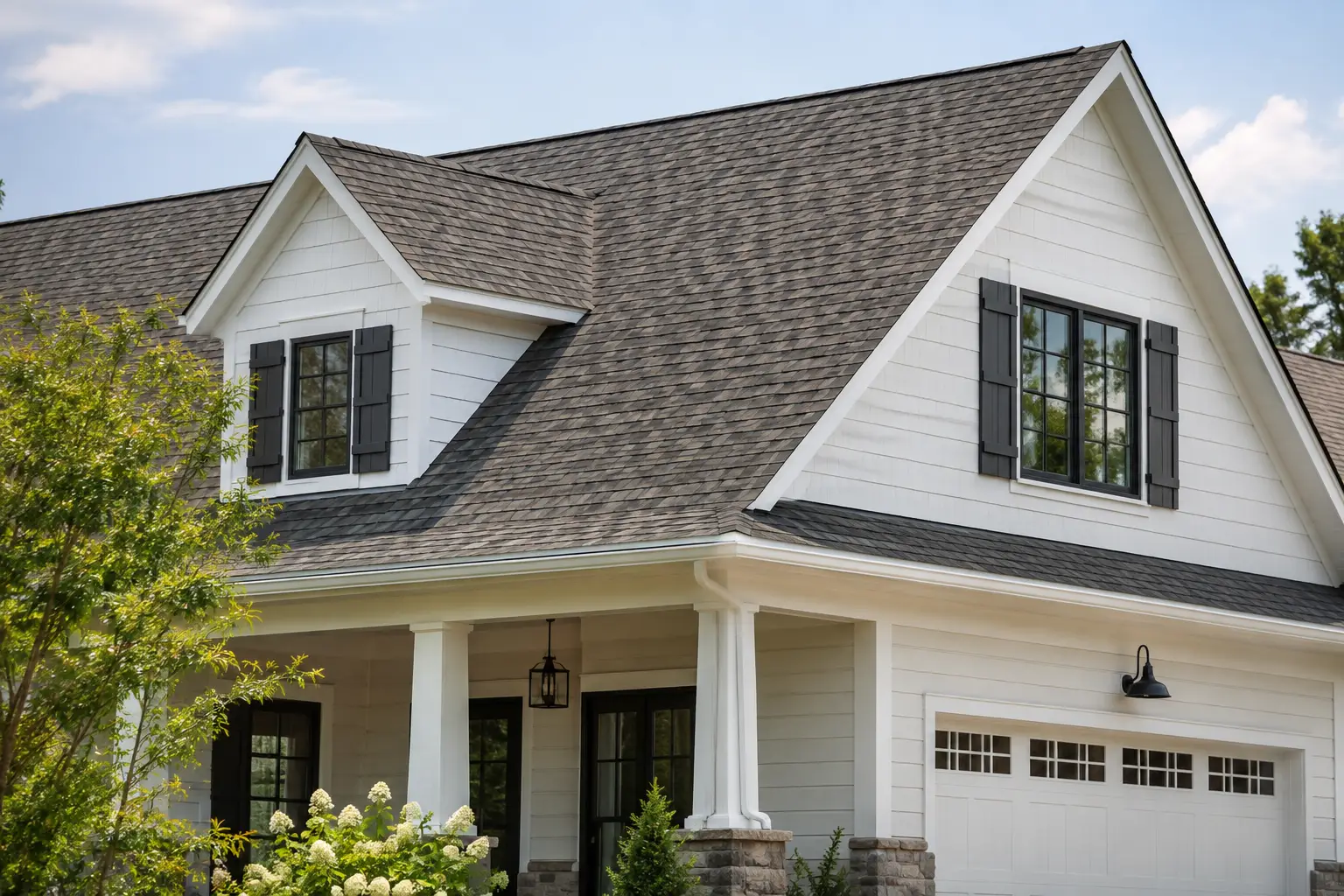
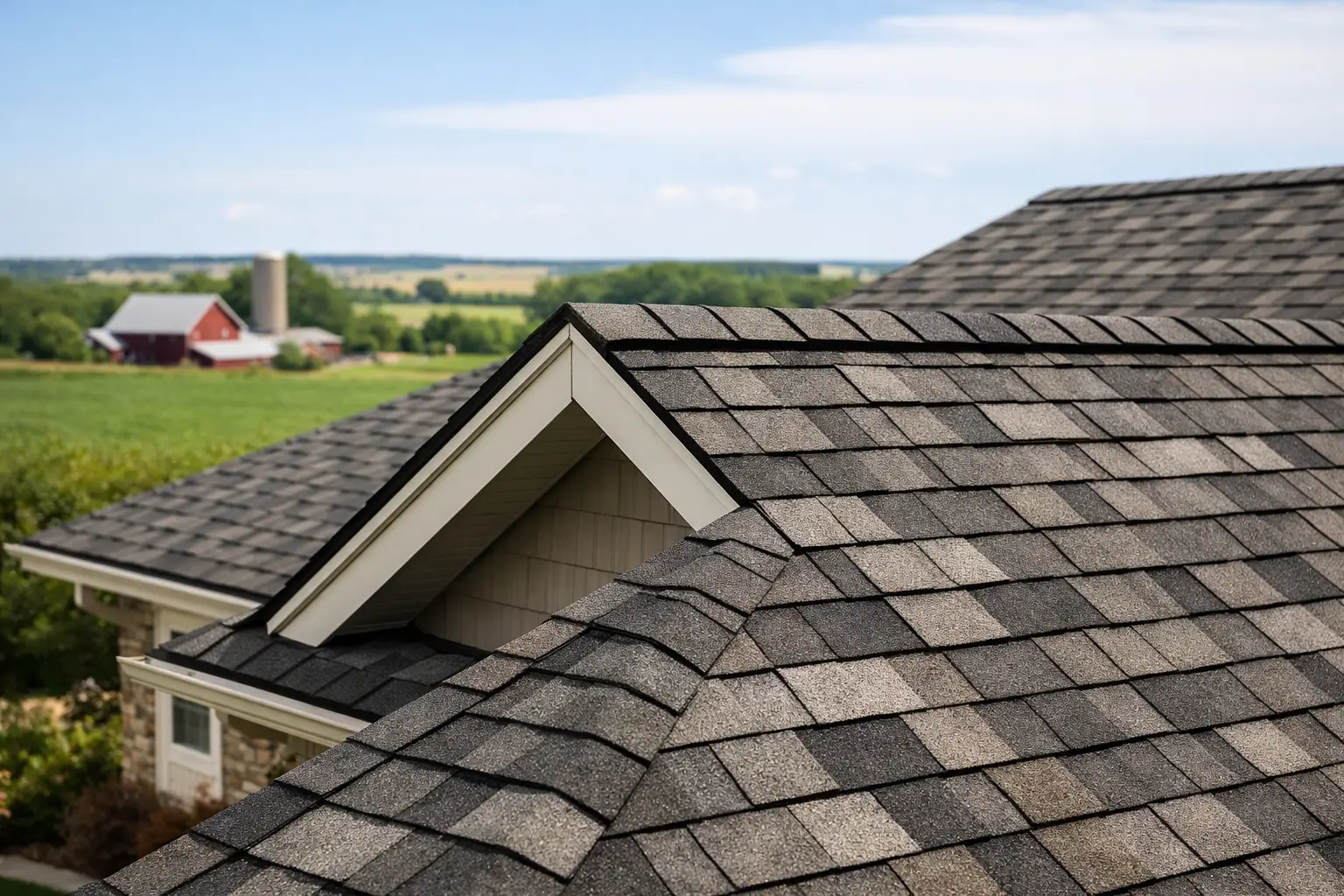
A roof in Des Moines has to do more than look good from the street. It must stand up to driving rain, winter snow, summer heat, sudden temperature swings, and the high winds that can arrive with little warning. Dual layer asphalt shingles give homeowners a practical way to add visual depth and dependable protection without moving to a specialty roofing material.
For many Iowa homes, this shingle style hits the right balance: a more substantial appearance than basic three-tab shingles, a broad selection of colors, and performance designed for long-term residential use. The best choice still depends on your roof’s condition, slope, ventilation, budget, and the installation details that support the shingles themselves.
What Are Dual Layer Asphalt Shingles?
Dual layer asphalt shingles are commonly called architectural or dimensional shingles. Rather than using one flat, uniform shingle layer, manufacturers laminate layers together to create a thicker profile and a varied pattern across the roof. That layered construction gives the roof more texture, helping it resemble materials with greater dimension while maintaining the familiar, versatile benefits of asphalt.
The term can mean slightly different things between manufacturers. Some products use a distinct laminated two-layer design, while others use enhanced layering or reinforcing features in specific areas. Homeowners should always review the exact product specification instead of assuming every architectural shingle has the same thickness, wind rating, warranty coverage, or impact performance.
What is consistent is the result: dual layer shingles create stronger shadow lines and a more finished appearance than entry-level strip shingles. On a ranch home, two-story traditional home, or newer suburban property, that added definition can make the entire exterior feel more intentional.
Why Homeowners Choose Dual Layer Asphalt Shingles
A roof replacement is a protection decision first, but curb appeal matters. Because the roof occupies such a large portion of what people see from the street, color and profile can change the character of a home. Dual layer asphalt shingles are available in blends ranging from soft weathered grays and warm browns to deep charcoal and classic black, making it easier to coordinate with siding, brick, trim, gutters, and windows.
Their layered construction also offers a more substantial feel. That does not mean a shingle alone can make a roof storm-proof. Wind resistance depends on the full roofing system, including the decking condition, underlayment, starter shingles, fastening method, sealing strips, flashing, and ventilation. Still, a quality architectural shingle installed as part of a complete system is often a meaningful upgrade from a worn or basic roof.
For established homeowners, the value is usually in avoiding a false choice between appearance and practicality. You can select a roof that protects the home through Midwest weather while improving its resale appeal and day-to-day pride of ownership.
Better depth without the cost of specialty roofing
Natural slate, cedar shake, and certain metal profiles create distinctive looks, but they may require a larger initial investment or have specific structural and maintenance considerations. Dual layer asphalt shingles can provide dimensional character at a more accessible price point.
That makes them a strong fit for homeowners who want a visible upgrade over standard shingles while keeping the project within a defined replacement budget. Financing options can also make it easier to choose a durable system without delaying needed work on an aging roof.
A practical choice for many roof designs
Architectural shingles work well across a wide range of home styles and roof slopes. They can complement simple gable roofs, more complex hip roofs, dormers, and multi-plane designs without competing with the architecture.
Complex roofs do require more careful planning. Valleys, walls, skylights, chimneys, vents, and transitions need correctly installed flashing and water-management materials. A premium shingle cannot compensate for careless work in these vulnerable areas. The installation crew and the complete roofing system matter as much as the shingle profile.
How Dual Layer Asphalt Shingles Handle Iowa Weather
Iowa weather asks a lot of exterior materials. Roofs face moisture from rain and snow, wind uplift during severe storms, ultraviolet exposure in summer, and repeated freeze-thaw cycles. No roofing material eliminates every risk, but a properly selected and installed asphalt system is designed to manage these conditions.
The shingle surface sheds water, while the layers beneath it provide secondary protection where needed. Underlayment helps protect the roof deck, and ice and water protection is especially valuable in susceptible areas such as eaves, valleys, and roof penetrations. Proper attic ventilation helps manage heat and moisture, supporting both roofing performance and indoor comfort.
Wind is another major consideration. Manufacturers publish wind ratings for specific shingles, but those ratings apply only when the product is installed according to the manufacturer’s requirements. Nail placement, the number of fasteners, deck preparation, starter course installation, and sealant activation all affect how the roof performs in high winds.
If hail exposure is a major concern in your neighborhood, ask whether an impact-resistant shingle option makes sense. Impact ratings can be useful, but they should not be treated as a guarantee against all hail damage. The right decision depends on local storm history, insurance considerations, the product’s actual rating, and your long-term plans for the home.
Choosing the Right Shingle Color and Profile
Color should support the rest of the home rather than follow a short-lived trend. A charcoal or black blend often creates a clean contrast with light siding. Brown and weathered wood tones can add warmth to brick, tan siding, and natural exterior accents. Gray blends remain popular because they work with many exterior palettes, but the undertones matter. A cool gray can look very different beside cream trim than beside blue-gray siding.
Before making a final choice, view full-size samples outdoors. Small sample boards can appear lighter or darker once they are on a large roof plane, especially under direct sun or overcast skies. Consider the home from the street, not just from the driveway. The roof color should work with permanent features such as masonry, siding, and window trim.
Guardian Roofing helps homeowners compare roofing options in the context of the whole exterior. That consultative approach is useful when a roof project may also involve gutters, siding, or windows, since coordinated colors and materials can make the finished home look cohesive.
When a Different Roofing Material May Be Better
Dual layer asphalt shingles are an excellent solution for many homes, not every home. A homeowner seeking the longest possible service life, a highly distinctive profile, or increased resistance to certain weather exposures may want to consider stone-coated steel roofing. Steel systems can offer exceptional durability and architectural variety, though they generally involve a higher initial investment.
Likewise, if the roof deck has moisture damage, ventilation problems, or structural concerns, the first priority is correcting those underlying issues. Installing new shingles over a compromised foundation can shorten the life of the entire project. A thorough inspection should identify whether repairs, decking replacement, or ventilation improvements are needed before installation begins.
Budget also deserves an honest conversation. The lowest bid is not always the best value if it leaves out critical components, uses lower-grade materials, or does not address flashing and ventilation. Compare proposals as complete systems, not simply as a price per square of shingles.
What to Expect From a Quality Installation
A dependable roof replacement begins with an assessment of the existing roof and the home’s exterior conditions. Your contractor should explain what they see, recommend an appropriate shingle system, and provide clear information about the scope of work. That includes tear-off expectations, deck inspection, underlayment, flashing, ventilation, cleanup, and warranty details.
During installation, crews should protect landscaping and exterior surfaces, remove old roofing materials responsibly, and inspect the deck before covering it. New shingles should be installed to manufacturer specifications, with particular attention to valleys, penetrations, edges, and transitions. These details are not cosmetic. They are where water management succeeds or fails.
After the work is complete, take time to review the finished roof and ask questions about maintenance. Keep gutters clear, watch for loose debris after storms, and schedule an inspection if you notice missing shingles, staining, interior leaks, or visible damage. Prompt attention can prevent a small issue from becoming a more expensive repair.
A new roof should give you confidence when the forecast turns. By choosing dual layer asphalt shingles that fit your home, your budget, and Iowa’s demanding weather, you can make a practical investment in protection that also makes your home look its best for years ahead.