A home’s siding does more than shape its appearance from the street. It is part of the protective barrier that stands between your family and Des Moines wind, rain, snow, humidity, and changing temperatures. The most meaningful siding replacement benefits come from restoring that barrier before small exterior problems become larger, more expensive repairs.
For many homeowners, the decision starts with visible concerns: faded color, cracked panels, peeling paint, or loose pieces after a storm. But replacement can also address hidden moisture exposure, drafts, pests, and maintenance demands that have been building behind the scenes. When the time is right, new siding is a practical investment in protection, comfort, and long-term home value.
1. Stronger Protection From Iowa Weather
Iowa weather asks a great deal from every exterior surface. Siding can face summer heat and humidity, freezing winter temperatures, wind-driven rain, hail, and repeated freeze-thaw cycles within the same year. Over time, older materials may crack, warp, separate at seams, or lose their ability to shed water effectively.
New siding helps create a more dependable exterior defense. Properly installed panels, trim, flashing, and moisture-management details work together to direct water away from vulnerable areas of the home. That matters because moisture that gets behind damaged siding can affect sheathing, framing, insulation, and interior walls before it becomes obvious indoors.
Replacement is especially worth considering after repeated storm damage or when repairs keep appearing in different areas. A few isolated damaged boards may be repairable. Widespread cracking, rot, loose sections, or recurring leaks often point to a system that is nearing the end of its useful life.
2. Better Energy Efficiency and Indoor Comfort
Siding alone does not determine a home’s energy performance, but it plays an important role in the exterior envelope. Gaps around old siding, deteriorated caulking, damaged trim, and compromised house wrap can allow outside air and moisture to affect the walls behind them.
During a siding replacement, homeowners may have an opportunity to address those weak points. Depending on the home and the selected material, the project can include improved weather barriers, properly sealed openings, and insulation options that help reduce unwanted heat transfer. The result can be a home that feels less drafty in winter and more stable during summer heat.
Energy savings vary. A home with aging windows, inadequate attic insulation, or HVAC issues will not be transformed by siding alone. Still, replacing worn exterior materials as part of a coordinated plan can reduce strain on heating and cooling equipment while making rooms near exterior walls more comfortable.
3. A Cleaner Look With Less Maintenance
Peeling paint and frequent touch-ups can turn home maintenance into a recurring weekend obligation. Traditional wood siding can be beautiful, but it often needs regular attention to protect it from moisture, insects, and sun exposure. Even some older engineered or vinyl products may become brittle, faded, or difficult to clean over time.
Modern siding options are designed with long-term upkeep in mind. The right material can provide durable color, resistance to moisture, and a finished appearance that needs far less maintenance than older systems. Instead of planning around scraping, priming, and repainting, homeowners can spend more time enjoying their property.
Low maintenance does not mean no maintenance. Siding should still be inspected after severe weather, cleaned as recommended by the manufacturer, and kept clear of vegetation that traps moisture against the wall. The advantage is a more manageable maintenance routine and fewer surprises caused by neglected exterior surfaces.
4. Improved Curb Appeal That Fits Your Home
A siding project can change the character of a home without changing its footprint. Fresh color, updated trim, and materials that complement the roof can make an older property look cared for and current. This is one of the siding replacement benefits homeowners notice immediately, but it is not only about appearance.
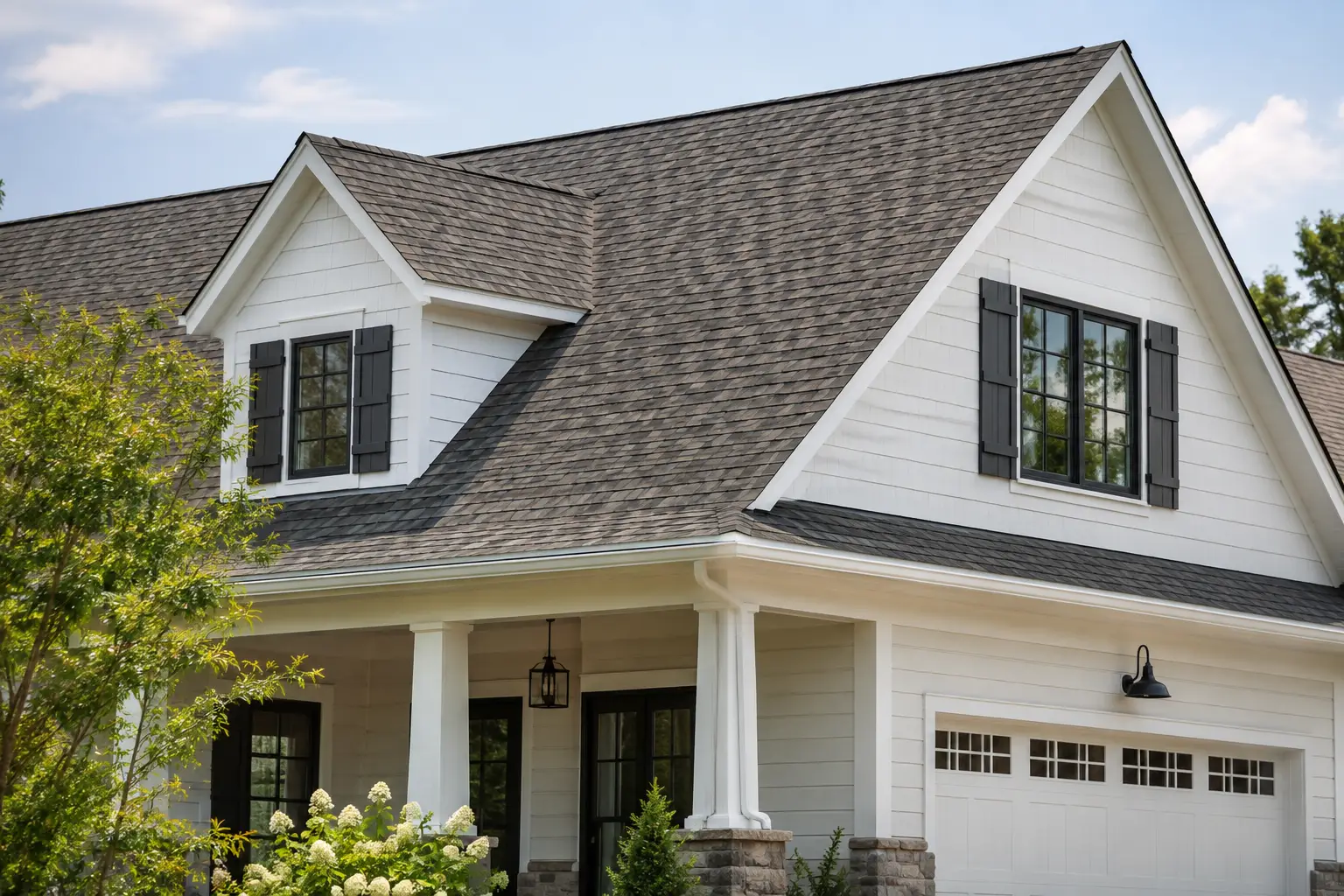
Well-chosen siding helps create a unified exterior. A ranch home may benefit from a clean, classic profile and coordinated trim. A two-story home may call for contrasting accents around gables, windows, or entryways. The best choices account for the home’s architecture, roof color, neighborhood character, and the level of upkeep the homeowner prefers.
Color selection deserves careful thought. Very trendy colors can feel dated sooner than expected, while timeless neutral tones may offer broader appeal over the years. That does not mean every home should look the same. A consultative approach helps homeowners choose an exterior combination that feels personal while supporting long-term value.
5. Greater Confidence Against Moisture and Pests
Damaged siding can create access points for more than water. Insects and small animals may find gaps around loose panels, failing trim, or deteriorated corners. Once moisture or pests reach the wall cavity, repairs can become more involved than simply replacing visible siding.
A full replacement gives contractors the chance to inspect conditions behind the old material. If there is damaged sheathing, flashing concerns, or signs of water intrusion, those issues can be identified and addressed before the new siding is installed. This is one reason the lowest initial price is not always the best value. Quality installation details matter just as much as the siding product itself.
Homeowners should be cautious about covering over visible damage without determining the cause. A stain, soft spot, or repeatedly loose section may signal a water-management problem that needs correction. New siding should protect the home, not conceal an existing issue.
6. Support for Resale Value and Buyer Confidence
Exterior condition strongly influences first impressions. Buyers often notice faded siding, missing trim, and peeling paint before they step through the front door. An aging exterior can raise questions about maintenance elsewhere in the home, even when the interior is in good shape.
New siding can help a property present as well-maintained, protected, and ready for the next owner. It may support resale value, particularly when the colors and materials are appropriate for the home and professionally installed. Just as important, it can reduce the likelihood that obvious exterior deterioration becomes a point of concern during inspections or negotiations.
Return on investment depends on the material, the condition of the home, the local market, and the quality of the work. Homeowners should not choose siding solely for a future sale. The strongest value often comes from years of better protection, lower maintenance, and pride in the home before a sale is ever considered.
7. A Chance to Coordinate Your Entire Exterior
Siding replacement is often the right time to look at related components, including windows, gutters, fascia, soffit, and roofing. These elements meet at critical transition points where water can enter if they are not properly planned and installed together.
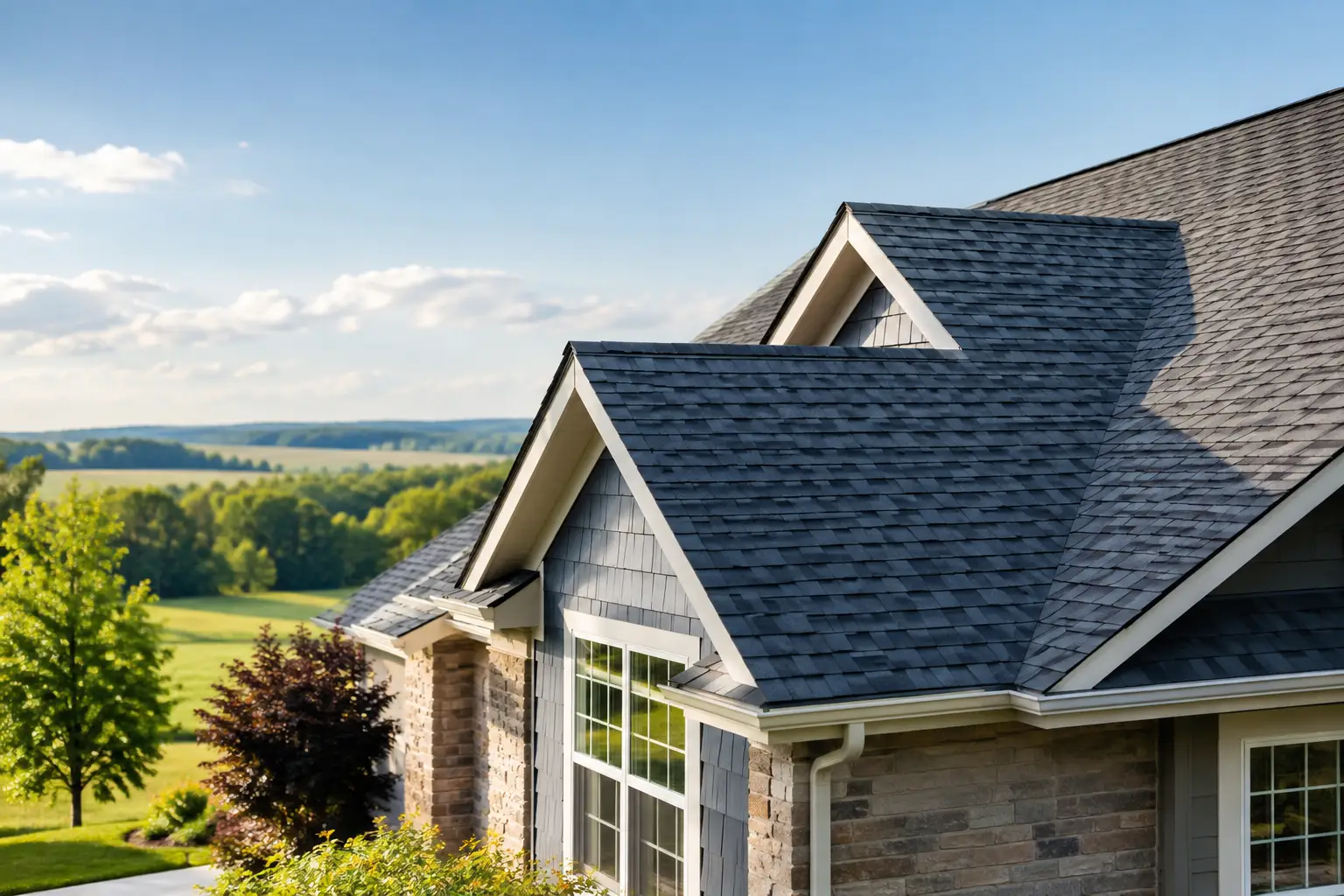
For example, a new gutter system may better protect newly installed siding by moving roof runoff away from the walls and foundation. Replacing worn trim while siding is removed can create a cleaner, more complete result than addressing it later. If a roof is also nearing replacement, coordinating colors and material selections can give the home a balanced, finished appearance.
This does not mean every exterior project must happen at once. A trusted contractor can help prioritize work based on active damage, weather exposure, budget, and the expected lifespan of each component. Financing options can also make it easier to address necessary improvements without sacrificing quality.
When Should You Replace Siding?
A professional assessment is helpful when you see widespread fading, cracks, warping, rot, loose panels, bubbling paint, mold growth, or unexplained increases in indoor drafts. Water stains inside the home, especially near exterior walls or windows, deserve prompt attention. After a severe storm, inspect the siding from the ground and schedule an evaluation if sections appear displaced or damaged.
The right replacement material depends on your goals. Some homeowners prioritize the lowest maintenance requirements, while others want a specific architectural look or stronger impact resistance. Budget matters, but so do installation quality, warranty coverage, and how the product will perform through Iowa’s seasonal extremes.
Guardian Roofing helps Des Moines homeowners evaluate siding as part of a complete exterior protection plan. A clear, no-pressure quote can identify what needs immediate attention, what can wait, and which options make sense for your home.
Your siding should do its job quietly: keep weather out, support a comfortable home, and make you feel confident every time you pull into the driveway. If it is no longer providing that protection, a thoughtful replacement can give your home the durable exterior it deserves.