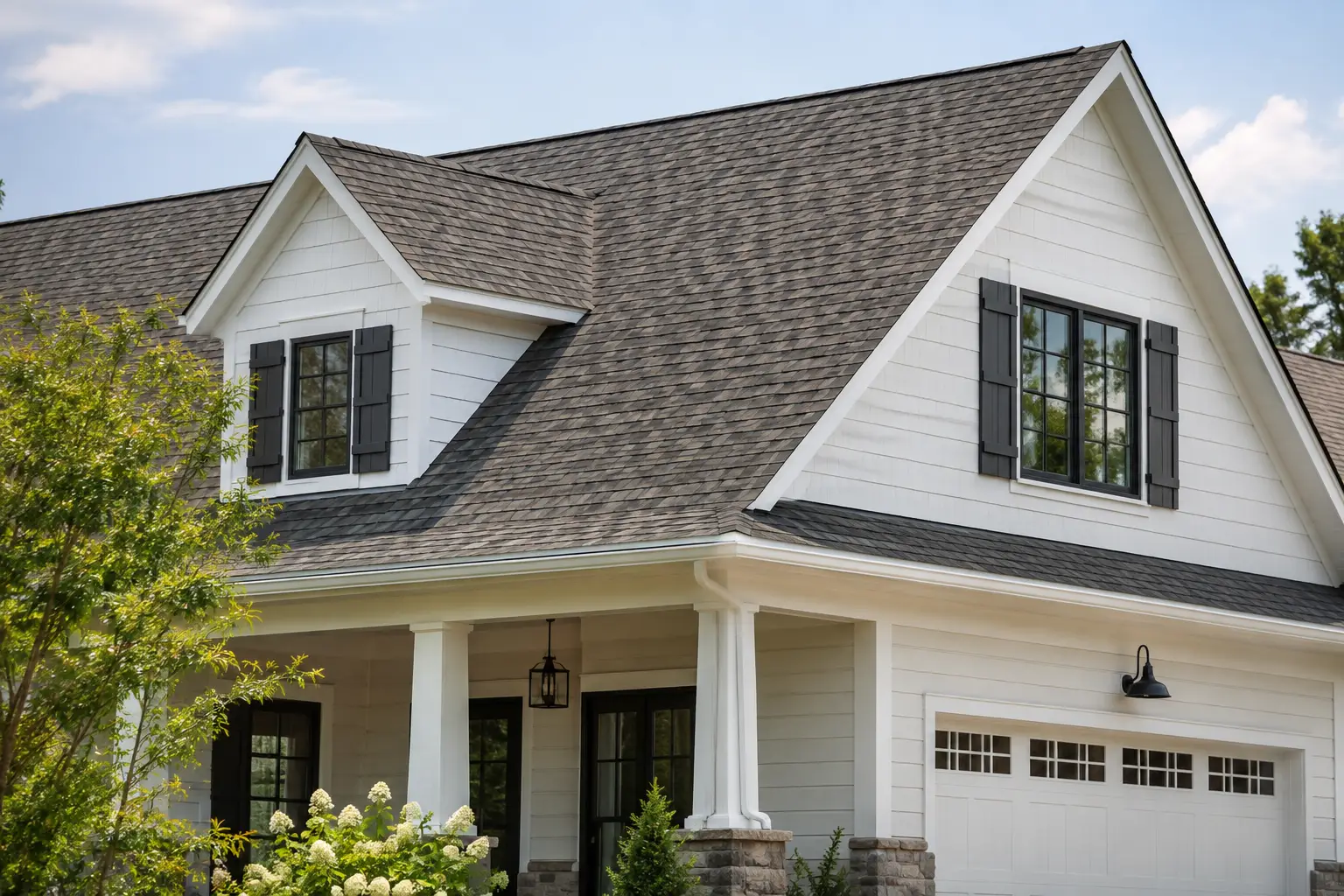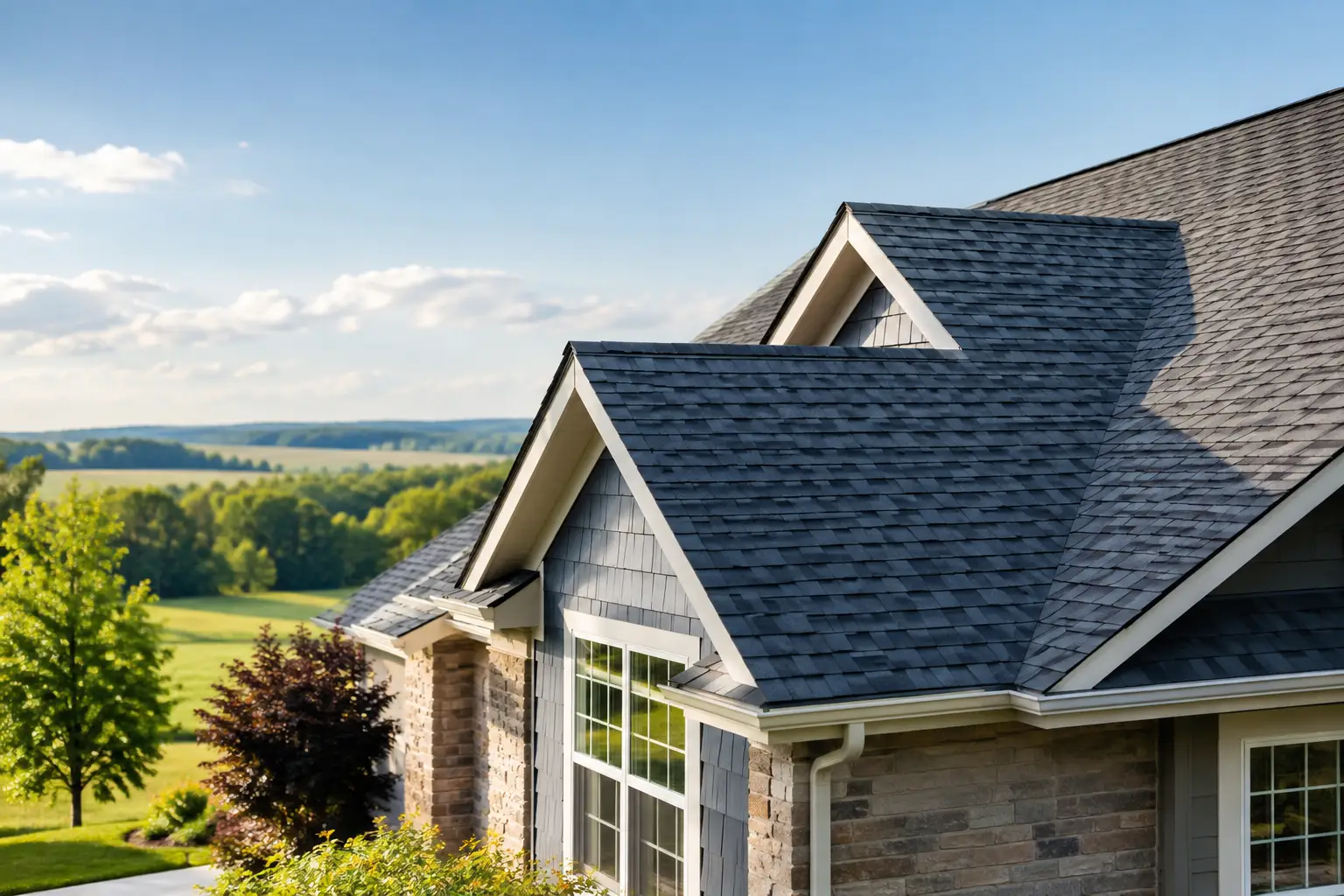
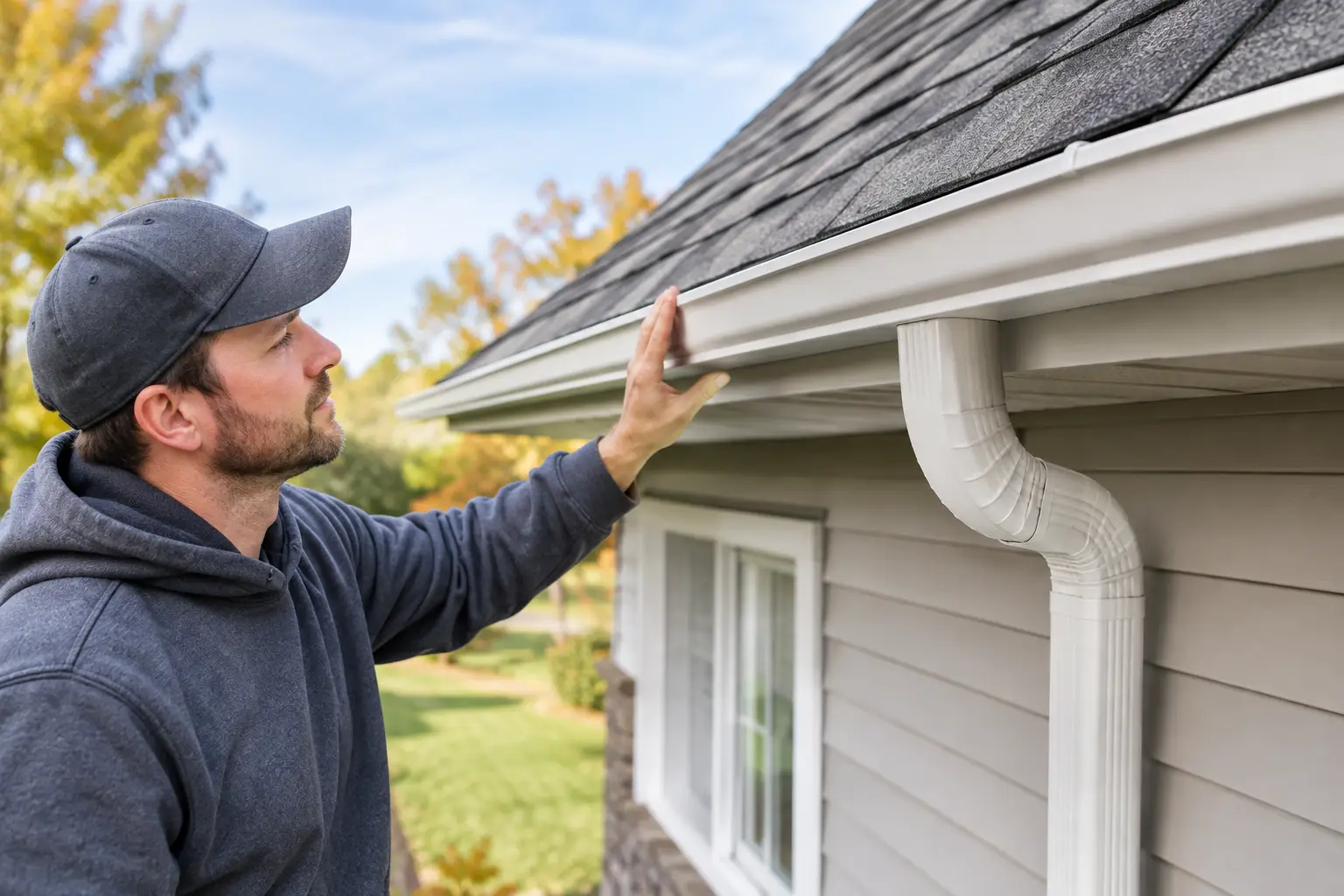
A gutter system can look like a small detail until water starts spilling over the edge during a hard Iowa downpour. Then the stakes become clear: water can wash out landscaping, soak siding, stain masonry, damage fascia boards, and collect near the foundation. When you choose replacement gutters, you are choosing a drainage system that helps protect the entire exterior of your home.
For Des Moines homeowners, the right answer is rarely the cheapest gutter hanging on the truck. Capacity, material, installation quality, roof design, and drainage at ground level all matter. A well-planned replacement should handle heavy rain, melting snow, and the seasonal debris that comes with mature Midwest neighborhoods while still complementing your home’s curb appeal.
Start With the Water Your Roof Collects
Gutters must move every drop of water that runs off the roof, not just what falls directly over the gutter line. A large roof plane sends a surprising volume of water toward a relatively narrow channel. Steep slopes, long roof runs, and valleys concentrate that flow even further.
This is why a contractor should look at your roof layout before recommending a gutter size. A simple ranch home with short eaves may perform well with a standard system. A larger two-story home, a steep roof, or a roof with multiple valleys may need wider gutters, additional downspouts, or both. If water regularly pours over one section while the rest of the system looks fine, the issue may be capacity or placement rather than a need to replace every gutter.
The goal is controlled drainage. Water should enter the gutter, move freely to a downspout, and discharge far enough from the home that it does not return to the foundation. Any replacement plan that focuses only on the horizontal gutter trough leaves out a critical part of the system.
Choose Replacement Gutters by Size and Shape
Most residential homes use either 5-inch or 6-inch gutters. Five-inch systems are common and can be a practical fit for smaller, straightforward rooflines. Six-inch gutters provide more capacity and are often the better choice for homes with larger roof areas, steep pitches, prominent valleys, or recurring overflow problems.
The difference may sound minor, but an extra inch in width can significantly improve how much water the gutter can carry. It also gives leaves and small debris more room to move toward the downspouts instead of forming a blockage at the first heavy rain.
K-style gutters are the most common profile on modern homes. Their shaped front edge resembles decorative crown molding, giving them a finished appearance that works well with many siding and trim styles. Half-round gutters have a smoother, rounded profile and can be an attractive choice for certain traditional or historic-style homes. They typically carry less water than comparable K-style gutters, so appearance should be balanced with the drainage demands of the roof.
Downspout size matters just as much. Larger gutters paired with undersized downspouts can still create backups. A professional assessment should account for the number, location, and size of downspouts, particularly below roof valleys and at corners where water naturally collects.
Select a Material That Fits Your Home and Budget
Aluminum is the leading choice for many Iowa homes because it is lightweight, rust-resistant, available in many colors, and suited to seamless fabrication. Quality aluminum gutters offer dependable performance without the cost of premium metals. For most homeowners, they strike the right balance between value, durability, and design flexibility.
Steel gutters are stronger but require a protective finish to resist rust over time. They can be a worthwhile option in certain applications, though they are heavier and may need closer attention if the finish becomes scratched or worn. Vinyl gutters are often inexpensive at the start, but temperature swings can make them less appealing for long-term Midwest performance. They can become brittle in cold weather, fade over time, and may sag if not properly supported.
Copper is a premium option with a distinctive appearance and long service life. It develops a natural patina as it ages and is often selected for high-end or historic homes. Its cost makes it a specialized choice, and it should be installed by an experienced team familiar with the material.
For many homes, seamless aluminum gutters are the practical recommendation. They are formed to fit the length of your roofline, which reduces the number of joints where leaks can develop. Fewer seams mean fewer potential trouble spots and a cleaner finished appearance.
Do Not Treat Gutter Guards as an Automatic Upgrade
Gutter guards can reduce how often you need to clean the system, but they are not a guarantee that gutters will never require maintenance. Different guard designs perform differently depending on the trees around your home, the type of debris you receive, roof pitch, and local weather conditions.
Fine mesh guards can block small debris effectively, while other systems rely on surface tension or larger openings to direct water into the gutter. Each design has trade-offs. A guard that keeps out tiny particles may require more careful installation to maintain strong water flow during heavy rain. A larger-opening option may handle high-volume rain well but allow smaller debris into the system.
If your home is surrounded by mature trees, guards may be a sensible addition to a properly sized gutter system. If you have few trees and can safely maintain your gutters, a quality open gutter may be all you need. The priority is still proper slope, secure fastening, clear downspouts, and drainage away from the house.
Plan Where Water Goes After It Leaves the Downspout
A new gutter system cannot protect the foundation if downspouts empty directly beside it. Downspout extensions should carry water away from the home and toward an area that can safely absorb or direct runoff without affecting walkways, driveways, or neighboring properties.
This detail is especially important where grading slopes toward the house or where basement moisture has been a concern. In those situations, gutter replacement may be part of a broader water-management plan that includes extensions, splash blocks, underground drainage, or grading improvements. The right solution depends on the property, but the outcome should be the same: water moves away from the home with purpose.
Take a walk around the exterior during or shortly after a strong rain. Look for pooling water, overflowing corners, downspouts that discharge too close to the foundation, and soil erosion below roof edges. Those visible signs give a contractor useful information and help ensure the replacement addresses the source of the problem.
Match the System to Your Exterior Design
Gutters do real protective work, but they are also a visible part of your home’s exterior. Color selection can make them blend into fascia and trim or provide a subtle complement to siding and roofing. Matching gutters to trim is a classic choice because it creates a clean, consistent roofline. Matching them to siding can make the system less noticeable from the street.
Consider the gutter project alongside other exterior work. If you are replacing your roof, updating siding, or installing new windows, coordinating colors and drainage details can create a more polished result. It also gives installers an opportunity to inspect the fascia, soffit, roof edges, and other components that affect how well the gutter system performs.
A gutter should sit securely against sound fascia with the correct pitch toward the downspout. If the wood behind an old gutter is soft, stained, or deteriorated, covering it with a new system only delays the repair. Addressing those conditions during the project protects the investment and helps the finished exterior look its best.
Installation Quality Determines Long-Term Performance
Even premium gutters can fail when installed without careful planning. Gutters need a slight slope so water flows to the downspouts, yet the slope should not be so pronounced that it looks uneven from the ground. Hangers must be placed securely enough to resist sagging under water, wet leaves, snow, and ice.
Properly placed downspouts, sealed end caps, secure outlets, and clean transitions all contribute to dependable drainage. This is why measuring and fabricating seamless gutters on site can be valuable. The system can be tailored to your home rather than assembled from a series of standard lengths and extra joints.
When comparing estimates, ask what material thickness is proposed, whether the gutters will be seamless, how hangers are spaced, where downspouts will be located, and how runoff will be directed away from the foundation. A clear answer is a sign that the contractor is considering the complete system, not simply replacing visible metal.
A free exterior assessment can help turn a confusing choice into a practical plan. Guardian Roofing can evaluate your roofline, drainage needs, and exterior style so your new gutters provide the protection your Iowa home deserves through the next hard rain and the seasons that follow.