
A cold spot beside the living room window is more than an annoyance during an Iowa winter. It can make one room uncomfortable, drive up heating costs, and leave homeowners wondering: can new windows reduce drafts? In many cases, yes. Properly selected and professionally installed replacement windows can make a noticeable difference in comfort. But the right answer depends on where the air is entering and whether the window itself is truly the problem.
Drafts can come from worn weatherstripping, gaps around the window frame, failing seals, poor insulation, or even air movement from another part of the home. A careful evaluation helps distinguish a window that needs a simple repair from one that has reached the end of its useful life.
Can New Windows Reduce Drafts? Yes, When the Window Is Failing
Older windows often lose their ability to keep outside air where it belongs. Wood frames can shrink, warp, or rot. Vinyl windows may develop gaps as components age. Double-pane glass units can lose their insulating seal, allowing moisture between panes and reducing thermal performance. Windows that no longer close or lock tightly can also leave a direct path for cold air and wind.
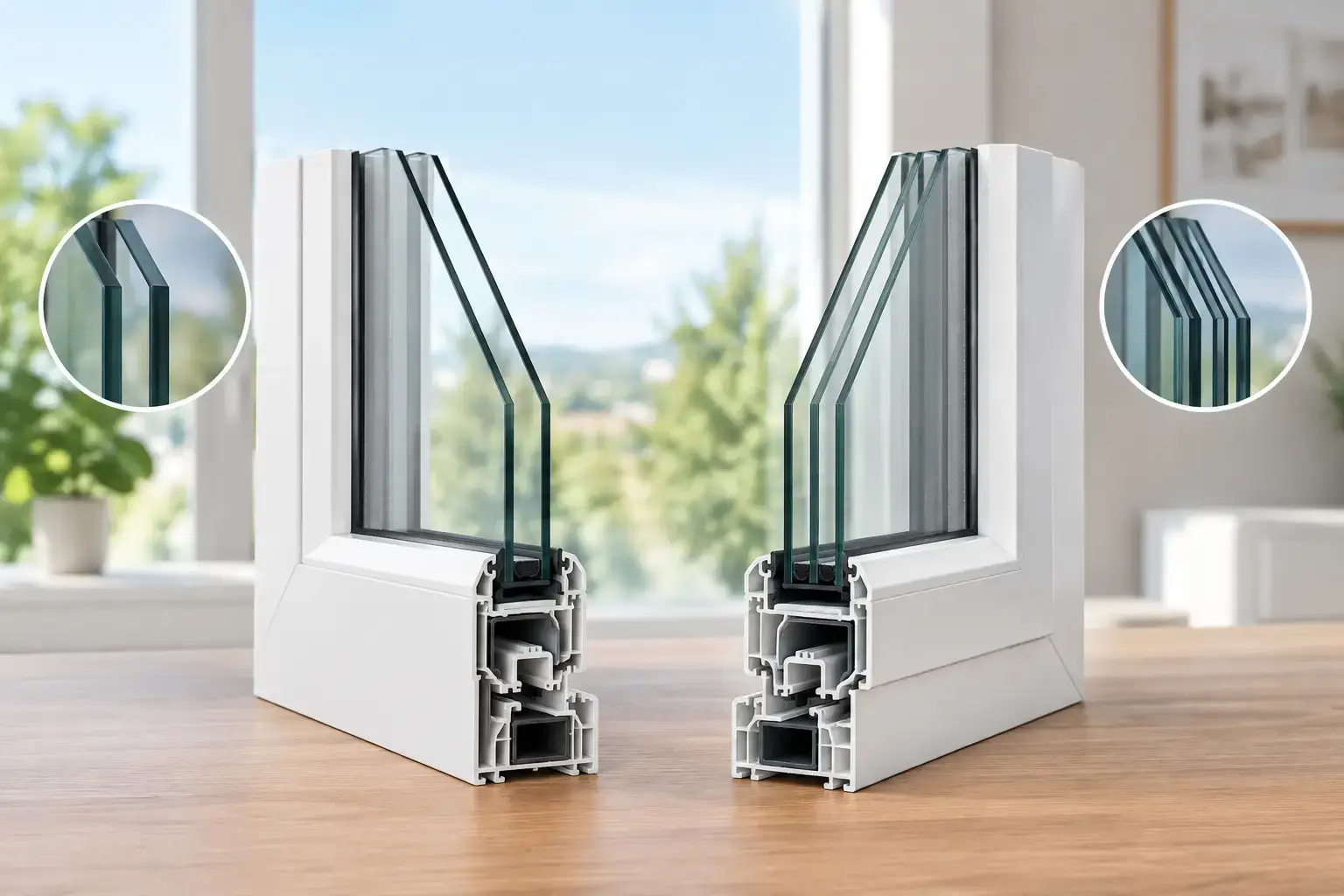
New replacement windows address these issues as a complete system. A quality window has a tighter-operating sash, durable weatherstripping, insulated glass, and a frame designed to limit air infiltration. Just as important, it must be installed with proper flashing, insulation, and sealing around the opening.
For Des Moines homeowners, that difference matters through more than one season. A tight window assembly helps hold heated air inside during winter and keeps humid summer air from working its way indoors. The result is steadier room temperatures and less demand on your furnace and air conditioner.
How to Tell Whether Drafts Are Coming From Your Windows
Not every chilly room needs a full window replacement. Before making a major investment, look for signs that point to the source of the problem.
A draft that is strongest around the edges of a closed window may indicate worn weatherstripping, an alignment issue, or gaps between the frame and wall. If the window rattles in the wind, will not latch, or has visible daylight around the sash, replacement may be the more dependable long-term choice.
Condensation can offer another clue. A small amount of interior condensation on very cold days can happen in any home, especially where indoor humidity is high. Persistent moisture between glass panes, however, usually means the insulated glass seal has failed. That is not always a direct air leak, but it is a sign that the window is no longer performing as intended.
Also pay attention to patterns. If one window is drafty while the rest of the house feels comfortable, a targeted repair may solve the issue. If several windows feel cold, are difficult to operate, or show the same signs of age, a coordinated replacement project may provide better value and a more consistent result.
Why New Windows Feel More Comfortable
Home comfort is not only about the temperature shown on the thermostat. It is also about the temperature of the surfaces around you. When interior glass and frames are cold, they pull heat from the room and can make a nearby chair feel uncomfortable even when the furnace is running.
Modern windows improve comfort in two ways. First, they reduce uncontrolled air leakage around moving parts and frame connections. Second, energy-efficient insulated glass helps keep the interior glass surface warmer in winter and cooler in summer.
Glass options matter. Double-pane insulated glass is a common starting point, while low-emissivity coatings can reduce heat transfer through the glass. Gas fills between panes and warm-edge spacer systems can further improve performance. The best configuration depends on the window style, the direction it faces, your home’s existing insulation, and the comfort concerns you are trying to solve.
A west-facing window with intense summer sun may need a different glass package than a shaded bedroom window that feels cold on January mornings. That is why window decisions should be based on the home, not a one-size-fits-all promise.
Installation Matters as Much as the Window
A premium replacement window cannot perform at its best if it is installed over damaged framing or sealed incorrectly. Air can bypass even a high-quality frame through gaps between the window unit and the rough opening.
Professional installation begins with inspecting the opening for rot, water damage, and structural concerns. The installer should properly secure the unit, insulate the perimeter without distorting the frame, and create a weather-resistant seal that directs water away from the wall assembly. Exterior trim and caulking should protect the opening without trapping moisture where it does not belong.
This is especially important when a home’s exterior is being updated. Windows, siding, gutters, and roofing all work together to manage water and protect the structure. Addressing visible damage around a window before new materials are installed can prevent a cosmetic upgrade from hiding a larger issue.
At Guardian Roofing, exterior recommendations are built around the condition of the whole home. A drafty window may be a window problem, but it can also reveal aging siding, deteriorated trim, or water intrusion that deserves attention before the next severe weather event.
When Repairs May Be Enough
Replacement is not the only answer to a draft. If a window is structurally sound and relatively modern, a repair may restore much of its performance. Replacing worn weatherstripping, adjusting a misaligned sash, repairing a latch, or recaulking exterior gaps can make a real difference.
Storm windows may also help with certain older wood windows that are otherwise in good condition. They can reduce air movement and add another insulating layer while preserving the original look of the home.
Repairs become less practical when problems keep returning. Windows that are rotted, severely warped, fogged between panes, hard to operate, or consistently cold despite maintenance may cost more to keep patching than to replace. In those situations, a new window can provide a more reliable improvement in comfort, appearance, and daily use.
What New Windows Cannot Fix on Their Own
New windows can reduce drafts, but they cannot correct every cause of heat loss. Attic air leaks, insufficient insulation, gaps around exterior doors, unsealed rim joists, and poorly connected ductwork can all create cold rooms and uncomfortable airflow.
A room above a garage is a common example. Homeowners may assume the windows are at fault, yet the larger issue can be missing insulation below the floor or air leakage where the garage ceiling meets the home’s framing. Replacing windows may still help, but it will not fully solve the comfort concern without addressing the underlying conditions.
This is where an honest assessment protects your investment. The goal is not simply to replace components. It is to identify the work that will make the greatest difference for your home.
Choosing Windows for Long-Term Protection
When replacement makes sense, prioritize performance and fit over the lowest initial price. Look for windows that operate smoothly, close tightly, and offer glass packages suited to Iowa’s temperature swings. Frame material, color, style, hardware, and exterior trim should complement the home while providing the durability you expect from a long-term exterior investment.
Consider how you use each space, too. A casement window can create a very tight seal when closed, while double-hung windows offer familiar operation and easy cleaning. Picture windows bring in broad views and daylight but do not provide ventilation. The best choice is often a mix of styles selected for each room’s needs.
If drafts are making your home less comfortable, start with a close look at the windows, surrounding trim, and exterior wall condition. A free, straightforward assessment can help you decide whether a targeted repair or well-installed replacement windows will give your home the protection and comfort it deserves.