A steel roof is built to reduce the maintenance burden, not eliminate it entirely. To maintain steel shingles well in Des Moines, homeowners need a simple routine that keeps water moving, prevents surface damage, and catches small concerns before Midwest weather turns them into larger repairs. The good news is that steel shingles typically require far less attention than many conventional roofing materials while delivering long-term protection and strong curb appeal.
Why Steel Shingle Maintenance Matters
Steel shingles are engineered to withstand wind, rain, snow, hail, and temperature swings. Premium stone-coated steel systems also have a protective finish that contributes to their durability and distinctive appearance. Still, every roofing system depends on its details: flashing, valleys, penetrations, gutters, and the transition points where the roof meets a wall or chimney.
Routine care protects those details. It also gives homeowners a clearer view of their roof’s condition after a severe storm, when hidden damage or displaced debris can affect performance. A few thoughtful checks each year can help preserve the roof’s service life and protect the investment underneath it – your home.
Maintenance needs can vary by roof design, surrounding trees, and whether your home regularly receives heavy snow or wind-driven rain. A low-slope section near a mature tree, for example, may collect more debris than an open, steeply pitched roof. The goal is not to walk the roof and inspect every panel yourself. It is to know what deserves attention and when to call a qualified roofing professional.
Inspect Steel Shingles Twice a Year
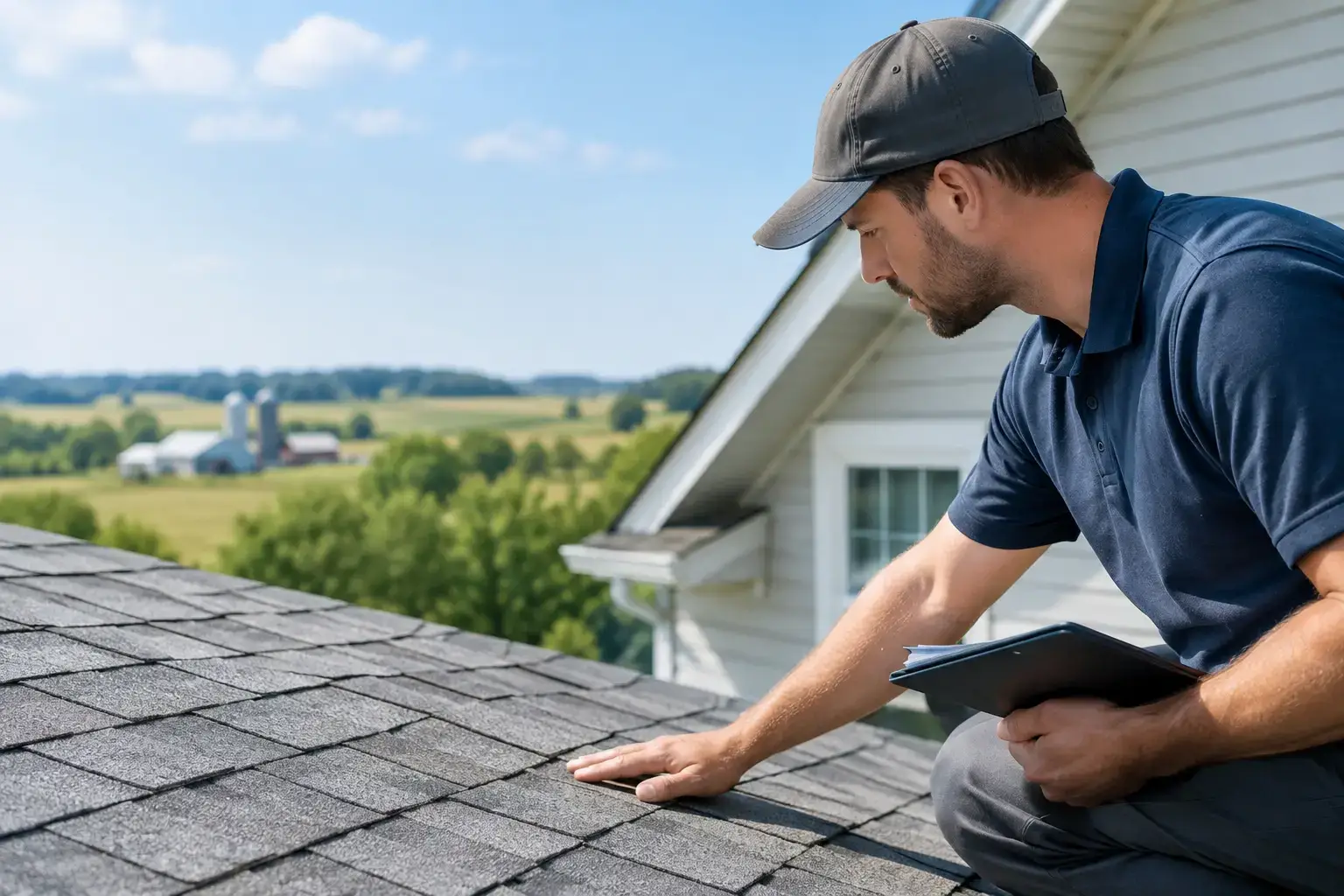
A visual inspection in spring and fall is a practical starting point. Spring checks identify concerns left by winter snow, ice, and freeze-thaw cycles. Fall checks prepare the roof and gutter system for leaf drop and winter moisture.
Start from the ground with binoculars if needed. Look for branches resting on the roof, debris gathered in valleys, loose-looking trim, and gutters that are sagging or overflowing. Pay attention to chimney flashing, skylights, plumbing vents, and areas where roof planes meet. These locations manage a high volume of water and are especially important to keep clear.
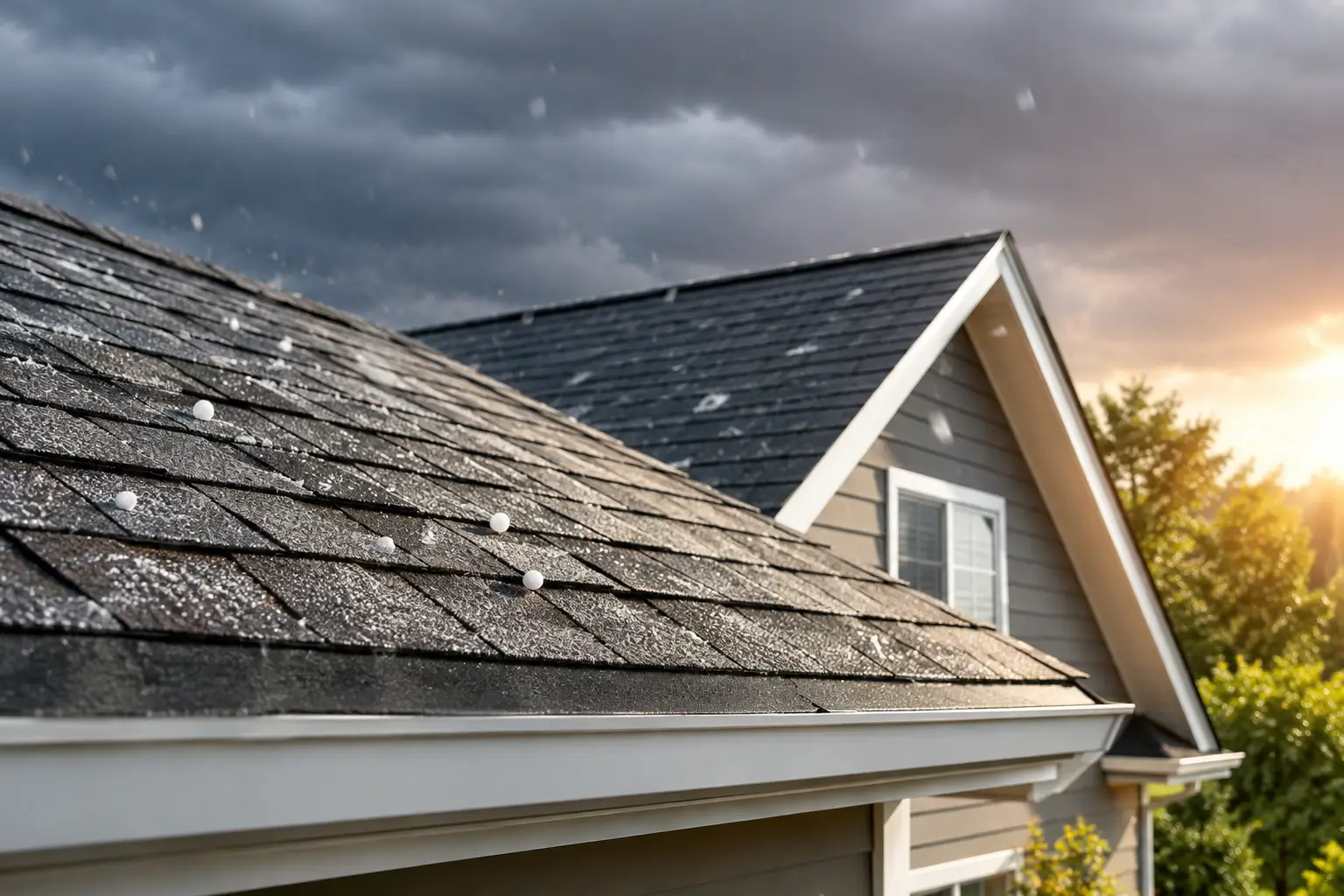
After a major hailstorm or high-wind event, add another inspection. Do not assume that a roof is fine simply because there is no active leak. Damage can be subtle, and a trained professional can assess steel shingles, coatings, flashing, and related components without creating unnecessary risk by walking in the wrong areas.
Keep Gutters and Roof Valleys Clear
Water should have a clean path off the roof, through the gutters, and away from the foundation. Clogged gutters can cause water to back up along the roof edge, contribute to ice dams in winter, and put extra weight on the gutter system. This is true for every roof type, including steel.
Clean gutters at least twice a year, and more often if your property is surrounded by deciduous trees. Remove leaves, seed pods, twigs, and roof granules from nearby asphalt sections if your home has a mixed roof design. Confirm that downspouts direct water away from the home and that extensions have not shifted.
Roof valleys deserve similar attention. Leaves and small branches can trap moisture against the roof surface and slow drainage during a hard rain. From the ground, use a leaf blower only if it can be done safely and without climbing onto the roof. For debris that is compacted, wet, or difficult to reach, professional service is the safer choice.
Clean Carefully Without Damaging the Finish
Most steel roofs do not need frequent washing. Rain often handles ordinary dust and pollen. However, homes beneath trees or near construction activity may develop a buildup of dirt, organic material, or staining that affects appearance.
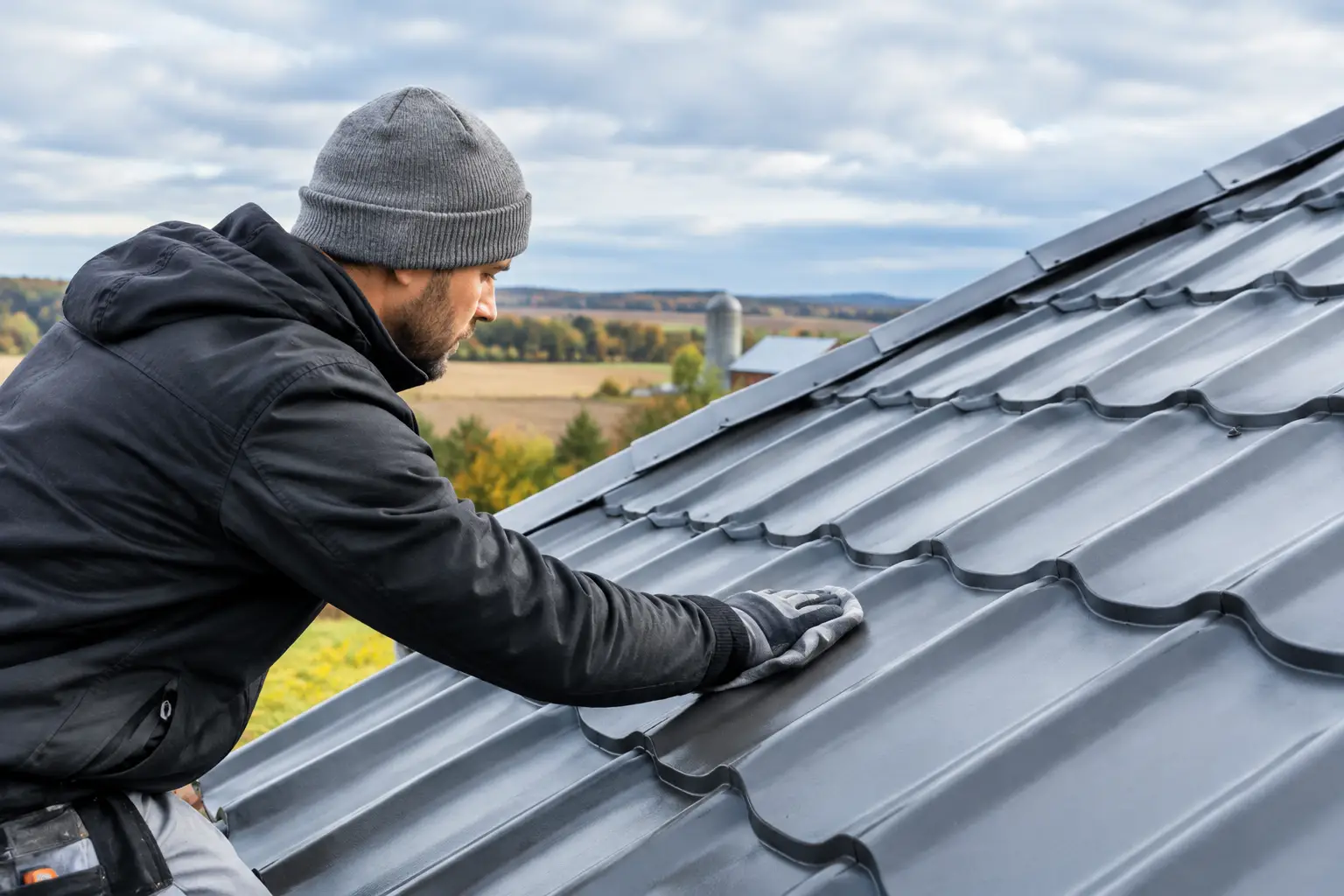
When cleaning is appropriate, use a low-pressure garden hose and clean water to rinse loose debris. A soft brush and a mild, manufacturer-approved cleaner may be suitable for more persistent grime, but the product instructions for your specific roof matter. Stone-coated steel, painted steel, and other metal finishes can have different care recommendations.
Avoid abrasive pads, harsh solvents, strong acids, and wire brushes. These can scratch or compromise the protective finish. High-pressure washing is also a poor choice unless the roofing manufacturer and a qualified contractor specifically approve the method. Excessive pressure can force water beneath roofing components or damage finishes, seals, and flashings.
If you notice moss, algae, or lichen, do not scrape it aggressively. The right treatment depends on the roofing system and the extent of the growth. A roofing professional can recommend a cleaning approach that addresses the issue without shortening the life of the roof’s protective coating.
Trim Trees Before They Become a Roof Problem
Overhanging limbs create more than a leaf-cleanup chore. In strong Iowa winds, branches can rub against steel shingles, scratch finishes, or break and strike the roof. They also keep portions of the roof shaded and damp, which may encourage organic growth.
Trim branches so they do not touch or hang directly over the roof. The ideal clearance depends on the tree type and the layout of the home, but the objective is straightforward: reduce contact, limit debris, and protect the roof during storms. Large or high branches should be handled by a properly equipped tree professional.
This step also helps keep gutters clearer and makes visual roof inspections easier. It is a small part of exterior maintenance that can prevent a surprising number of avoidable concerns.
Be Smart About Snow and Ice
Steel roofing sheds snow efficiently, which is one of its advantages in a Midwest climate. That same quality means snow can release in large sheets when temperatures change. Keep walkways, entry doors, and outdoor equipment clear of potential snow-slide areas when conditions call for it.
Do not chop ice from the roof with a shovel, axe, or metal tool. Trying to break up ice can damage the roof finish, flashing, gutters, or underlying components. If ice dams recur, the underlying issue may involve attic insulation, ventilation, air leakage, or gutter drainage rather than the steel shingles themselves.
A roofing professional can evaluate the full system and help identify the cause. Addressing the source is more effective than repeatedly treating the visible ice after it forms.
Watch for Changes Around Flashing and Penetrations
A steel roof can remain in excellent condition while another component needs service. Flashing around chimneys, vents, skylights, and sidewalls is designed to direct water away from vulnerable openings. Sealants and pipe boots may age differently than the steel roofing itself, particularly after years of sun exposure and seasonal expansion and contraction.
From the ground, watch for lifted edges, cracked-looking seals, rust-colored staining, or water marks on ceilings and attic framing. Inside the attic, check occasionally for damp insulation, a musty smell, or daylight where it should not be visible. These signs do not always mean the roofing panels have failed, but they do warrant a timely evaluation.
Do not apply caulk as a universal repair. A surface patch can hide an issue temporarily while trapping moisture or interfering with proper drainage. The right repair depends on the component, roof profile, and installation method.
Leave Repairs and Roof Access to Professionals
Steel roofs can be slippery, especially when wet, frosty, dusty, or covered with pollen. Walking in the wrong place can also dent a panel, disturb a component, or void a manufacturer requirement. For homeowners, a ground-level inspection is usually the right level of involvement.
Contact a qualified contractor when you see loose trim, storm debris, staining, an active leak, or a change in how water drains from the roof. A professional assessment should consider the entire exterior system, including gutters, ventilation, siding transitions, and flashing. This is especially valuable after a storm, when a small issue can be difficult to spot from the ground.
Guardian Roofing helps homeowners make practical, long-term decisions about roof care and replacement. Whether your steel roof needs a focused inspection or you are considering a new stone-coated steel system, experienced guidance can help protect both the appearance and performance of your home.
A well-maintained steel roof should give you confidence through every season. Keep debris moving, avoid harsh cleaning methods, respond quickly to visible changes, and let qualified professionals handle the work that belongs above the ladder line.