A fallen branch, a stuck gutter, or a satellite service call can make a homeowner look up and wonder: can you walk on a stone coated steel roof without damaging it? The short answer is sometimes, but it is not a roof that should be used as a routine walking surface. The profile of the panels, the roof pitch, the installation method, and the reason for access all matter.
Stone-coated steel is engineered for long-term weather protection, including the wind, snow, rain, and temperature swings common in central Iowa. That strength does not mean every part of the roof is equally safe to step on. Careful access by a trained professional may be appropriate. Unnecessary foot traffic, especially by someone unfamiliar with the system, can create avoidable risks for both the roof and the person on it.
Can You Walk on a Stone-Coated Steel Roof?
A properly installed stone-coated steel roof can often support the weight of a person when that person walks in the correct locations and follows the panel manufacturer’s guidance. Steel is a durable substrate, and premium stone-coated systems are designed to perform for decades. Still, “can support weight” is different from “safe to walk anywhere.”
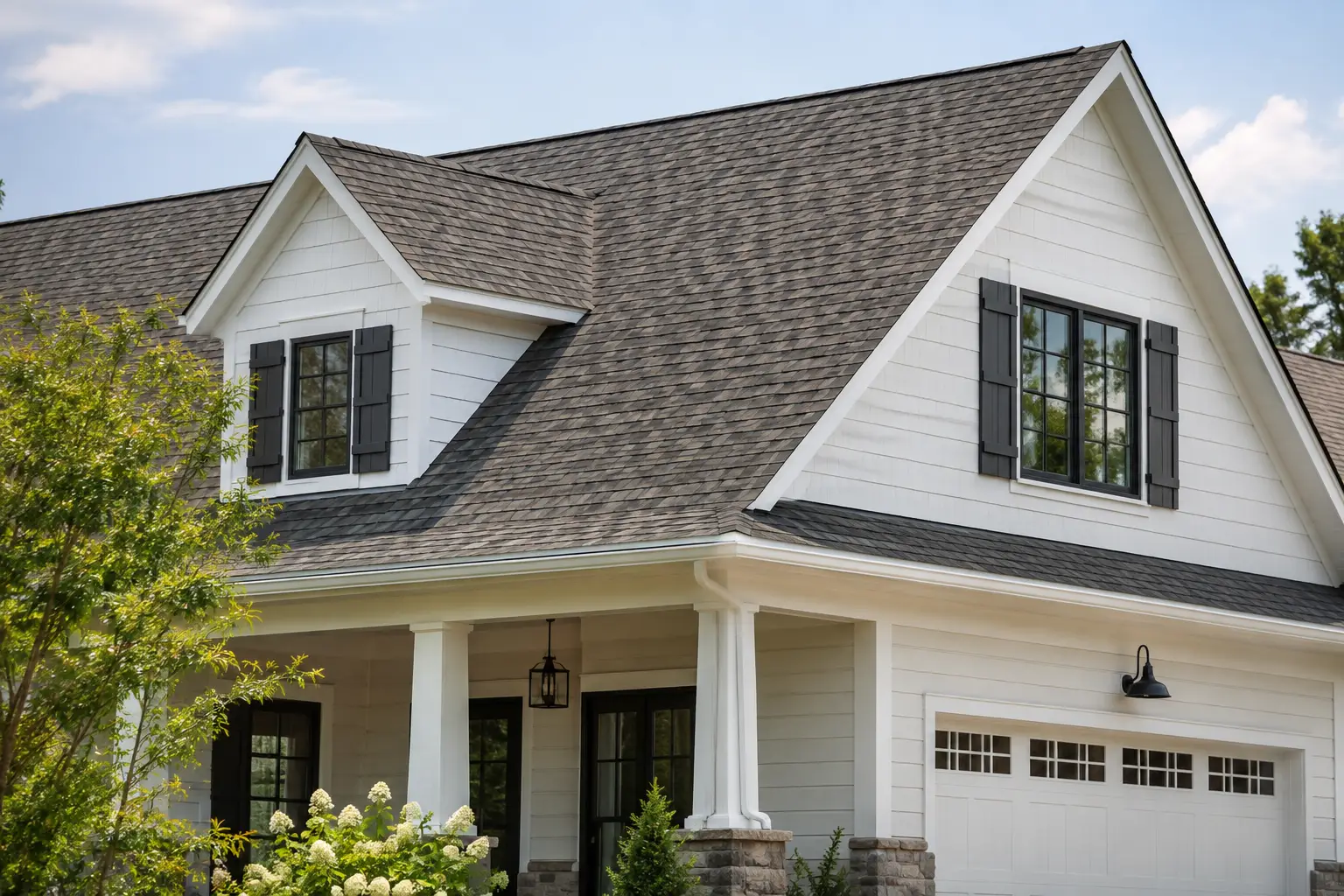
The stone coating gives these roofs their distinctive architectural appearance and helps protect the steel beneath. Depending on the profile, the panels may resemble shake, barrel tile, slate, or traditional shingles. Those contours affect where pressure is distributed. Stepping on a raised edge, an unsupported section, or a panel overlap can dent metal, loosen a fastener, disturb a seal, or damage the textured surface.
A roof’s structure also plays a role. Panels installed over battens have different supported areas than panels installed directly over a solid roof deck. Even two roofs using the same material can require different walking practices based on their slope, framing, and installation details.
For homeowners, the practical answer is clear: avoid getting on the roof unless there is a genuine need and the work cannot be completed safely from the ground, a ladder, or an approved access point.
Why Foot Traffic Can Cause Problems
Stone-coated steel roofing is known for impact resistance and longevity, but it is not invulnerable. Concentrated pressure in the wrong spot can leave a small dent that may not be obvious from the yard. It can also affect the way panels interlock or how water sheds across the roof.
The greatest concern is often safety rather than the roofing material itself. Steel roofing can become slick with rain, morning dew, frost, snow, leaves, or algae. Iowa weather changes quickly, and a roof that looked dry from the driveway can be hazardous once you are above the eave. A steep pitch, high wind, or soft ground around the home raises the risk further.
Footwear matters, too. Hard soles, sharp debris caught in a tread, and tools dragged across a panel can scuff the coating. A professional roofing crew uses clean, soft-soled footwear and understands how to move across a specific profile without putting weight where it does not belong.
When Roof Access May Be Necessary
There are occasions when someone may need to access a stone-coated steel roof. A professional may inspect the roof after a severe windstorm, remove debris that is blocking a valley, assess flashing around a chimney, or service a component mounted near the roofline.
That does not automatically mean the work should happen directly on the panels. Many gutter tasks can be handled from a properly positioned ladder. Some inspections can begin with ground-level observations, photographs, attic checks, and drone imagery. When a close-up assessment is required, a qualified roofing professional can determine the safest access route and whether protective equipment or roof jacks are appropriate.
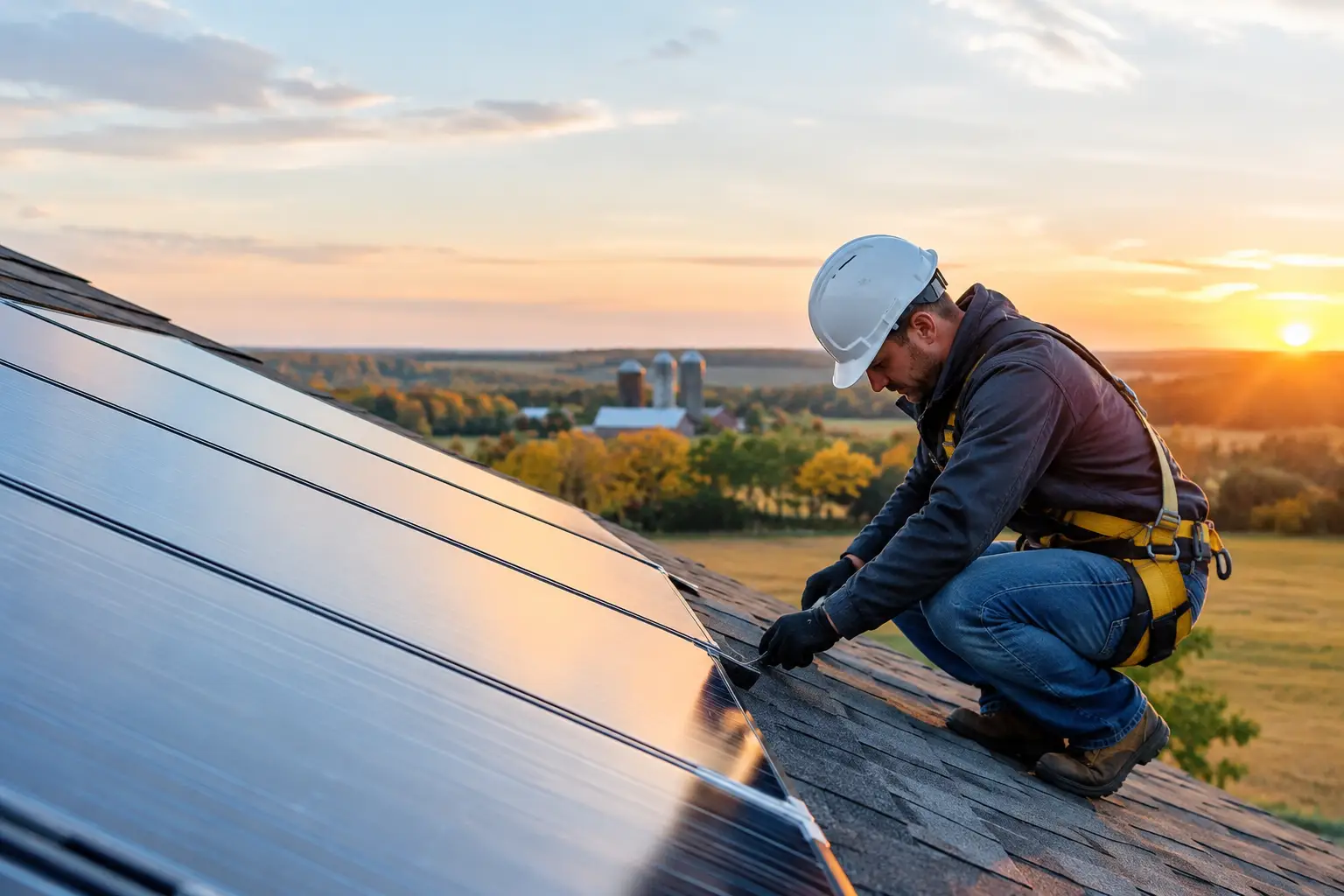
If you are arranging work with a satellite, solar, HVAC, chimney, or pest-control contractor, ask whether their team has experience working around stone-coated steel systems. A contractor who treats every roof like asphalt shingles may not understand the panel layout or the proper places to step. It is reasonable to request that they coordinate with a roofing professional before walking on the roof.
What About Cleaning the Roof?
Homeowners sometimes consider walking the roof to remove leaves, moss, or stains. In most cases, that is not the best approach. Loose leaves can often be removed with low-pressure methods from a safe position, while persistent staining should be evaluated before any cleaning products or pressure equipment are used.
High-pressure washing can damage protective coatings, dislodge granules, and force water into areas where it does not belong. Aggressive brushing can have similar consequences. If the roof needs attention, use a contractor familiar with the manufacturer’s care recommendations for your specific stone-coated steel product.
How Professionals Reduce the Risk
An experienced roofer does not simply climb up and start walking. The work begins with evaluating the roof from the ground. The contractor considers the pitch, panel profile, weather conditions, roof age, access points, and the location of the work.
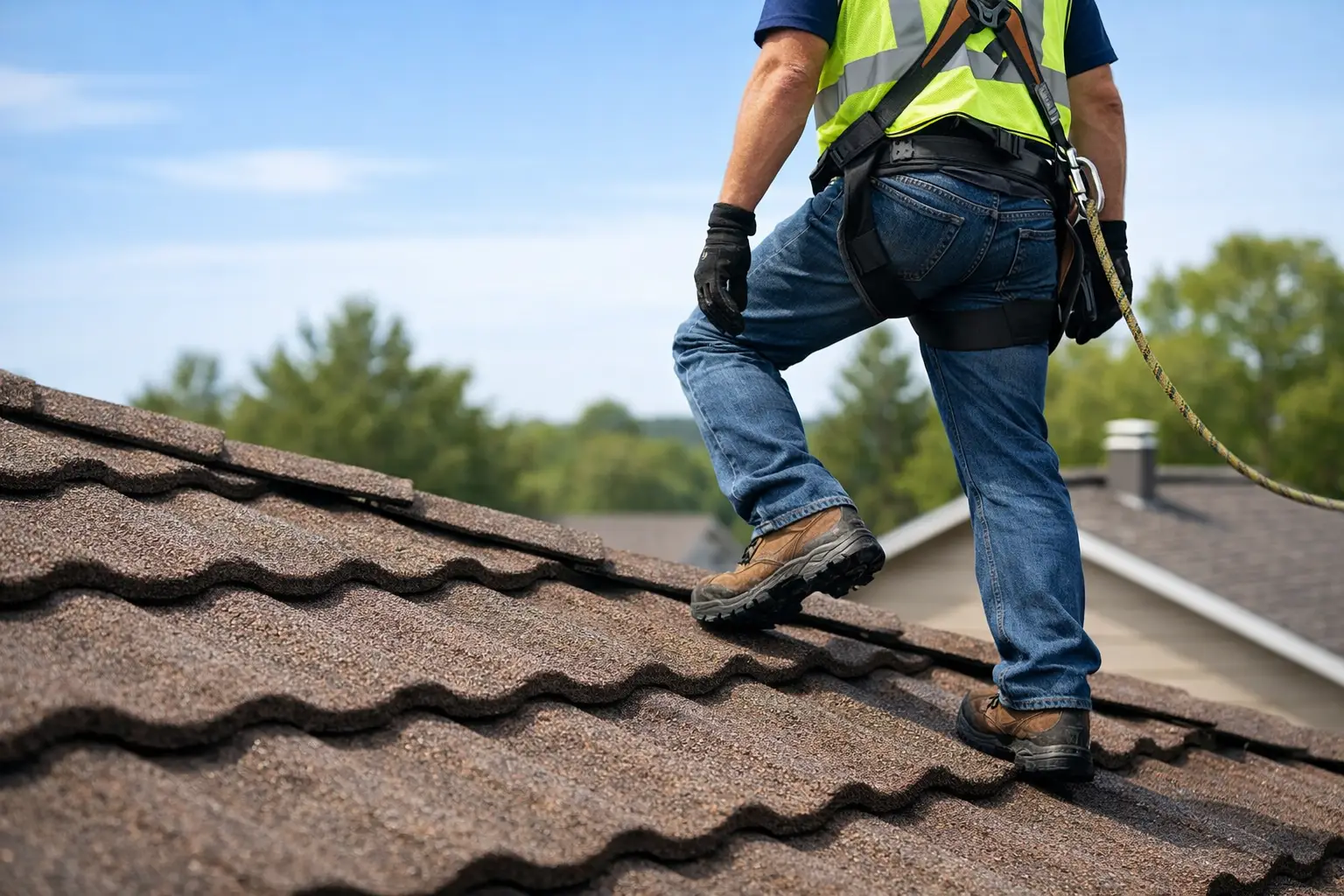
When access is appropriate, professionals identify supported walking paths based on the roof system and installation instructions. They use fall-protection equipment when needed, take care around valleys and penetrations, and avoid unnecessary movement across the surface. They also protect landscaping and gutters while setting ladders and equipment.
This approach matters after a storm. It is tempting to climb up immediately to look for damage, especially when a branch has landed on the roof or wind has scattered debris around the yard. But a visual check from the ground is safer as a first step. Look for displaced trim, visible branches, unusual panel alignment, or debris in gutters. Then arrange a professional inspection if you see a concern or suspect hail or wind damage.
Signs You Should Call a Roofer Instead
There is no benefit in taking a personal risk to confirm a problem that a professional can assess safely. Schedule an inspection rather than climbing onto the roof if you notice water stains on a ceiling, loose material around a vent or chimney, a branch resting on the roof, visible panel damage, or a change in the way water drains from the roofline.
The same applies if you need to install holiday lights, inspect a skylight, retrieve a ball, or check a suspected leak. These may sound like minor tasks, but they can lead to a serious fall or unintended roof damage. A premium roof deserves careful treatment, particularly when it is protecting the home, belongings, and family beneath it.
Protecting the Value of Your Steel Roof
Stone-coated steel offers a compelling balance of durability and curb appeal. Its long service life can make it a strong choice for homeowners who want lasting protection without giving up architectural style. Preserving that value comes down to proper installation, routine visual checks, clear gutters, and professional service when an issue needs closer attention.
Keep records of your roof’s manufacturer information, installation paperwork, and warranty details. If another contractor needs roof access, share that information before work begins. It helps them understand what system is in place and gives them a reason to follow the correct procedures instead of relying on assumptions.
At Guardian Roofing, we believe long-term protection starts with respecting every part of the roofing system, from the visible panels to the underlayment, flashing, ventilation, and drainage around them. If you are unsure whether a roof issue requires on-roof access, a professional evaluation can replace guesswork with a clear, practical recommendation.
Your roof does not need frequent footsteps to prove its strength. It needs thoughtful care, safe access when necessary, and the right hands protecting the investment above your home.