A hailstorm can turn a roof replacement from a long-range plan into an urgent decision overnight. For Iowa homeowners, the future of impact resistant shingles is not about chasing a trend. It is about choosing a roofing system designed for the weather patterns that repeatedly test homes across Des Moines: hail, high winds, heavy rain, snow, and rapid temperature swings.
Impact-resistant asphalt shingles have already earned a place in many Midwest roof replacements. What is changing is the level of performance, design flexibility, and information available to homeowners. The best choice will still depend on your roof’s condition, your budget, your preferred look, and the kind of long-term protection you expect from your investment.
Why impact resistance will matter more
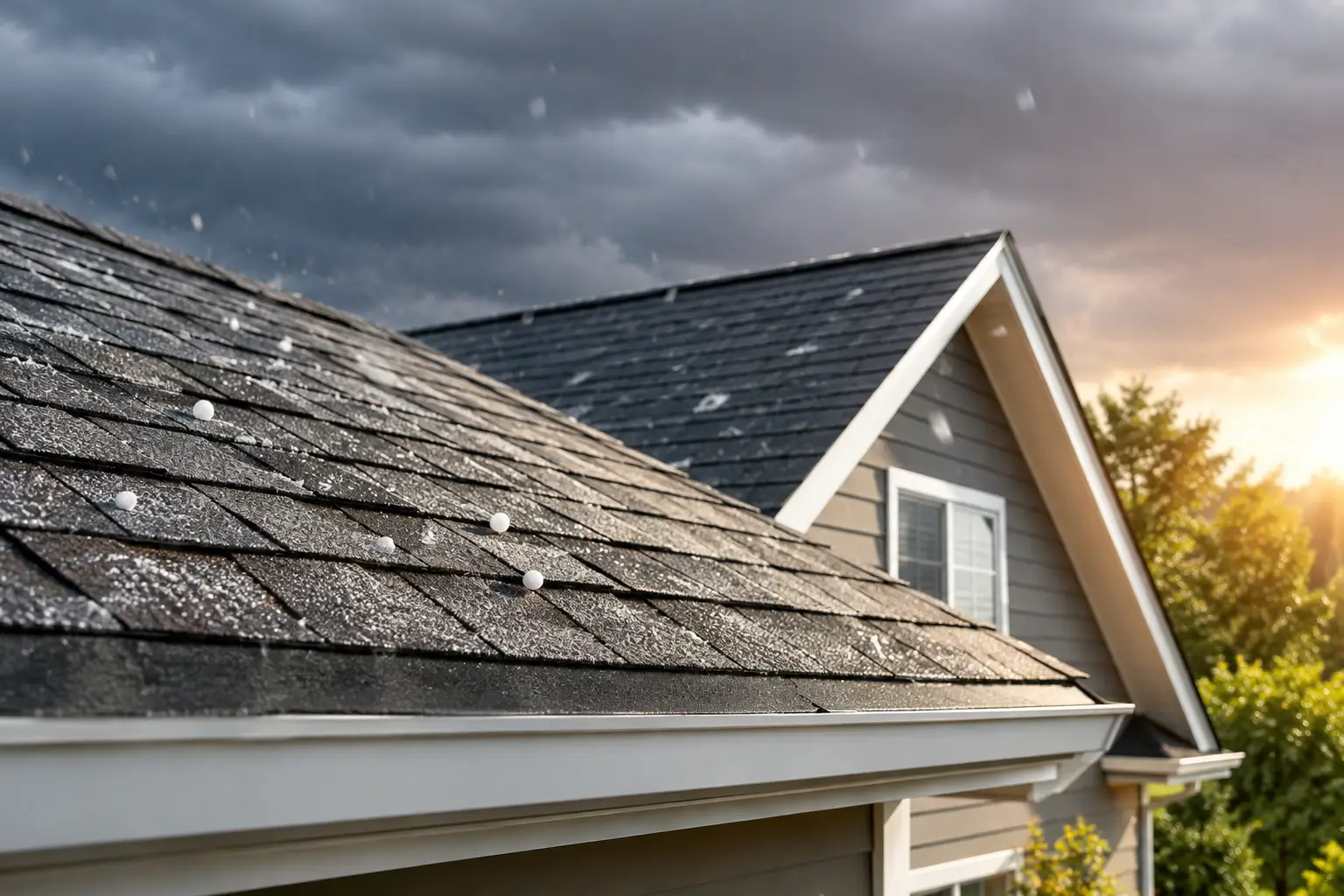
Iowa roofs face more than ordinary rainfall. Hail can bruise shingles, loosen protective granules, crack matting, and shorten the useful life of a roof even when damage is not obvious from the ground. Wind can lift edges and expose vulnerable areas around ridges, valleys, vents, and flashing. Then winter moisture and freeze-thaw cycles can compound small weaknesses.
Traditional asphalt shingles remain a practical option for many homes, especially when installed as part of a complete roofing system. But homeowners increasingly want materials that can better withstand the events most likely to lead to repairs, leaks, and insurance claims. That demand is pushing manufacturers to improve the construction of impact-resistant products without sacrificing color choices or architectural style.
The result is a more practical definition of premium roofing. It is no longer only about a dimensional appearance. It is about how well the roof protects the home after a severe storm and how confidently a homeowner can plan for the years ahead.
How future impact resistant shingles may evolve
Most impact-resistant asphalt shingles use a reinforced construction, often with modified asphalt and a more resilient mat, to help absorb the force of hail. Many products are evaluated under standardized impact tests and may carry a Class 4 rating, the highest commonly referenced rating for impact resistance.
That rating is valuable, but it should be understood correctly. A Class 4 shingle is designed to resist damage from a specified test, not to guarantee that no hailstorm will ever damage the roof. Hail varies widely in size, density, wind speed, and angle of impact. Proper installation and the condition of the roof deck also affect real-world performance.
Looking ahead, homeowners can expect innovation in several important areas.
More durable asphalt formulations
Manufacturers continue to refine polymer-modified asphalt blends. These materials are intended to remain more flexible during cold weather and more stable through summer heat. Greater flexibility can help a shingle absorb impact rather than crack, while improved heat resistance can support longer-term performance.
For Des Moines homeowners, that balance matters. A roof may experience below-freezing temperatures, spring storms, humid summer heat, and strong winds within the same year. Materials that handle changing conditions without becoming brittle offer a meaningful advantage.
Better granule retention and surface protection
The ceramic-coated granules on an asphalt shingle do more than provide color. They protect the asphalt layer from ultraviolet exposure and contribute to the roof’s weathering performance. Future impact-resistant shingles are likely to feature improved granule adhesion and more consistent surface coverage.
This can help a roof retain its appearance longer while preserving the layer that protects it from sunlight. It does not eliminate aging, but it may slow the cosmetic wear that makes a roof look tired before its time.
Stronger system-level performance
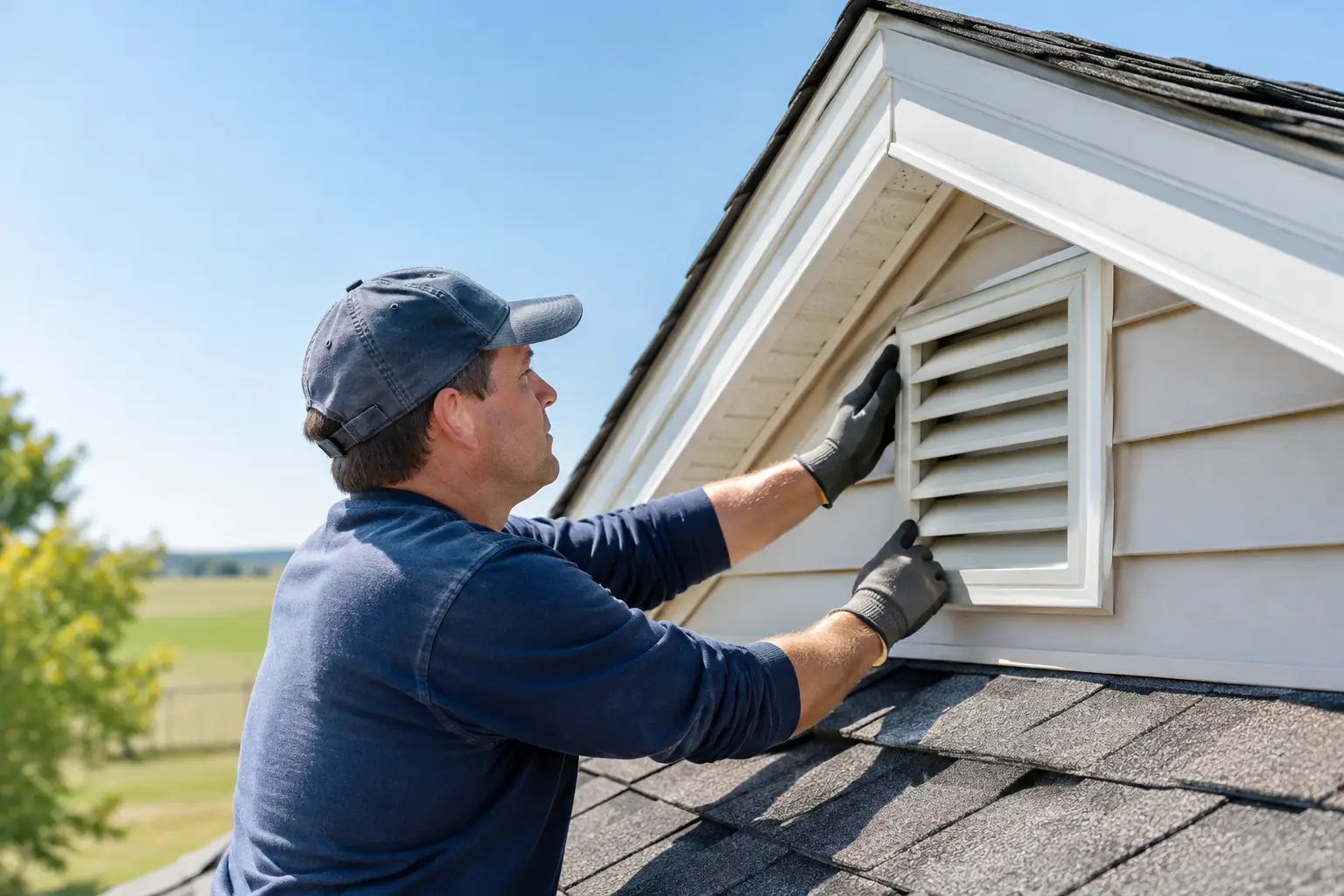
A roof is not simply a field of shingles. It is a system that includes underlayment, ice and water protection, flashing, ventilation, starter materials, ridge components, fasteners, and workmanship. The future of impact-resistant roofing will place even more emphasis on how those components work together.
A premium shingle cannot compensate for poor flashing around a chimney or inadequate ventilation in an attic. Likewise, a well-installed roof can improve the performance homeowners get from their chosen shingles. The right contractor should explain the full system, not just hand over a color sample.
More design options for resilient roofs
Early perceptions of impact-resistant shingles sometimes centered on limited colors or a purely utilitarian appearance. That is changing. Homeowners can increasingly find dimensional profiles, blended colors, and architectural styles that complement traditional, craftsman, ranch, and contemporary homes.
Curb appeal remains part of the decision. A durable roof should also look right with the home’s siding, trim, gutters, and windows. As product lines expand, homeowners will have fewer reasons to choose between a roof that looks exceptional and one built for severe weather.
What a Class 4 rating can and cannot tell you
A Class 4 rating is often a helpful starting point when comparing shingles, particularly in a hail-prone region. It signals that the product has performed well in a recognized impact test. It may also be relevant when discussing potential insurance discounts with your carrier.
However, no homeowner should treat the rating as the only deciding factor. Insurance discounts vary by provider, policy, location, documentation requirements, and the specific roofing product installed. A discount today is not guaranteed for the life of the roof, so it should be viewed as a possible benefit rather than the sole reason to upgrade.
It is also wise to compare warranty terms, wind ratings, installation requirements, and the contractor’s workmanship standards. A roof is a long-term investment, and the strongest decision is usually based on the complete package rather than one label on a shingle bundle.
When impact-resistant shingles are the right fit
For homeowners replacing an aging asphalt roof, impact-resistant shingles can be a sensible upgrade when the property has a history of hail exposure or when peace of mind is a high priority. They can be especially appealing for owners who expect to remain in the home for many years and want to reduce the risk of storm-related disruption.
The trade-off is upfront cost. Impact-resistant shingles generally cost more than standard architectural shingles, and the price can vary based on roof complexity, tear-off needs, decking repairs, ventilation improvements, and material selection. The question is not whether every home needs the highest-rated shingle available. The question is whether the additional resilience aligns with your property, budget, and long-term plans.
For some households, a quality dual-layer asphalt shingle provides the right balance of protection, appearance, and value. For others, particularly those seeking a longer-lasting material with exceptional storm performance, stone-coated steel roofing may deserve consideration. Steel systems offer a different level of durability and can be selected in profiles that suit a range of home styles. They also carry a different investment level and installation approach.
Choosing protection beyond the shingle
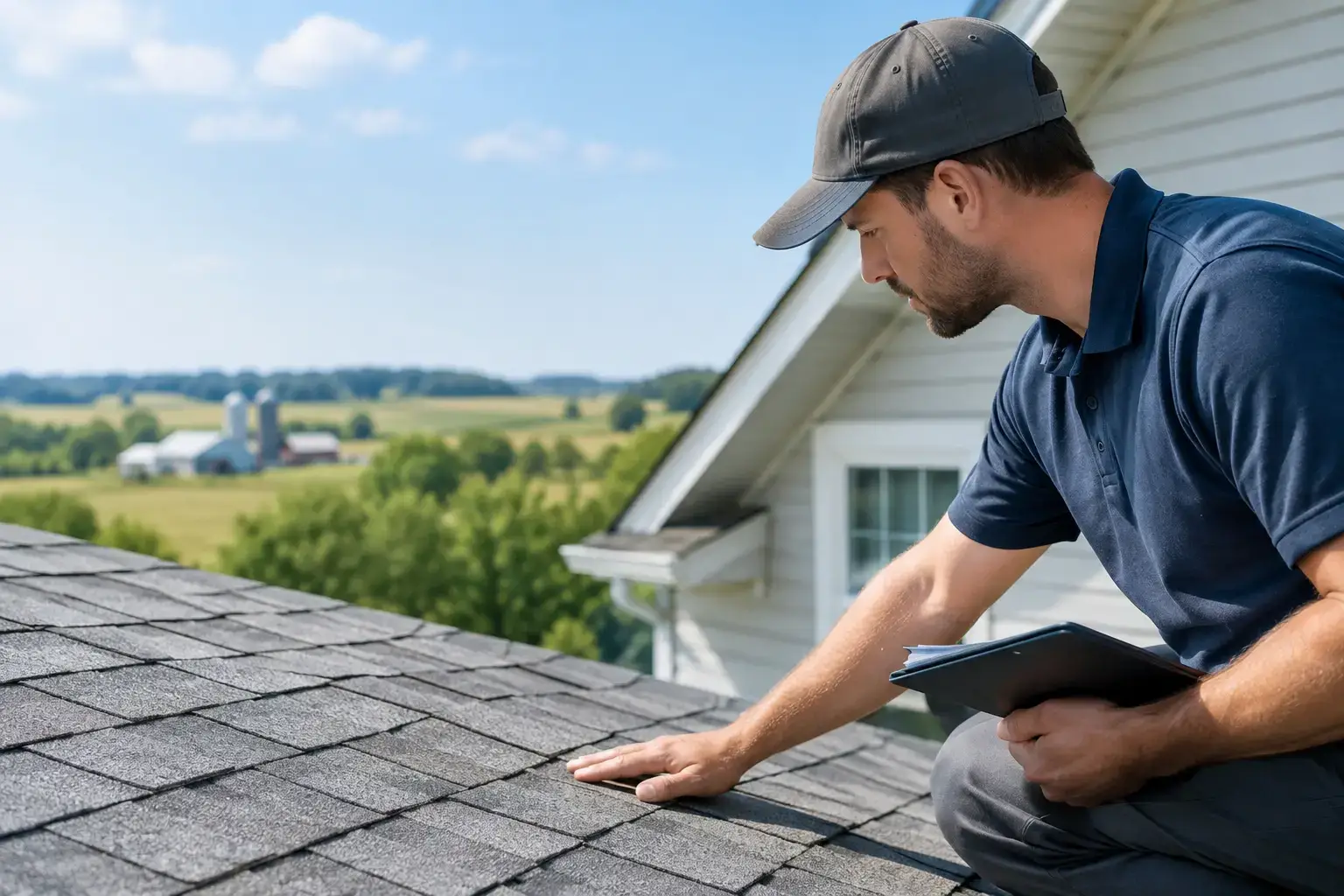
Before selecting any roofing material, start with a thorough assessment of the existing roof. Look beyond visible missing shingles. A professional evaluation should consider soft spots in the decking, ventilation, flashing details, attic moisture, gutter performance, and any signs of prior hail or wind damage.
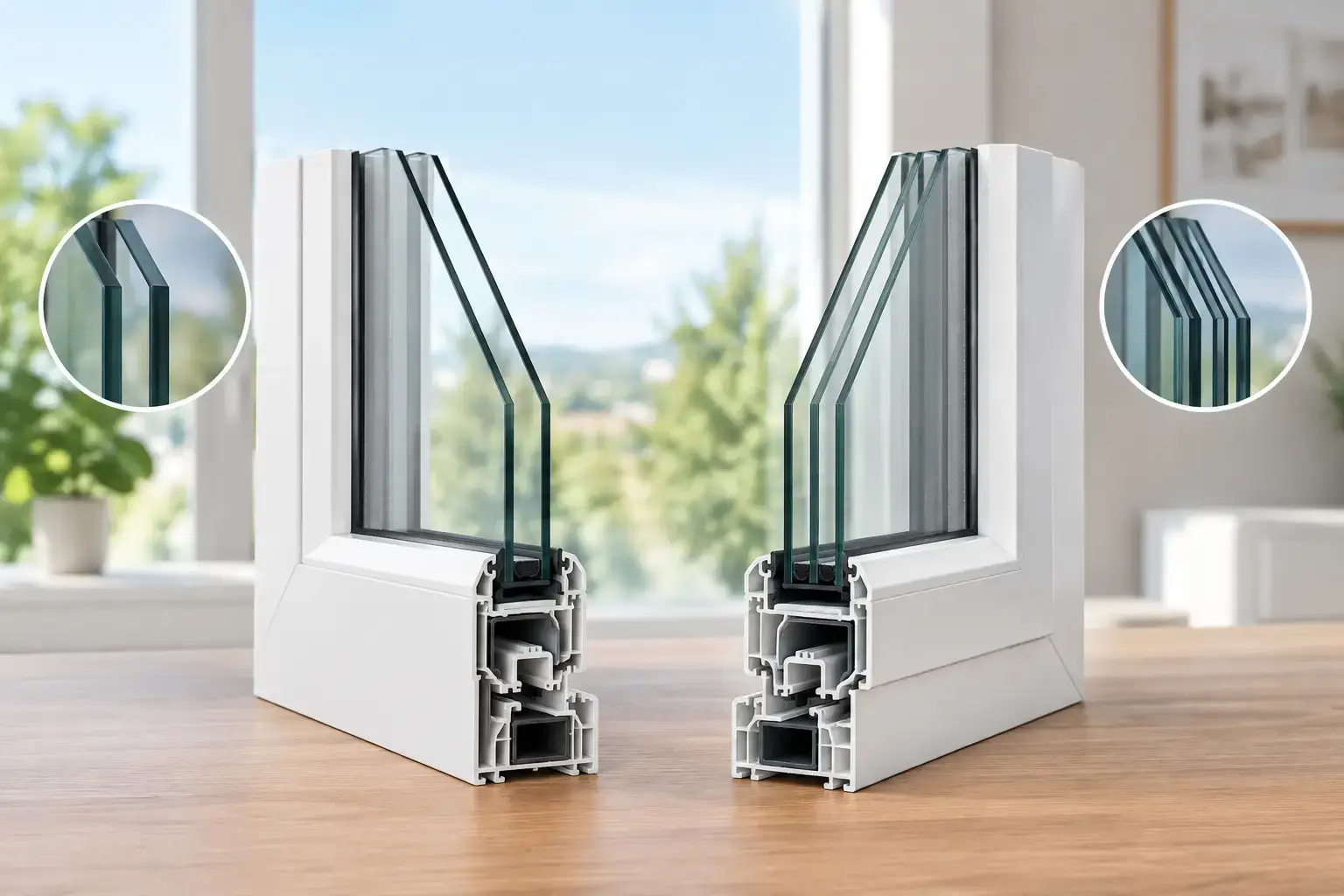
It is also helpful to think about the rest of the exterior. A new roof may reveal aging gutters, worn siding, or windows that no longer seal efficiently. Coordinating exterior improvements can create a more consistent look and help protect the home from water where it is most likely to enter.
At Guardian Roofing, the goal is to match homeowners with a roof system that makes sense for their home, not simply recommend the most expensive option. Clear material comparisons, skilled installation, and a detailed quote give homeowners a stronger foundation for making this decision.
A roof should give you confidence when the forecast turns severe. As impact-resistant shingles continue to improve, the most valuable step is still a personal one: choose materials and workmanship that fit your home’s exposure, your expectations, and the years you plan to protect it.