A roof sample can look nearly black on a showroom wall and read as soft charcoal in the Iowa sun. A siding color that feels crisp in the morning can look cool and gray on a cloudy winter afternoon. That is why home exterior color trends are more than a matter of choosing the latest popular shade. For Des Moines homeowners, the right palette needs to complement the home, work with permanent exterior features, and continue looking good through snow, rain, wind, and changing light.
The strongest current direction is not about chasing bold colors for their own sake. It is about creating a cohesive exterior with warmth, contrast, and materials that look intentional from the curb. Your roof, siding, windows, trim, gutters, and front door should support one another while providing the long-term protection your home needs.
Home Exterior Color Trends Favor Lasting Contrast
The all-gray exterior has lost some of its appeal. Gray remains a practical roofing and siding choice, especially in deeper charcoal tones, but homeowners are moving toward colors with more warmth and depth. Think greige, mushroom, taupe, weathered brown, soft clay, and off-white rather than stark white.
These shades work well in Iowa because they are versatile across seasons. A warm neutral can feel bright against a snowy yard without looking harsh. In summer, it pairs naturally with mature trees, landscaping, stone, brick, and wood accents. It also gives homeowners more freedom when choosing a roof color, whether they prefer dimensional asphalt shingles or a stone-coated steel roofing profile.
Contrast is still central to current exterior design, but the most enduring combinations are controlled rather than dramatic. Light siding with a dark roof remains a dependable choice. So does a medium-toned siding color with creamy trim and a deep charcoal, brown, or black roof. The goal is definition: a home should have visual structure without making every architectural detail compete for attention.
Warm Whites and Soft Neutrals
Warm white siding is a leading choice for homeowners who want a clean, classic exterior. The key word is warm. Bright, blue-based whites can feel stark under a wide Iowa sky, while whites with beige, ivory, or subtle gray undertones tend to look more welcoming.
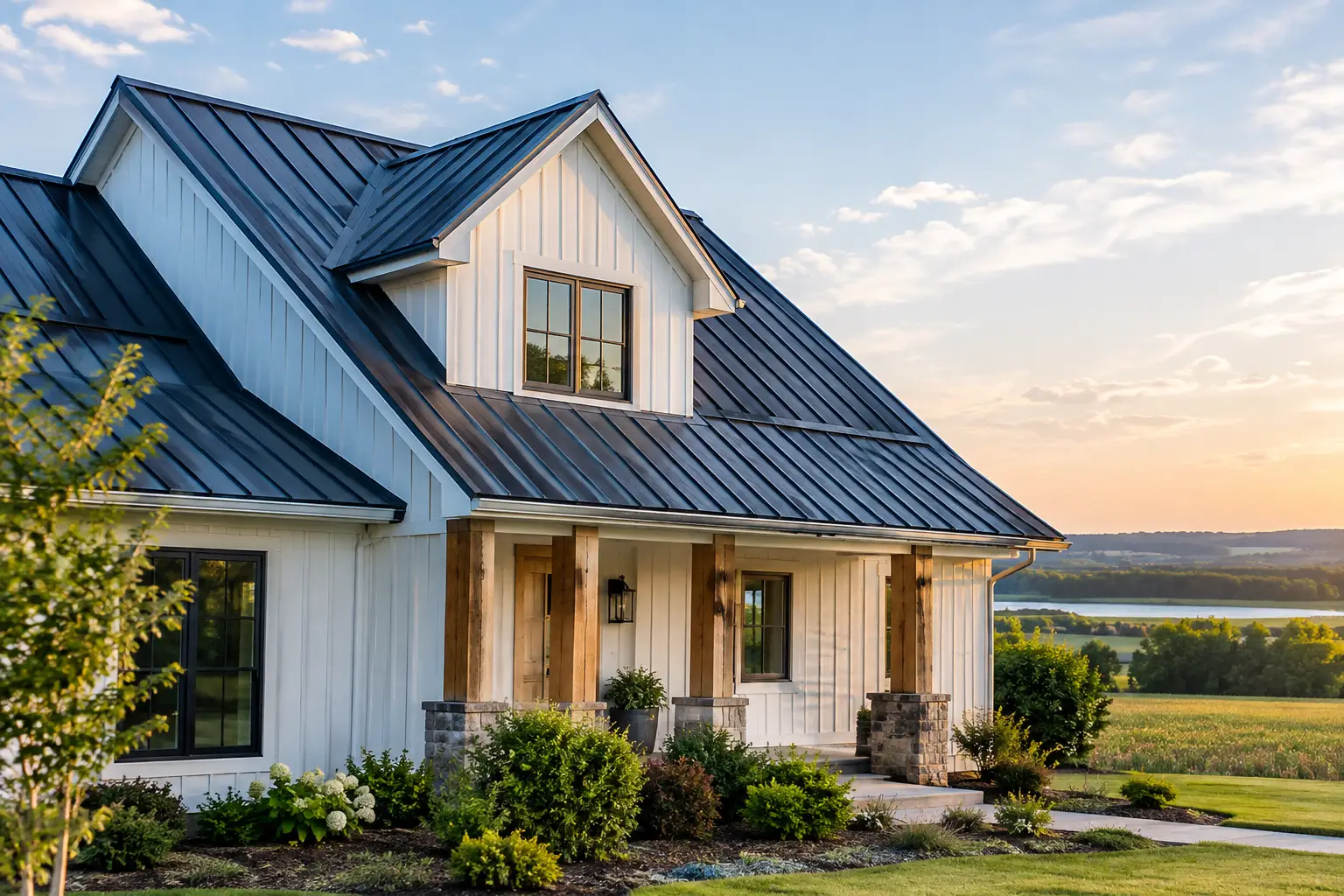
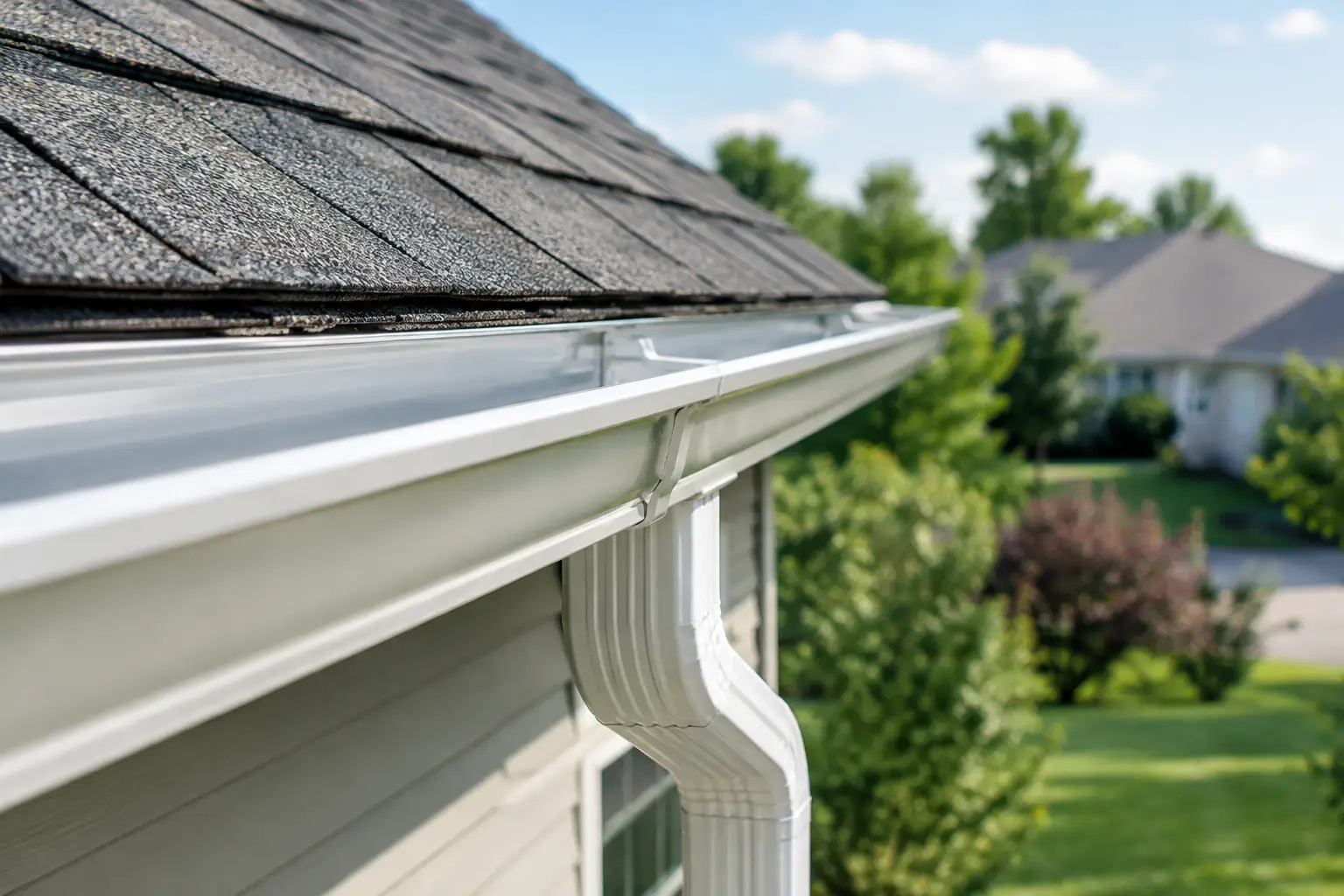
Pair warm white siding with charcoal roofing for a refined, high-contrast result. A dark bronze gutter system or black window frames can reinforce that look. For a lower-contrast approach, a weathered wood or medium brown roof brings softness and traditional character.
Soft neutrals offer an especially safe path for homeowners planning to stay in their house for many years. Greige and taupe siding are less trend-sensitive than a highly specific color, yet they have more personality than flat beige. They coordinate easily with natural stone, brick foundations, and the earthy landscaping common throughout central Iowa.
Deep Roof Colors With Dimension
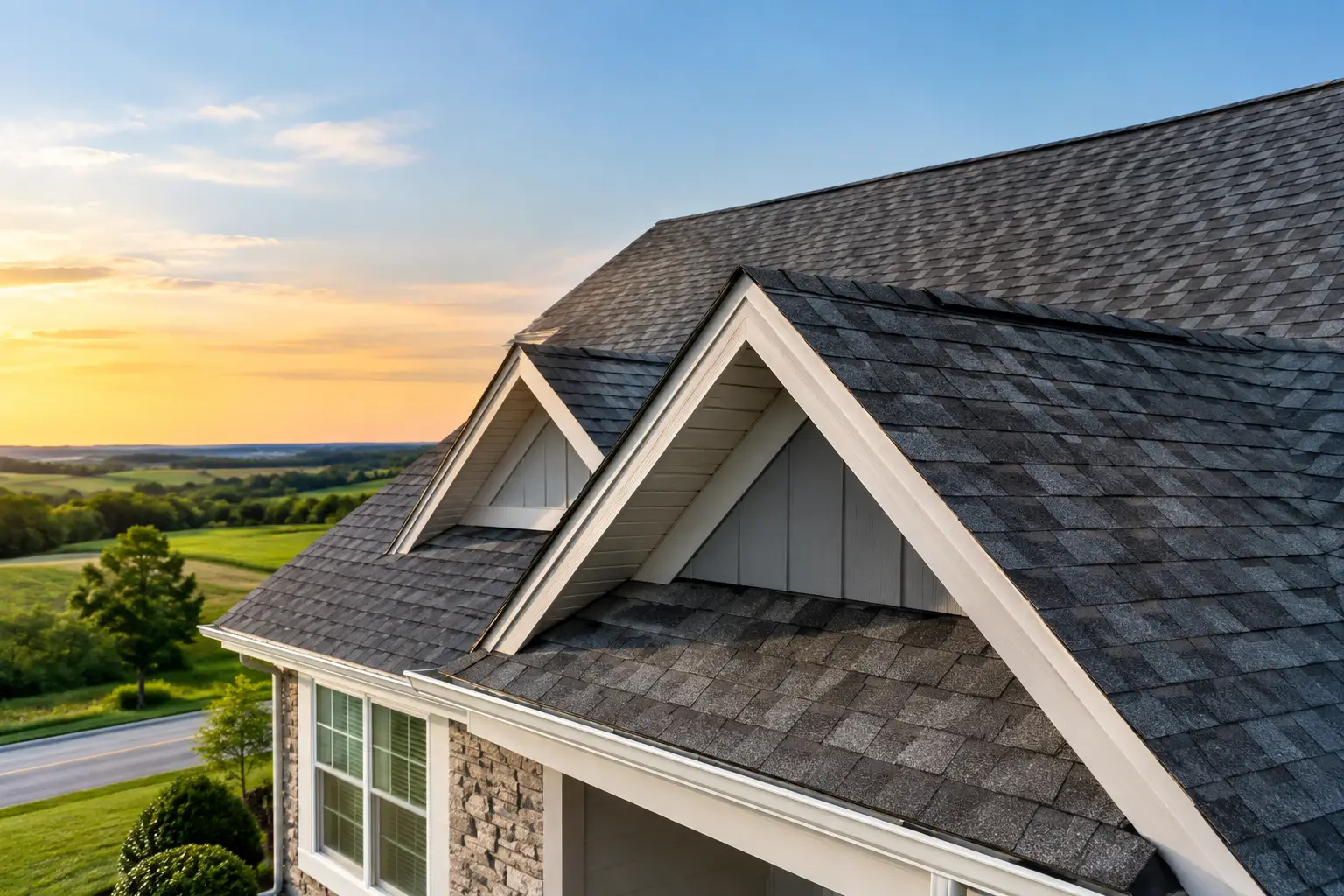
Dark roofing continues to anchor many successful exterior palettes. Charcoal, deep brown, and near-black roofs bring visual weight to the top of the home and help lighter siding appear more finished. However, a roof should not look like a single flat block of color.
Dimensional shingles with blended tones can add texture and depth, helping the roof suit both traditional and newer homes. Stone-coated steel roofing offers another way to create a distinctive appearance, with architectural profiles that can resemble shingles, shake, tile, or other classic roof styles while delivering the strength of steel.
Black can be a striking roofing choice, but it depends on the full exterior. On a home with black windows, dark gutters, and strong trim lines, it can look crisp and current. On a home with warm brick or tan stone, a charcoal or dark brown roof may create a more natural transition. The best roof color is rarely selected in isolation.
Nature-Inspired Colors Are Gaining Ground
Homeowners are also bringing more natural color into their exteriors. Deep green, muted blue-gray, earthy brown, and clay-inspired accents are appearing more often, particularly on homes with craftsman, farmhouse, colonial, or contemporary influences.
Deep green is a notable choice for accent siding, shutters, a front door, or even full siding on the right home. It feels connected to the landscape without being overly bright. A muted green exterior often pairs well with charcoal roofing, bronze gutters, and creamy trim. Stronger green shades can be beautiful, but they require careful consideration of the home’s architecture, nearby homes, and fixed materials such as brick.
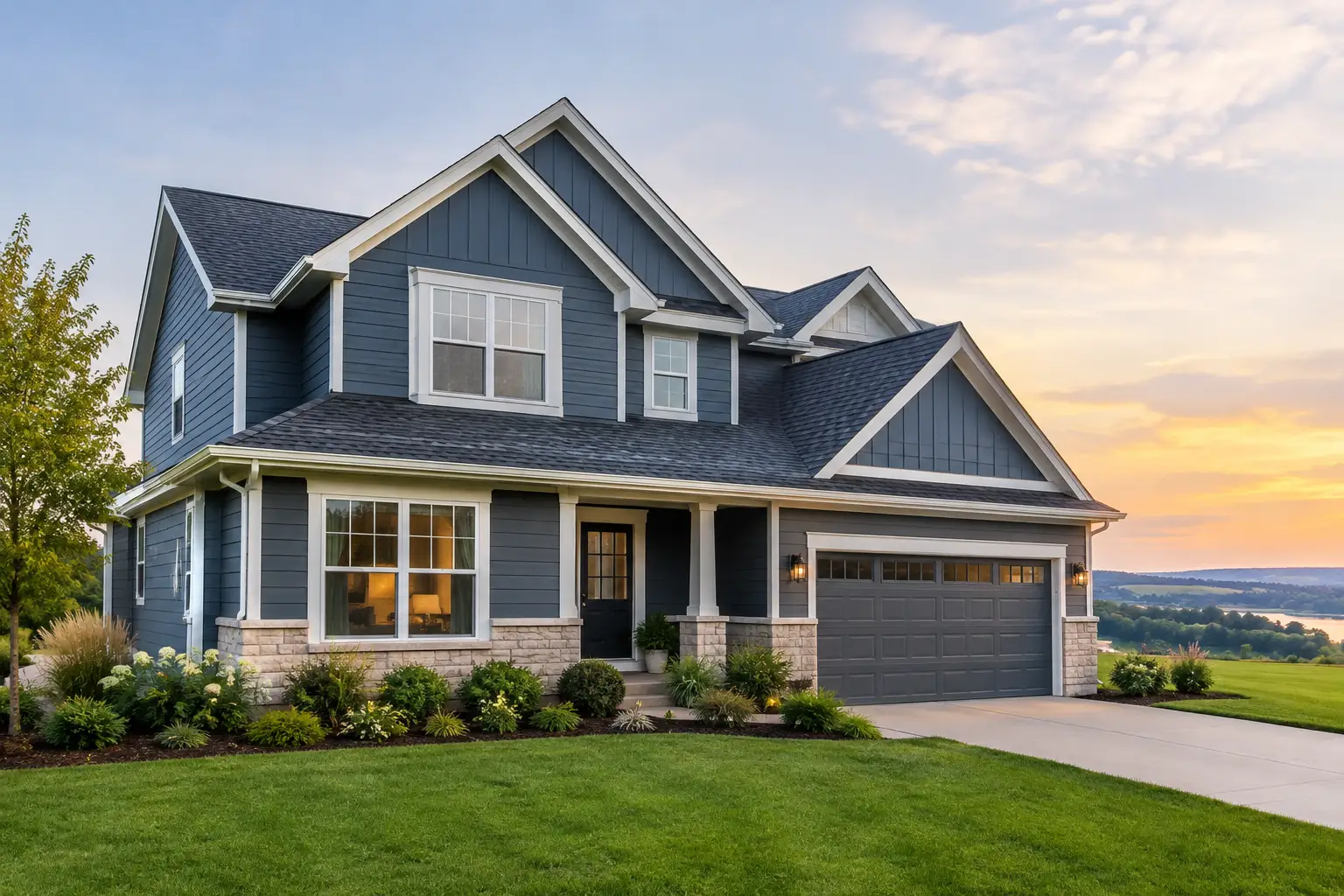
Blue remains popular when it is softened by gray or green undertones. Navy can provide a classic, tailored appearance, especially with white trim and a charcoal roof. Blue-gray is less formal and often works well on smaller homes because it has color without overwhelming the facade. Avoid choosing a blue based only on a small paint chip. Outdoor light can make it appear much brighter than expected.
Earthy browns are also returning in more sophisticated forms. Rather than orange-toned browns, current choices lean toward weathered wood, cocoa, driftwood, and mushroom shades. These colors are particularly effective with stone details and can make a home feel grounded in its setting.
Let the Roof Set the Palette
A roof is one of the largest visible surfaces on your home and one of the longest-lasting exterior investments. Its color should usually guide the siding and trim selections, not the other way around. Repainting siding is possible. Replacing a roof simply to correct a color mismatch is not a practical plan.
Before deciding on siding or paint, look closely at the roof’s undertones. A charcoal shingle may include flecks of brown, silver, or blue. A brown roof may lean warm, cool, or neutral. Those subtle tones can help narrow the right family of siding colors.
Consider the elements that will remain in place as well. Brick, stone, window frames, driveway concrete, and metal railings all influence the finished appearance. If your brick has warm red or brown tones, a cool blue-gray siding color may feel disconnected. If your home has mixed gray stone, a greige or muted green may unite the materials more naturally.
For homeowners replacing a roof and updating other exterior components at the same time, coordinated planning is especially valuable. Roofing, siding, windows, and gutters do not need to match exactly, but they should share a clear color direction. Guardian Roofing helps homeowners evaluate those choices as a complete exterior system, with protection and curb appeal considered together.
Trendy Is Not Always Right for Every Home
Some color choices create immediate curb appeal but may not age as well. Very dark siding, for example, can look dramatic and modern, but it may show dust, pollen, and weathering more readily than a mid-tone color. It can also absorb more heat. That does not make dark siding a poor choice, but it does mean homeowners should select it with realistic maintenance expectations.
High-contrast trim can also be effective, especially on a home with clean, simple lines. Yet too many competing accents can make a facade feel busy. If the roof is dark, the siding is bold, the shutters are darker still, and the front door is bright, the home can lose its visual balance.
A better approach is to choose one feature for personality. That may be a richly colored front door, a dark roof, architectural stone, or black window frames. Let the remaining elements provide support. This creates a home that feels current without relying on a short-lived trend.
A Practical Way to Choose Exterior Colors
Start outdoors, not under indoor lighting. View large samples against the home at different times of day, including a bright afternoon and an overcast day. Hold the sample near the brick, stone, roof, and window trim it must coordinate with. Small swatches can hide undertones that become obvious across an entire wall or roof plane.
Next, consider your home’s style and surroundings. A historic or traditional home may benefit from warmer, more classic colors, while a newer home with strong geometric lines can carry deeper contrast. Neighborhood context matters too. Your home does not need to match nearby houses, but a palette that respects its setting often holds value better over time.
Finally, choose materials for performance first, then narrow the color options. Iowa weather asks a great deal of every exterior surface. A beautiful roof color has greater value when it is part of a durable, properly installed roofing system designed to protect the home through severe weather and seasonal change.
The best exterior color is the one that still feels right when the newest trend has moved on. Choose a palette that suits your home’s architecture, works with its permanent materials, and gives you confidence every time you pull into the driveway.