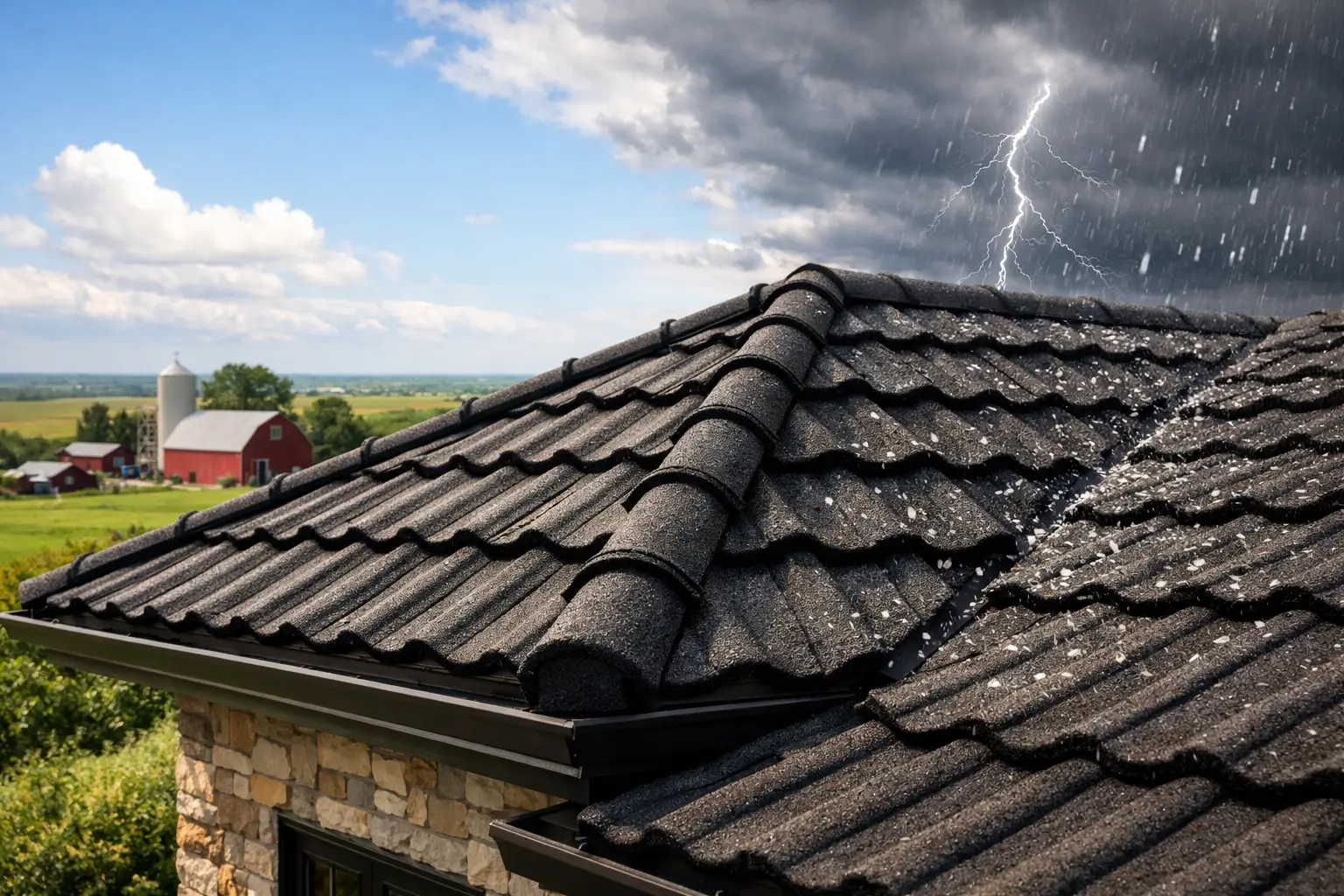
A roof in central Iowa has to handle more than an occasional hard rain. It faces wind-driven storms, hail, snow loads, ice, spring temperature swings, and summer heat. This stone coated roof durability review looks at how stone-coated steel roofing performs under those conditions, where its long-term value comes from, and what homeowners should verify before choosing it for a replacement.
Stone-coated roofing is often considered by homeowners who want the strength of steel without the industrial appearance of a standing-seam metal roof. Its textured stone surface and shaped panels can resemble architectural shingles, cedar shake, barrel tile, or slate while providing the benefits of a steel roofing system. That combination can make it a compelling premium option, but durability depends on the complete system, not the panel alone.
Stone Coated Roof Durability Review: What It Is Built to Handle
A stone-coated roof begins with steel panels that are formed into an architectural profile. The steel is protected by metallic coatings and additional protective layers, then finished with stone granules that create its color and texture. Unlike asphalt shingles, which are individual flexible roofing units, these panels are engineered to interlock and fasten into a coordinated system.
That construction matters in Iowa. A properly installed steel roof has far less risk of cracking from ordinary cold-weather brittleness than conventional shingle materials. It also does not absorb moisture like wood shake, and it is not susceptible to the gradual curling and granule loss homeowners commonly see as asphalt roofs age.
The stone coating is more than an appearance feature. It helps reduce the reflective sheen associated with bare metal, gives the roof a dimensional look, and protects the panel surface. Over years of weather exposure, some loose granules may appear in gutters or around downspouts, particularly after installation. That is not automatically a performance concern. What matters is whether the panel coating beneath remains protected and whether the manufacturer’s installation requirements have been followed.
Wind resistance comes from the system
Wind performance is one of the strongest reasons to consider stone-coated steel in a storm-prone area. Interlocking panels can create a secure roof covering when they are installed with the correct fastening pattern, attachment points, flashings, and edge details.
Still, homeowners should be cautious about treating a wind rating as a universal promise. Roof shape, deck condition, pitch, chimney and skylight details, nearby exposure, and installer workmanship all affect real-world results. A complex roof with many valleys and transitions requires careful planning. Even premium panels cannot compensate for weak decking, poorly secured flashing, or shortcuts around penetrations.
Hail performance requires a practical view
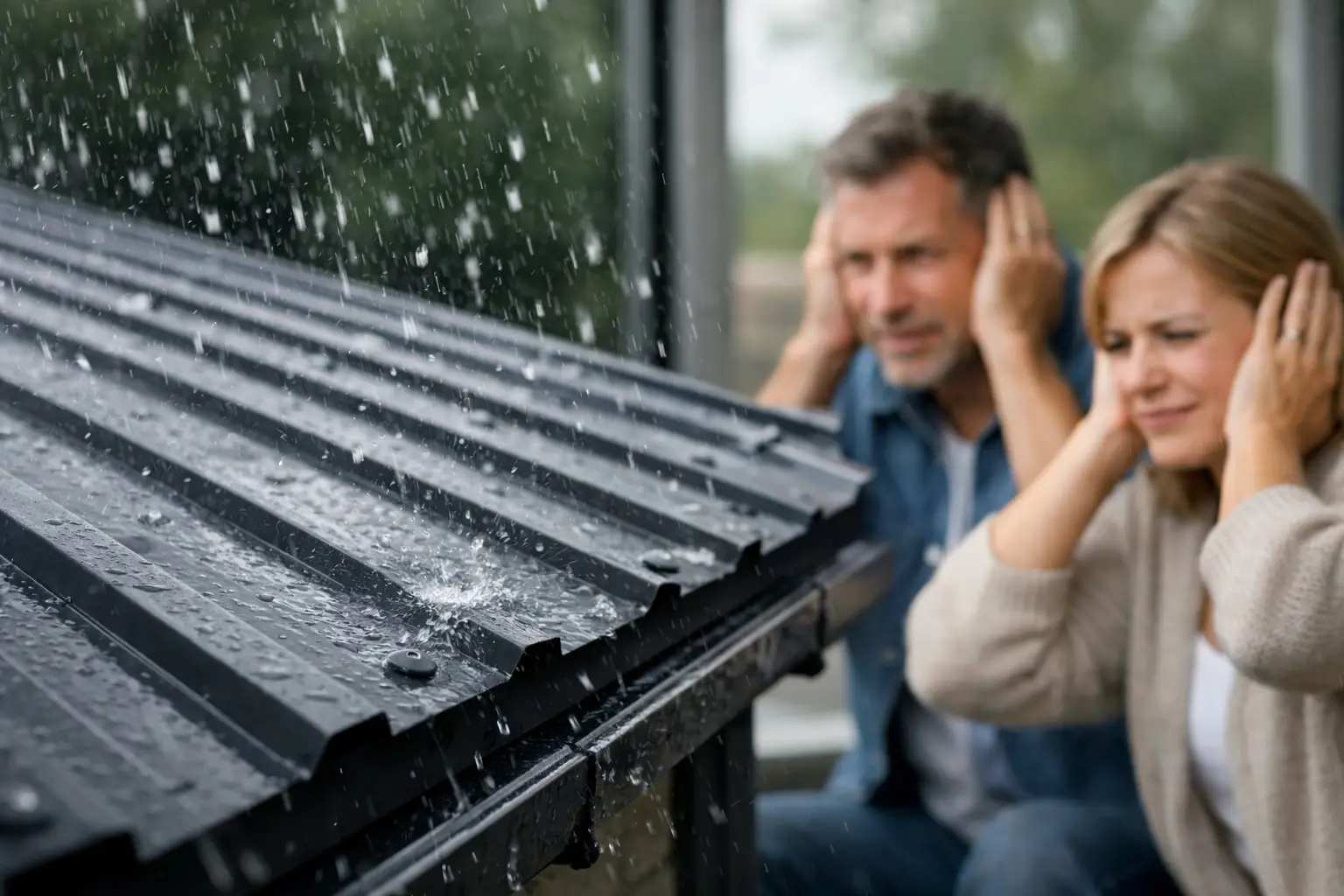
Steel has an advantage over many roofing materials when it comes to hail exposure, but no roof material is completely immune to a severe hailstorm. Stone-coated panels may withstand impacts that could crack, bruise, or dislodge conventional shingles. Depending on the storm and the product, however, hail can still cause cosmetic denting, surface wear, or damage that should be professionally evaluated.
The practical question is not whether a roof can survive every possible hail event without a mark. It is whether the system provides reliable protection, maintains water-shedding performance, and gives the homeowner a strong long-term option after repeated Midwest weather cycles. For many homes, stone-coated steel performs very well on that standard.
How Long Can a Stone-Coated Roof Last?
Service life is one of the main selling points of stone-coated roofing. While an asphalt roof may need replacement after years of sun, wind, and thermal movement, a quality stone-coated steel system is designed for a much longer ownership horizon. Many manufacturers offer long-term or lifetime-oriented limited warranties, but homeowners should read the actual terms rather than relying on a general label.
Warranty coverage can vary by product and may distinguish between manufacturing defects, finish performance, wind events, and workmanship. It may also require proper attic ventilation, approved accessories, and installation by qualified professionals. Those details are not fine print to ignore. They directly influence how a roof performs and what protection is available if a problem occurs.
A long-lasting roof is also easier to value when you expect to remain in your home for many years. The upfront investment is typically higher than a standard asphalt replacement, but the equation can change when fewer replacement cycles, lower maintenance needs, and stronger weather resilience are considered. For a homeowner planning a short-term sale, a high-quality dual-layer asphalt shingle may be the more practical choice. For a long-term home, stone-coated steel can offer a different level of protection and curb appeal.
The Installation Details That Protect Durability
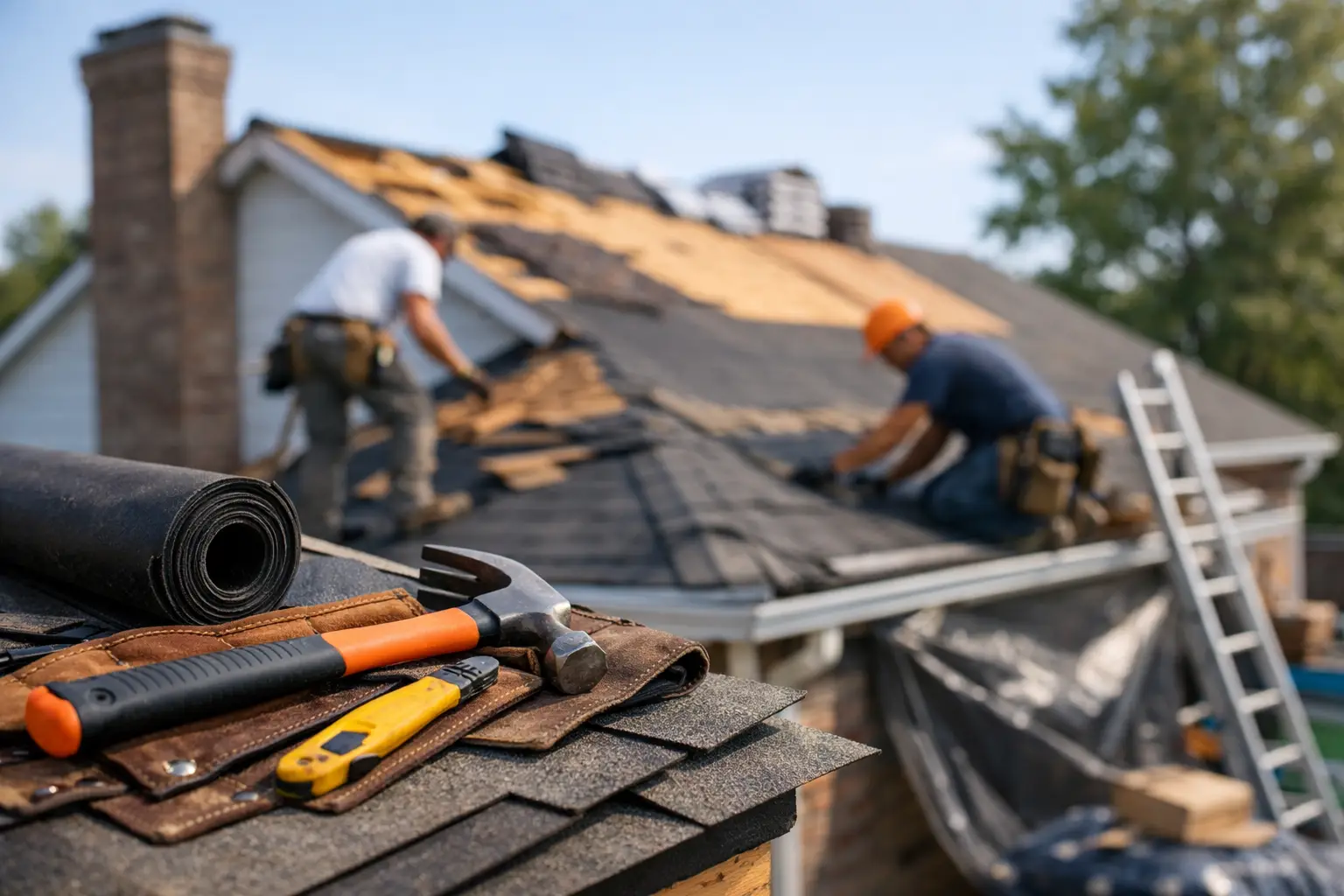
The best stone-coated panel cannot perform as intended if the roof below it is not properly prepared. Before installation, the contractor should assess the roof deck for moisture damage, soft areas, inadequate fastening, and other concerns that could compromise the new system.
Ventilation also deserves attention. A hot, poorly ventilated attic can contribute to moisture concerns and excessive heat buildup beneath any roofing material. Intake and exhaust ventilation should work together, and bathroom fans or other exhausts should be directed appropriately. A roof replacement is a good opportunity to correct issues that may have gone unnoticed under the old roof.
Flashing is another durability essential. Valleys, sidewalls, chimneys, vents, skylights, and roof-to-wall transitions are areas where water management matters most. These components need to be integrated carefully with the roofing system. A roof may look excellent from the street, yet develop leaks if flashing details are treated as an afterthought.
At Guardian Roofing, the goal is to match the roof system to the home rather than force every homeowner into one material. That means considering the property’s architecture, roof complexity, long-term plans, color preferences, and exposure to weather before recommending a solution.
Maintenance: Less Work Does Not Mean No Attention
Stone-coated steel roofing is low maintenance, but it should not be forgotten. Homeowners can help preserve roof performance with a visual check after major storms and at least once each year. From the ground, look for branches resting on the roof, displaced trim, loose gutters, unusual staining, or debris collecting in valleys.
Keep gutters and downspouts clear so water can move away from the roof edge and foundation. Trim back branches that scrape against the panels. If you see exposed flashing, a lifted panel edge, damaged accessories, or signs of a leak inside the home, schedule a professional inspection rather than walking on the roof. Foot traffic can damage roofing components and creates an unnecessary safety risk.
Avoid using harsh chemicals, abrasive tools, or pressure washing unless the roofing manufacturer specifically permits it. A qualified contractor can recommend the right approach if algae, moss, or surface buildup becomes a concern.
Appearance Can Be Part of a Durable Decision
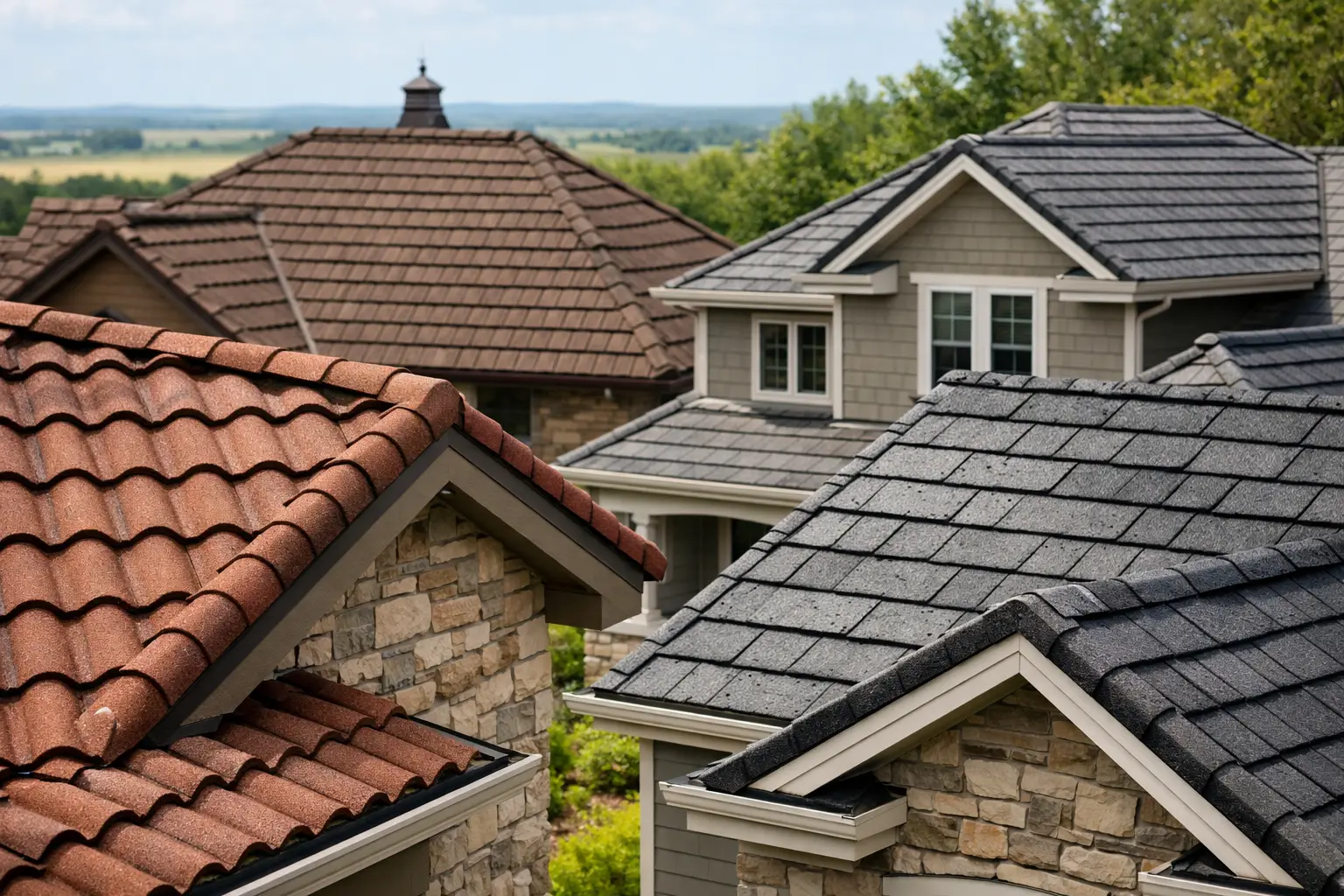
A roof is a protective system, but it is also one of the largest visual elements of a home. Stone-coated roofing gives homeowners more architectural flexibility than many people expect from steel. Profiles can complement traditional homes, ranch-style properties, newer builds, and homes that need a more distinctive exterior presence.
Color selection should account for siding, brick, trim, and gutters, as well as how the home looks in changing Midwest light. A thoughtful roof color can improve curb appeal without chasing a short-lived trend. Because stone-coated steel is intended for long service, choosing a profile and color you will appreciate years from now is part of making the investment work.
Is Stone-Coated Steel Right for Your Home?
Stone-coated roofing is a strong candidate for homeowners who want a premium, long-term roof with steel strength and a more traditional residential appearance. It can be especially appealing after repeated wind or hail concerns, when an aging roof needs replacement, or when exterior improvements are being planned together.
It is not automatically the right answer for every budget or every roof. Material cost, roof complexity, and installation expertise should all be weighed honestly. The most useful next step is a property-specific evaluation that considers your roof deck, attic ventilation, drainage, architectural style, and goals for the years ahead. A clear recommendation should leave you confident not only in what is going on your roof, but in how it will protect the home beneath it.