
A roof can look fine from the driveway and still be nearing the end of its service life. In Des Moines, years of wind, ice, snow, summer heat, and heavy rain can wear down shingles, flashing, and the layers beneath them. That is why roof replacement estimates should do more than provide one large number. They should show what is being protected, what work is included, and how the new roofing system is built to perform.
A clear estimate helps you make a confident long-term decision instead of choosing based on the lowest price alone. The best proposal is not always the least expensive one. It is the one that accurately addresses your home’s condition, uses materials suited to your goals, and gives you a clear understanding of the work ahead.
What Roof Replacement Estimates Should Include
A dependable estimate starts with a thorough inspection. Your contractor should look beyond visible shingle wear and consider roof slope, valleys, penetrations, chimney areas, ventilation, flashing, and signs of soft or damaged decking. These details affect both the scope of work and the roof’s ability to stand up to Midwest weather.
The written proposal should identify the roofing material and the specific system components being installed. For an asphalt roof, that may include dual-layer shingles, underlayment, starter materials, ridge caps, and ventilation. For a stone-coated steel roof, it should identify the selected profile, finish, trim details, and installation approach. A roof is a system, not simply a field of shingles or panels fastened over a surface.
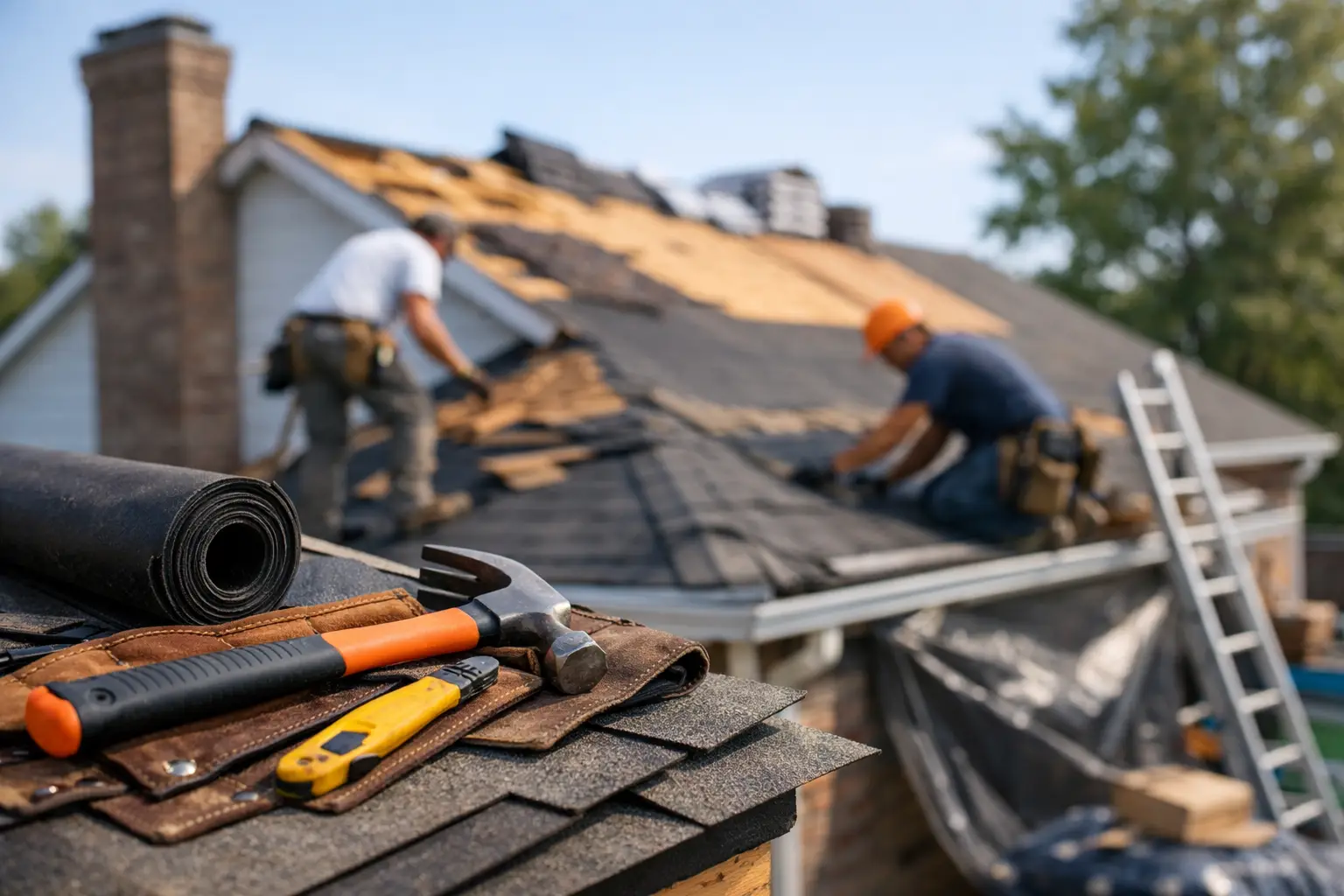
Labor should also be clearly defined. Look for language covering tear-off of existing roofing, surface preparation, installation, debris removal, and cleanup. If the proposal is vague about removal or disposal, ask for clarification before work begins. A lower initial number can become less attractive if necessary items are excluded from the scope.
Your estimate should also explain how flashing will be handled. Flashing directs water away from vulnerable transitions around chimneys, walls, skylights, vents, and valleys. Reusing flashing can be appropriate in limited situations when it is in excellent condition and compatible with the new system. In many replacements, new flashing is the better long-term choice. The right answer depends on the condition of the existing components and the roof design.
Why Two Estimates Can Be Far Apart
It is common for homeowners to receive proposals with noticeably different prices. That difference does not automatically mean one contractor is overcharging or another is offering a better deal. It often means the estimates are not describing the same project.
One quote may include full tear-off, upgraded underlayment, replacement flashing, ventilation improvements, and complete cleanup. Another may list only the roofing material and basic installation. Both may be called a roof replacement, but the level of protection and the likelihood of added costs can be very different.
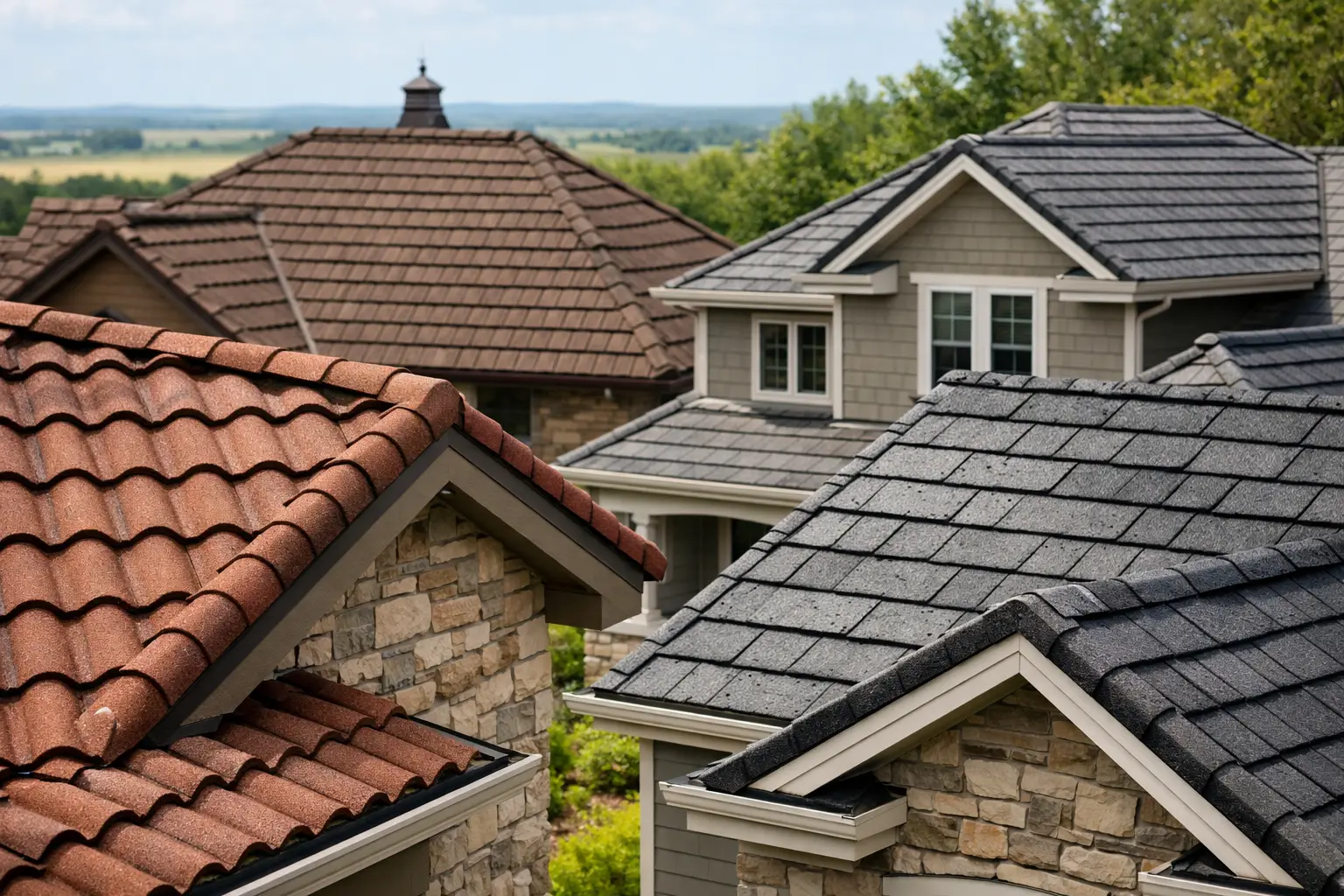
Material selection is another major factor. Dual-layer asphalt shingles offer familiar style, broad color options, and strong value for many homes. Stone-coated steel roofing typically carries a higher upfront investment, but it can provide exceptional durability, distinctive architectural character, and long-term performance. The best material depends on your budget, desired appearance, how long you plan to own the home, and the level of weather resilience you want.
Roof complexity matters as well. A simple, low-slope ranch roof generally requires less labor and fewer specialty details than a home with steep pitches, multiple valleys, dormers, skylights, or a large chimney. Accessibility can also affect pricing. Protecting landscaping, working around tight driveways, and managing debris safely all require planning.
Ask How the Estimate Handles Decking Repairs
Roof decking is the wood surface beneath the roofing material. It provides the foundation for the entire system, and it must be sound before new materials are installed. Because hidden damage is not always visible until the old roof is removed, many honest estimates include a per-sheet price for replacement decking if needed.
That is not a red flag. It is a practical way to set expectations. What matters is whether the contractor explains the allowance clearly, documents any damaged areas found during tear-off, and discusses the repair before moving forward when possible.
Be cautious of an estimate that promises a fixed price without acknowledging potential concealed conditions, especially on an older roof with signs of leaks. At the same time, you should not accept an open-ended allowance without a stated unit cost. Clarity protects everyone involved.
Compare Scope Before You Compare Price
When reviewing roof replacement estimates, place the proposals side by side and compare the same categories. You do not need construction experience to ask direct questions. Is the old roof being completely removed? Which underlayment is included? Will flashing be replaced? How will ventilation be evaluated? Is disposal included? What is the process if damaged decking is discovered?
Pay attention to the manufacturer and product line, not just broad labels such as architectural shingle or metal roof. Products within the same category can vary in thickness, design, wind performance, appearance, and warranty coverage. Color choices may also affect availability and lead time, particularly with specialty roofing materials.
The installation standard deserves equal attention. Premium materials need skilled installation to perform as intended. Ask who will perform the work, how the property will be protected during construction, and what final inspection process is used. A strong contractor should be comfortable walking through these details in plain language.
Understand Warranties Without Relying on Them Alone
Warranties are valuable, but they should not be the only reason to choose a roof. Manufacturer warranties generally address defects in roofing materials. Workmanship warranties address installation-related issues and are provided by the contractor. They cover different risks, so it is worth understanding both.
Ask for the warranty terms in writing and review what actions may be required to maintain coverage. Some enhanced manufacturer protections depend on using a complete system or having the roof installed by an approved contractor. Others have limitations for wind damage, improper ventilation, or pre-existing structural conditions.
A long warranty can be reassuring, but careful installation and correct system design are what help prevent problems in the first place. Your roof should be built for dependable daily performance, not merely for a future claim.
Consider the Rest of the Exterior
A roof replacement is often the right time to evaluate gutters, siding, and windows. This does not mean every project needs to become a full exterior renovation. It means related components should be considered together when they affect drainage, weather protection, or the finished appearance of the home.
For example, aging gutters may not manage runoff effectively after a new roof is installed. Damaged fascia can complicate gutter attachment. New roofing colors may also influence decisions about siding or window trim. Coordinating compatible projects can reduce disruption and help create a more complete result, but separating the work may make better financial sense for some households.
A consultative contractor should explain the options without pressuring you to add services you do not need. Guardian Roofing approaches exterior work as a coordinated investment in your home’s protection, curb appeal, and lasting value.
Make Room for Financing and Timing Decisions
The right estimate should support a realistic plan, especially when weather damage or an aging roof makes replacement necessary sooner than expected. Financing can help homeowners select a durable roofing system without delaying essential protection or settling for a short-term fix. Review payment terms carefully and choose an option that fits your household budget.
Timing also matters. Waiting until active leaks spread can increase repair needs inside the home and beneath the roof. However, a roof that has reached a certain age does not always require immediate replacement. An inspection can help distinguish between a repairable issue and a system that is ready for replacement.
Before signing, make sure you understand the project schedule, payment structure, material selection, and change-order process. A free estimate should leave you with fewer questions, not more. The right roofing partner will help you see exactly where your investment is going, so you can choose protection that feels right for your home and the seasons ahead.