A roof replacement is not simply a line item on a maintenance list. For Iowa homeowners, it is protection against hard rain, high winds, hail, heavy snow, and the freeze-thaw cycles that test every part of an exterior. Understanding stone coated steel roofing cost helps you compare more than an upfront price. It helps you decide what level of long-term protection, appearance, and maintenance makes sense for your home.
Stone-coated steel roofing costs more initially than a conventional asphalt shingle roof, but it is designed to deliver a much longer service life and a distinctive architectural look. The right investment depends on your roof’s size and complexity, the profile you select, the condition of the existing roof, and the performance you expect over the years ahead.
What Does Stone Coated Steel Roofing Cost?
Most homeowners can expect installed stone-coated steel roofing to range from roughly $12 to $20 or more per square foot of roof surface. A straightforward roof may fall closer to the lower end of that range, while a large or complex home with steep slopes, dormers, valleys, skylights, and multiple rooflines can cost more.
For a roof with 2,000 square feet of actual roofing surface, that can place a stone-coated steel roof in the general range of $24,000 to $40,000 or more. It is essential to measure the roof itself, not just the home’s interior square footage. A 2,000-square-foot ranch home and a 2,000-square-foot two-story home can have very different roof areas.
An accurate quote should account for the full roofing system, not just the visible panels. That includes removal of the old roof when needed, underlayment, flashing, ventilation components, edge protection, fasteners, labor, cleanup, and any repairs required to create a sound installation surface.
Why Stone-Coated Steel Has a Higher Initial Price
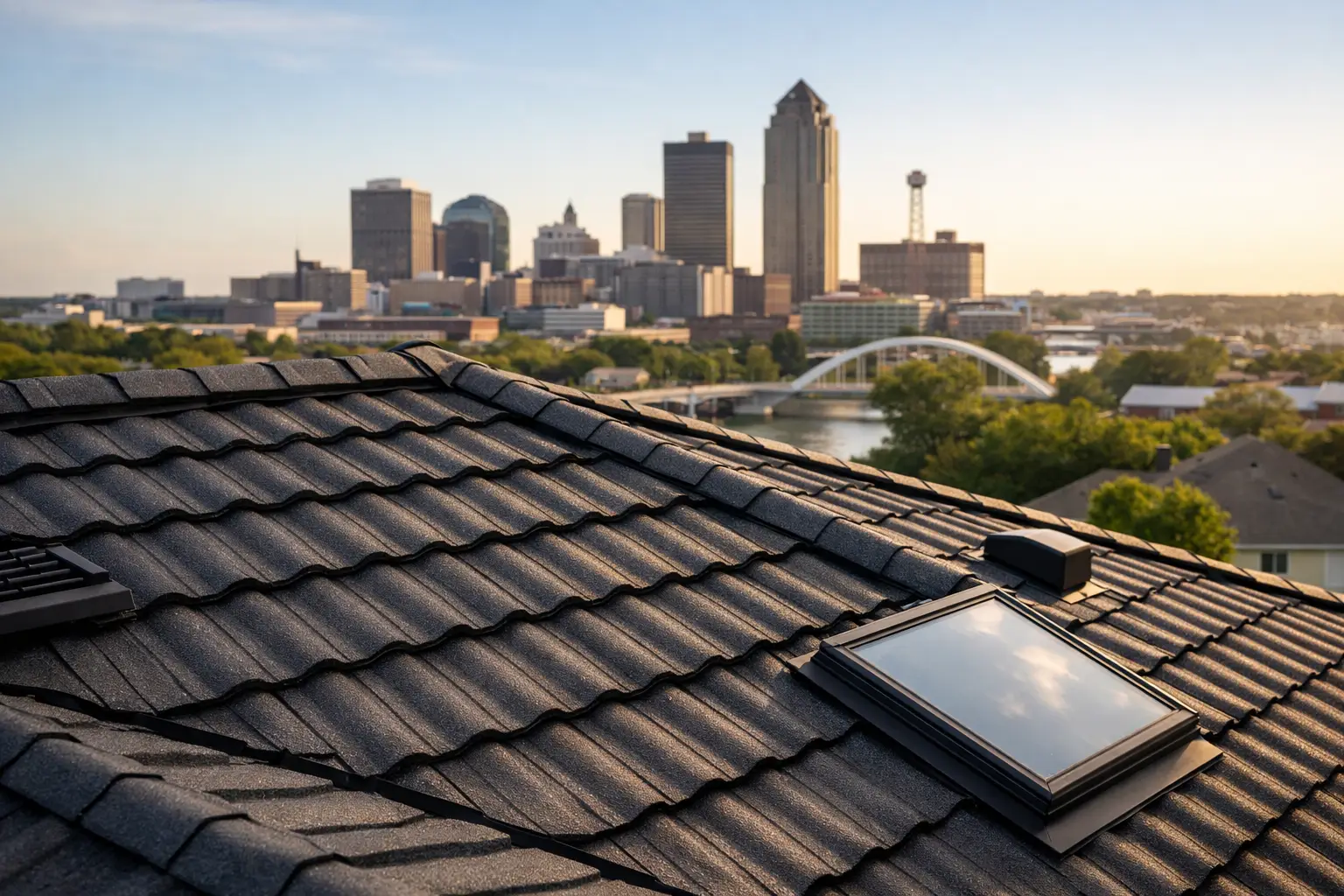
Stone-coated steel is a premium roofing system. It combines a formed steel core with protective coatings and a stone-chip finish, giving homeowners the durability of metal along with the textured appearance of traditional roofing materials. Depending on the profile, it can resemble dimensional shingles, wood shake, clay tile, or slate.
The material itself costs more than basic asphalt shingles, and installation requires experienced crews who understand the system’s details. Proper flashing, panel layout, fastening, ventilation, and transitions around chimneys and valleys all affect how the roof performs. A lower price that leaves out essential components or skilled installation can become expensive later.
The investment also reflects the roof’s expected performance. Stone-coated steel is built to stand up to conditions that can shorten the life of ordinary roofing, including wind-driven rain, hail exposure, snow loads, and significant temperature swings. For homeowners planning to stay in their home, that durability can change the value calculation.
Material Profile and Architectural Style
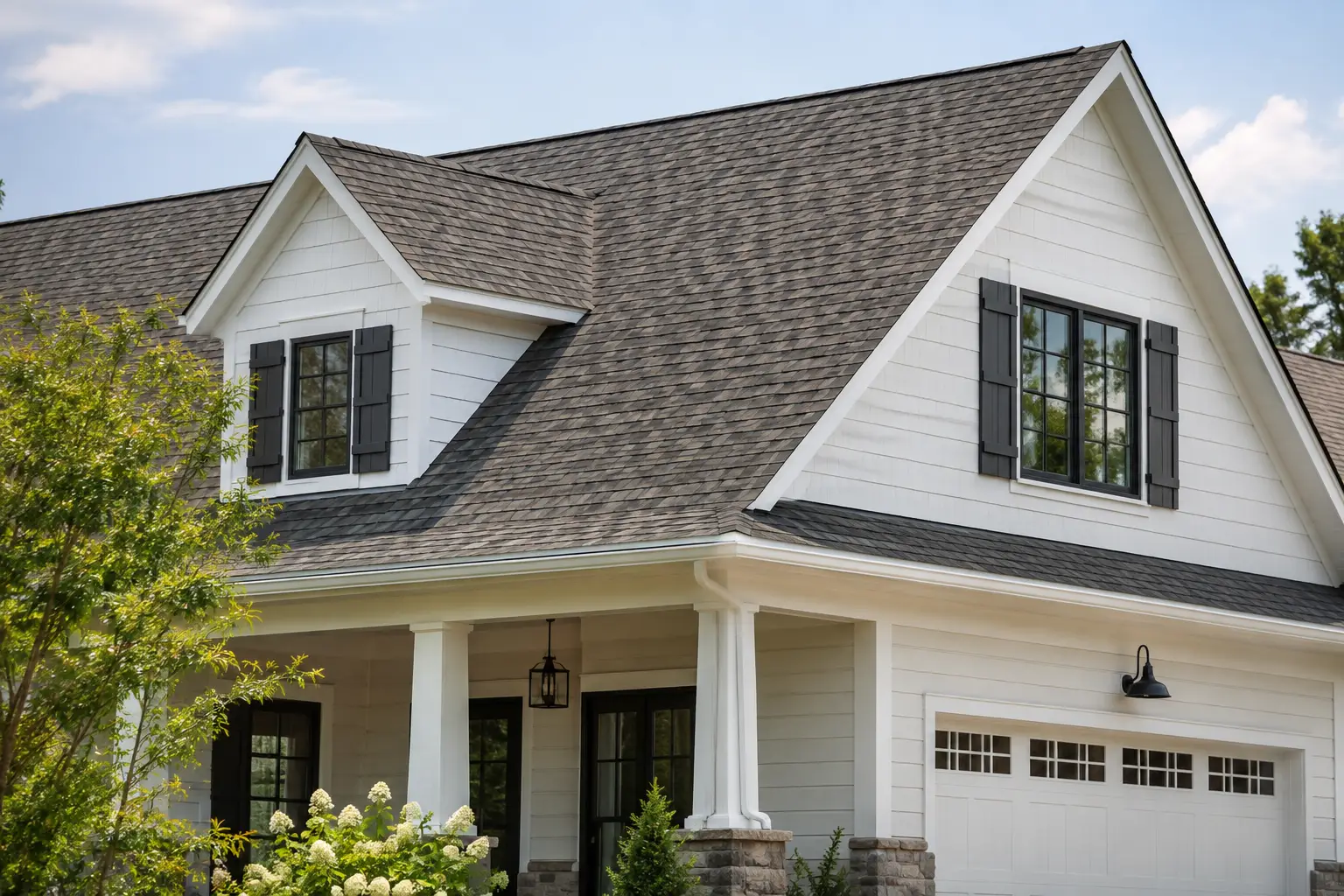
Stone-coated steel is available in several profiles, and your selection can influence cost. A shingle-style profile may suit a traditional Des Moines neighborhood, while shake, tile, or slate-inspired panels can create a more distinctive exterior. The visual difference is not merely cosmetic. Panel design, installation requirements, and trim details can affect both material and labor costs.
Unified Steel stone-coated roofing is available in five architectural profiles, giving homeowners more flexibility to match a roof to the home’s design. A qualified contractor can help you compare the appearance and budget implications of each option without pushing a one-size-fits-all answer.
Roof Complexity and Access
A simple gable roof is generally less expensive to replace than a roof with intersecting sections, steep pitches, multiple valleys, dormers, or difficult access. These features require more cutting, flashing, labor, and safety preparation.
Chimneys, skylights, plumbing vents, and wall intersections also deserve careful attention. They are common areas for leaks when details are rushed. A thorough estimate should identify these conditions clearly rather than treating them as surprises after work begins.
Removal, Decking, and Repairs
If the existing shingles need to be removed, disposal and labor will add to the project cost. Some homes may also need deck repairs after the old roof comes off. Soft, rotted, or damaged decking cannot provide a reliable base for a new roof system.
This is one reason estimates can vary between homes that appear similar from the street. The most dependable quote is based on an inspection, measurements, and a clear discussion of any conditions that may affect the work.
Comparing Steel Roofing Cost With Asphalt Shingles
Asphalt shingles typically carry a lower upfront installation cost. For homeowners who need a practical replacement on a tight budget or expect to sell soon, a quality dual-layer asphalt shingle roof can be an excellent choice. It offers familiar styling, a broad range of colors, and dependable protection when installed correctly.
Stone-coated steel changes the equation for homeowners who prioritize long-term ownership, weather resilience, and reduced replacement frequency. While pricing varies by product and roof design, a steel roof may last several decades longer than a typical asphalt roof. That can mean avoiding one or more future roof replacements, along with the disruption and rising labor and material costs that come with them.
The trade-off is straightforward: asphalt often costs less now, while stone-coated steel may provide more value over a longer ownership period. Neither option is automatically right for every house. Your timeline, budget, neighborhood style, and exterior goals all matter.
Costs That Should Be Included in Your Estimate
When comparing stone-coated steel proposals, look beyond the final number. A complete estimate should explain what you are receiving and how the system will protect your home. Ask whether the quote includes the following:
- Removal and disposal of existing roofing materials
- Underlayment, flashing, ventilation, and edge components
- Replacement of damaged decking, if discovered or anticipated
- Installation of panels, trim, ridge details, and penetrations
- Site protection, cleanup, and a clear workmanship commitment
It is also wise to ask about warranty coverage and what maintenance is recommended. Premium materials deserve a clear installation plan and a contractor who will be available to answer questions well after the project is complete.
How to Plan for the Investment
Begin with a professional roof evaluation rather than relying on an online cost calculator. Digital estimates can be useful for broad planning, but they cannot see concealed deck damage, measure complex rooflines precisely, or assess details around chimneys and walls.
Then consider the rest of your exterior. If aging gutters, worn siding, inefficient windows, or poor attic ventilation are contributing to water management or energy concerns, coordinating work may help you create a more complete protection plan. It does not always make sense to do every project at once, but understanding how the systems work together supports better decisions.
Financing can also make a premium roof more manageable by spreading the investment over time. The key is to evaluate monthly payments alongside the product’s expected lifespan, warranty, and the likelihood of future repair or replacement costs.
Get a Price That Reflects Your Home
The best way to understand your stone-coated steel roofing cost is to receive a detailed, property-specific quote. Guardian Roofing evaluates the condition of your home, explains material options in plain language, and helps you weigh durable steel profiles against quality asphalt alternatives.
A roof should fit your budget, but it should also give you confidence when the next Iowa storm rolls through. Choose a system and installation team that protect the home you have worked hard to build.