
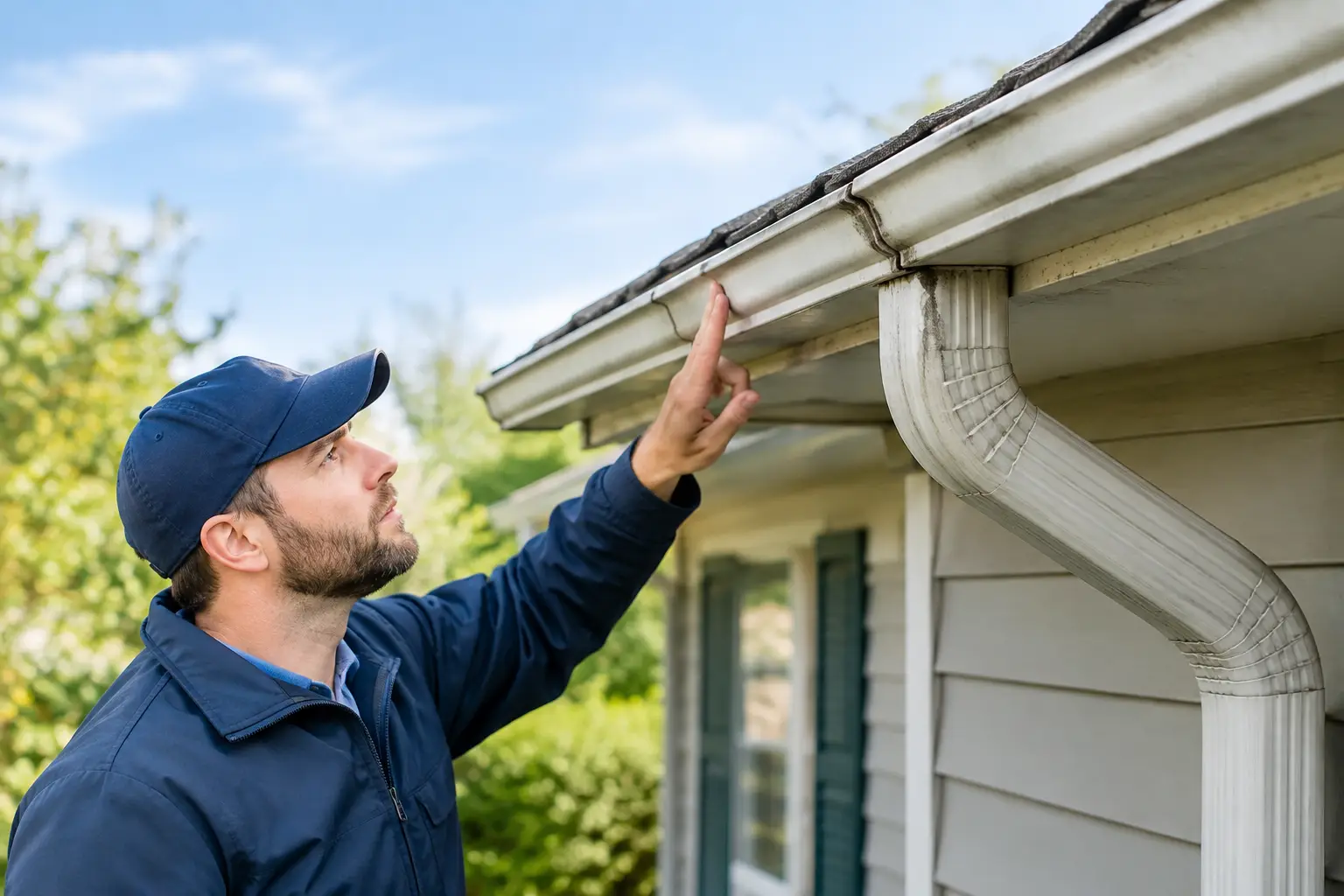
A gutter can look like a simple strip of metal along the roofline, but it has a demanding job. During an Iowa downpour or spring thaw, it must move a large volume of water away from your roof, siding, foundation, and landscaping. Homeowners often ask, “When should gutters be replaced?” The answer is usually clear once small drainage concerns become repeated leaks, structural problems, or water damage around the home.
A timely replacement protects far more than your curb appeal. It helps preserve the exterior systems that keep your home dry, stable, and ready for Midwest weather.
When Should Gutters Be Replaced Instead of Repaired?
One loose hanger or a small leak at a seam does not automatically mean you need a new gutter system. Many isolated problems can be repaired when the gutters are otherwise in good condition, properly sloped, and securely attached to the fascia.
Replacement becomes the wiser long-term decision when the same issues keep returning, damage appears in multiple sections, or the system no longer controls runoff effectively. Patching a gutter that is rusting, pulling away, and leaking in several places may cost less today, but it can leave the underlying problem unresolved.
Age matters, although it is not the only factor. Well-maintained aluminum gutters can often last 20 years or more, while steel systems may corrode sooner if their protective finish is compromised. Vinyl gutters may become brittle or warp through repeated temperature swings. A professional evaluation should consider the material, installation quality, roof drainage, local tree coverage, and visible signs of failure rather than relying on age alone.
8 Signs Your Gutters May Need Replacement
1. Cracks, holes, or rust are spreading
Tiny cracks can become serious leaks as water freezes, expands, and thaws. Holes and rust spots are especially concerning when they appear in more than one location. Sealant can sometimes handle a small, isolated opening, but widespread corrosion or recurring cracks signal that the material is nearing the end of its useful life.
Look closely along the bottom of the gutter, at seams, and around downspout connections. Water staining beneath a gutter often reveals a leak that is easy to miss from the ground.
2. Gutters are sagging or pulling away from the house
Gutters should sit firmly against the fascia and maintain a subtle slope toward the downspouts. When they sag, bow, or separate from the roofline, water can collect in low spots instead of draining away. The added weight of standing water, wet leaves, snow, and ice can make the problem worse.
Sometimes new hangers can correct a short section. If large portions are loose, the gutter channels are bent, or the fascia behind them has begun to rot, replacement and related exterior repairs are often the more dependable approach.
3. Water overflows during ordinary rain
An overflowing gutter is not always a replacement issue. Leaves, seed pods, and roof granules can block the channel or downspout. Cleaning may restore proper flow.
However, clean gutters that still overflow may be undersized, improperly pitched, poorly placed beneath the roof edge, or damaged enough to disrupt drainage. This is particularly important on homes with large or steep roof planes that send heavy runoff into a limited gutter system. Replacing undersized gutters with a properly designed system can provide better protection during the storms that matter most.
4. Seams keep leaking
Traditional sectional gutters have joints where individual lengths connect. Those seams can eventually separate or fail as sealant ages and the material expands and contracts. One seam repair can be reasonable. Multiple seam leaks that return season after season are a strong reason to consider replacement.
Seamless gutters reduce the number of joints along each run, which means fewer common leak points. They still require proper installation and maintenance, but they can be an excellent long-term option for homeowners who are tired of repeat seam repairs.
5. You see peeling paint, staining, or mildew near the gutters
Peeling exterior paint, discolored siding, and mildew around the roofline can point to water escaping where it should not. These symptoms do not always originate with the gutters. Roof flashing, siding details, and attic ventilation can also contribute to moisture concerns.
Still, they deserve prompt attention. A thorough exterior inspection can identify whether leaking gutters are allowing water to run behind the system or down the wall. Addressing the source early helps prevent a cosmetic issue from becoming damaged wood or interior moisture trouble.
6. The fascia, soffit, or siding is deteriorating
Your gutters are attached near some of the home’s most vulnerable wood components. When leaks persist, fascia boards can soften and rot. Soffits may stain or sag, and siding near the gutter line may show swelling, peeling, or water marks.
Replacing gutters without evaluating this supporting structure can create another problem. The new system needs a sound, secure surface for attachment. Coordinating gutter work with needed fascia, soffit, roof, or siding repairs helps protect the investment and creates a cleaner finished appearance.
7. Water is collecting near the foundation
The purpose of a gutter system is not simply to catch roof runoff. It must also direct water far enough from the home to reduce pressure around the foundation. Puddles near the foundation, soil erosion, washed-out mulch, and wet basement walls can all indicate that the system is failing to move water where it belongs.
Downspouts may be too short, disconnected, crushed, or poorly positioned. In other cases, clogged or damaged gutters are sending water over the edge before it reaches the downspout. A replacement plan should look at the complete drainage path, including downspout placement and extensions, rather than treating the gutter channel as a standalone feature.
8. Repairs are becoming a regular expense
The clearest financial signal is repetition. If you are scheduling repairs every year for leaks, loose fasteners, sagging sections, or drainage failures, replacement may provide better value. Continually repairing an aging system can cost more over time while leaving your home exposed between service visits.
A new gutter system offers a chance to correct the original design issues, choose a material suited to your home, and coordinate the color with your roofing and siding. For many homeowners, that combination of protection and curb appeal makes replacement the practical choice.
Why Timing Matters in Des Moines
Des Moines homes contend with rainstorms, heavy snow, freeze-thaw cycles, wind-driven debris, and rapid seasonal changes. Gutters that are only partly functional may appear fine during a light shower, then fail when snow melts quickly or a summer storm sends water rushing off the roof.
Late spring through fall is often a convenient period for gutter replacement because weather conditions are generally favorable and homeowners can see how runoff behaves during rain. But replacement can be appropriate whenever conditions allow safe, quality installation. The best time is before gutter failure causes damage to the roofline, siding, landscaping, or foundation.
If you are already planning a roof replacement, it is smart to evaluate the gutters at the same time. Roof installation can reveal hidden fascia concerns, and completing connected exterior work together can improve coordination, color consistency, and long-term performance. Guardian Roofing helps homeowners consider the full exterior system so each component supports the next.
Choosing a Replacement Gutter System
Material selection should reflect your home, budget, and maintenance expectations. Aluminum is a popular choice because it resists rust, is available in many colors, and works well for most homes. Steel can provide strength but needs a durable finish and attention to potential corrosion. Vinyl can be affordable but may not perform as well through severe temperature changes or under heavy loads.
The size and layout of the system matter as much as the material. Larger gutters and downspouts may be appropriate for broad roof areas or sections that receive concentrated runoff. Proper slope, secure hangers, correctly placed downspouts, and extensions that carry water away from the foundation are essential details.
Gutter guards can reduce the amount of leaves and debris entering the system, especially on tree-lined properties. They are not maintenance-free, and their effectiveness depends on the product and installation. They work best as part of a well-designed drainage system, not as a substitute for correcting worn-out or undersized gutters.
Protect the Home Before Water Finds a Way In
A gutter problem rarely stays limited to the gutter. Water follows the easiest path, whether that is behind siding, into softened fascia, across a walkway, or toward the foundation. If you are noticing repeat leaks, sagging sections, overflow, or exterior water damage, a professional assessment can clarify whether a targeted repair will hold or replacement is the better protection.
The right gutter system should disappear into the background when it is doing its job well: directing water away, complementing your home’s exterior, and giving you confidence when the next Iowa storm arrives.