A hard Iowa storm can leave behind more than fallen branches and scattered debris. Wind may lift shingle edges, hail can fracture protective surfaces, and driven rain can find its way beneath a roof before the damage is visible from the street. A prompt storm damaged roof renovation helps protect your home from small exterior issues that can become leaks, insulation damage, wood rot, and costly interior repairs.
The right response is not always a complete roof replacement. Some roofs need focused repairs, while others have reached the point where renovation should include a new roofing system, gutters, or related exterior work. The goal is to understand what the storm changed, protect the home quickly, and make a confident decision built for the next round of Midwest weather.
Start With Safety and Document What You See
After a storm, avoid climbing onto the roof or walking across surfaces that may be wet, unstable, or concealed by debris. Ground-level observations can still tell you a great deal. Look for missing shingles, loose flashing, displaced gutters, fallen limbs, exposed underlayment, or pieces of roofing material around the yard.
Inside the home, check ceilings, attic spaces, and upper walls for water spots, damp insulation, peeling paint, or a musty odor. A leak does not always appear directly below the damaged area. Water can travel along roof decking, rafters, or insulation before it reaches a visible surface.
Take clear photos and note the date of the storm. This record is useful for your own planning and may support an insurance claim. If active water is entering the home, temporary protection should be installed as soon as conditions allow. The priority is preventing additional damage, not making a rushed decision about permanent work.
What Storm Damage Can Do to a Roof
Wind, hail, and heavy rain affect roofing systems differently. Knowing the likely damage helps homeowners ask better questions during an inspection.
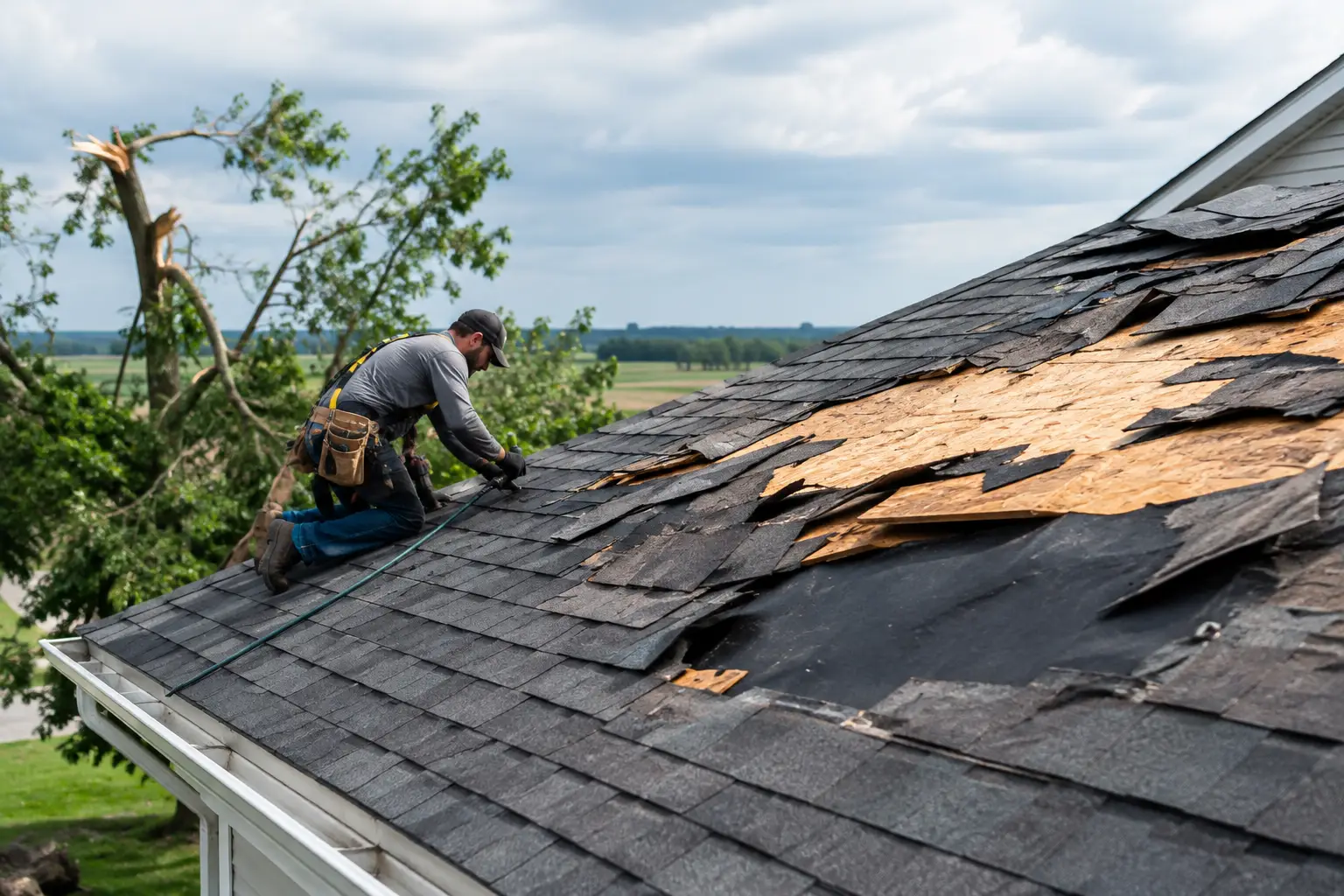
High wind can break the seal between shingles, lift their edges, or pull fasteners loose. Even if shingles settle back into place, the roof may no longer shed water as intended. Wind can also damage ridge caps, vents, flashing, fascia, soffit, and gutters – all components that help manage water at the roofline.
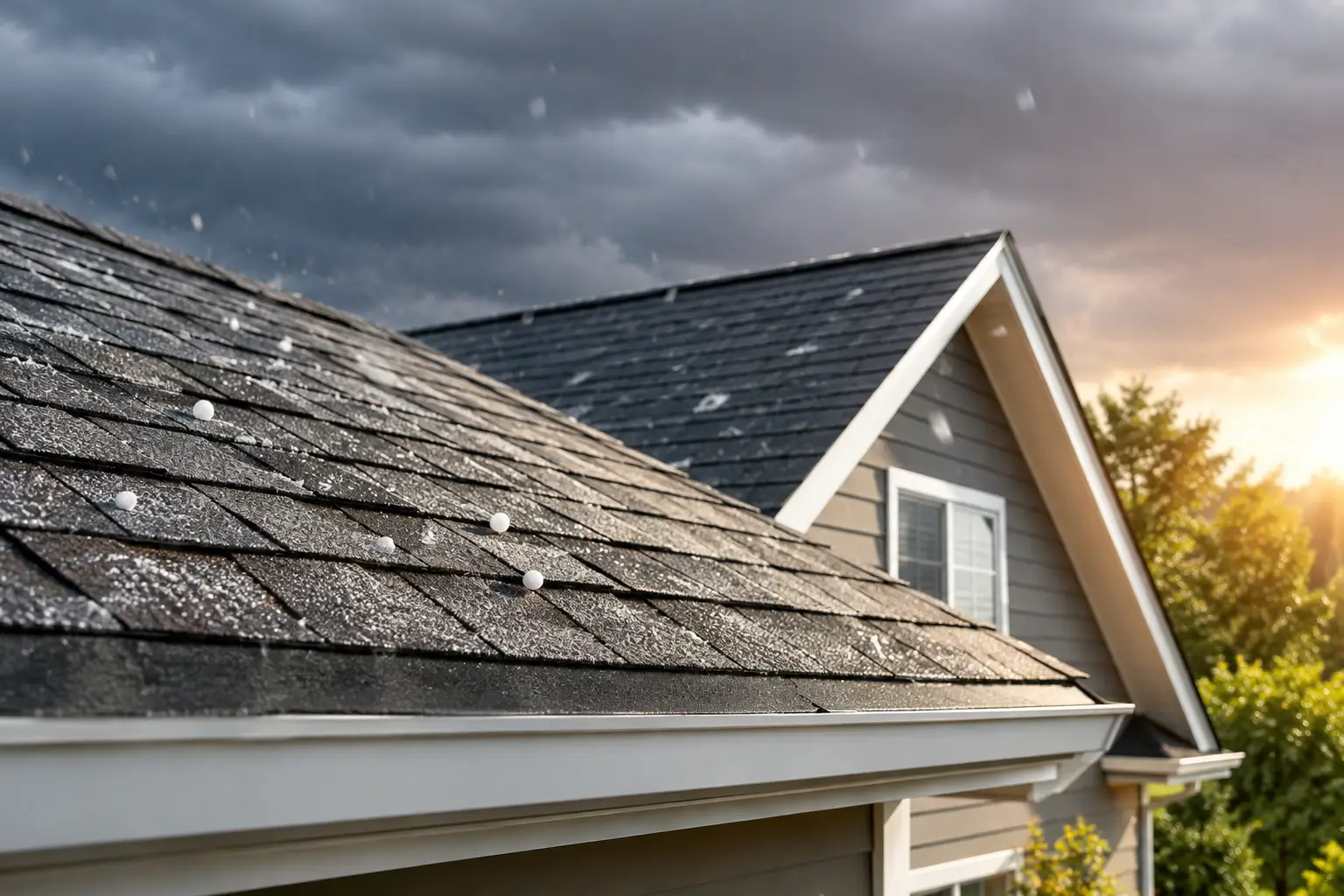
Hail damage is often less obvious from the ground. On asphalt shingles, hail can knock away protective granules or create bruised areas that shorten the shingle’s service life. On metal roofing, hail may leave dents. Whether those dents are purely cosmetic or affect performance depends on the roofing profile, the size and force of the hail, and the condition of the system before the storm.
Heavy rain exposes vulnerabilities that have been developing for years. A worn pipe boot, cracked flashing seal, clogged gutter, or aging valley can be enough to allow water into the home. Snow and freeze-thaw cycles can add to the problem, particularly when storm damage is left unaddressed going into winter.
When Storm Damaged Roof Renovation Means Repair or Replacement
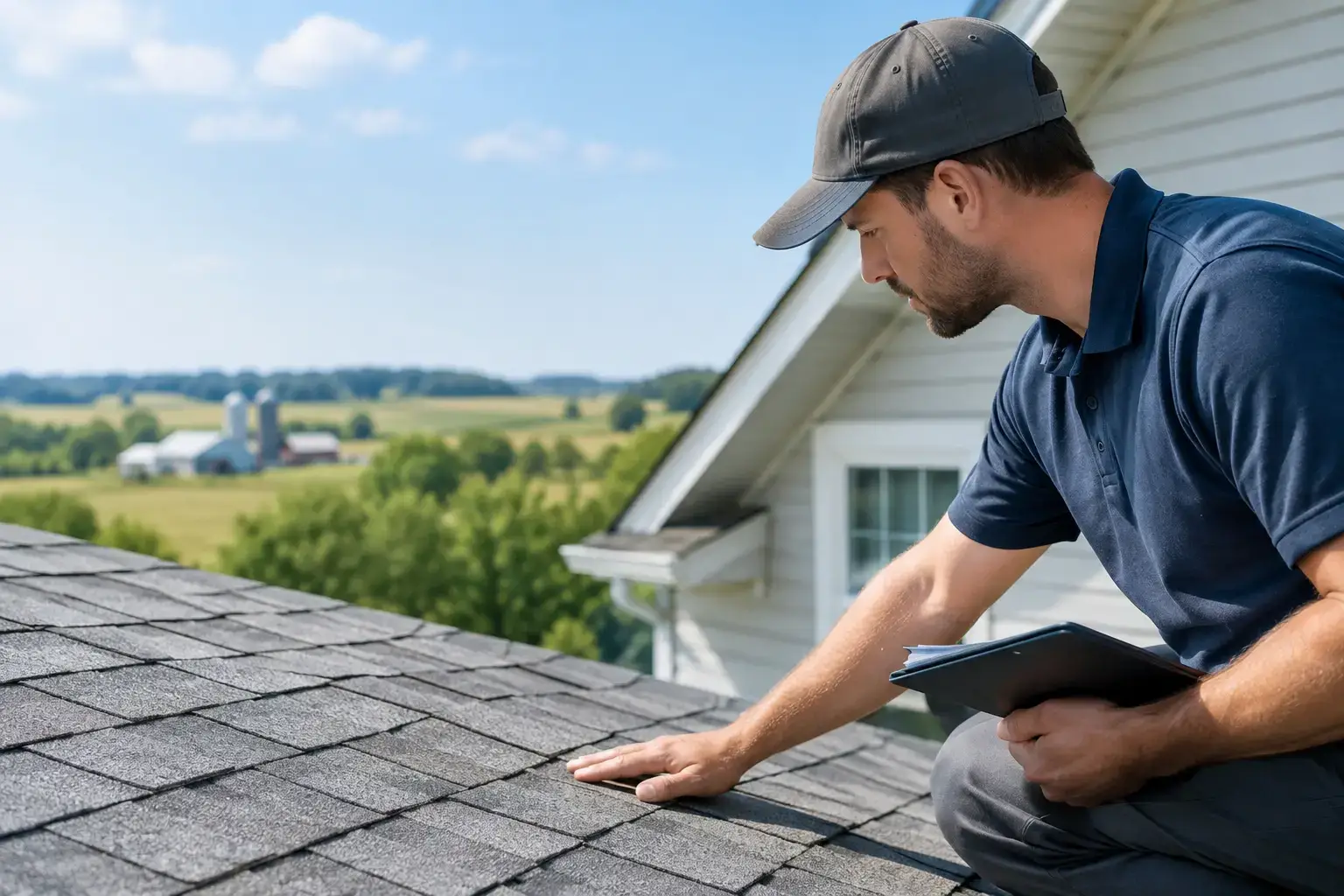
A professional inspection should separate isolated damage from broad system failure. If a newer roof has a limited number of missing shingles or damaged accessories, a properly matched repair may restore protection. This can be a sensible path when replacement materials are available and the surrounding roof remains in good condition.
Replacement becomes more practical when damage is widespread, the roof is nearing the end of its expected life, or matching existing materials would compromise appearance and performance. Multiple wind-lifted areas, widespread hail impact, repeated leaks, deteriorated decking, and failing flashing are signs that a repair may only postpone a larger investment.
A storm can also reveal that the roof was not designed around the home’s long-term needs. For example, a homeowner may choose a replacement that improves resistance to wind and hail, reduces maintenance concerns, or better complements new siding, windows, and gutters. Renovation is an opportunity to correct weaknesses rather than simply recreate the old system.
Look Beyond the Roofing Surface
A roof performs as part of a complete exterior system. Focusing only on shingles or panels can leave other storm-damaged components behind.
Gutters deserve close attention after wind and hail. Loose sections, bent downspouts, separated seams, and poor drainage can direct water toward the foundation or behind fascia boards. If gutters were already undersized or improperly pitched, a renovation may be the right time to correct water management for the entire home.
Flashing and ventilation also matter. Flashing protects vulnerable transitions around chimneys, skylights, walls, valleys, and plumbing penetrations. Ventilation helps manage heat and moisture in the attic, which supports roof longevity in both summer heat and winter cold. A new roof installed without attention to these details may not deliver the protection homeowners expect.
Coordinating roof, gutter, siding, and window work can also make practical sense after a significant storm. It can create a more consistent exterior appearance and reduce the chance that one trade disrupts newly completed work from another. The right scope depends on the condition of each component, not on a one-size-fits-all package.
Choose Materials for Iowa Weather and Your Home
Material selection should balance durability, appearance, budget, roof design, and the homeowner’s plans for the property. Asphalt shingles remain a popular option because they offer dependable protection, broad color choices, and an approachable investment. Dual-layer asphalt shingles can provide a dimensional look while delivering reliable weather performance.
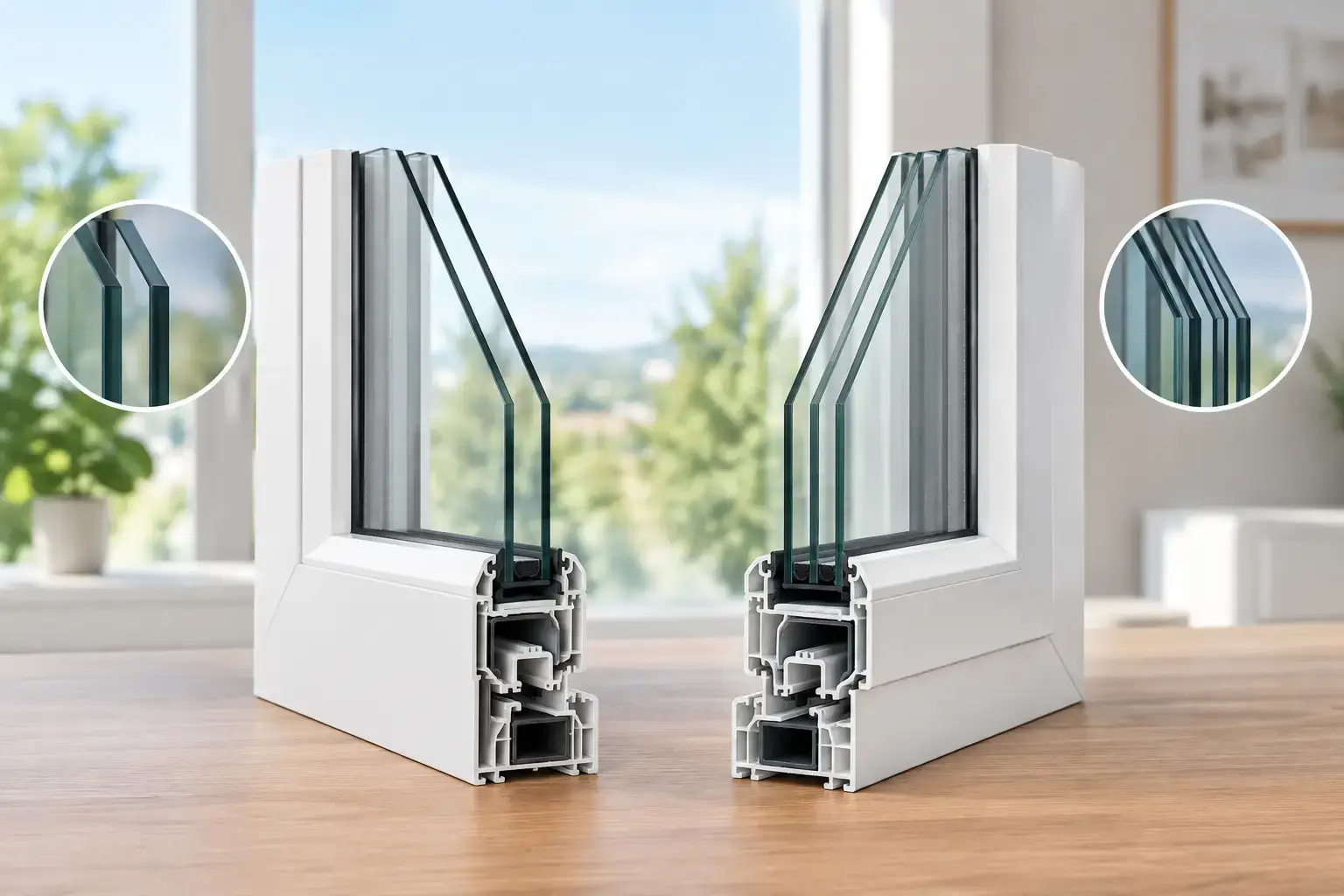
For homeowners focused on long-term resilience, stone-coated steel roofing offers a different path. It combines the strength of steel with architectural profiles that can complement traditional, contemporary, and distinctive home styles. The best profile is not simply the most dramatic one. Roof pitch, neighborhood character, color preferences, and architectural details all influence what will look right and perform well.
No roofing material is maintenance-free or invulnerable to severe weather. The advantage comes from selecting a quality system and pairing it with skilled installation, correct flashing, ventilation, and drainage. A lower initial price can be appealing, but the value of a roof is measured over years of protection, repair avoidance, curb appeal, and confidence during the next storm.
Work From an Inspection, Not a Sales Pitch
After storm damage, homeowners may hear conflicting opinions quickly. A trustworthy contractor should explain what was found, show the affected areas when possible, and describe the reasonable options. You should understand whether the recommendation is a repair, a partial renovation, or full replacement – and why.
Ask how the contractor will protect landscaping, manage debris, inspect decking, install flashing, and address ventilation. Request clear information about materials, workmanship, project timing, and what may change if concealed damage is discovered. Insurance coverage can be helpful, but coverage decisions are separate from a contractor’s inspection. Homeowners should avoid signing anything they do not fully understand or agreeing to work before reviewing the scope.
A detailed estimate helps make comparisons meaningful. The lowest number may exclude important components such as underlayment, flashing, ventilation, disposal, or gutter work. A complete plan makes it easier to compare protection, not just price.
Protect the Home Before the Next Forecast
Waiting can turn a manageable problem into a more involved renovation. Moisture trapped beneath damaged roofing can affect decking, insulation, framing, and interior finishes, while loose materials can worsen in the next high-wind event. At the same time, there is no benefit in rushing into a replacement without a clear assessment.
Guardian Roofing approaches storm recovery with the homeowner’s long-term protection in mind: inspect the full exterior system, explain the options plainly, and recommend materials that fit the home and Iowa conditions. A free quote and financing options can help make a necessary project easier to plan without sacrificing the durability your home deserves.
After the skies clear, the most reassuring next step is simple: get a qualified inspection, understand the condition of the entire roof system, and choose work that protects your home well beyond this season.