A roof rarely fails on a convenient schedule. One season it appears to be doing its job, and the next a windstorm exposes missing shingles, a ceiling stain appears after heavy rain, or granules begin collecting near the downspouts. Knowing the signs your roof needs replacement helps you address a problem while you still have choices, rather than after water reaches the inside of your home.
For Des Moines homeowners, that timing matters. Iowa roofs contend with wind, hail, driving rain, snow loads, freeze-thaw cycles, and summer heat. A replacement is a meaningful investment, but waiting too long can turn a roofing concern into decking, insulation, drywall, and interior repair work.
1. Your Roof Is Near or Beyond Its Expected Service Life
Age is not a diagnosis by itself, but it is a practical starting point. Many asphalt shingle roofs approach replacement age after roughly 20 to 30 years, depending on the shingle quality, installation, ventilation, weather exposure, and maintenance history. A roof installed before you bought the house may be older than it looks from the street.
Dual-layer asphalt shingles can provide strong, attractive protection, but no shingle roof is meant to last forever. If your roof is in the latter part of its expected lifespan, a professional inspection can tell you whether it still has useful life or whether deterioration is developing beneath the surface.
2. Shingles Are Curling, Cracking, or Losing Their Edges
Shingles should lie flat and overlap cleanly. When corners curl upward, edges lift, or surfaces split and crack, the roof becomes more vulnerable to wind-driven rain. These conditions often develop as shingles age, dry out, or lose the flexibility needed to handle changing temperatures.
A few isolated issues may be repairable, especially on a newer roof with matching materials available. Widespread curling or cracking is different. It usually indicates that the roofing system has reached a point where spot repairs will not restore consistent protection.
3. Missing Shingles Keep Appearing After Wind Events
A missing shingle is never just a cosmetic concern. It leaves the underlayment and roof deck more exposed to moisture and can allow wind to lift neighboring shingles. After a major storm, homeowners should look from the ground for bare patches, uneven roof lines, or shingle pieces in the yard.
One missing shingle on a younger roof may call for a targeted repair. Repeated losses across several slopes can point to aging materials, weakened seals, improper installation, or broader wind damage. In that case, replacement may offer a more dependable and cost-effective answer than repeated patching.
4. Granules Are Filling Gutters or Gathering at Downspouts
Asphalt shingles are coated with protective granules that help shield them from sunlight and weather. Some granule loss is normal, particularly after a new roof is installed. But a heavy, ongoing accumulation of gritty material in gutters or at the base of downspouts is one of the clearer signs a roof needs replacement.
When granules wear away, shingles can become more vulnerable to heat, moisture, and accelerated aging. Look for dark or shiny patches where the shingle surface appears uneven. Granule loss does not always mean an immediate replacement is necessary, but it deserves a close assessment when paired with roof age or other visible damage.
5. You See Water Stains, Drips, or Damp Insulation Indoors
A water stain on a ceiling may seem small, but it deserves prompt attention. The visible stain is often not directly below the point where water entered the roof. Moisture can travel along roof decking, framing, or insulation before it reaches the ceiling below.
Check the attic after a steady rain if it is safe to do so. Damp insulation, darkened wood, a musty odor, or visible daylight around penetrations should be evaluated. Not every leak means the entire roof needs to be replaced. Flashing around a vent, chimney, or skylight can sometimes be repaired. However, multiple leaks or evidence of widespread moisture intrusion may mean the roofing system is no longer protecting the home as it should.
6. The Roof Deck Feels Soft or Looks Sagged
A healthy roof should have straight, even planes. From the street, look for a dip in the ridge line, sagging between rafters, or areas that appear wavy rather than flat. Inside the attic, watch for bowed decking, dark water marks, or wood that feels soft when inspected by a qualified professional.
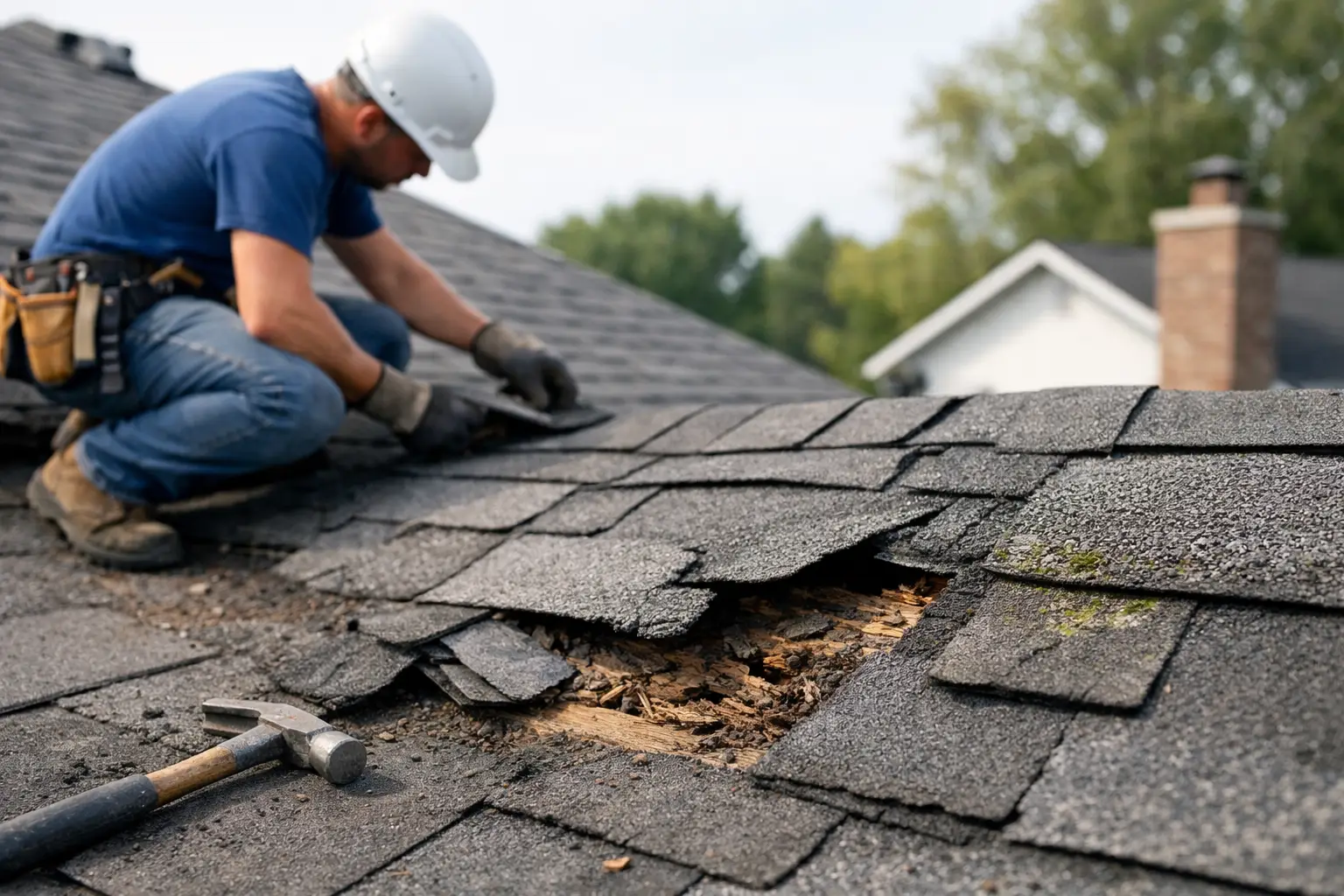
Decking damage can occur when water has entered over time and weakened the wood beneath the shingles. This is not a concern to postpone. A replacement project may need to include deck repairs so the new roofing system has a sound foundation and can perform as intended.
7. Storm Damage Is Visible Across More Than One Area
Hail can bruise shingles without creating an obvious hole, while high winds can break seals and lift edges that later allow water intrusion. Damage may be difficult for a homeowner to identify from the ground, particularly when it is scattered across the roof.
After severe weather, look for missing tabs, creased shingles, damaged vents, dented metal components, and debris around the home. A trained inspection can distinguish normal wear from storm-related damage and identify whether repairs are sufficient. If damage affects multiple slopes or compromises a substantial portion of the roof, replacement can provide more reliable long-term protection.
8. Moss, Algae, or Mold Keeps Returning
Dark streaks are often algae and may be mostly cosmetic at first. Moss is more concerning because it can hold moisture against the roof surface and work its way beneath shingle edges. Persistent growth can also reveal shade, drainage, and ventilation conditions that deserve attention.
Cleaning may improve appearance when the roof is otherwise sound. But if shingles are already brittle, lifted, or losing granules, aggressive cleaning can cause further damage. A roofing professional can help determine whether treatment, improved ventilation, gutter service, or a replacement is the better path.
9. Energy Bills Rise Without Another Clear Explanation
A higher heating or cooling bill does not automatically mean your roof has failed. Windows, HVAC equipment, insulation, and air leaks can all contribute. Still, the roof, attic ventilation, and insulation work together to manage heat and moisture in your home.
If the attic feels excessively hot in summer, shows condensation in winter, or has uneven insulation, it is worth evaluating the entire system. A roof replacement is an opportunity to correct ventilation concerns and protect the performance of the new materials. The goal is not simply a better-looking roof, but a home exterior that supports year-round comfort and resilience.
10. Repairs Are Becoming a Regular Expense
The repair-versus-replacement decision often comes down to pattern and timing. A small, isolated issue on a relatively new roof is usually worth repairing. But when leaks, lost shingles, flashing repairs, and patchwork solutions continue year after year, those costs can add up without solving the underlying problem.
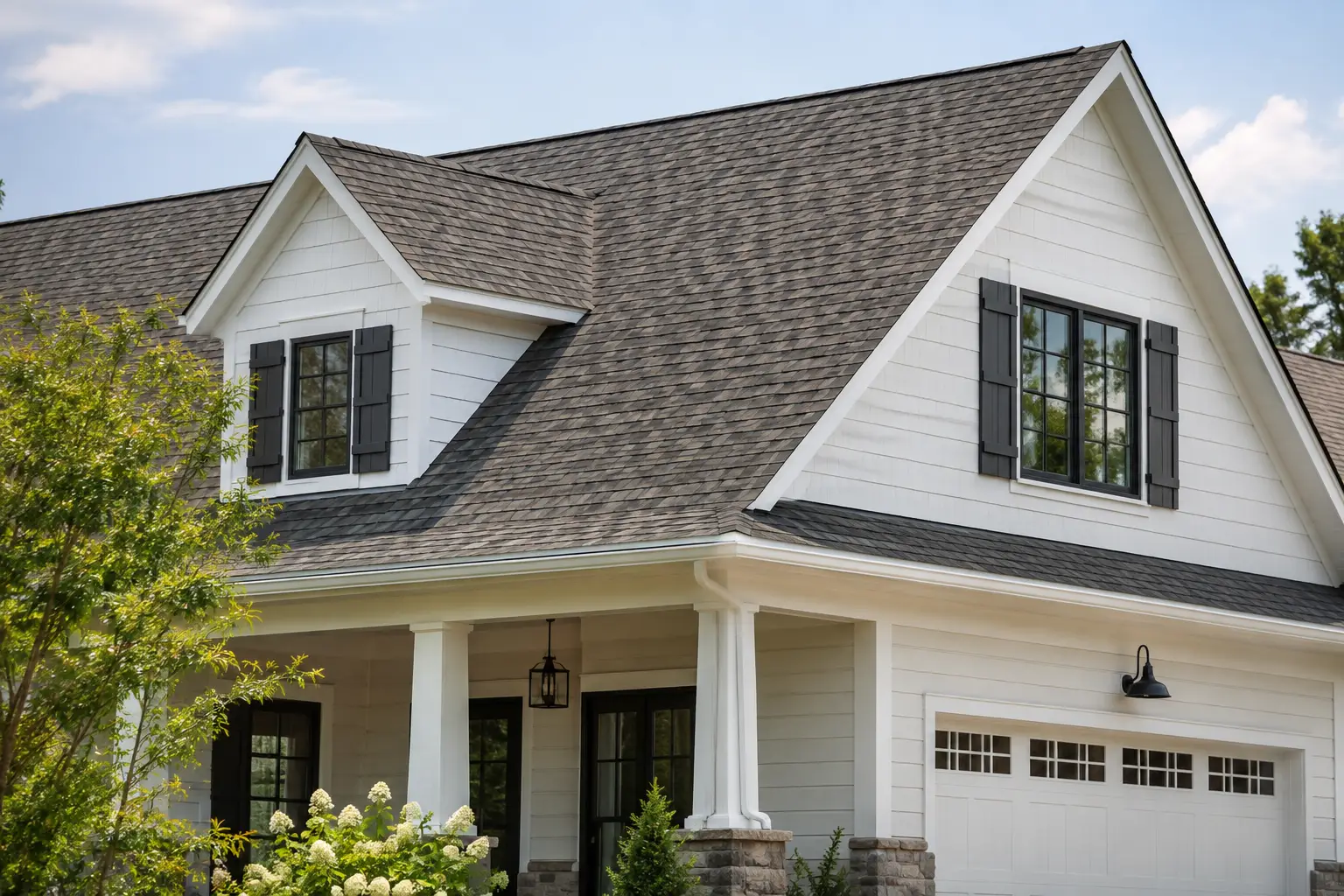
Replacement becomes the stronger value when the roof is near the end of its lifespan, damage is widespread, matching materials are no longer available, or repairs would leave large portions of aged roofing in place. It also allows homeowners to choose a system that better fits their priorities, whether that means the dimensional style and color range of dual-layer asphalt shingles or the long-term durability of stone-coated steel roofing.
What to Do When You Notice Roof Replacement Warning Signs
Start with a visual check from the ground and make note of what you see, including the date of recent storms. Avoid walking on the roof. Walking on aged or damaged shingles can be unsafe and may cause additional breakage.
Then schedule a professional evaluation. A clear assessment should explain the roof’s condition, identify whether repairs are practical, and outline replacement options without pressure. Guardian Roofing helps homeowners compare durable roof systems based on the home’s design, local weather exposure, budget, and long-term goals. A free quote and available financing can make it easier to plan a project before a minor concern becomes an emergency.
Your roof protects more than the rooms beneath it. Addressing early warning signs gives you time to select materials you trust, preserve your home’s curb appeal, and move forward with confidence before the next Iowa storm tests the roof overhead.