A roof in Des Moines may face hail in April, severe wind in June, baking sun in August, and heavy snow before the year is over. Finding the best roofing for Iowa weather is not about choosing the most expensive material or the most popular color. It is about selecting a complete roofing system that can protect your home through repeated weather extremes while still fitting your budget, architectural style, and long-term plans.
For many Iowa homeowners, the strongest choices come down to stone-coated steel roofing and high-quality dual-layer asphalt shingles. Both can provide dependable protection when they are matched to the home and installed with care. The right answer depends on what your roof has endured, how long you plan to stay in the home, and the level of durability you expect from your investment.
What the Best Roofing for Iowa Weather Must Handle
Iowa weather puts more than one kind of stress on a roof. A material that looks good after a mild summer may not perform as well after years of freeze-thaw cycles, wind-driven rain, ice, hail, and rapid temperature changes. That is why homeowners should evaluate roofing materials as a system, not simply by the appearance of a sample shingle.
Wind is a major consideration. Strong thunderstorms can lift loose edges, damage aging shingles, and drive rain beneath vulnerable flashing. A roof needs properly installed underlayment, secure fastening, sound ventilation, and careful attention around chimneys, valleys, skylights, and wall transitions. These details often determine whether a storm remains a nuisance or becomes an interior water-damage problem.
Hail presents another challenge. Even when hail does not create an immediate leak, repeated impacts can weaken shingle surfaces, expose asphalt layers, or reduce the roof’s remaining service life. Steel roofing offers a particularly durable option for homeowners who want added confidence against recurring severe-weather exposure.
Winter brings its own demands. Snow loads, ice buildup, and daytime melting followed by overnight freezing can test every part of the roof edge. Adequate attic insulation and ventilation matter here because excessive heat escaping from the home can melt roof snow unevenly. When that water refreezes near the eaves, ice dams can form and force water where it does not belong.
Stone-Coated Steel Roofing: Built for Long-Term Resilience
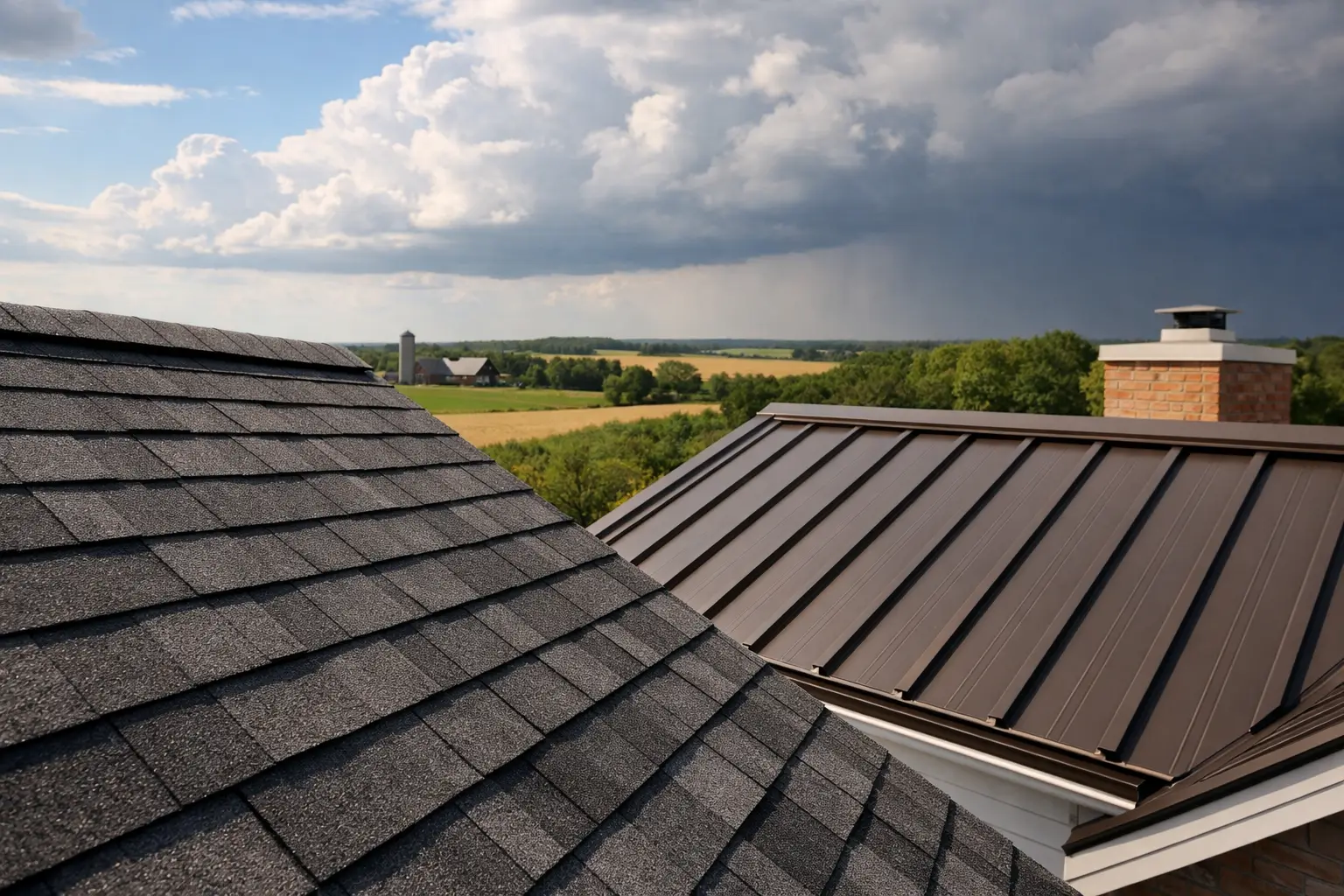
For homeowners seeking premium, lifetime-oriented protection, stone-coated steel is often one of the best roofing options for Iowa weather. It combines the strength of steel with a textured, architectural finish that can complement a broad range of home styles. Rather than looking industrial, stone-coated steel can create the appearance of traditional shingles, shake, tile, or other distinctive profiles.
The practical advantage is durability. A steel roof is designed to stand up to the conditions that commonly shorten the life of conventional roofing, including wind, hail, rain, snow, and changing temperatures. It is also a strong option for homeowners replacing a roof that has suffered repeated storm damage or who want to avoid making the same replacement decision again in the near future.
Stone-coated steel is not the lowest-cost option upfront, and that trade-off deserves an honest look. The initial investment is generally higher than asphalt shingles. However, homeowners who plan to remain in their home for many years may find greater value in a roof built for long-term performance, lower maintenance needs, and lasting curb appeal. Its durability can make the cost easier to justify when compared with multiple future asphalt replacements.
Aesthetic flexibility is another reason steel deserves consideration. The roofing profile and color should work with the home’s siding, brick, trim, gutters, and surrounding neighborhood. A well-chosen steel roof can make a home look more finished while delivering protection that goes far beyond appearance.
Dual-Layer Asphalt Shingles: Proven Protection and Value
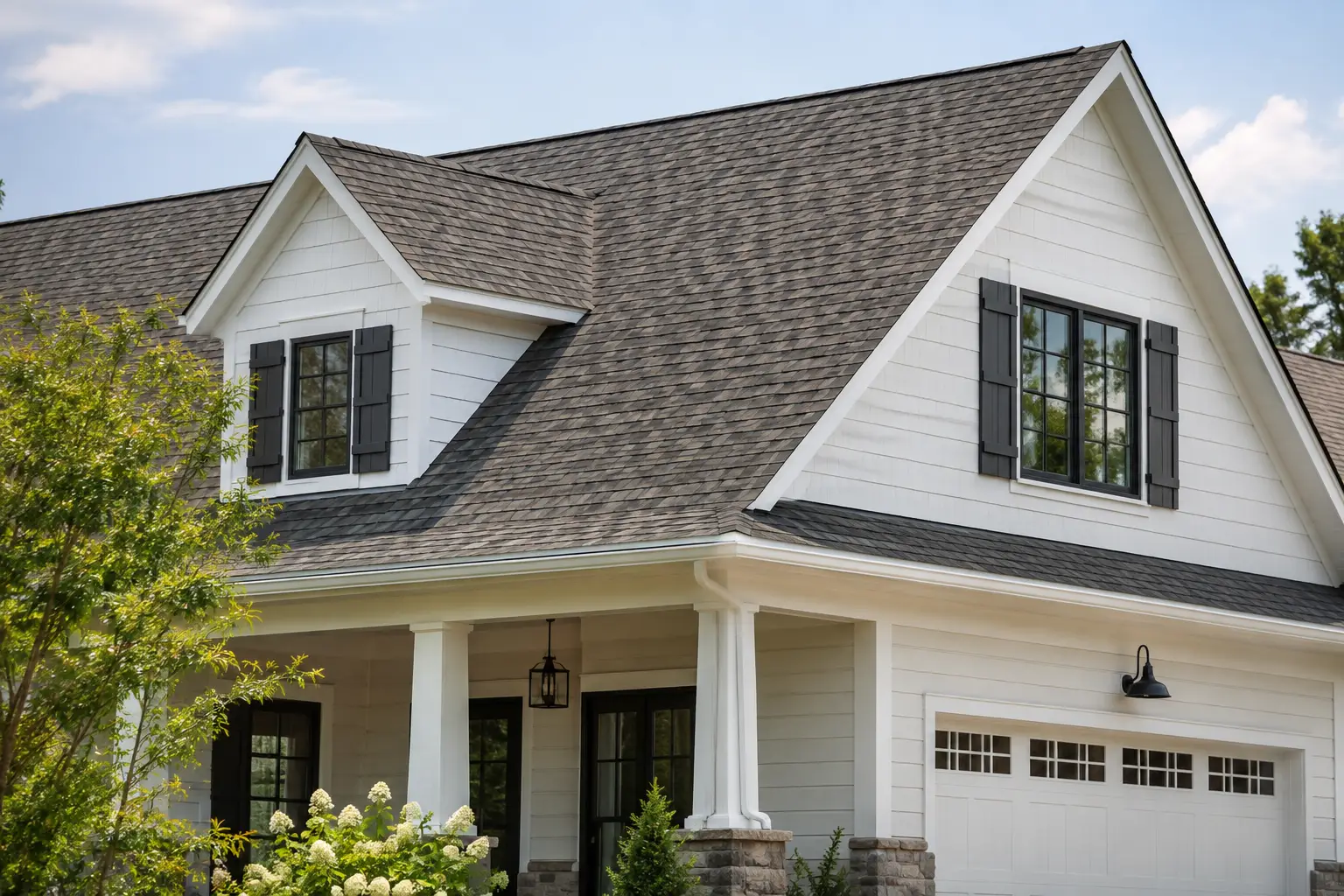
Dual-layer asphalt shingles remain a practical, trusted choice for many Iowa homes. They offer dependable weather protection, familiar architectural styling, and a broad selection of colors. For a homeowner who needs a quality roof replacement at a more accessible starting investment, dual-layer shingles can be an excellent fit.
The key distinction is quality. Not all asphalt shingles offer the same level of performance. A dual-layer design provides more depth and dimension than basic three-tab shingles, improving curb appeal while delivering stronger protection. When paired with quality underlayment, ice-and-water protection in critical areas, proper ventilation, and skilled installation, a dual-layer shingle roof can serve an Iowa home well for years.
Asphalt also makes sense when design coordination is a priority. Homeowners can select colors that brighten a traditional exterior, add contrast to light siding, or create a more grounded look with brick or stone. Because roofing covers such a large visual area, the right shade can change the entire appearance of a home.
The trade-off is that asphalt is more vulnerable than steel to the cumulative effects of severe weather and age. Hail, wind, granule loss, and thermal cycling may eventually lead to repairs or replacement. That does not make asphalt the wrong choice. It simply means the material should align with your budget, your expected ownership timeline, and your home’s exposure to storms.
Your Roof System Matters as Much as the Surface Material
A roofing material can only perform as well as the system beneath and around it. Homeowners sometimes focus on the visible roof covering while overlooking the components that manage moisture and airflow. Those components are essential in Iowa’s climate.
Underlayment provides a secondary layer of defense beneath the roof surface. Flashing directs water away from vulnerable intersections. Ice-and-water barrier helps protect areas where snow melt and ice can create greater risk. Ventilation helps control attic heat and moisture, supporting both the roof and the comfort of the home below.
Installation quality is equally important. A roof replacement should begin with a careful look at decking condition, roof geometry, drainage patterns, penetrations, and existing ventilation. If the decking is compromised or flashing is poorly integrated, installing new material over those problems will not create lasting protection. A thorough contractor identifies those concerns before the work begins and explains the recommended solution in clear terms.
How to Choose Between Steel and Asphalt
Start with the weather history of your property. If your neighborhood regularly experiences hail or your current roof has needed repeated storm repairs, stone-coated steel may provide the durability you want. If your roof is nearing the end of its life but you need a cost-conscious replacement with strong visual options, dual-layer asphalt shingles may be the more practical choice.
Next, consider how long you expect to own the home. A homeowner planning to stay for decades may place more value on steel’s long-term performance. Someone preparing a home for sale or managing a near-term replacement budget may prefer the dependable protection and curb appeal of premium asphalt.
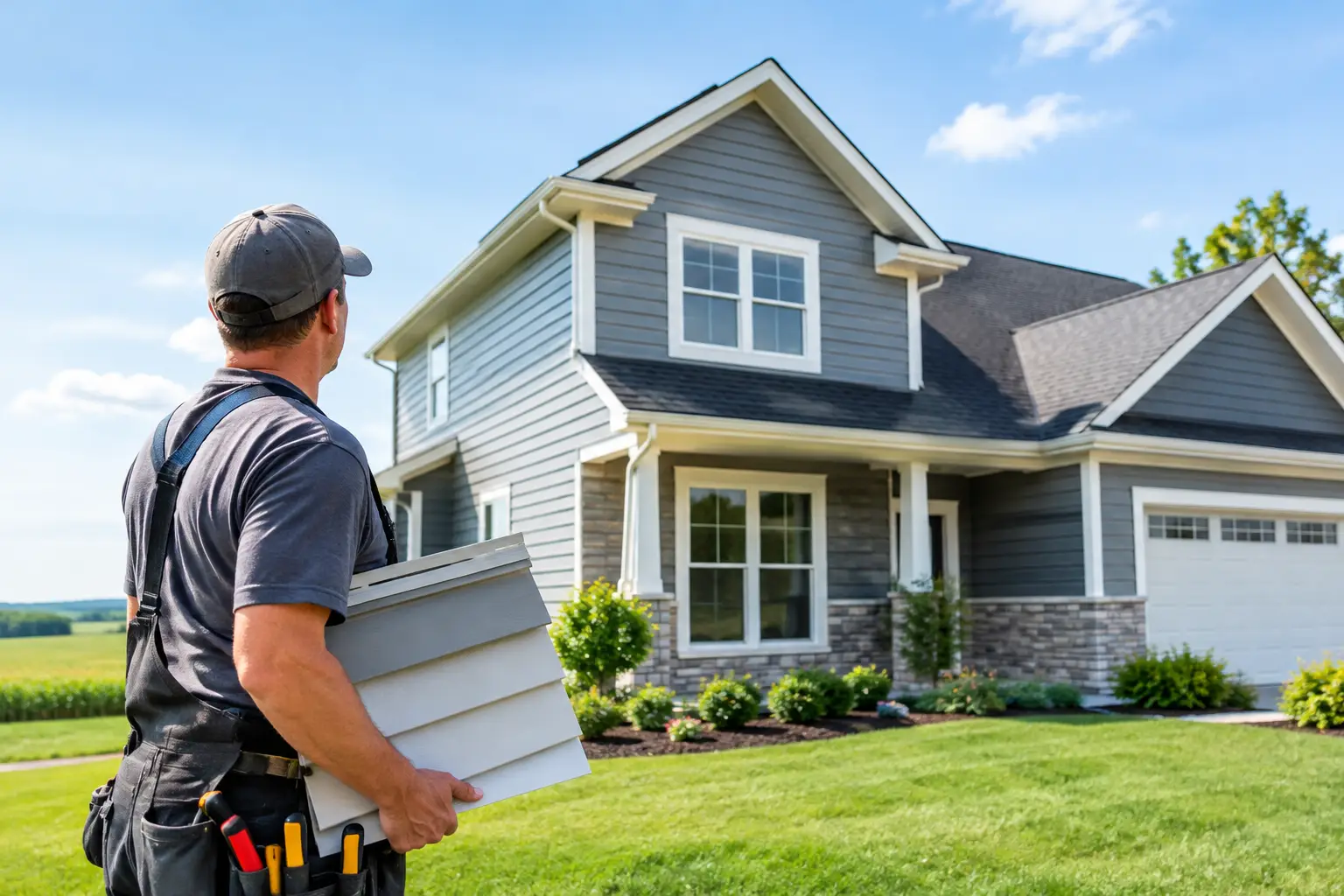
Finally, look at the entire exterior. Roofing should not be chosen in isolation from siding, windows, and gutters. A coordinated exterior plan can improve water management, energy efficiency, appearance, and long-term maintenance. Even a durable roof benefits from gutters that direct water away from the foundation and exterior components that work together against the elements.
A Confident Next Step for Iowa Homeowners
The best choice becomes clearer when you can see material options on your own home, discuss the condition of the existing roof, and receive a straightforward explanation of the investment. Guardian Roofing helps Des Moines-area homeowners compare durable stone-coated steel profiles and dual-layer asphalt shingle options based on real weather exposure, style goals, and budget.
Before the next major storm tests your roof, schedule a professional evaluation and ask direct questions about the material, the full installation system, warranty coverage, and financing options. A roof replacement is a major decision, but it should leave you with a simple result: protection you can count on when Iowa weather changes without warning.