A Des Moines roof has to do more than look good from the street. It must stand up to wind-driven rain, heavy snow, freeze-thaw cycles, summer heat, and the occasional hailstorm that can change a homeowner’s plans overnight. The most useful roofing technology trends are not flashy gadgets. They are practical improvements in materials, installation methods, and system design that help a roof protect the home for decades.
For homeowners considering a replacement, the key question is not simply, “What is new?” It is, “What will perform well on my house, in Iowa weather, and within my long-term budget?” That distinction matters. Some newer features add meaningful protection and value, while others may be unnecessary for a particular roof.
Roofing Technology Trends Built for Better Protection
Stronger engineered roofing materials
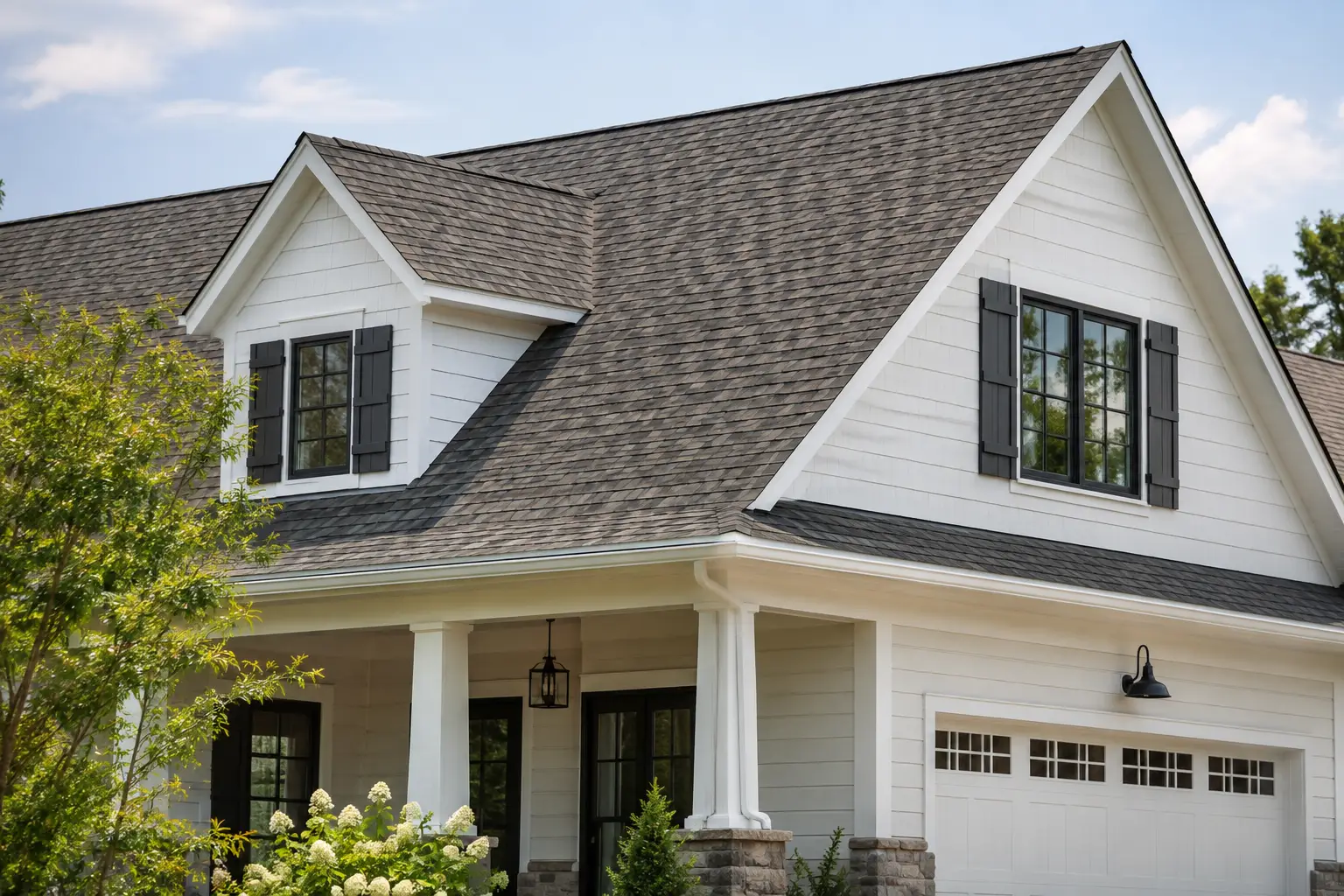
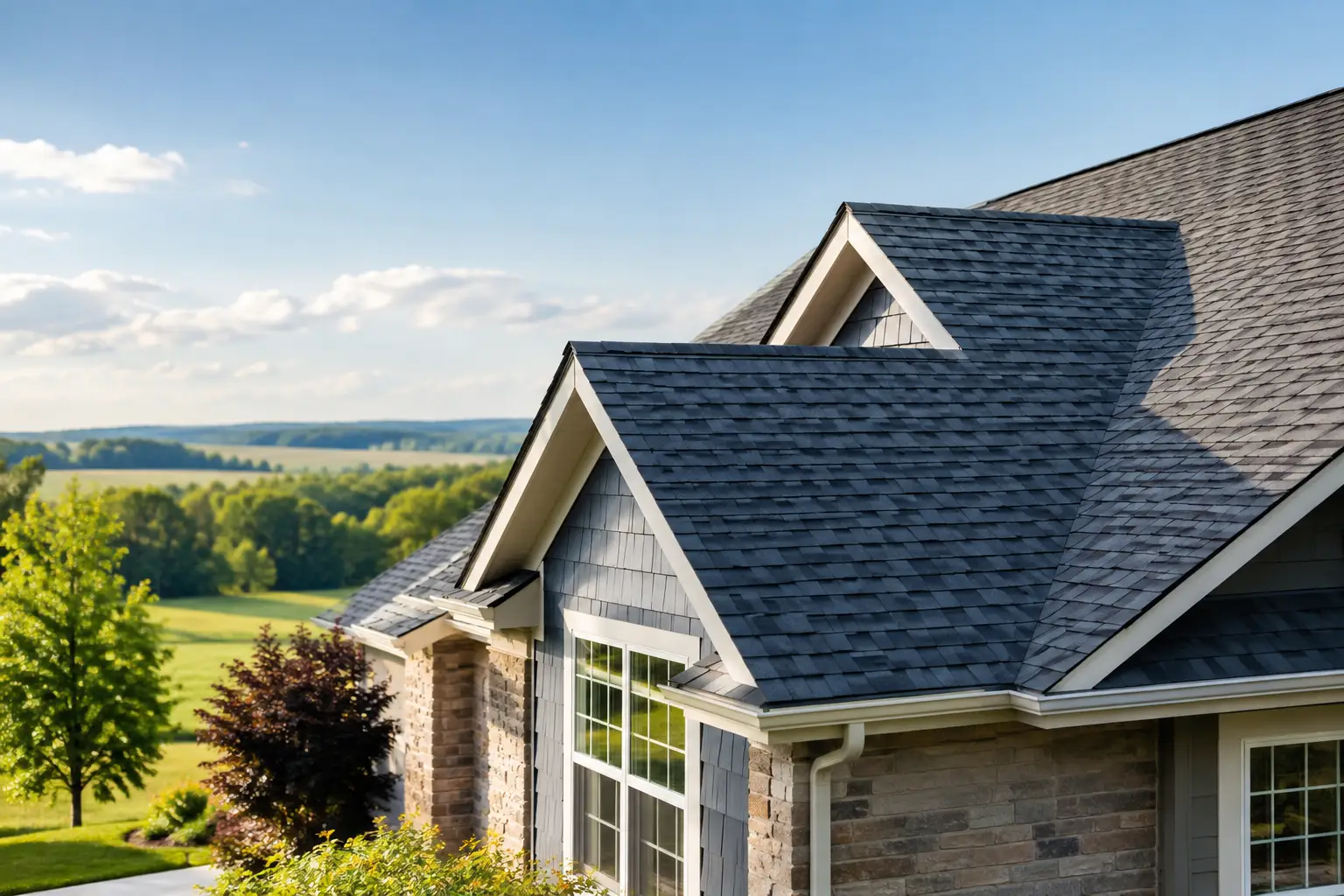
One of the clearest advances in residential roofing is the move toward materials engineered for specific performance needs. Modern dual-layer asphalt shingles are designed to provide more depth, strength, and visual definition than basic single-layer options. Their layered construction can create a richer architectural appearance while helping homeowners choose from a wide range of colors that suit their siding, windows, and overall exterior style.
For homeowners who want a roof built around long-term durability, stone-coated steel has also become a leading option. Steel roofing systems combine the strength of metal with textured finishes and architectural profiles that can resemble more traditional roofing styles. Unified Steel stone-coated roofing, for example, is available in profiles that let homeowners pursue the look they want without giving up the benefits of a durable steel system.
Material selection still depends on the home. Asphalt shingles can be an excellent, cost-conscious choice for many Iowa properties. Steel can make particular sense for homeowners focused on lifetime-oriented performance, weather resilience, and a distinctive finished appearance. A qualified contractor should explain those trade-offs clearly rather than steer every home toward one material.
Better defense at the roof’s most vulnerable points
Most roof failures do not begin in the middle of the field shingles or panels. They often begin around penetrations, valleys, eaves, chimneys, skylights, and wall intersections. That is why modern roofing systems place greater emphasis on high-performance underlayment, flashing details, and water-management components.
Synthetic underlayments are lighter and more tear-resistant than older felt products, and they can provide a dependable secondary layer of protection beneath the finished roof covering. Ice and water barriers are especially valuable along eaves and in other vulnerable areas where melting snow can refreeze. When water backs up under roofing materials, the right membrane can help prevent it from reaching the roof deck.
Proper flashing is equally important. Even premium shingles or steel panels cannot compensate for careless installation around a chimney or vent pipe. Technology has improved the products available, but experienced workmanship remains the difference between a roof that merely looks finished and a system that truly protects the home.
Ventilation designed as part of the system
A roof is not just an exterior surface. It works with the attic beneath it. Improved ventilation planning is one of the roofing technology trends homeowners may not see, but they can feel its effects in attic moisture, indoor comfort, and the lifespan of roofing materials.
A balanced ventilation system generally allows fresh air to enter low on the roof and warm, moist air to exit near the ridge. In winter, this helps reduce the conditions that contribute to condensation and ice dams. In summer, it can reduce excessive attic heat that places extra stress on the roof and insulation.
Ventilation is not a one-size-fits-all upgrade. The right approach depends on the attic layout, insulation level, roof shape, and existing intake and exhaust paths. Adding more exhaust vents without adequate intake, for example, may not solve the underlying problem. A complete assessment is more valuable than a quick add-on.
Smarter Roofing Decisions Before Installation Begins
Digital measurements and detailed planning
Technology is also changing how a replacement roof is planned. Digital measurement tools, aerial imagery, and estimating software can help contractors calculate roof dimensions, slopes, valleys, and material quantities with greater consistency. This can support a more accurate quote and reduce the chance of surprises once work begins.
These tools are helpful, but they do not replace an in-person inspection. Aerial measurements cannot always reveal soft decking, improper flashing, ventilation concerns, or damage hidden beneath old shingles. The best process combines modern measurement technology with an experienced professional who evaluates the property directly.
For homeowners, this means the estimate conversation can be more productive. Instead of choosing based only on a square-foot price, you can discuss the full roofing system: material, underlayment, flashing, ventilation, drainage, and any exterior updates that should be coordinated at the same time.
Color and profile visualization
Choosing a roof color used to involve comparing small sample boards in changing daylight. Those samples remain valuable, but visualization tools now make it easier to consider how a color or roofing profile may look across the full home. This can be especially useful when coordinating a roof replacement with new siding, gutters, or windows.
Curb appeal matters, but color selection should also be practical. Darker roofing may create a bold, classic look, while lighter colors can complement certain exterior palettes and reflect more sunlight. The best choice depends on the home’s architectural style, neighborhood setting, exterior materials, and the homeowner’s preferences.
A dependable contractor will help narrow the options without treating style as an afterthought. Your roof occupies a major portion of the home’s visible exterior. It should protect the property while supporting the appearance you want to enjoy for years.
Weather Monitoring and Maintenance Technology
Weather alerts, satellite imagery, and photo documentation have made storm response more organized for homeowners and contractors alike. After severe wind or hail, timely documentation can help establish the condition of the roof and identify visible concerns before a small problem allows water into the home.
Homeowners do not need a complicated monitoring system to care for a roof properly. A visual check from the ground after major storms, attention to loose or overflowing gutters, and prompt professional inspections when damage is suspected remain smart habits. If you notice granules collecting heavily near downspouts, missing shingles, lifted edges, bent metal, or staining on an interior ceiling, it is worth scheduling an assessment.
Drones can assist with visual inspections on steep or complex rooflines, particularly where access is limited. Still, drone photos are only one piece of the evaluation. A close inspection of flashing, roof edges, attic conditions, and drainage components may be necessary to understand what the images cannot show.
The Connected Exterior Matters More Than Ever
A major roofing trend is really a planning trend: homeowners increasingly view the roof as part of a complete exterior protection system. Gutters direct water away from the foundation. Siding helps shield wall assemblies from moisture and wind. Windows affect comfort and energy performance. When these components are aging at the same time, addressing them in a coordinated project can improve both appearance and long-term value.
This does not mean every roof replacement requires new siding and windows. It means the work should be evaluated together. For example, replacing gutters after a new roof may be a practical opportunity to improve drainage, while damaged fascia or siding near the roofline should not be ignored simply because the primary project is roofing.
Guardian Roofing approaches these choices with the goal of matching the system to the property, not selling a feature for its own sake. A free quote should give you a clear picture of what your home needs now, what can wait, and what investment best supports lasting protection.
The right roof is rarely the one with the longest feature list. It is the one installed with care, designed for local weather, and supported by materials that give you confidence every time the forecast turns rough.