A roof replacement is one of the most valuable improvements you can make to a Des Moines home, but it is also an active construction project. Materials arrive, crews work overhead, and the usual rhythm of your household changes for a short time. The right preparation can reduce roof replacement disruption without cutting corners on the work that protects your home for years to come.
A professional installation team should help set expectations before the first bundle of shingles or steel roofing arrives. When homeowners understand the schedule, prepare the property, and plan around the noisiest parts of the job, replacement day becomes far more manageable.
How to Reduce Roof Replacement Disruption Before Work Begins
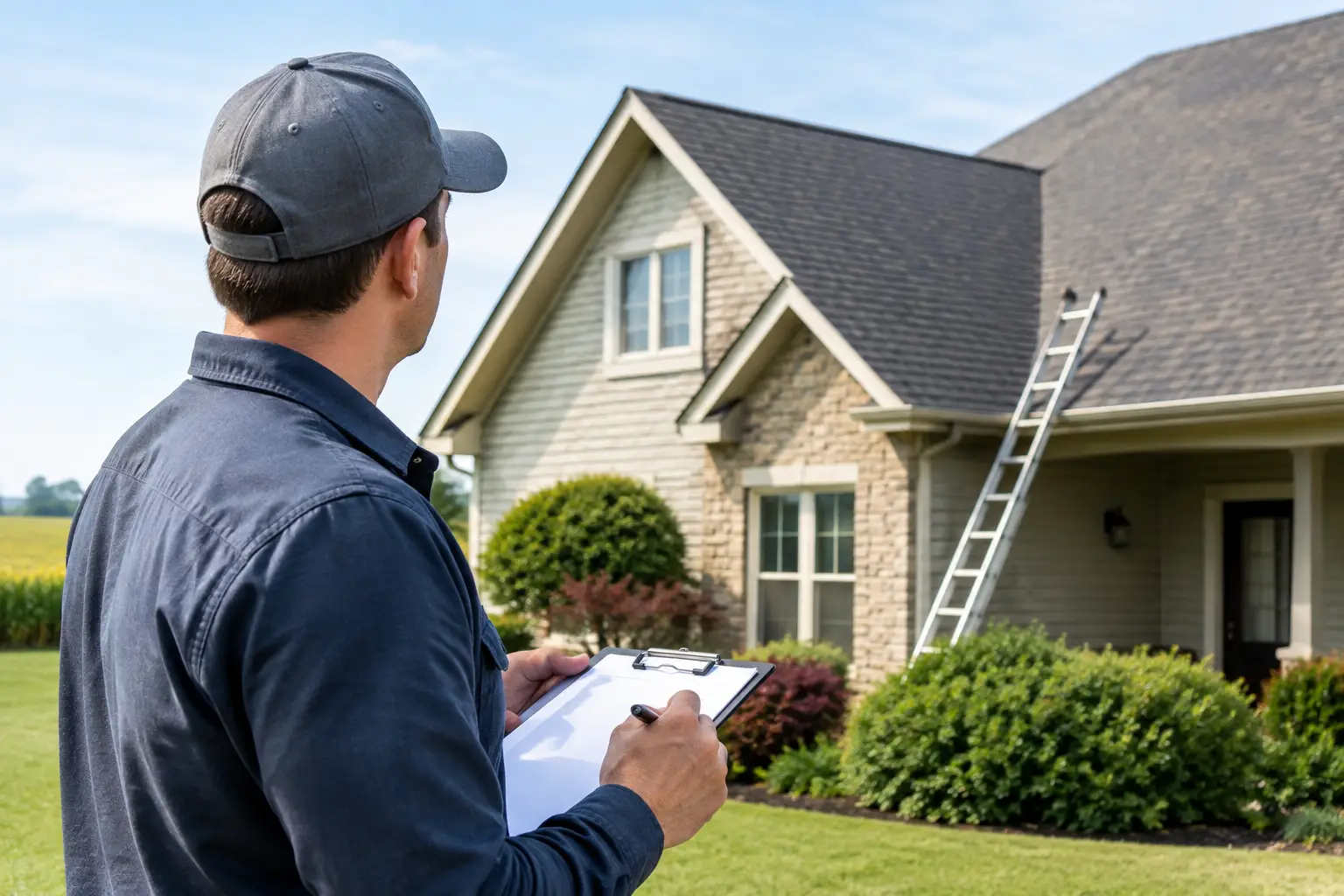
The most useful conversations happen before installation day. Ask your contractor when materials will be delivered, where the dumpster or trailer will be placed, how long the project is expected to take, and whether weather could affect the schedule. In Iowa, rain, high winds, and temperature swings can change a planned workday. A dependable contractor will monitor conditions and protect exposed areas rather than rush through work in unsafe weather.
Confirm who your main point of contact will be. You should know how to reach the project team if you have a question about access, pets, parking, or an unexpected change to the schedule. Clear communication does more than provide convenience. It helps prevent small site issues from becoming delays.
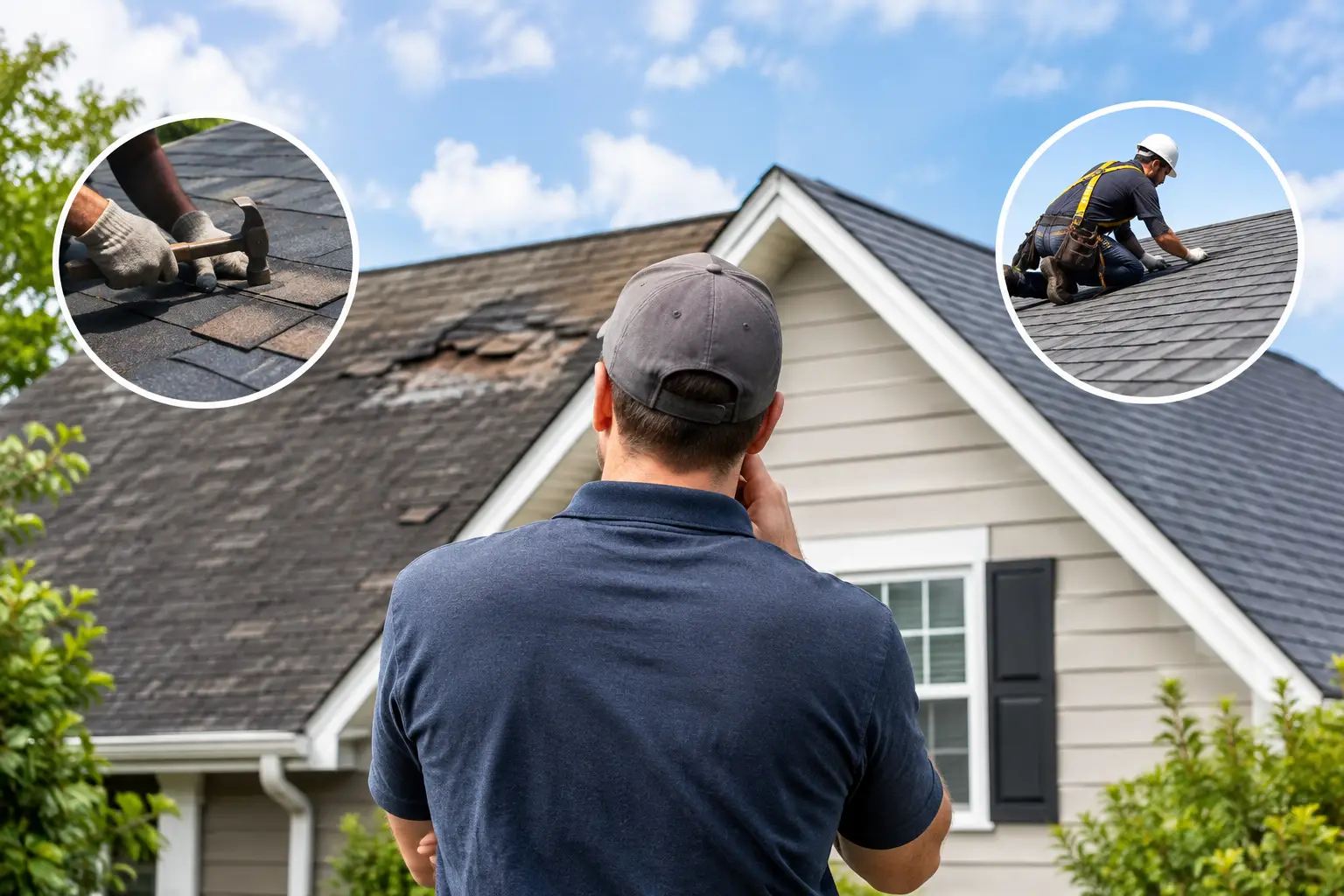
It is also wise to discuss the condition of the existing roof before work begins. Once old materials come off, the crew may uncover damaged decking, deteriorated flashing, or ventilation concerns that were not visible from the ground. These findings can require additional work, but addressing them is part of building a roof system that can stand up to wind, rain, snow, and changing Midwest seasons.
Plan your driveway and access areas
Roofing crews need room for vehicles, material delivery, and debris removal. Move cars out of the garage and driveway before the crew arrives, preferably to a location where they will not be blocked in. This protects vehicles from dust and falling debris while giving the team safe access to the roofline.
If you share a driveway or live on a narrow street, let nearby neighbors know about the project in advance. A brief heads-up about possible noise, delivery trucks, and temporary parking changes is a considerate step that can prevent avoidable frustration.
Protect the spaces around your home
Walk around the exterior and move patio furniture, grills, planters, children’s toys, hanging decorations, and other loose items away from the work area. Clear items from decks and porches whenever possible. Crews use ground protection, but creating an open workspace helps them move efficiently and makes cleanup easier.
Trim back low branches that interfere with roof access, and make sure gates are unlocked if the crew needs to reach a fenced area. If you have a sprinkler system, mark exposed heads near the home so they are easier to avoid. These small preparations protect your property and save time once work is underway.
Prepare Your Household for a Noisy Workday
Roof replacement is loud by nature. Removing old roofing, fastening new materials, and moving bundles across the roof can create vibration and sharp, repeated noise. For many homes, the most disruptive portion occurs during tear-off, when the existing roof is removed.
If you work from home, plan for a different workspace that day if you have calls requiring concentration. Families with infants, young children, or household members who are sensitive to noise may prefer to schedule errands, school activities, or a visit with relatives during the busiest hours. The project may be brief, but a quiet alternative can make the day much easier.
Pets deserve special consideration. Even calm dogs and cats can become distressed by unfamiliar people, banging sounds, and vibrations overhead. Keep pets indoors in a quiet room away from the work zone, arrange pet care off-site, or take them with you for part of the day. Let the crew know about pets before work starts, especially if they need access through a gated yard.
Inside the home, remove fragile items from walls and shelves where vibration may affect them. Pictures, mirrors, decorative glass, and loosely mounted items deserve a quick check. Cover belongings in the attic if it is used for storage, since fine dust can enter while old roofing materials are removed.
Keep Installation Day Organized and Safe
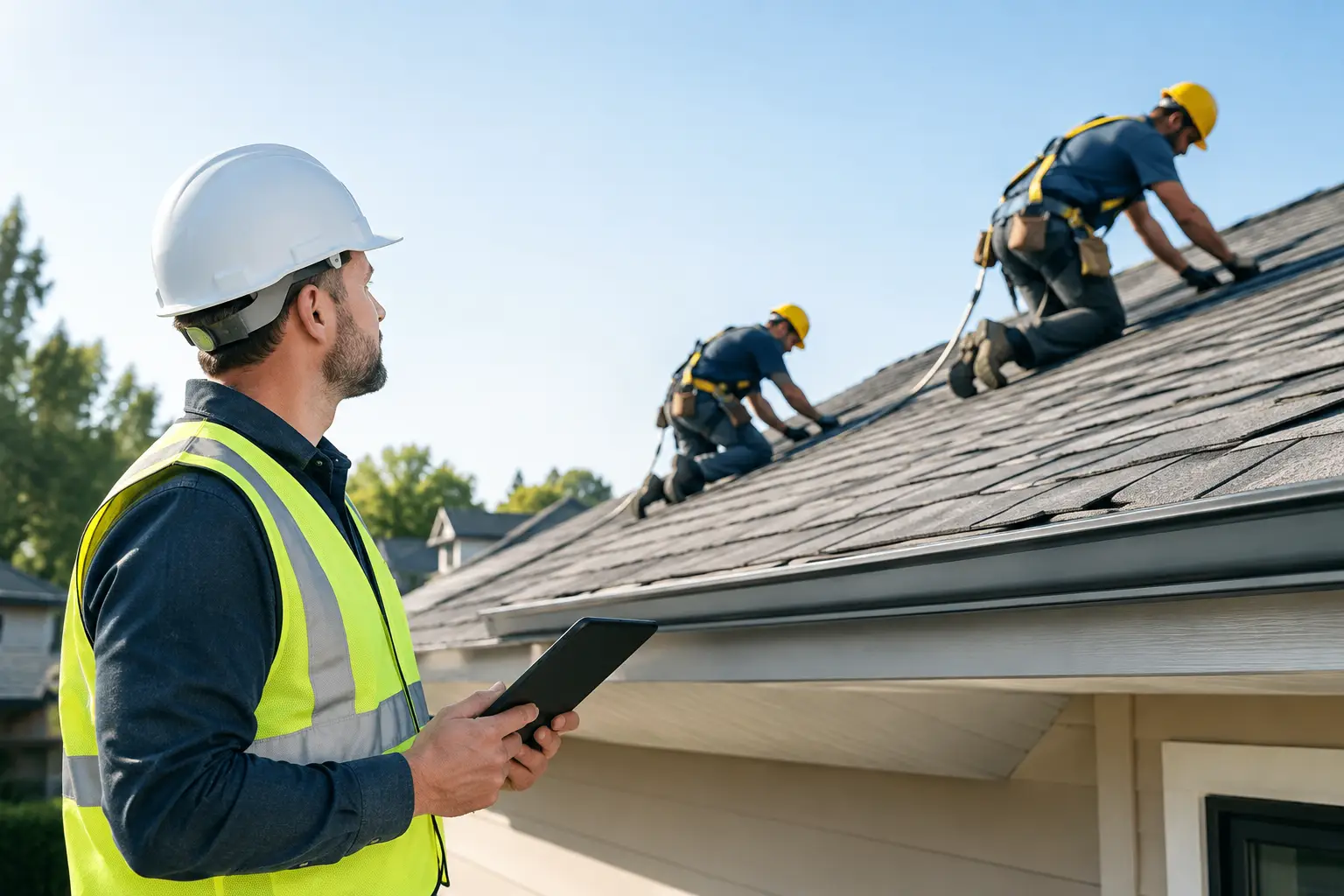
On installation day, give the crew a clear path to the house and keep children away from the work area. Roofing involves tools, ladders, nails, and falling material, so the yard should be treated as a construction zone until the final cleanup is complete.
You do not need to supervise every step of the project. In fact, allowing trained installers room to work is usually the best way to keep the job on track. Be available by phone, however, in case the team needs approval for an unforeseen repair or has a question about the property.
Expect some temporary inconvenience around entrances and garages. Use the door that is furthest from active work when possible, and avoid walking directly beneath areas where roofing materials are being removed or installed. If you need to leave during the day, tell the project contact beforehand so the crew can help keep access clear.
A quality contractor will also plan for daily cleanup. Crews should collect larger debris, use magnetic tools to locate stray nails, and keep materials contained as the work progresses. Still, homeowners should wait until the team confirms that the site is clear before allowing children or pets back into the yard.
Choose a Roof System That Limits Future Disruption
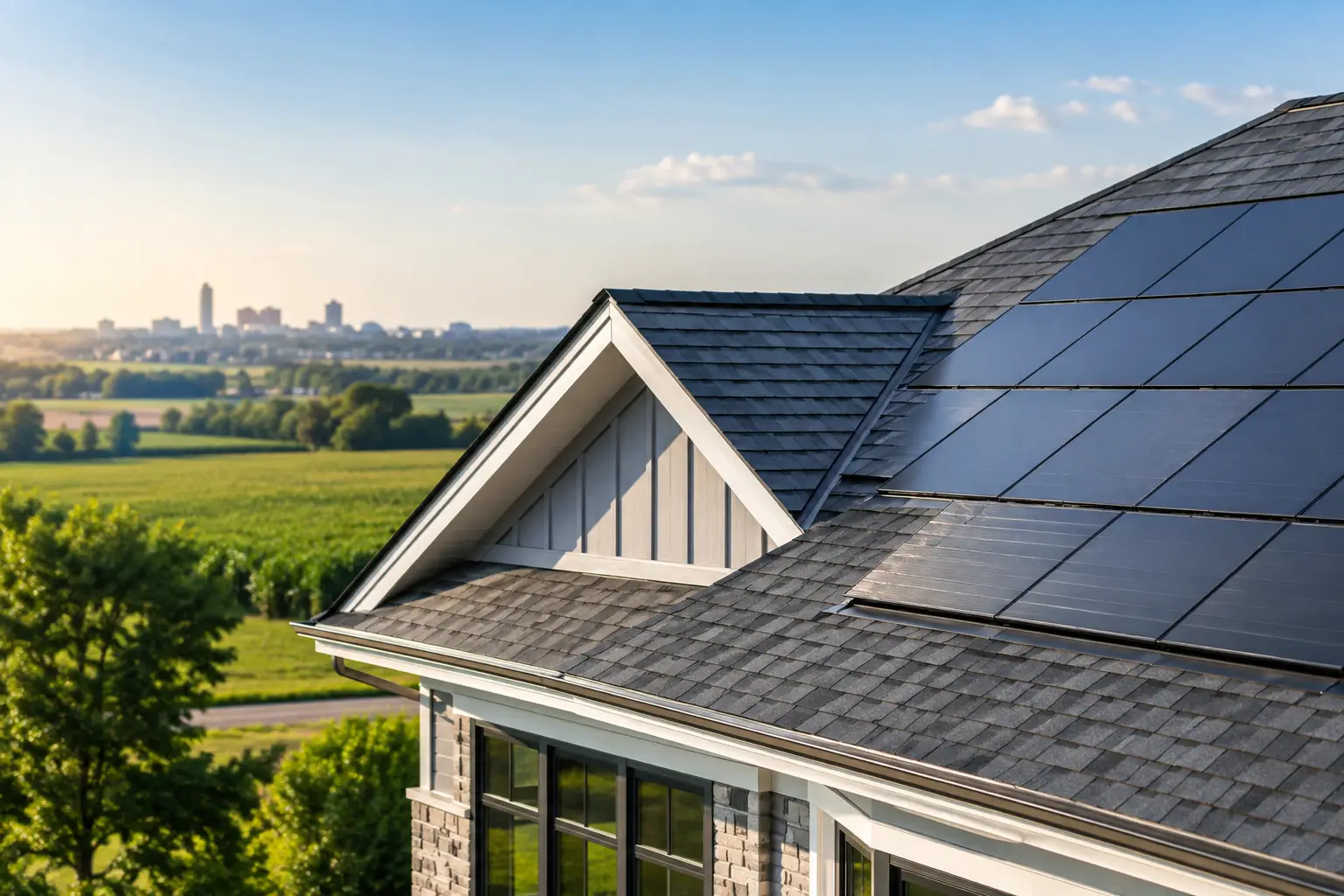
One of the best ways to reduce the disruption associated with roofing is to choose a system designed for long-term performance. The right material depends on your home’s architecture, your budget, local weather exposure, and the look you want to achieve.
Dual-layer asphalt shingles offer familiar style, broad color choices, and dependable protection for many Iowa homes. They can be an excellent fit when homeowners want a durable, attractive roof at a practical price point. Stone-coated steel roofing offers a different set of advantages, including exceptional durability and architectural profiles that can complement a wide range of homes.
There is no single material that is right for every property. A homeowner planning to stay in the house for decades may place more value on lifetime-oriented performance, while someone preparing to sell may focus on curb appeal, budget, and broad buyer appeal. The key is to look beyond the immediate project and consider what will best protect the home over time.
Coordinating related exterior work can also prevent repeated disruptions. If gutters, siding, or windows are nearing the end of their service life, it may make sense to discuss the timing of those projects during the roofing consultation. Combining work is not always necessary, but a coordinated plan can reduce the number of separate construction periods and help create a more unified exterior appearance.
What to Expect After the Crew Leaves
After installation, walk the property with your contractor if a final review is offered. Look over the roof from the ground, ask about ventilation and flashing details, and make sure you understand warranty information and any recommended maintenance. This is your opportunity to raise questions while the project details are fresh.
A new roof should leave your home better protected, not leave you wondering what happens next. Guardian Roofing approaches replacement as a long-term investment in your property, with material recommendations based on the home, the weather exposure, and your goals.
A little preparation cannot make a roof replacement silent, but it can make the experience organized, safe, and predictable. With a clear plan and a contractor focused on protection, the brief activity around your home leads to the lasting confidence of a roof built to handle the seasons ahead.