
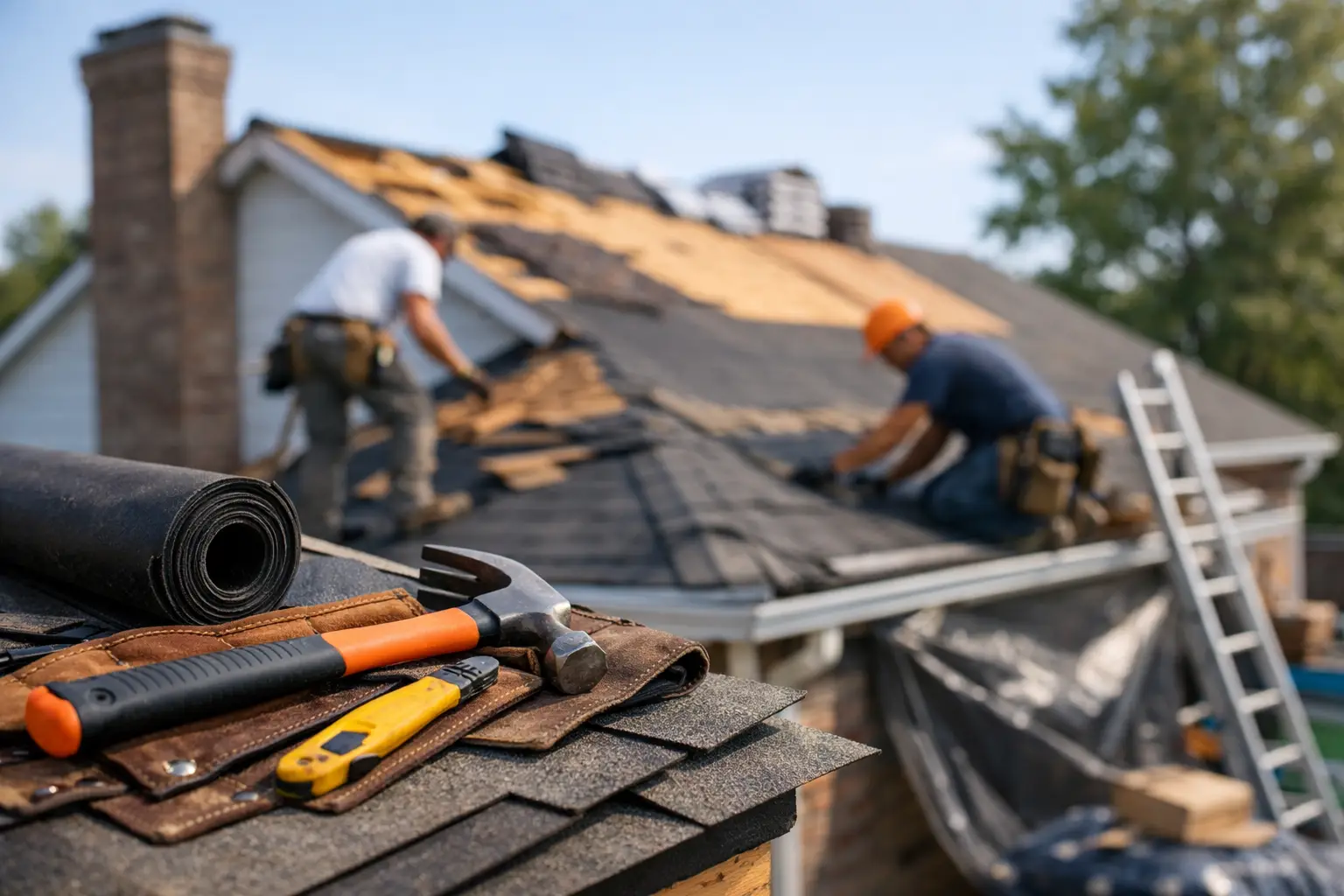
A roof replacement is a major day for your home, but it should not feel like a disruption you have to manage alone. Knowing how to prepare roof replacement work helps protect your property, keeps the crew working efficiently, and gives your household a clearer idea of what to expect. In Des Moines, where wind, rain, snow, heat, and temperature swings all place demands on a roof, a little preparation supports a better start to a long-term investment.
Confirm the Plan Before Installation Day
Start by reviewing the scope of work with your roofing contractor. You should know the planned installation date, expected start time, estimated project length, material being installed, and whether the work includes related items such as gutters, flashing, vents, or damaged decking repairs. Most homes can be reroofed quickly, but the exact schedule depends on roof size, roof pitch, material choice, weather, and what the crew finds once the existing roofing is removed.
This is also the right time to ask practical questions. Find out where the material delivery will be placed, where the crew will park, how debris will be contained, and whether you need to make arrangements for satellite dishes, solar equipment, or other roof-mounted features. Do not try to remove or disconnect these items yourself unless a qualified professional has advised you to do so.
If your replacement involves a material decision, focus on the performance you want over the years ahead. Dual-layer asphalt shingles can provide a familiar appearance and broad color selection, while stone-coated steel roofing offers exceptional durability and architectural style options. The best fit depends on your home, budget, desired curb appeal, and long-term maintenance goals.
Clear the Driveway and Create Access
Roofing materials, dumpsters, trailers, and work vehicles need a reliable place to go. Move your vehicles out of the garage and away from the driveway before the crew arrives. Parking on the street or in a neighbor-approved location is usually the easiest option. Keeping vehicles clear protects them from dust and falling debris while giving installers room to move materials safely.
Make sure gates are unlocked and that the crew can reach the areas around your home. If your driveway is narrow or shared, speak with your contractor in advance about the best delivery and parking plan. It is also courteous to let immediate neighbors know that roof work is scheduled. They will appreciate knowing why there may be extra vehicles, temporary noise, and activity near the property line.
The work zone should remain accessible throughout the project. Avoid scheduling deliveries, moving appointments, or service visits that could block the driveway on installation day. A clear route helps the project stay organized from material delivery through final cleanup.
Protect Outdoor Areas Near the House
Roof replacement creates vibration and requires crews to work around the entire perimeter of the home. Before the project begins, move patio furniture, grills, potted plants, yard decorations, and children’s toys away from the house. Aim for a clear space of at least 10 to 15 feet where possible, especially below roof edges and near entry points.
Covering fragile landscaping can be helpful, but ask your contractor what they recommend. Heavy coverings left in place too long can damage plants, particularly during warm weather. Instead, identify delicate shrubs, garden beds, ornamental trees, or irrigation components during the pre-project conversation so the crew can plan around them.
Take down flags, hanging planters, wind chimes, and seasonal decorations that could be in the way. If you have a pool, pond, outdoor kitchen, or extensive landscaping near the roofline, mention it before installation day. A professional contractor can account for special conditions, but advance notice allows for better protection.
Prepare the Attic and Inside of Your Home
The old roof must be removed before the new roofing system can be installed. That work can create vibration through the structure, particularly in rooms directly below the attic. Walk through your home and take down fragile wall art, mirrors, shelves, or decorative items that could shift. Pay special attention to upper-floor rooms and items mounted on exterior-facing walls.
In the attic, cover stored belongings with sheets, tarps, or drop cloths. Small amounts of dust or loose debris can fall through gaps around decking, vents, or framing when the existing roof is removed. If you store valuables, electronics, family keepsakes, or clothing in the attic, moving them temporarily is the safest choice.
Keep in mind that roofing is noisy. Hammering, equipment, footsteps, and material movement can be heard throughout the house. If someone works from home, has an infant who naps during the day, is sensitive to noise, or has an important virtual meeting, consider arranging an alternate location for the busiest part of the installation.
Make a Plan for Children and Pets
Roofing crews move quickly, use specialized tools, and work around a controlled jobsite. Children should not play near the home, driveway, material stacks, or debris containers while work is underway. Explain the boundaries before the crew arrives, especially if children are used to using the driveway or backyard during the day.
Pets need a plan as well. The noise can be stressful, and open gates or unfamiliar workers can create opportunities for a pet to slip out. Many homeowners keep dogs and cats in a quiet room away from exterior doors, while others choose pet daycare or a visit with family for the day. If your pet has special needs, tell the crew which doors should remain closed and which areas should be avoided.
A little advance planning makes the day more comfortable for everyone in the household. It also lets the installation team focus fully on protecting your roof and property.
Keep Power, Communication, and Entry Simple
Your crew may need access to exterior power outlets, though requirements vary by contractor and project. Make sure outdoor outlets are accessible and working if requested. If your electrical panel, garage, or attic access is behind a locked door, discuss access expectations before the work starts.
Keep your phone nearby during the installation. A reliable contractor will communicate if unexpected decking damage, ventilation concerns, or weather changes affect the original plan. These conversations are easier when the homeowner can respond promptly and make informed decisions without guessing.
You do not necessarily need to stay home all day. Many homeowners leave for work or errands after confirming access arrangements and a contact number. What matters is that the contractor knows how to reach you and that any needed decisions can be handled without delaying the work.
What to Expect During Roof Replacement
A professional roof replacement follows a sequence: protecting the work area, removing old materials, inspecting the roof deck, completing needed repairs, installing underlayment and new roofing components, then cleaning the site. The visible roofing material matters, but the layers beneath it, including flashing, ventilation, and water-shedding details, are equally important to the roof’s performance.
Weather can affect the schedule. Light clouds do not always stop work, but rain, lightning, high winds, or unsafe temperatures may require a delay. That is not a sign that the project is off track. It is the right decision when protecting your home and the installation team requires it.
Expect some normal jobsite noise and activity. A dependable crew should also maintain clear communication, protect the surrounding property, and perform a detailed cleanup. Magnetic sweeping helps collect nails from the driveway and lawn, but it is wise to keep children and pets away from the work area until your contractor confirms that the project is complete.
After the Crew Leaves
When the roof is finished, walk around the property with your contractor if possible. Look at the completed roof from the ground, review any photos or documentation provided, and ask about care recommendations for your chosen roofing system. Confirm that gutters, downspouts, vents, and other exterior features are functioning as expected.
Roof replacement is also a useful time to assess other exterior needs. Aging gutters, damaged siding, drafty windows, or poorly managed drainage can affect how well your home stands up to Iowa weather. Addressing related concerns as part of a coordinated exterior plan may save disruption later and help protect the investment you have just made.
With the driveway cleared, your home prepared, and a trusted contractor guiding the work, installation day can be a confident step toward stronger protection, lasting curb appeal, and greater peace of mind for the years ahead.