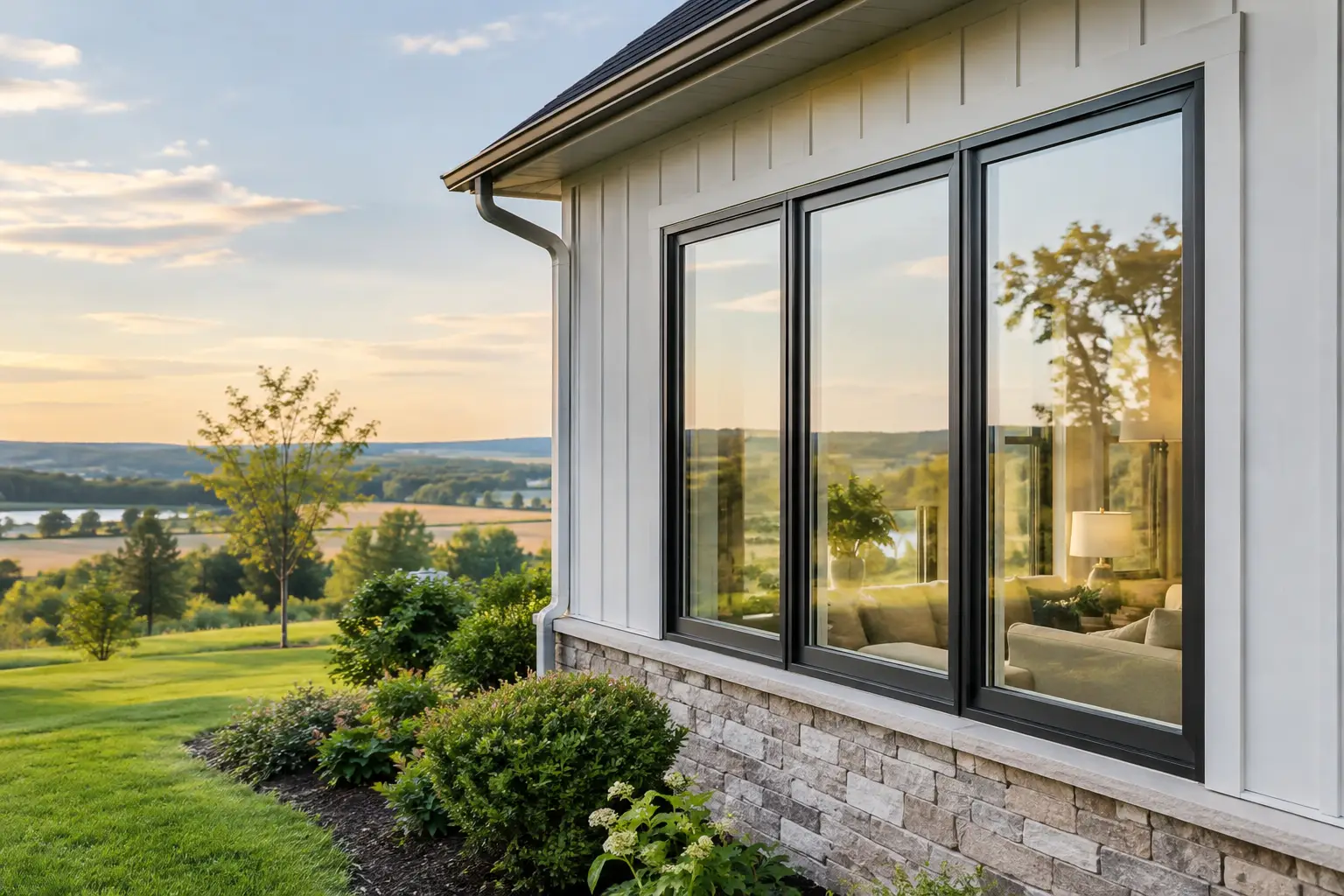
A window that sticks during a January cold snap or lets humid summer air creep indoors is more than an inconvenience. It is a weak point in the exterior system protecting your home. Marvin fiberglass windows are built for homeowners who want a stronger, more stable frame material without giving up the color, style, and natural light that make a house feel like home.
For Des Moines-area homes, window selection should account for more than appearance. Iowa weather can bring bitter cold, high winds, pounding rain, heavy snow, and sharp temperature swings in the same year. The right replacement windows help support indoor comfort, manage moisture, improve curb appeal, and protect the value of a long-term exterior investment.
Why Fiberglass Matters in an Iowa Window
Fiberglass window frames are made from glass fibers and resin, creating a material known for strength and dimensional stability. In practical terms, that means the frame is designed to expand and contract less dramatically as outdoor temperatures change. That stability can help the sash continue to operate properly and support a reliable weather seal over time.
This is especially meaningful in the Midwest. A window frame is exposed to direct sun, freezing temperatures, wind-driven precipitation, and indoor-outdoor humidity differences. Materials react differently to those conditions. Fiberglass offers a durable option for homeowners who want low-maintenance performance and a clean, tailored appearance.
Marvin uses fiberglass across select product lines, with options that range from simple, durable designs to more design-forward configurations. Some Marvin windows pair a fiberglass exterior with a warm wood interior, while other offerings use fiberglass throughout. The right choice depends on whether your priorities lean toward easy maintenance, interior character, larger glass areas, or a specific architectural style.
What Marvin Fiberglass Windows Can Do for Your Home
The benefit homeowners often notice first is comfort. A properly selected and professionally installed window can reduce drafts near seating areas, bedrooms, and stairwells. Glass package choices, coatings, and insulating gas fills also play a major role. The frame is one part of the system, but it is an important one.
Marvin fiberglass windows can also provide a more refined exterior appearance than aging vinyl or wood windows with peeling finishes. Their narrow sightlines can allow for generous glass area, depending on the series and style selected. That can preserve the proportions of an older home or give a newer home a sharper, more intentional look.
Durability is another key consideration. Fiberglass does not rot like unprotected wood, and it does not require the regular painting cycle associated with traditional exterior wood frames. That does not mean windows are maintenance-free. Homeowners should still keep tracks clean, inspect exterior sealants, and address any drainage issues around the opening. But fiberglass can reduce the recurring upkeep associated with certain frame materials.
For homeowners considering a larger exterior update, replacement windows can also coordinate well with new siding, gutters, trim, and roofing. Colors, trim profiles, and window grille patterns all affect the finished look of a home. Planning these pieces together can prevent mismatched materials and unnecessary future rework.
Understanding the Marvin Product Approach
Not every Marvin window is the same, and that is a good thing. Homes have different needs. A ranch home exposed to open winds may benefit from a different configuration than a historic neighborhood property with divided-light windows and detailed interior trim.
Marvin Essential products are often considered by homeowners looking for a straightforward fiberglass window with a durable, low-maintenance focus. Marvin Elevate products combine a fiberglass exterior with a wood interior, making them appealing when homeowners want strong exterior protection and the warmth of real wood inside. Product availability, styles, finishes, and performance options can vary, so it is worth discussing the details before choosing a line.
The window style matters as much as the frame material. Double-hung windows suit many traditional homes and make sense where ventilation is a priority. Casement windows can offer wide views and a tight closure when properly maintained. Picture windows bring in light where ventilation is not needed, while awning windows are useful for bathrooms, basements, and locations where homeowners may want fresh air during light rain.
A good recommendation starts with how you use each room, what direction the wall faces, and what problem the existing windows are causing. Condensation, fading floors, noisy streets, hard-to-reach second-story openings, and rooms that feel too warm in the afternoon all call for slightly different solutions.
Energy Performance Is More Than a Label
It is tempting to compare windows using one performance number and choose the lowest or highest result. That rarely tells the whole story. Window energy performance depends on the entire unit, including glass, frame, spacers, weatherstripping, size, and installation quality.
For Iowa homes, homeowners commonly consider U-factor, which relates to heat transfer, and solar heat gain coefficient, which measures how much solar heat passes through the glass. Lower U-factor values generally mean less heat transfer. Solar heat gain should be selected with the home’s orientation in mind. A large west-facing window has different needs than a shaded north-facing opening.
Visible transmittance also deserves attention. Extremely dark or heavily coated glass may reduce glare and solar gain, but it can also change how much daylight enters a room. The best window package balances comfort, efficiency, view quality, and the character of the home rather than chasing one specification in isolation.
Just as important, even a premium window can underperform when installation is rushed or surrounding conditions are ignored. The rough opening must be evaluated for water damage, framing concerns, and proper flashing details. Insulation and air sealing should be handled carefully, without restricting the window’s operation or drainage path. Exterior trim and siding connections must direct water away from the opening.
When Fiberglass Is Worth the Investment
Fiberglass windows often cost more upfront than basic vinyl replacements. For many homeowners, that added investment is justified by the material’s strength, stability, appearance, and long-term maintenance advantages. For others, a quality vinyl window may be the practical fit for a rental property, a short-term ownership plan, or a tightly limited budget.
Wood windows remain a strong choice when historic accuracy and interior craftsmanship are the highest priorities, though they demand more attention on the exterior unless protected by cladding. Fiberglass sits in a valuable middle ground for homeowners who want a premium, enduring material that can handle demanding weather without looking utilitarian.
The size and condition of the project matter, too. Replacing one failed window may solve an immediate comfort or water problem. Replacing all windows at once can create a consistent exterior appearance and may make more sense when multiple units are nearing the end of their service life. If siding replacement is planned soon, coordinating the work can help protect the window openings and reduce duplicated labor.
Questions to Ask Before Choosing Replacement Windows
A useful window conversation should go beyond a sample corner and a color swatch. Ask how the proposed unit is designed for water management, what glass package is recommended for your home, and how the installer will address existing rot or damaged framing if it is discovered.
You should also ask about the operating style, screen options, interior and exterior finish choices, and warranty coverage for both the product and the installation. If your home has window openings with unusual sizes, curved tops, or historic trim, confirm how the new units will preserve the home’s proportions.
Finally, look at the entire exterior. A window replacement is an opportunity to correct deteriorated trim, improve drainage, and make sure roof runoff and gutters are not repeatedly soaking the areas around your openings. A strong window performs best when the surrounding exterior is doing its job.
A Better Window Decision Starts at the Opening
Marvin fiberglass windows can be an excellent fit for Iowa homeowners who want lasting performance, attractive design, and less exterior maintenance. The best result, however, comes from matching the window to the home and installing it with the same care given to every other protective layer outside.
If your windows are drafty, difficult to operate, damaged by moisture, or simply out of step with the rest of your home, start with a careful evaluation of the openings and the exterior around them. Guardian Roofing can help homeowners consider windows as part of a coordinated plan for a home that looks better, feels more comfortable, and stands ready for the next Iowa season.