A hailstorm can be over in minutes, yet the damage it causes may not be obvious from the yard. Knowing how to identify roof hail damage helps Des Moines homeowners respond before small points of impact become leaks, lost granules, or a shortened roof life. The goal is not to climb onto a roof after every storm. It is to recognize warning signs, document what you see, and know when a qualified inspection is the safest next step.
Start With the Storm, Not Just the Roof
Not every storm produces roof damage, and not every damaged roof looks dramatic. Hail size, wind direction, storm duration, roof age, shingle condition, and the slope of your home all affect the result. A brief storm with pea-sized hail may leave little more than temporary marks. Larger hail, especially when driven by strong winds, can create damage that is hard to spot from the ground.
If hail was reported in your neighborhood, take a quick look around the property once conditions are safe. Damage to other exterior surfaces does not automatically mean the roof needs replacement, but it provides useful context. Dented downspouts, torn window screens, marked siding, damaged outdoor furniture, and bruised plants can all indicate that the storm had enough force to affect roofing materials.
Take photos of these visible conditions, along with the date of the storm. Clear documentation is helpful if you later need a professional assessment or decide to speak with your insurance carrier.
How to Identify Roof Hail Damage From the Ground
A ground-level review is the right place to begin. Use binoculars if you have them, stay off ladders in wet or windy conditions, and avoid walking on the roof. Hail damage is often subtle, and an unsafe inspection can cause more trouble than it solves.
Look for irregular dark spots or areas that appear different from the surrounding shingles. On asphalt shingles, hail may knock away protective granules and expose darker asphalt beneath. From a distance, this can resemble scattered black marks, although ordinary roof aging, algae staining, and manufacturing variation can look similar.
Pay attention to roof features that are easier to see from the yard. Metal vents, flashing, gutters, and downspouts may show dents or fresh impact marks. These softer metal components are often called collateral indicators because they help tell the story of what occurred during the storm. A dented gutter does not prove that shingles are compromised, but it is a good reason to look more closely.
Also check the ground around downspouts. A concentration of loose shingle granules can be a concern, particularly if the roof is newer and the granules appeared immediately after a hail event. A small amount of granule loss is normal as asphalt shingles age, so the condition should be considered alongside the roof’s age and overall appearance.
What Hail Damage Looks Like on Different Roof Materials
The signs depend on the roof system. A professional inspector evaluates the material itself rather than applying the same standard to every roof.
Asphalt Shingles
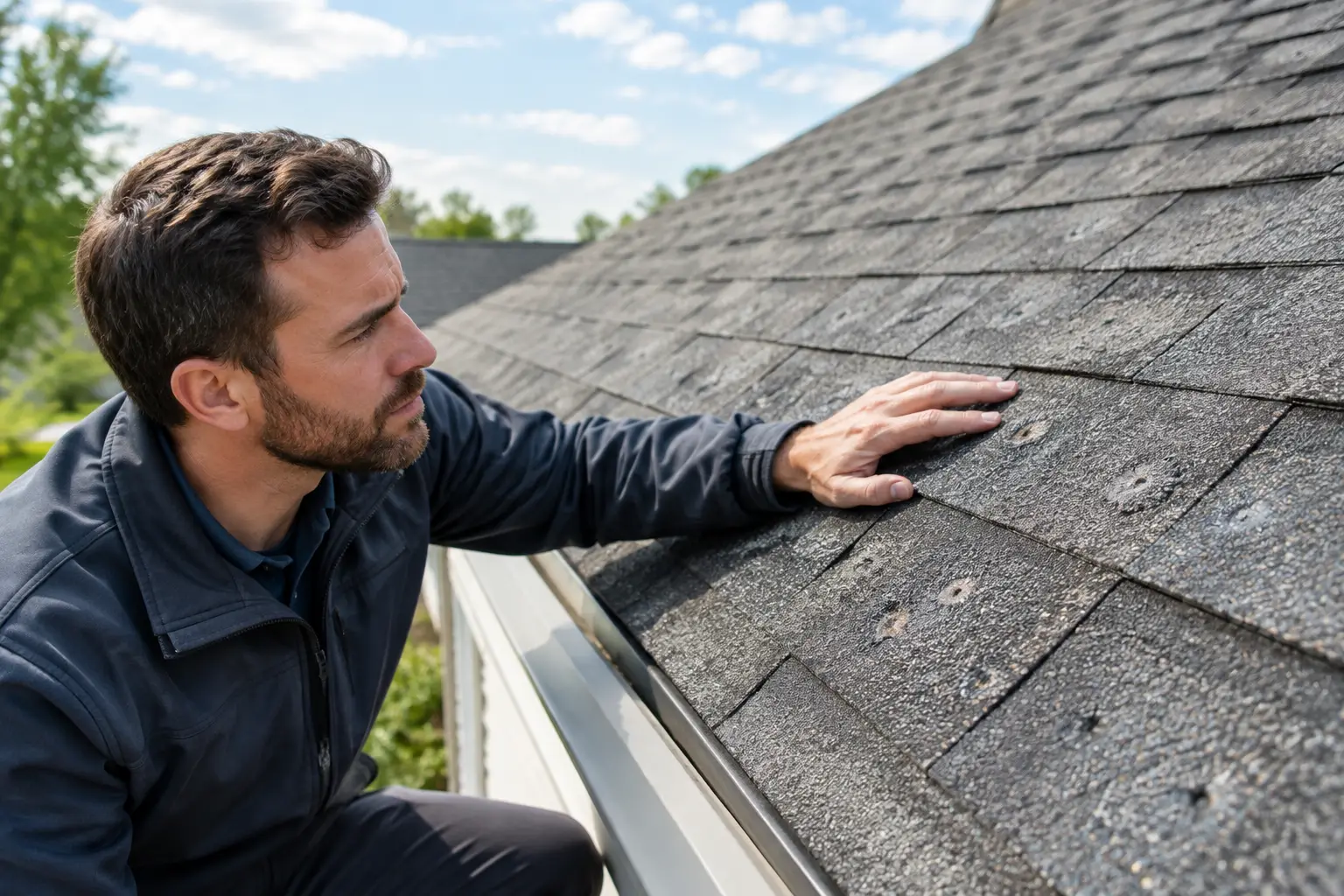
On asphalt shingles, a hail strike can create a soft, bruised area beneath the granule surface. It may look like a circular or slightly irregular spot where granules are missing, embedded, or pressed into the shingle. When a damaged area is touched by a trained professional, it may feel softer than the surrounding surface.
That distinction matters. Random granule loss, blistering, scuffs from foot traffic, and aging can all be mistaken for hail damage. A true impact typically has a more concentrated pattern and may expose or weaken the asphalt layer. If enough impacts occur, the shingle may lose its ability to shed water and withstand future weather exposure.
Steel and Other Metal Roofing
Metal roofing may show visible dents, particularly on flatter, smoother panel areas, vents, flashings, and valleys. Whether a dent affects performance depends on the roofing system, the depth and location of the impact, and whether seams, coatings, or fasteners were affected.
A shallow cosmetic dent is different from damage that disrupts a panel connection or protective finish. Stone-coated steel systems are designed for long-term weather resilience, but they should still be assessed after a significant storm. The right question is not simply, “Is there a mark?” It is whether the roofing system’s water-shedding ability and protective surface remain intact.
Gutters, Flashing, and Roof Accessories
Hail frequently leaves its clearest evidence on accessories. Check gutter runs, downspout elbows, chimney flashing, roof vents, skylight frames, and metal caps. Fresh dents may have sharper edges or a different sheen than older wear.
These items can need repair even when the primary roof covering remains functional. Addressing them promptly helps keep water moving away from the home and prevents minor storm damage from becoming a larger exterior maintenance issue.
Do Not Confuse Hail Damage With Normal Wear
A roof that is nearing the end of its service life can have missing granules, curling edges, cracking, discoloration, or exposed fasteners without a recent hailstorm being the cause. Wind damage may lift, crease, or tear shingles, while hail damage tends to produce more direct, localized impacts.
This is where homeowners should be cautious about quick conclusions. A roof can have both age-related wear and storm damage. It can also have cosmetic marks that do not affect performance. An accurate assessment should separate those conditions clearly, so you can make a sound decision about repair, maintenance, or replacement.
Safe Checks to Make After a Hailstorm
Once the weather clears, a simple exterior review can help you decide whether to schedule an inspection. Focus on what is visible and safe to access:
- Photograph dents in gutters, downspouts, vents, and other metal surfaces.
- Look for loose shingle granules near downspouts or on patios and driveways.
- Check ceilings, attic spaces, and upper walls for new water stains or dampness.
- Note any missing, lifted, cracked, or visibly marked shingles from the ground.
- Inspect screens, siding, windows, and outdoor equipment for fresh impact marks.
Avoid trying to confirm a shingle bruise by pressing, scraping, or lifting shingles yourself. That can break a brittle shingle, disturb its seal, or create damage that was not there before. A roof may also be slick or structurally unsafe after a storm, even when it appears dry.
When to Request a Professional Roof Inspection
Schedule a professional inspection when hail was substantial in your area, when you see multiple collateral indicators, or when the roof already has age-related wear. It is also wise to call if you notice interior moisture after the storm. Water intrusion can originate at vents, flashing, pipe boots, skylights, or roof transitions, not only from obvious shingle damage.
A thorough inspection should include the roof covering, ridges, valleys, penetrations, flashing, gutters, and visible exterior components. The inspector should explain what they found in plain language and distinguish between storm-related damage, ordinary wear, and conditions that should be monitored.
Timing matters, but there is no need to rush into a major decision based on a door-to-door opinion or a single photo. Document the storm, protect the home from active leaks, and seek a clear assessment of the roof’s condition. If replacement is appropriate, material selection should reflect your home’s style, budget, and exposure to Iowa wind, hail, snow, and changing temperatures.
Protect the Home Beyond the Roof
Hail can affect more than shingles. Damaged gutters may overflow near the foundation. Dented or cracked siding can allow moisture behind exterior surfaces. Damaged window screens and trim can reduce both appearance and weather protection. Looking at the exterior as a connected system helps prevent one overlooked issue from creating another.
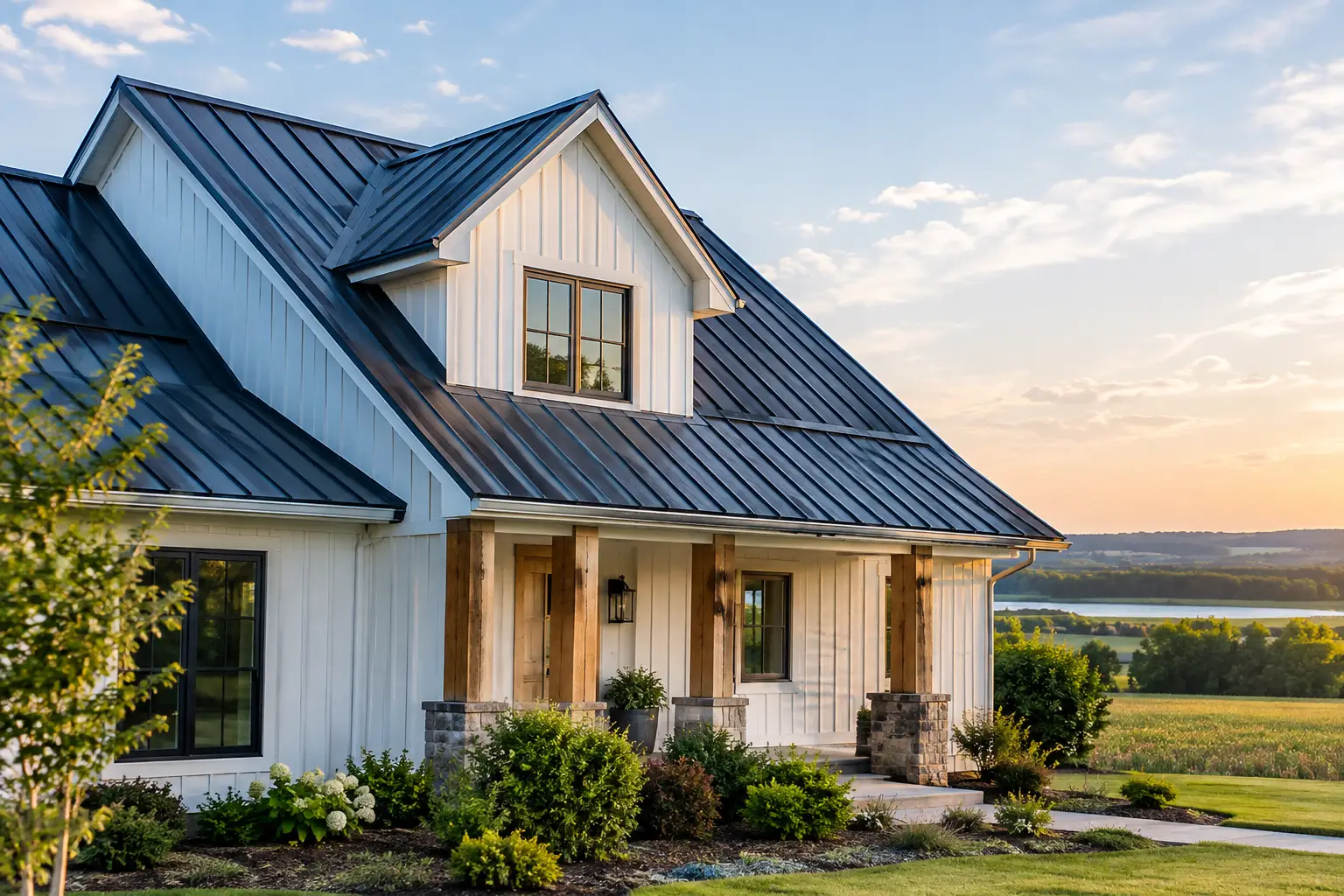
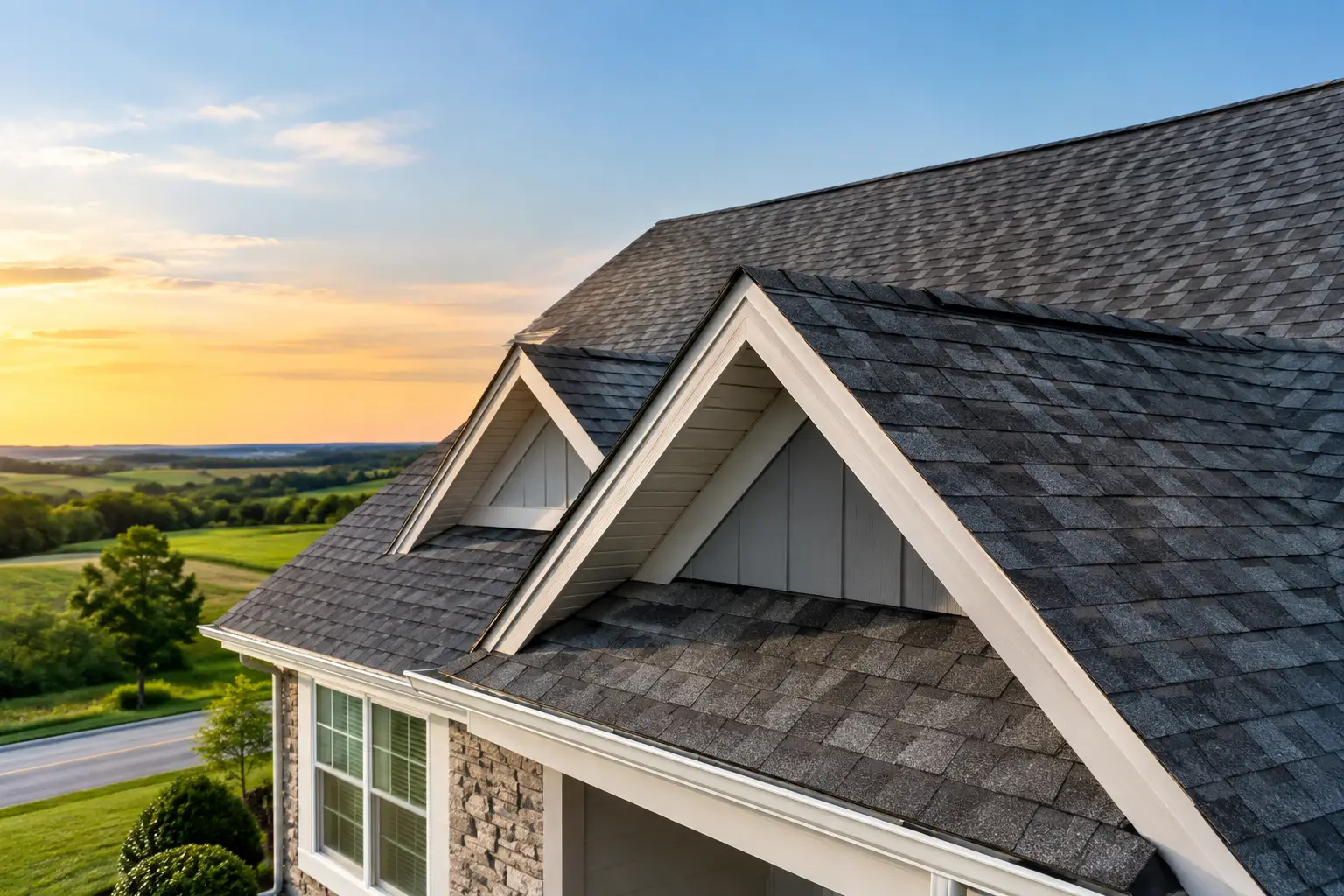
For homeowners considering a replacement after verified damage, this can also be a practical time to evaluate upgrades that improve long-term resilience and curb appeal. Dual-layer asphalt shingles offer familiar style with dependable protection, while stone-coated steel roofing can be a strong option for homeowners prioritizing exceptional durability and a distinctive architectural look. The best choice depends on the property, the condition of surrounding exterior components, and your plans for the home.
A careful post-storm review gives you control when the weather does not. If anything looks questionable, Guardian Roofing can provide a clear, homeowner-focused assessment and help you choose the next step with confidence.