A steel roof has to stand up to the same Iowa rain, snow, ice, humidity, and wind that wear on every other part of your home. So, do steel roofs rust? Bare, unprotected steel can rust. But a quality residential steel roofing system is specifically engineered with protective metallic coatings, paint finishes, and installation details that make rust resistance one of its strongest advantages.
The key is understanding that not every steel roof is made, installed, or maintained the same way. For Des Moines homeowners considering a long-term roof replacement, material quality and workmanship determine whether a steel roof delivers decades of dependable protection.
Do Steel Roofs Rust Over Time?
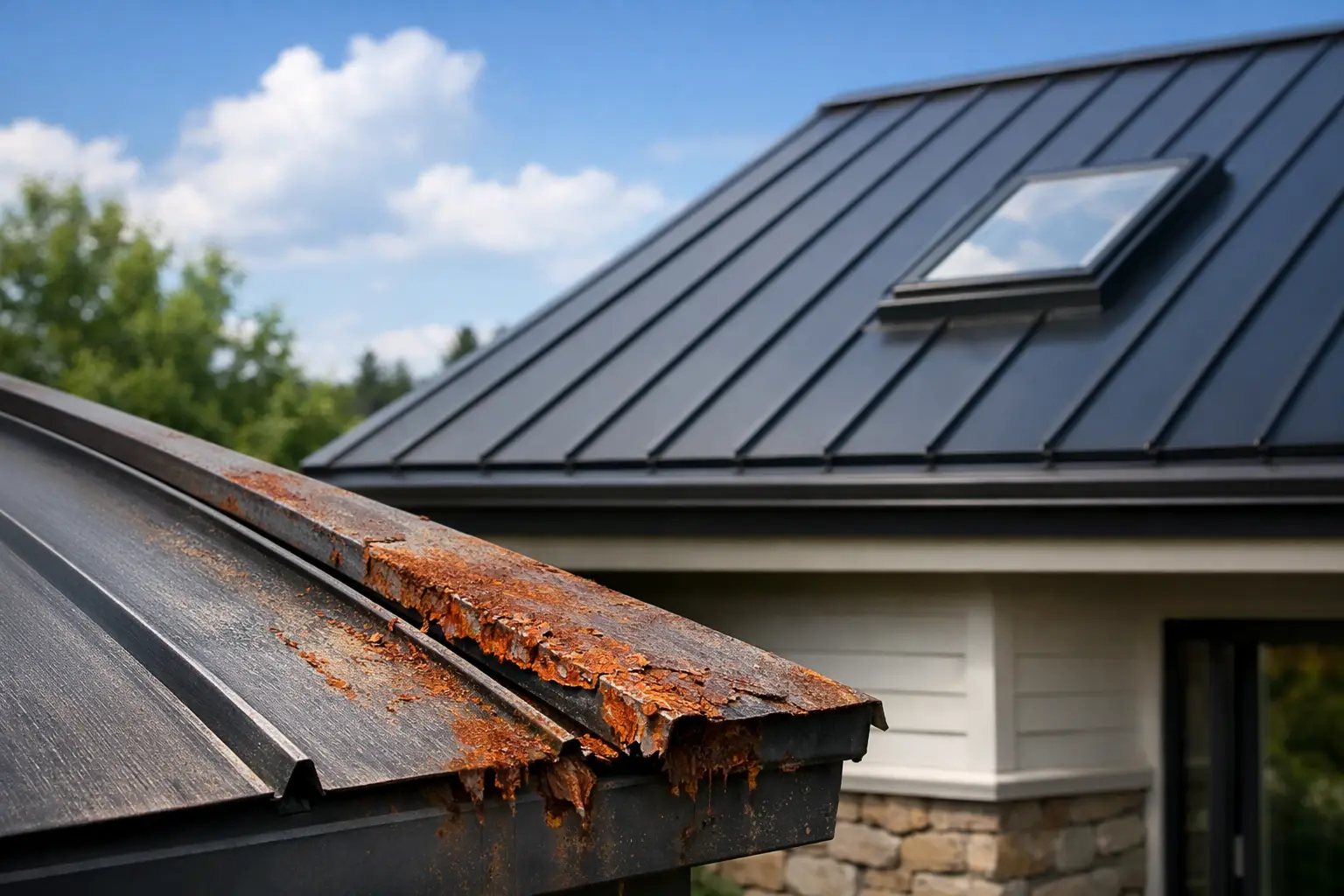
Steel rusts when iron is exposed to oxygen and moisture for an extended period. This chemical reaction, called oxidation, can gradually weaken bare metal. That is why an untreated sheet of steel left outdoors will eventually develop reddish-brown corrosion.
Residential steel roofing is not untreated steel. Modern systems are protected before they ever arrive at your home. Most premium steel panels or stone-coated steel products have a corrosion-resistant metallic layer, followed by primer and a durable exterior finish. Stone-coated steel roofs add another protective layer through their bonded stone-chip surface.
These layers separate the steel core from water and air. When the roof is correctly selected and installed, the steel is not simply sitting exposed to the weather. It is part of a complete roofing system designed to manage moisture, shed precipitation, and protect the home below.
That does not mean rust is impossible. It means rust is uncommon on a properly manufactured, properly installed steel roof and is usually connected to a specific problem rather than normal aging.
What Protects a Steel Roof From Rust?
The steel itself provides strength, but its protective coatings provide the corrosion resistance homeowners expect. Quality matters because the thickness and composition of these protective layers can vary from one product to another.
Galvanized steel is coated with zinc. Zinc acts as a protective barrier and helps protect minor exposed areas through a process known as sacrificial protection. Galvalume-coated steel uses a blend of aluminum and zinc, offering excellent long-term corrosion resistance in many roofing applications.
Above the metallic coating, roofing manufacturers apply primer and finish coats formulated to resist fading, moisture, and weather exposure. A stone-coated steel roof adds an acrylic base coat and granules that give the roof a dimensional, traditional appearance while further shielding the panel beneath.
This construction is one reason steel roofing can be a practical option for homeowners who want the appearance of shingles, shake, slate, or tile without choosing a heavier, more fragile material. Products such as Unified Steel stone-coated roofing are designed to combine curb appeal with a layered defense against harsh weather.
Where Rust Problems Can Start
Even high-quality roofing materials need the right conditions to perform. Rust is most likely to develop where a protective coating has been compromised or where water remains trapped rather than draining away.
Deep scratches, dents, or cuts that penetrate through the finish and metallic coating can expose steel to moisture. Small surface scuffs are often not a major concern, especially when they affect only the top finish, but damage should be evaluated and repaired according to the manufacturer’s recommendations.
Cut edges and penetrations also require care. Roofing installers must use compatible flashing, sealants, fasteners, and trim details. A roof has valleys, vents, pipe penetrations, transitions, and edges, and each one must be designed to move water away from vulnerable areas.
Improperly installed fasteners can create avoidable trouble as well. A fastener driven too tightly may damage the panel finish or washer. One driven too loosely may allow water intrusion. Using incompatible metals can also create galvanic corrosion, a reaction that occurs when certain dissimilar metals remain in contact with moisture.
Condensation is another concern, particularly when attic ventilation or insulation is inadequate. Moist indoor air can condense on cool surfaces, including the underside of a roof system. Good ventilation and moisture management protect more than the roof. They help preserve insulation performance, reduce the risk of wood deterioration, and support a healthier attic environment.
How Iowa Weather Affects Steel Roofing
Central Iowa weather asks a great deal of every roof. Summer heat, sudden thunderstorms, hail, freeze-thaw cycles, snow loads, and wind-driven rain all place pressure on roofing materials and installation details.
Steel roofing performs well in this environment because it does not absorb moisture like some other materials can. Its smooth, durable surface sheds water efficiently when the roof is properly sloped and detailed. Stone-coated steel also offers a more textured, residential look that many homeowners prefer over the appearance of standing-seam panels.
Still, weather resistance is not a reason to overlook maintenance. Wind can deposit leaves and branches in valleys. Ice and debris can hold moisture against roofing components. A tree limb can scratch a panel or damage flashing. These are manageable issues, but catching them early helps protect the roof’s long-term performance.
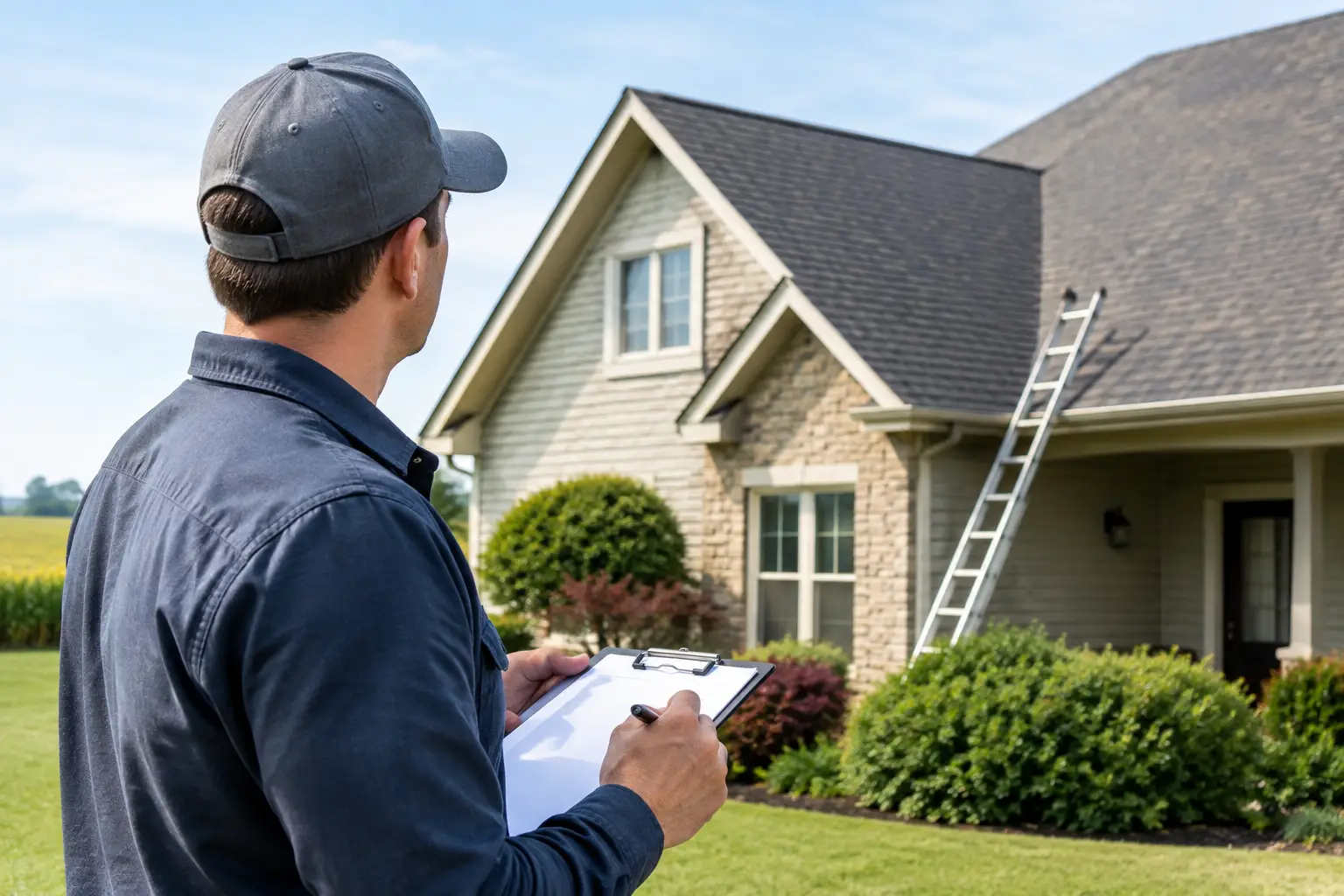
For homes surrounded by mature trees, a seasonal visual check is especially worthwhile. Look for accumulated debris, damaged gutters, loose flashing, or branches rubbing against the roof. If you see a concern, avoid walking on the roof yourself. Steel systems have specific walking requirements, and a roofing professional can inspect the area without creating additional damage.
Installation Is as Important as the Material
A premium roof is only as dependable as its installation. The strongest coating cannot compensate for poor flashing, improper fastening, inadequate ventilation, or water-management details that were overlooked during the replacement process.
Before installation, the roofing team should assess the roof deck, existing ventilation, valleys, chimneys, skylights, and areas where water is likely to collect. If the deck has moisture damage or deterioration, it should be addressed before a new roof covers it. Installing a beautiful new roof over a compromised foundation can shorten the life of the system.
The underlayment also matters. It provides a secondary layer of protection beneath the visible roofing material and is especially important around eaves, valleys, and penetrations. In Iowa, where snow and ice can challenge roof edges, the right underlayment and flashing details are not optional extras. They are part of protecting your home from water intrusion.
At Guardian Roofing, the goal is not simply to place new materials on a roof. It is to recommend a system that fits the home, the homeowner’s priorities, and the weather conditions it will face year after year.
How Long Can a Steel Roof Last Without Rusting?
There is no single lifespan that applies to every steel roof. Product design, coating quality, local conditions, installation, ventilation, and maintenance all influence performance. However, a premium steel roofing system can provide decades of service and may outlast many conventional roofing materials.
Manufacturer warranties are useful, but homeowners should read them carefully. A warranty may address finish performance, manufacturing defects, wind resistance, or corrosion protection under specific conditions. It does not replace the need for qualified installation or reasonable maintenance.
A steel roof can cost more upfront than a basic asphalt shingle roof. That trade-off deserves an honest conversation. The value may be compelling for homeowners planning to stay in their home, seeking enhanced durability, or wanting a distinctive architectural style with lower long-term replacement frequency. For others, high-quality dual-layer asphalt shingles may be the better fit for their budget and design goals.
The right choice depends on the whole home, not just a single material comparison.
Simple Steps to Help Prevent Rust
Homeowners do not need an extensive maintenance routine to care for a steel roof. A few sensible habits go a long way. Keep gutters flowing, remove debris that collects in valleys or behind chimneys, and trim branches that scrape across the roof during wind events.
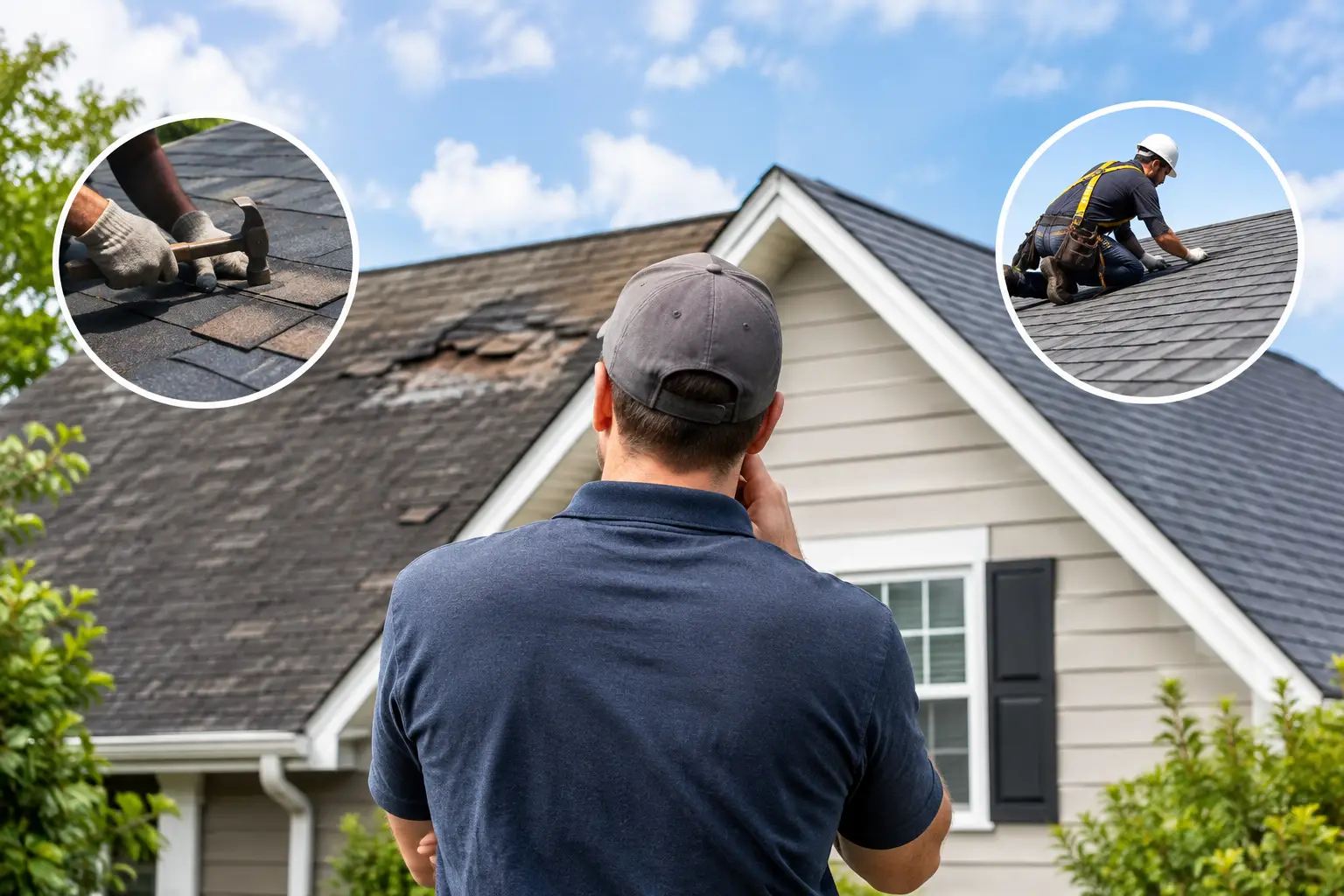
After a major storm, inspect the roof from the ground and look for missing trim, displaced flashing, fallen limbs, or visible impact damage. If you notice a concern, schedule a professional inspection rather than waiting for a leak. Small repairs are usually simpler when they are addressed before moisture reaches the underlayment or roof deck.
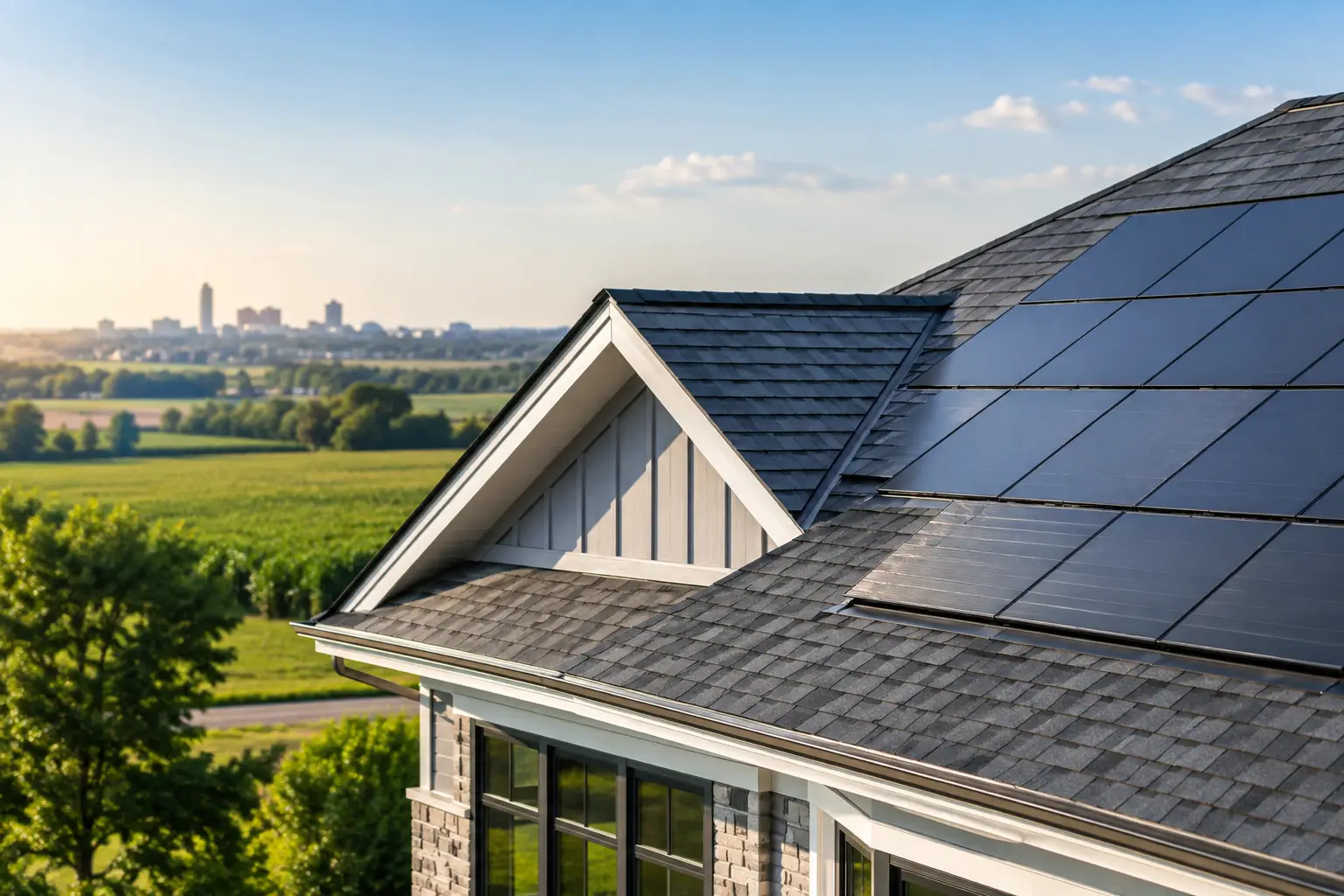
Avoid applying unapproved coatings, attaching hardware directly through the roof without proper flashing, or allowing other trades to make penetrations without coordinating with a roofing professional. Solar equipment, satellite mounts, and ventilation upgrades all need careful planning to preserve the roof system’s weather protection.
A steel roof should give you confidence, not another maintenance burden. When you choose quality materials, skilled installation, and a roofing partner who considers the complete system, rust becomes a manageable concern rather than a reason to rule out one of the most durable roofing options available.