A roof can be perfectly serviceable and still leave a home looking unfinished. For homeowners who want more than a standard shingle profile, CertainTeed designer roof systems bring dimension, distinctive lines, and premium curb appeal to the most visible protective surface on the house. The question is not simply whether a designer roof looks better. It is whether the system, installation, and long-term maintenance expectations make sense for your Des Moines home.
For many Iowa homeowners, the answer depends on the roof’s condition, the home’s architecture, and the level of protection they expect through wind, rain, snow, hail, and seasonal temperature swings. A thoughtful roofing decision should account for all three.
What Makes a Roof System “Designer”?
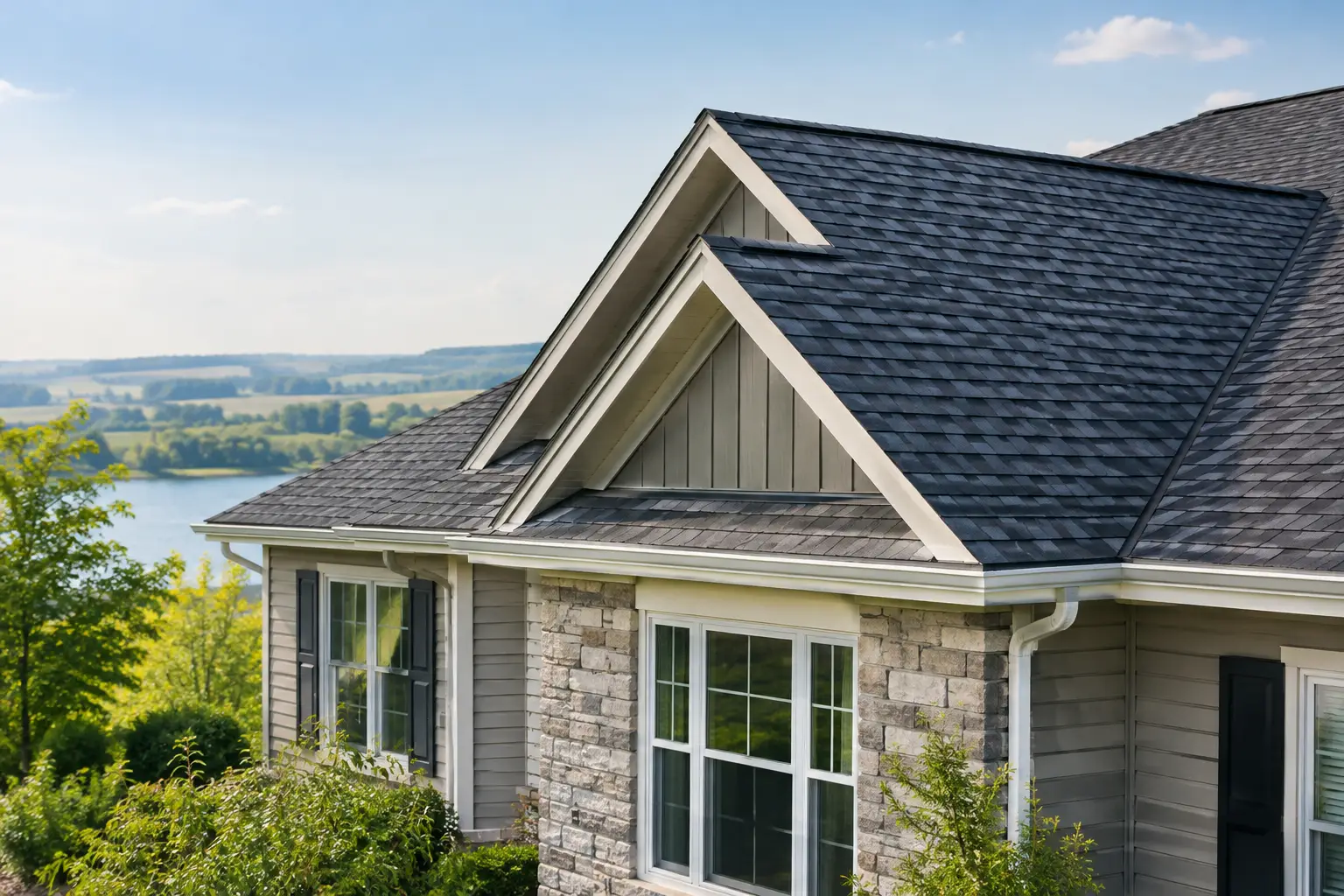
Designer shingles are made to create a stronger architectural impression than conventional three-tab or basic dimensional shingles. Their heavier construction, varied shapes, deeper shadow lines, and more pronounced color blends can resemble materials such as slate or hand-split wood shake while retaining the practical installation approach of asphalt roofing.
CertainTeed’s designer shingle collections are often chosen for homes where appearance carries real weight: historic-inspired properties, large two-story homes, steep rooflines, and houses with stone, brick, or detailed siding. A roof with greater visual depth can help balance those exterior features rather than flattening the home’s overall design.
That visual difference is valuable, but it should not distract from the roof’s primary job. The roof covering is only one part of a complete system. Underlayment, ice and water protection in vulnerable areas, ventilation, flashing, starter materials, and ridge components all affect how a new roof performs over time.
CertainTeed Designer Roof Systems and Curb Appeal
The right shingle profile can change the perceived scale and character of a home. Slate-style shingles tend to complement formal architecture, masonry exteriors, and homes with strong symmetry. Shake-style designs can add warmth and texture to traditional, Craftsman, rustic, and transitional homes. Rich blended colors can bring definition to a roof that feels faded or visually disconnected from the siding and trim.
Color selection deserves more attention than many homeowners give it. A roof covers a large portion of the exterior, so a color that looks appealing on a small sample can feel much darker, lighter, or busier once installed across the full roof plane. Consider the fixed elements that will remain in place, including brick, stone, soffit, trim, gutters, windows, and siding. The goal is not to match every exterior feature exactly. It is to choose a roof color that gives the home a coordinated, intentional appearance.
Iowa light and weather can also alter how shingles appear. Bright summer sun may emphasize contrast in a color blend, while overcast winter conditions can make darker tones appear more uniform. Looking at full-size samples outdoors helps homeowners make a more confident selection.
A premium look comes with practical considerations
Designer shingles are typically a larger investment than entry-level asphalt shingles. They may also have additional weight and installation requirements, depending on the product and the roof design. Complex roofs with valleys, dormers, skylights, chimneys, or steep slopes require more labor and careful detailing regardless of the shingle selected.
That does not mean a designer roof is only for high-end homes. It means the choice should be tied to your goals. If you plan to remain in the home for years and want a roof that improves curb appeal while providing layered protection, the added cost can be easier to justify. If the home will be sold soon, the decision may depend more heavily on neighborhood expectations, the condition of the current roof, and the return you expect from the improvement.
Protection Depends on the Entire Installation
A beautiful shingle cannot compensate for poor roof preparation or incomplete water management. Midwest roofing systems need special attention at the areas where water and wind create the greatest risk.
Ice and water protection is especially relevant around eaves, valleys, penetrations, and other areas vulnerable to ice damming or wind-driven rain. Proper flashing at chimneys, walls, vents, and skylights helps direct water away from the roof deck. Quality underlayment adds another protective layer beneath the shingles. Balanced attic ventilation supports moisture control and can help moderate excessive attic heat.
These details are not cosmetic upgrades. They help protect the roof deck, insulation, interior finishes, and the structural components beneath the roofing surface. When comparing estimates, homeowners should ask what is included beyond the shingles themselves. A lower price may reflect fewer protective components, less preparation work, or limited attention to the details that matter most after the crew has left.
Wind and weather readiness
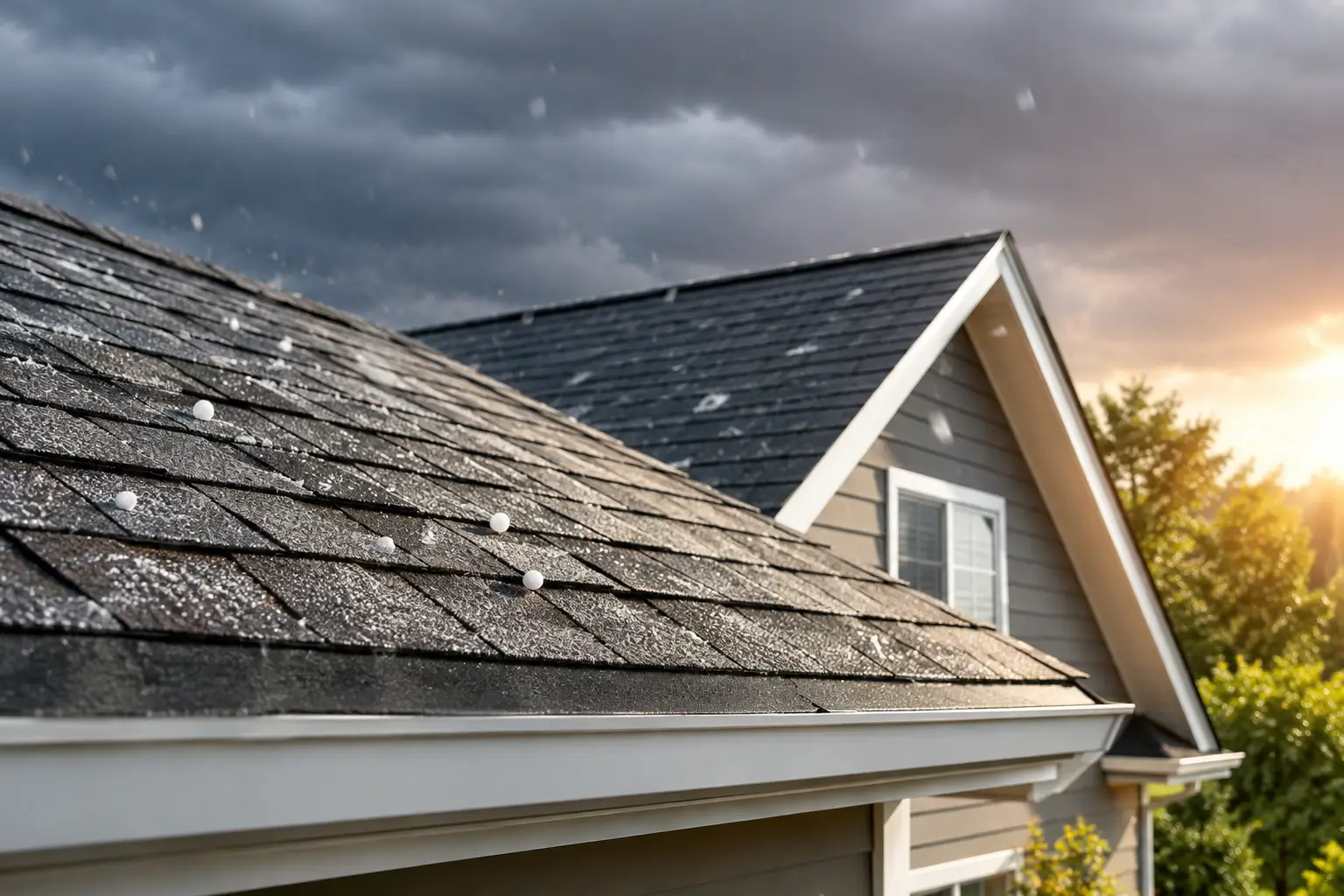
Des Moines homes face weather that can shift quickly from heavy rain to high winds, blowing snow, and hail. No roof can make a home immune to storm damage, but proper materials and installation can improve its ability to handle normal weather exposure.
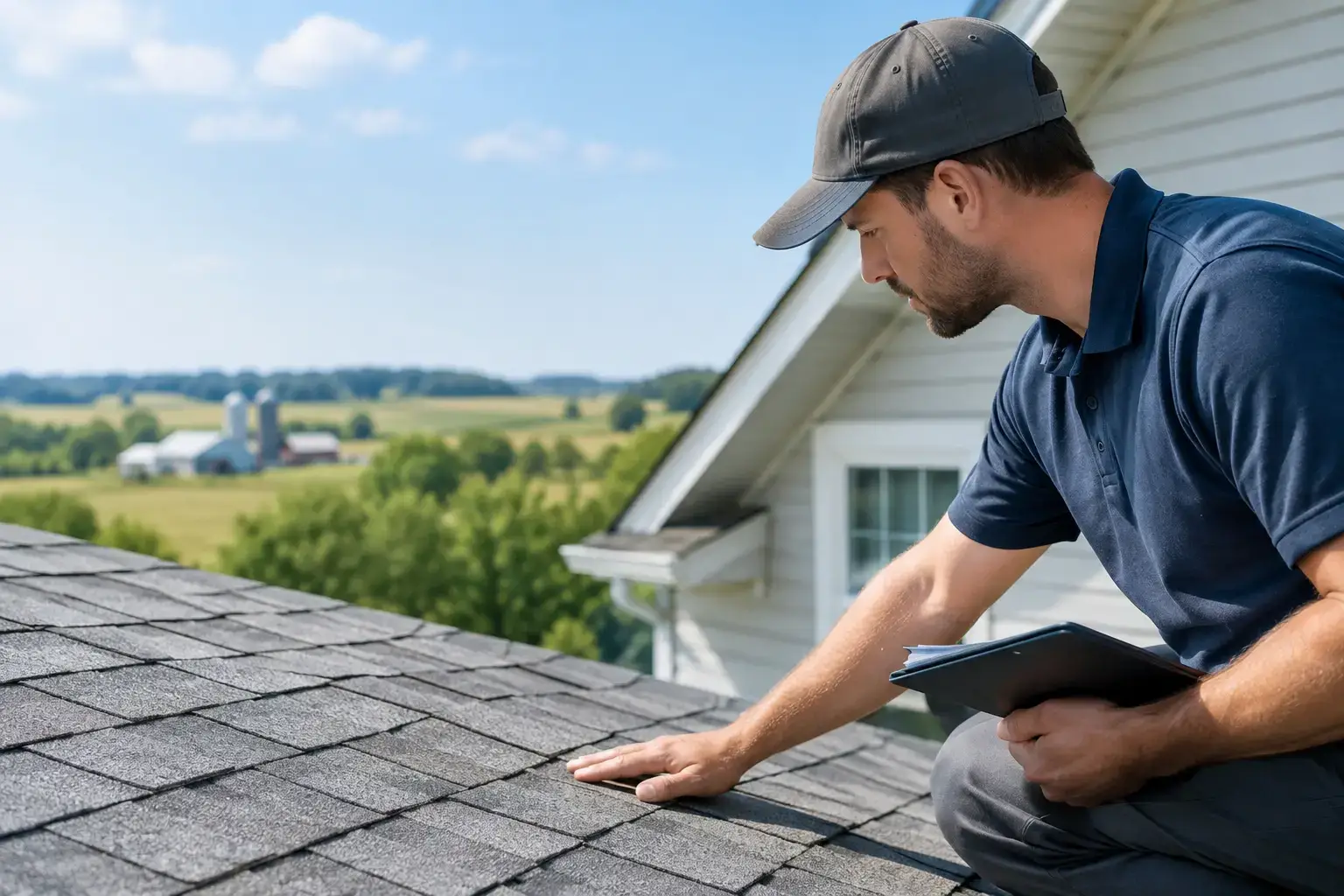
The exact system should be selected based on the roof’s slope, layout, existing condition, and local code requirements. A contractor should inspect the decking, identify soft or damaged areas, evaluate ventilation, and review flashing conditions before presenting a final recommendation. Re-roofing over hidden problems may save money in the moment, but it can create a more expensive repair later.
Is a Designer Shingle Roof the Right Fit?
CertainTeed designer roof systems can be a strong option when your roof replacement has both protection and design goals. They are particularly worth considering if your current roof is nearing the end of its life, showing widespread wear, losing granules, curling, leaking, or no longer complementing the home’s exterior.
They may be less practical when the budget is tightly limited and the priority is simply restoring dependable coverage with a quality architectural shingle. In other situations, a homeowner may prefer a different premium material altogether. Stone-coated steel roofing, for example, offers a distinct combination of long-term durability and architectural profile choices that can be appealing for homeowners focused on lifetime-oriented performance.
The best material is not always the most expensive one or the one with the boldest appearance. It is the one that fits the home, addresses the property’s weather exposure, meets the household’s budget, and is installed as a complete system by an experienced roofing team.
Questions to Ask Before Choosing a Designer Roof
Before selecting a roof, ask to see full-size material samples and completed homes with comparable colors or profiles. Ask how the contractor will address ventilation, underlayment, ice and water protection, flashing, ridge components, and damaged decking if it is discovered during the project.
You should also discuss the manufacturer warranty and the workmanship coverage offered by the installer. These are different protections. Product warranties generally address manufacturing defects under stated terms, while workmanship coverage concerns installation-related issues. Understanding both helps set realistic expectations.
Finally, request a clear written scope of work. It should identify the materials, tear-off process, disposal, site protection, potential deck repairs, and the components included in the finished roof system. Roofing is a major investment, and clear communication is part of protecting it.
A Roof Choice That Should Feel Intentional
A designer roof should do more than make a home stand out from the street. It should give homeowners confidence that the exterior has been selected and installed with the same care they bring to every long-term property decision. Guardian Roofing helps Des Moines homeowners weigh appearance, weather protection, and budget so the finished roof feels right for the home – not just impressive on a sample board.
A free, detailed roof evaluation can turn a broad design idea into a practical plan, helping you choose a system that protects your home and gives it the finished appearance you want for years ahead.