A steep roofline gives a home instant character, but it also creates a demanding environment for every shingle, fastener, flashing detail, and roof penetration. The right steep roof shingles can shed rain and snow efficiently while improving curb appeal. The wrong product or installation approach can leave an Iowa home vulnerable where the roof is most exposed: along valleys, walls, ridges, chimneys, and vents.
For Des Moines homeowners planning a replacement, roof pitch should be part of the material conversation from the beginning. A steep roof is not simply a standard roof at a sharper angle. It affects product selection, installation methods, labor requirements, and long-term maintenance.
What Qualifies as a Steep Roof?
Roof pitch describes how much a roof rises vertically for every 12 inches it runs horizontally. A 6:12 roof rises 6 inches over a 12-inch horizontal distance. While definitions vary, roofs at 6:12 and above are often treated as steep-slope applications. Once a roof reaches 8:12, 10:12, or more, installation becomes considerably more technical.
Steeper pitches naturally move water off the roof faster than low-slope roofs. That is an advantage during heavy rain, spring thaw, and the freeze-thaw cycles common in central Iowa. Snow is also more likely to slide or shed rather than sit for extended periods.
Still, gravity creates a different set of concerns. Roofing materials must be securely fastened, transitions must be carefully sealed, and installers need the training and equipment to work safely without compromising the finished system.
Why Steep Roof Shingles Need the Right Installation
A shingle is only as dependable as the system beneath and around it. On a steep roof, small workmanship details carry more weight because water moves quickly and wind has more opportunity to catch exposed edges.
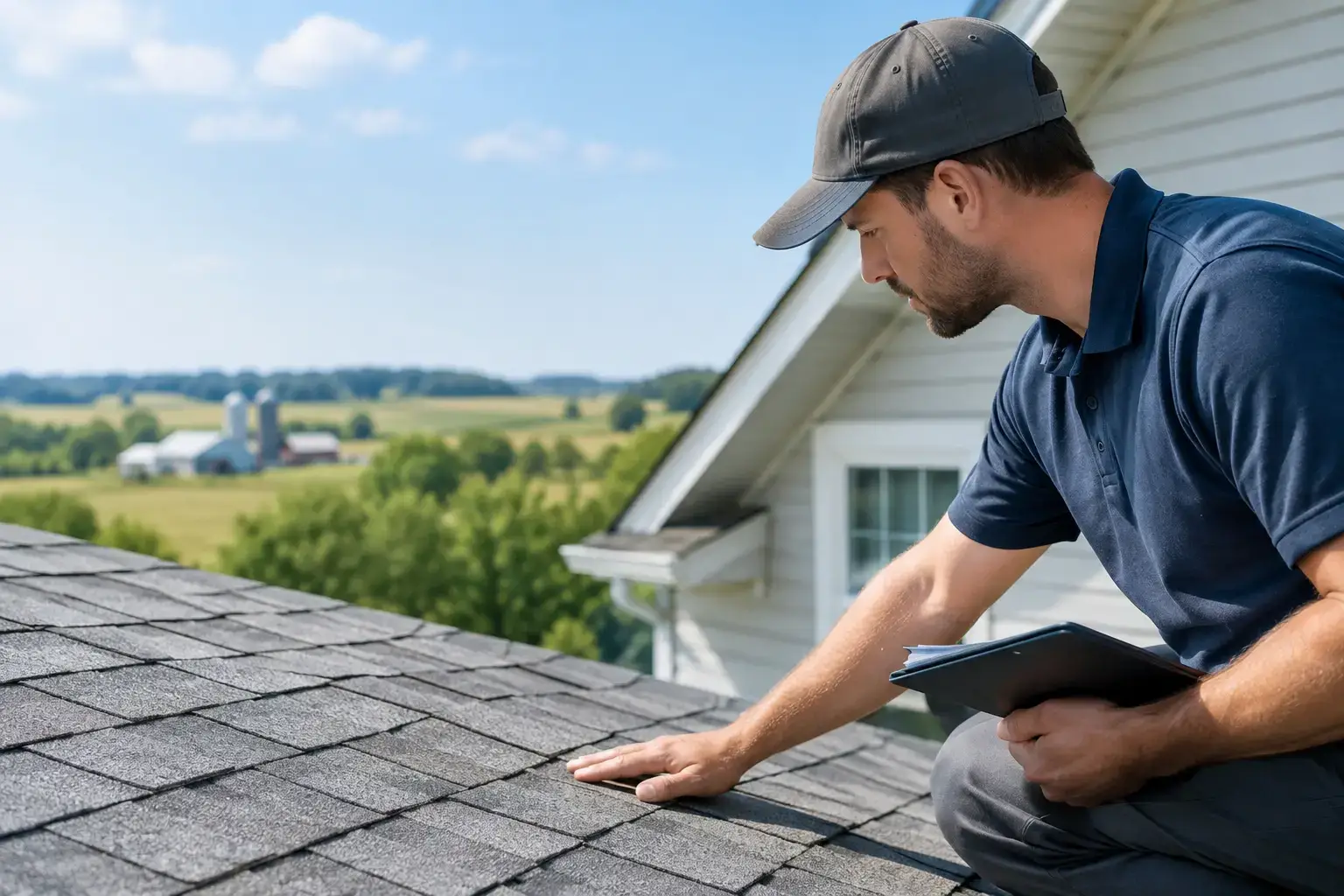
A professional roof replacement begins with a close look at the roof deck. Soft, damaged, or uneven decking can prevent shingles from lying flat and may weaken the fastener hold. From there, the roofing team installs underlayment and ice-and-water protection in the areas most susceptible to moisture intrusion, particularly eaves, valleys, and roof-to-wall intersections.
Fastener placement is equally important. Nails driven too high may not secure the shingle correctly. Nails driven too low can penetrate the visible portion of the shingle and create a future leak risk. Overdriven or angled fasteners can reduce holding power, which matters when Iowa windstorms test the roof.
Flashing also deserves careful attention. Metal flashing directs water away from vulnerable areas around chimneys, skylights, plumbing vents, and sidewalls. It is not a finishing detail. It is one of the most important lines of defense against leaks.
Asphalt Shingles on High-Slope Roofs
Dual-layer asphalt shingles are a practical, attractive choice for many steep residential roofs. Their layered construction creates a more dimensional appearance than basic three-tab shingles and offers increased durability for homeowners who want reliable protection without losing design flexibility.
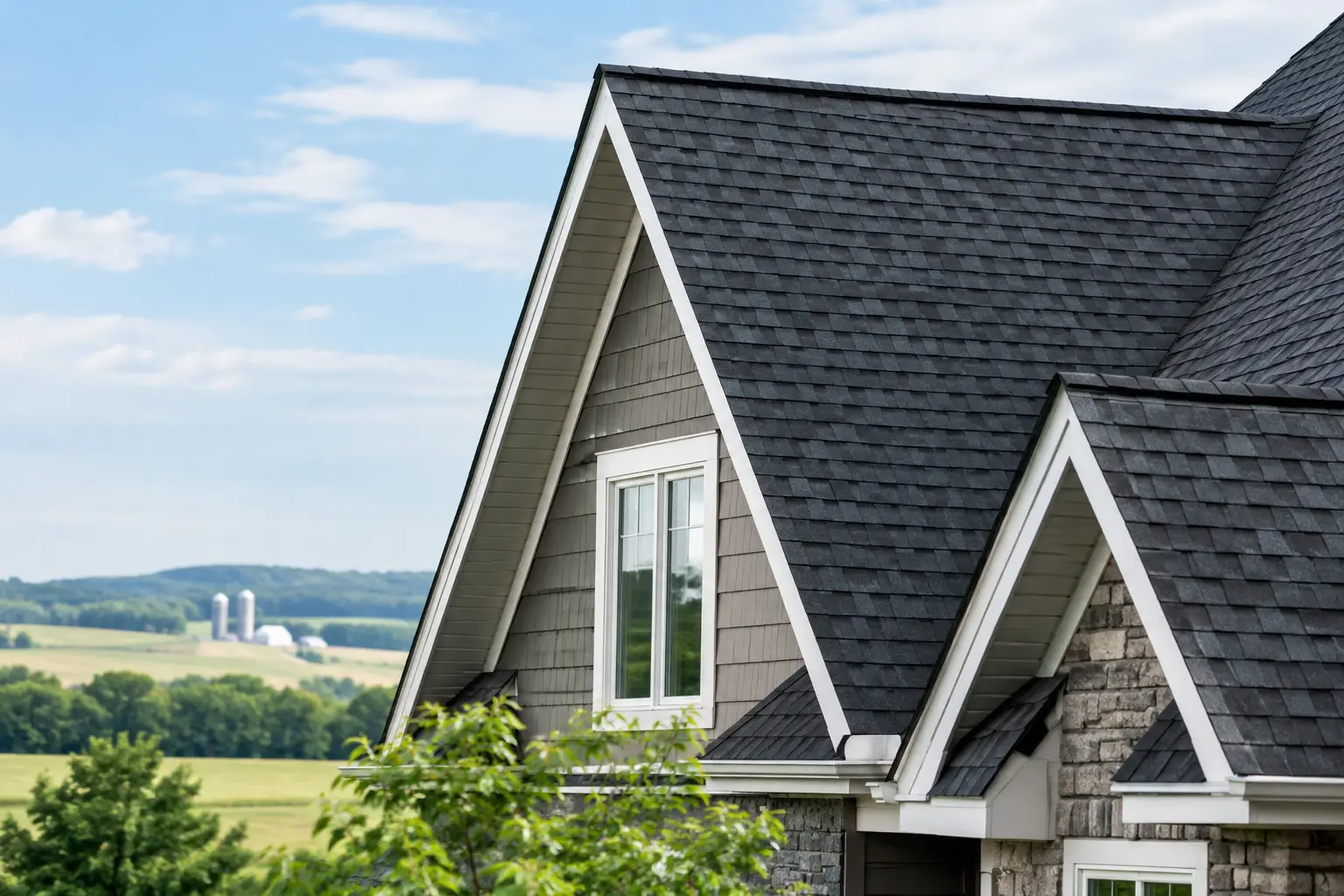
A steep roof can make architectural shingles especially appealing from the street. The greater visibility of the roof plane means color, texture, and shadow lines have a significant effect on the overall look of the home. A carefully chosen shingle color can complement brick, siding, trim, windows, and gutters while helping an aging exterior feel renewed.
Asphalt shingles are not all the same, however. Homeowners should consider wind ratings, manufacturer installation requirements, warranty coverage, and the condition of the existing roof structure. A premium shingle installed to the manufacturer’s specifications can provide meaningful long-term value. A lower-cost product installed without proper attention to flashing, ventilation, or fasteners can become expensive much sooner than expected.
When Asphalt Is a Strong Fit
Asphalt shingles are often a sound fit for homeowners who want broad color selection, a familiar architectural appearance, and a cost-conscious replacement option. They work well on most steep roof designs when the deck, underlayment, ventilation, and installation details are handled correctly.
They may be less appealing for homeowners seeking the longest possible service life or exceptional resistance to severe weather. In that case, a steel roofing system may deserve a closer look.
Stone-Coated Steel for Steep Rooflines
Stone-coated steel roofing brings a different level of durability to steep-slope homes. It combines the strength of steel with textured finishes and architectural profiles that can resemble traditional shingles, shake, tile, or other premium roof styles. This allows homeowners to pursue a distinctive exterior without giving up performance.
On a steep roof, steel panels must be precisely measured, aligned, and securely attached. The result can be an exceptionally durable roofing system designed to handle demanding weather exposure. Steel also offers a lighter-weight alternative to some heavier roofing materials, which can be valuable when planning around the home’s existing structure.
The initial investment is typically higher than asphalt shingles, so the decision depends on your goals. If you expect to remain in the home for many years, value long-term durability, or want a premium architectural statement, stone-coated steel can be a compelling option. If budget and a traditional shingle appearance are the primary priorities, dual-layer asphalt may be the better match.
Design Choices Matter More on a Steep Roof
Because steep roofs are highly visible, homeowners should view material selection as both a protection decision and an exterior design decision. The roof may account for a large share of what people see from the curb.
Darker colors can create contrast and visual definition, especially against light siding or stone. Lighter and mid-tone colors may soften a tall roofline or work well with warmer brick and exterior accents. The best choice depends on the home’s style, neighborhood character, sun exposure, and the colors of exterior elements you plan to keep.
A roof replacement can also be the right time to consider coordinated improvements. New gutters, siding, or windows can help create a more finished look while addressing water management, energy efficiency, and exterior maintenance needs in one organized project.
Ventilation and Water Management Cannot Be Overlooked
A steep pitch helps water leave the roof surface, but it does not eliminate moisture concerns. Attic ventilation is still essential. Balanced intake and exhaust ventilation helps reduce heat and moisture buildup, supports shingle performance, and can limit conditions that contribute to ice dams during winter.
Gutters also need to keep pace with the water coming off a steep roof. During a hard rain, runoff can move quickly into the gutter system. Properly sized, securely mounted gutters and correctly placed downspouts help guide that water away from the foundation. If gutters overflow or pull away under snow and ice loads, the roof system is not receiving the full protection it needs.
Questions to Ask Before Replacing a Steep Roof
Before approving a roofing proposal, ask how the contractor will protect landscaping and the home during the project, inspect decking, address ice-and-water protection, and install flashing around every penetration and transition. Ask whether the recommended shingle or steel system is appropriate for your roof pitch and how ventilation will be evaluated.
It is also wise to ask what happens if hidden deck damage is discovered after tear-off. A clear contractor will explain the process before work begins, rather than leaving homeowners to make rushed decisions in the middle of the project.
Steep roofs require more labor and safety planning than shallow rooflines. That can affect project cost, but it is not a place to cut corners. Proper fall protection, experienced crews, and careful material handling protect both the installers and the quality of the finished roof.
Protection Built for the Roof You Have
A steep roof should be an advantage, not a source of uncertainty. With the right material and detail-driven installation, it can move water efficiently, stand up to Midwest weather, and give your home the strong, finished appearance it deserves.
Guardian Roofing helps homeowners compare dual-layer asphalt shingles and stone-coated steel options based on their roof design, exterior goals, and long-term plans. A free, straightforward assessment can turn a complicated roofline into a clear path toward dependable protection and lasting curb appeal.