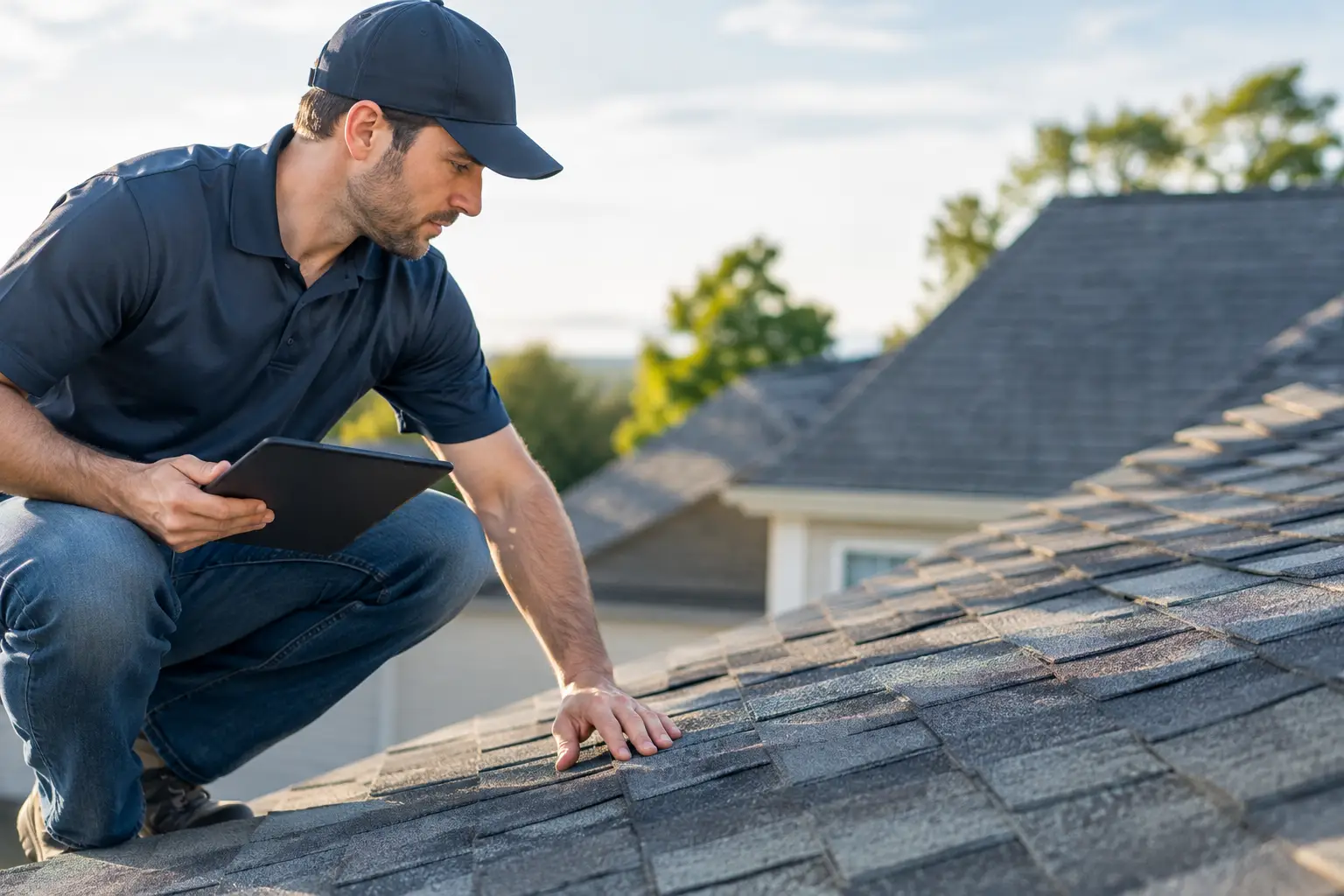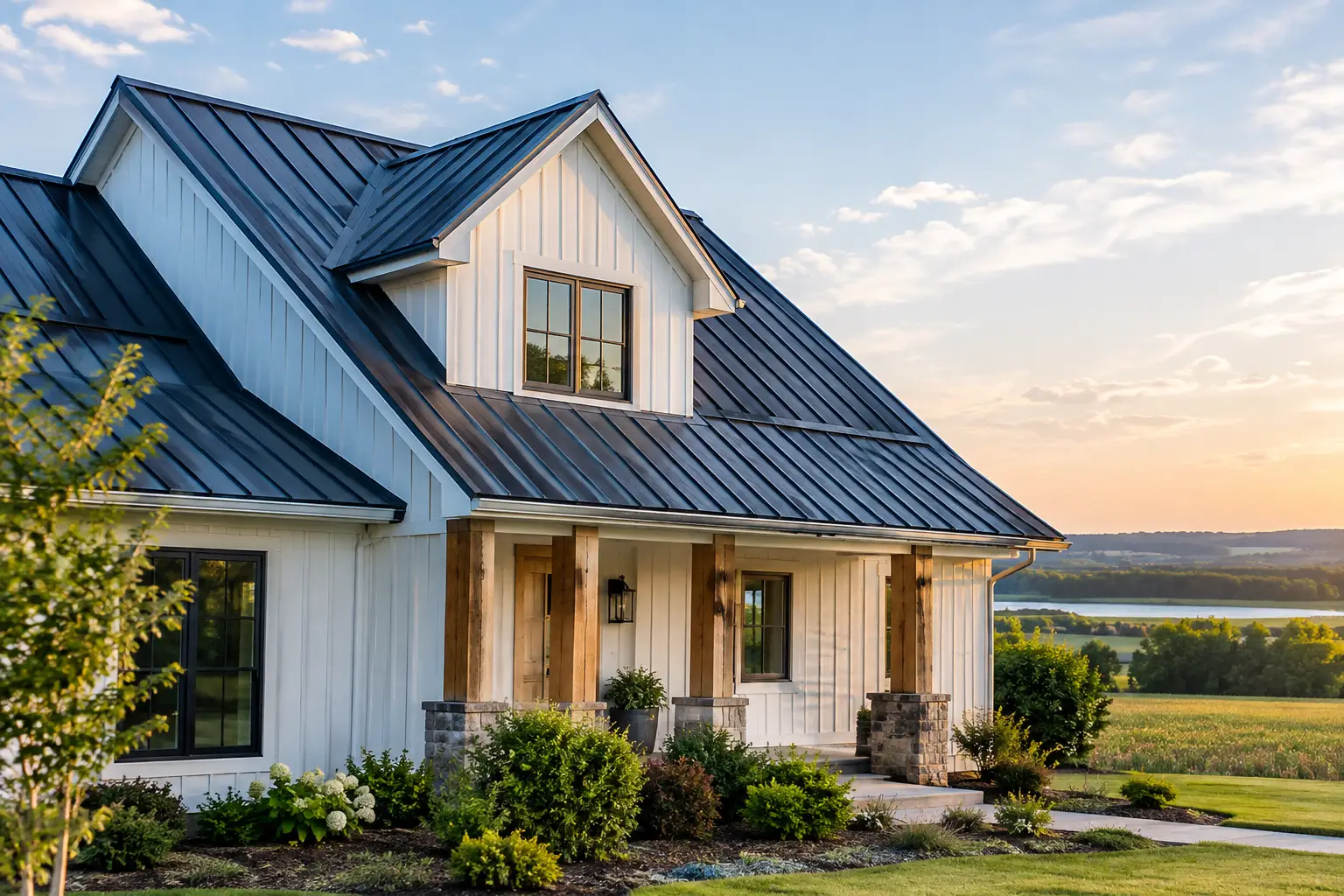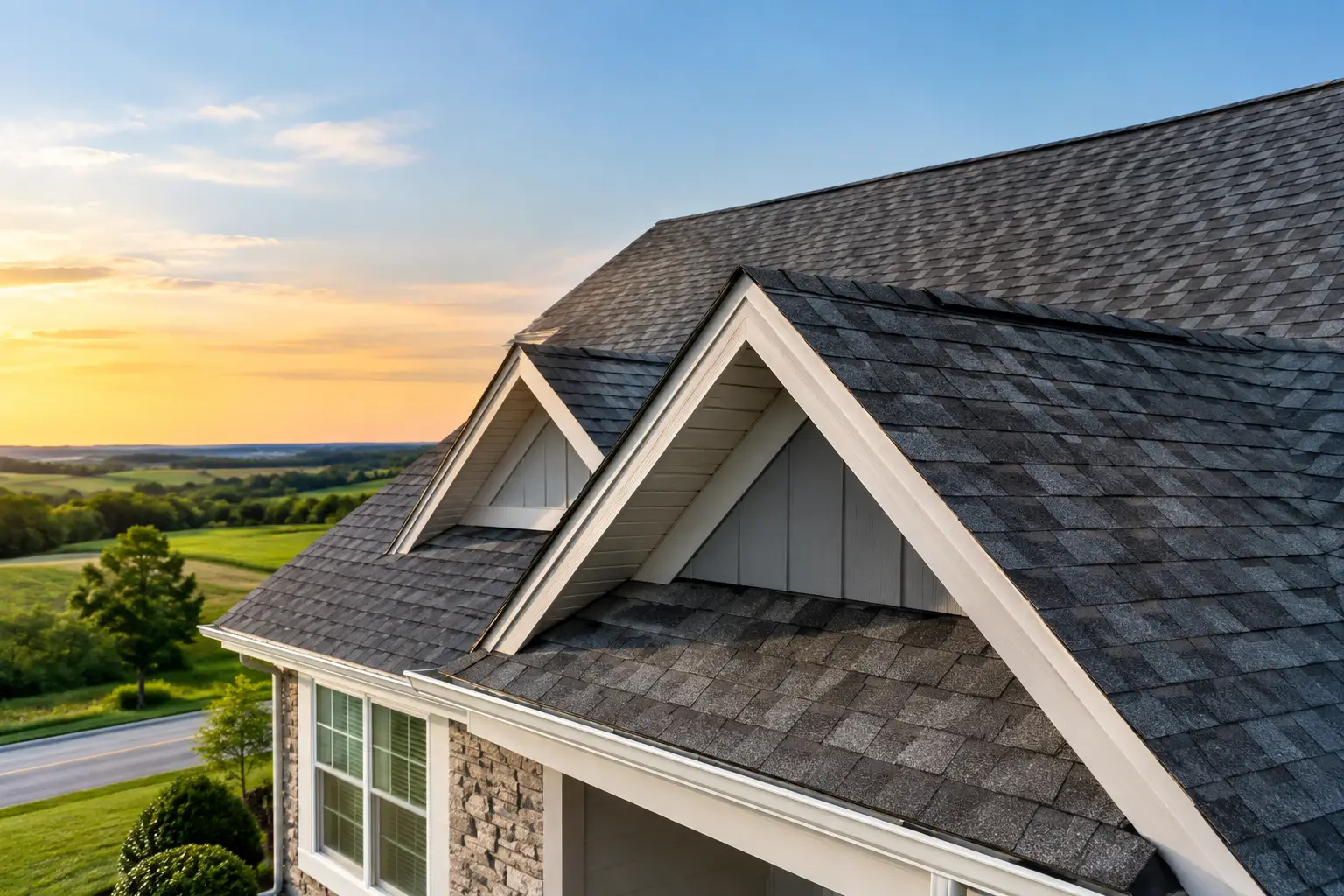
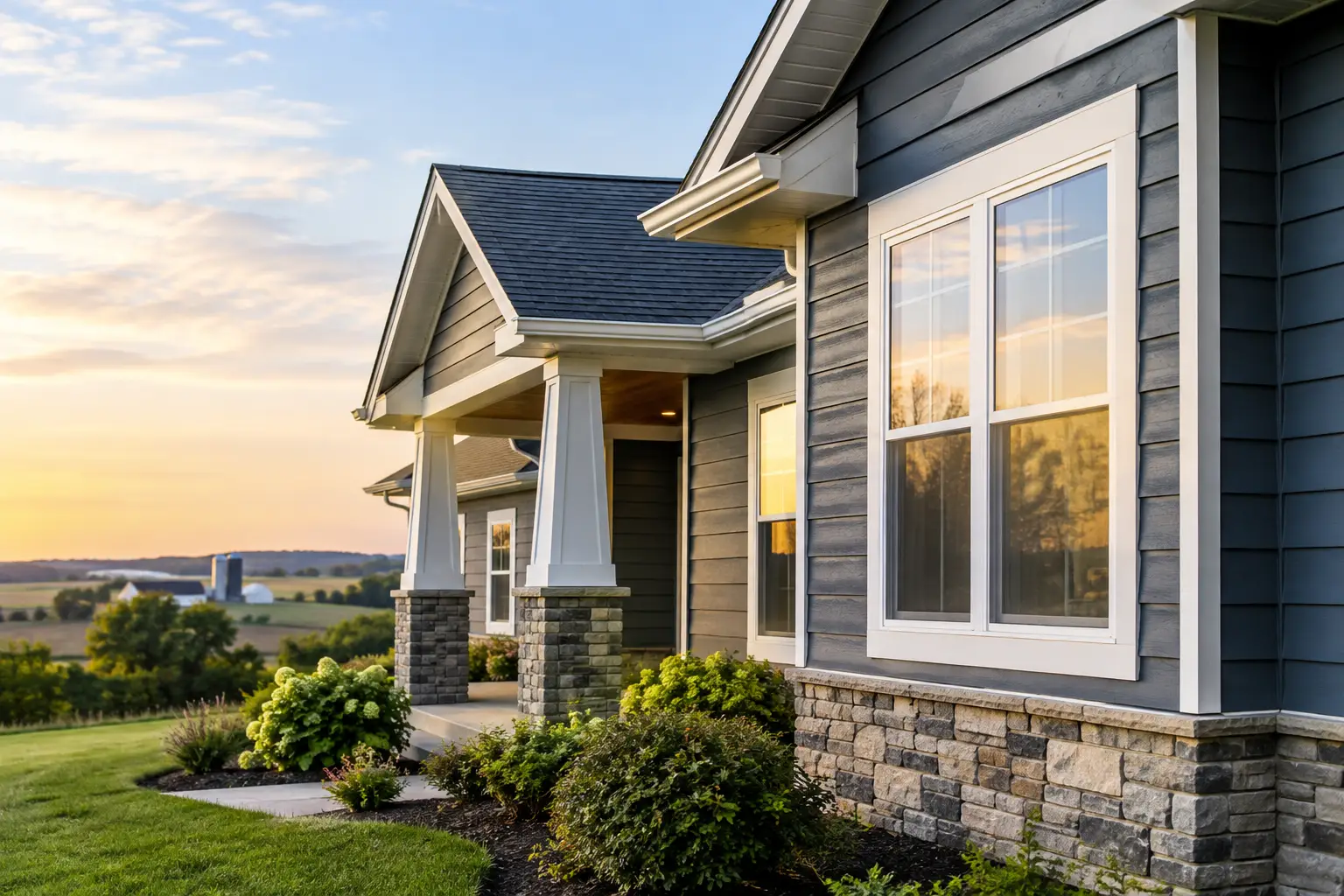
A Des Moines home can face wind-driven rain in spring, heat and hail in summer, and freezing temperatures that test every exterior seam in winter. LP SmartSide siding is designed for homeowners who want the warm, familiar appearance of wood siding with engineered protection built for demanding weather. The right product and installation can improve curb appeal, help defend vulnerable walls, and make an exterior renovation feel like a long-term investment instead of a recurring repair.
What Is LP SmartSide Siding?
LP SmartSide is an engineered wood siding product. Rather than using a single solid board, it is manufactured from wood strands, binders, waxes, and resins, then treated with a zinc borate-based process intended to help resist fungal decay and termite damage. The finished siding is available in several profiles, including lap siding, panel siding, shakes, trim, and soffit options.
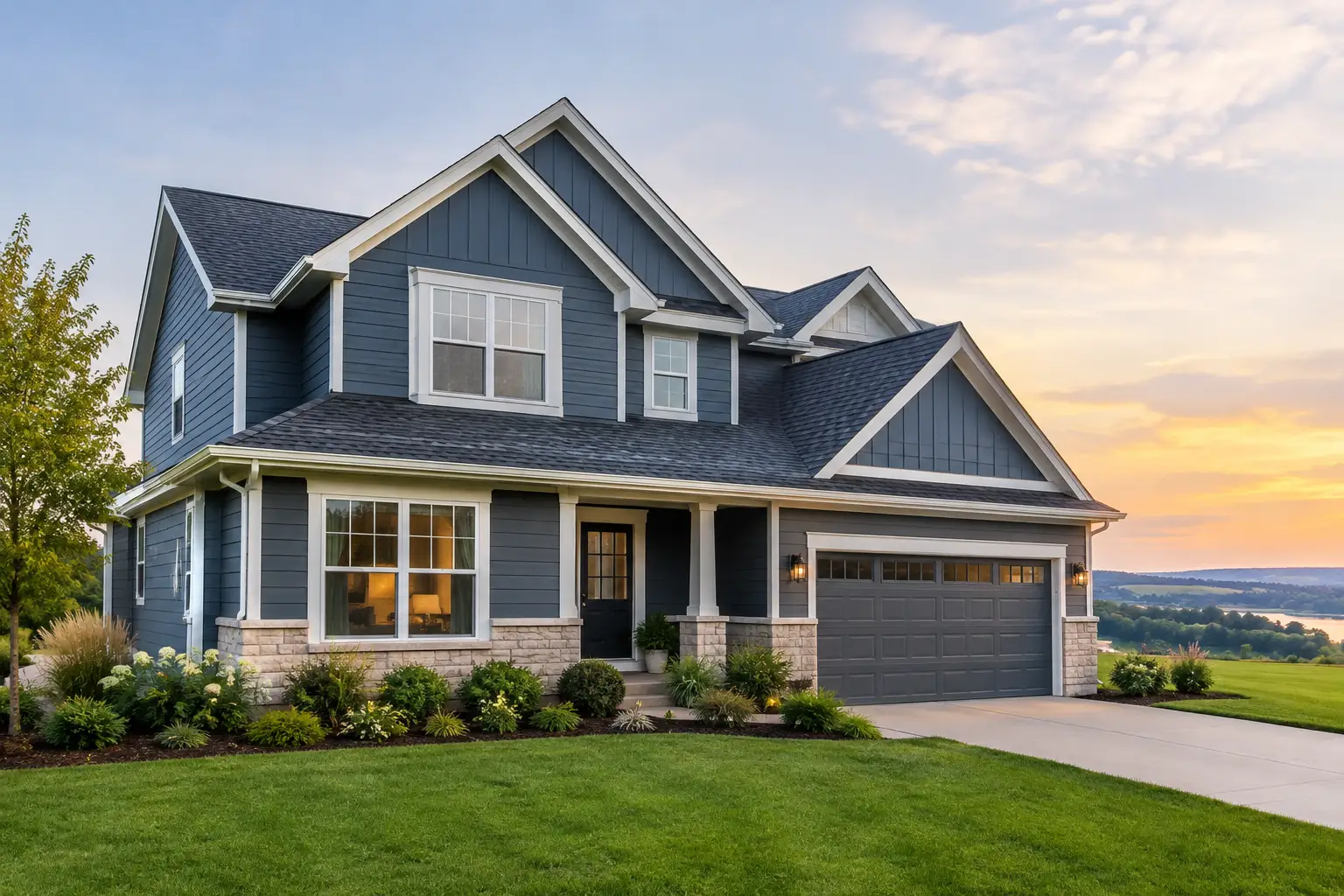
For homeowners, the practical benefit is design flexibility. A home can have the crisp shadow lines of traditional lap siding, the clean appearance of vertical panels, or accent details that create more architectural character. Because trim and siding can be coordinated within the same product family, the finished exterior can look intentional from the roofline to the foundation.
That does not mean every home needs the same profile or color. A ranch home may benefit from wider lap courses that give the exterior more presence. A two-story colonial may look best with traditional lap siding and carefully proportioned trim. The most successful choice balances the home’s architecture, the neighborhood, maintenance expectations, and the exposure each wall receives.
Why Iowa Homeowners Consider LP SmartSide
Exterior materials in central Iowa need to do more than look good on installation day. They need to handle shifting temperatures, moisture, sun exposure, wind, and the occasional impact from branches or hail. LP SmartSide is often considered because it offers a wood-based appearance while aiming to provide greater dimensional stability and impact resistance than conventional wood siding.
Its long board lengths can also reduce the number of visible seams across a wall. Fewer seams can create a cleaner appearance, particularly on broad front elevations where curb appeal matters most. Homeowners who like the texture and depth of painted wood siding often appreciate that SmartSide can deliver a similar visual result without relying on solid wood boards throughout the exterior.
Another advantage is its compatibility with a coordinated exterior project. When a roof replacement, new gutters, or window updates are already planned, siding provides an opportunity to bring color, trim, and drainage details into one cohesive system. A charcoal or weathered-gray roof, for example, may pair well with a lighter siding color and bright trim, while a warmer shingle tone can support a more traditional palette.
The Performance Depends on Installation
No siding product can compensate for poor preparation or careless installation. The wall behind the siding must be dry, sound, and properly protected before new boards go up. Flashing, housewrap, window integration, fastener placement, and clearance from roofing, grade, decks, and other surfaces all matter.
This is especially important around windows, doors, garage openings, and roof-to-wall intersections. These are areas where water can find its way behind siding if the flashing sequence is wrong. A quality installer treats these details as part of the protection system, not as cosmetic finishing work.
LP SmartSide also has manufacturer installation requirements that should be followed precisely. Appropriate gaps, approved fasteners, proper end sealing where required, and specified clearances help the material perform as intended. Homeowners should be cautious of bids that focus only on a low per-square price without explaining how trim, flashing, removal of old materials, and water-management details will be handled.
A thorough siding proposal should make it clear what is being installed and why. It should identify the siding profile, trim approach, color or finish plan, preparation work, and any repairs needed after the old exterior is removed. That clarity helps prevent surprises once work begins.
Appearance, Color, and Curb Appeal
Siding has a larger visual impact than almost any other exterior upgrade. It covers most of the home, frames windows and entryways, and establishes the backdrop for the roof, gutters, shutters, and landscaping. SmartSide offers a range of profile options that can help a homeowner refresh an outdated exterior without making the house look out of place.
Painted finishes remain a popular choice because they provide broad color freedom. Soft grays, warm whites, deep blues, and earth tones can all work well in Iowa neighborhoods, but the best color is not always the trendiest one. Consider the roof color, brick or stone accents, permanent hardscape, and the amount of direct sun on the home. Dark colors can look striking, yet they may show dust, fading, or surface wear more readily on highly exposed walls.
Texture is another decision worth discussing. A smooth finish often supports a clean, contemporary look, while a cedar texture can add warmth and visual depth. Mixing profiles can also create focal points, such as panel siding in a gable or shake-style accents near an entry. Used thoughtfully, these details improve character without overwhelming the home.
Maintenance Expectations for LP SmartSide Siding
Engineered wood siding is not maintenance-free, and homeowners should be wary of any contractor who describes it that way. It does, however, offer a manageable maintenance path when it is installed correctly and inspected regularly.
Keep vegetation trimmed back so siding can dry after rain. Make sure gutters and downspouts direct water away from the exterior, and correct any overflowing gutter sections promptly. Inspect caulked joints, flashing areas, and paint condition periodically, especially after severe storms or harsh winters.
Painted siding will eventually need repainting or touch-up work depending on climate, color, sun exposure, and the quality of the original finish. That is normal for many painted exterior products. Addressing small chips or failed caulk early can help protect the siding and preserve the clean look that made the upgrade appealing in the first place.
It is also wise to avoid allowing sprinklers to repeatedly soak a wall and to maintain required clearance between siding and soil or mulch. These simple habits reduce unnecessary moisture exposure at the lower portion of the home.
Is LP SmartSide the Best Choice for Every Home?
LP SmartSide can be a strong fit for homeowners who want the visual appeal of wood, flexible design options, and an engineered product suited to a challenging climate. It may be particularly appealing for a full exterior renovation where trim, windows, gutters, and roofing details need to work together.
Still, the right siding material depends on priorities. Vinyl siding may be a practical choice for homeowners focused on a lower initial cost and minimal painting requirements. Fiber cement can appeal to homeowners seeking a different material composition and a highly established painted-siding option. Natural wood offers unmatched authenticity for some architectural styles, but it generally demands more ongoing care.
Budget matters, too. The installed cost should be evaluated alongside the scope of preparation, the quality of flashings and trim, finish work, warranty coverage, and the contractor’s experience. A lower quote is not always a lower lifetime cost if it leaves important moisture-control details unresolved.
Planning a Siding Project With Confidence
Before choosing a color board or profile, walk around the home and identify what the project needs to solve. Are there areas of swelling, peeling paint, loose boards, or repeated moisture damage? Are gutters overflowing near the same wall? Do old windows, roof intersections, or worn trim need attention at the same time?
This assessment helps turn a siding replacement into a complete protection plan. Guardian Roofing can help Des Moines homeowners evaluate siding choices alongside roofing, windows, and gutters, so the finished exterior is designed to shed water, withstand the elements, and present a unified appearance.
The best time to think through those details is before installation begins. A free, detailed quote gives you room to compare materials, understand the work behind the finished surface, and choose an exterior solution that protects your home with confidence for years to come.