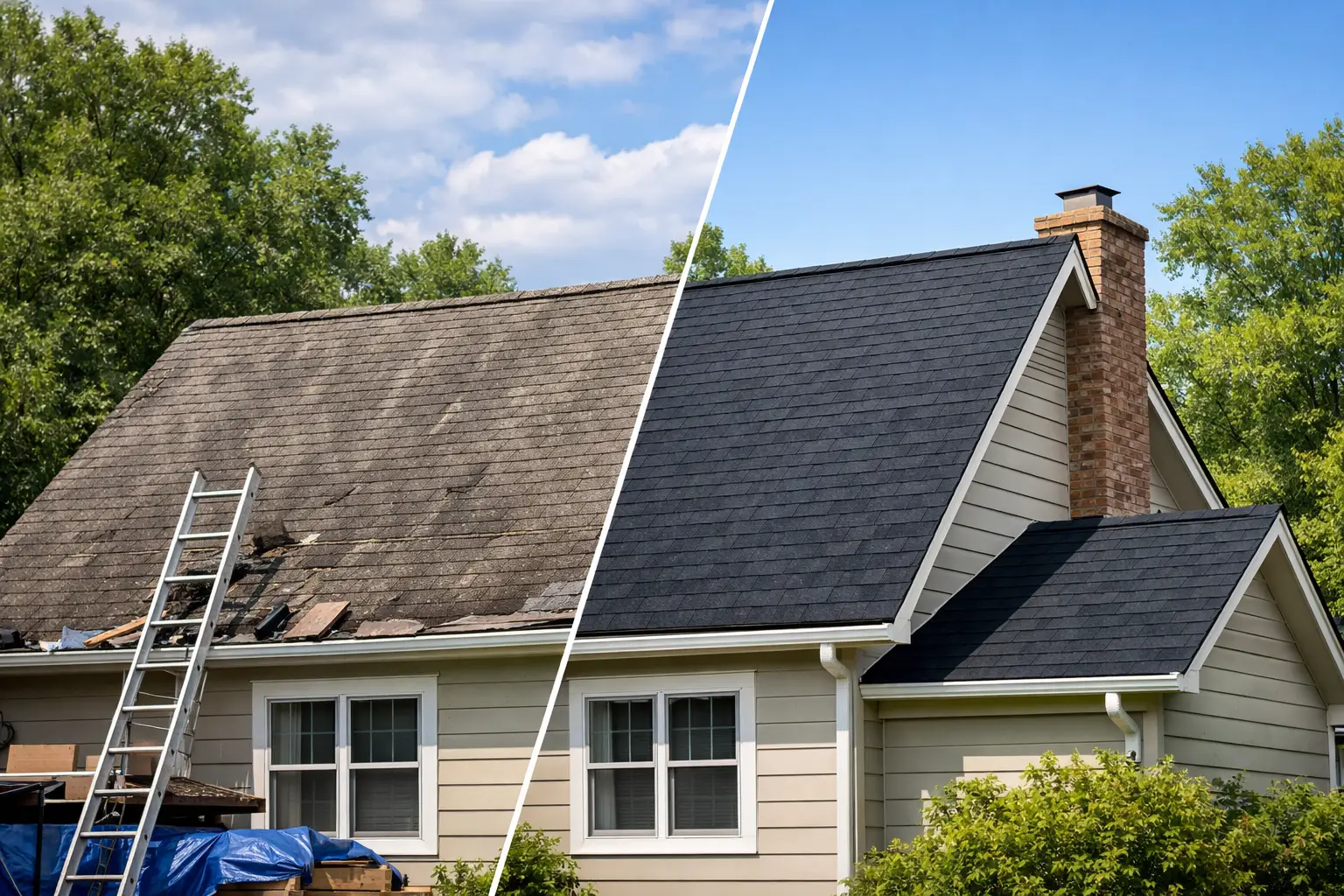
A roof can look acceptable from the driveway right up until it does not. Granules collect in gutters, shingle edges begin to curl, dark streaks spread across the surface, or a windstorm exposes a weakness that has been building for years. A roof replacement before after comparison makes the change visible, but the most valuable improvements are often the ones protecting your home beneath the surface.
For Des Moines homeowners, a new roof is more than a cosmetic update. It is a chance to address age, storm exposure, ventilation concerns, and the way the entire exterior handles Iowa’s wind, rain, snow, and changing temperatures. The right replacement should make your home look renewed while providing protection you can count on for the years ahead.
What a Roof Replacement Before After Comparison Reveals
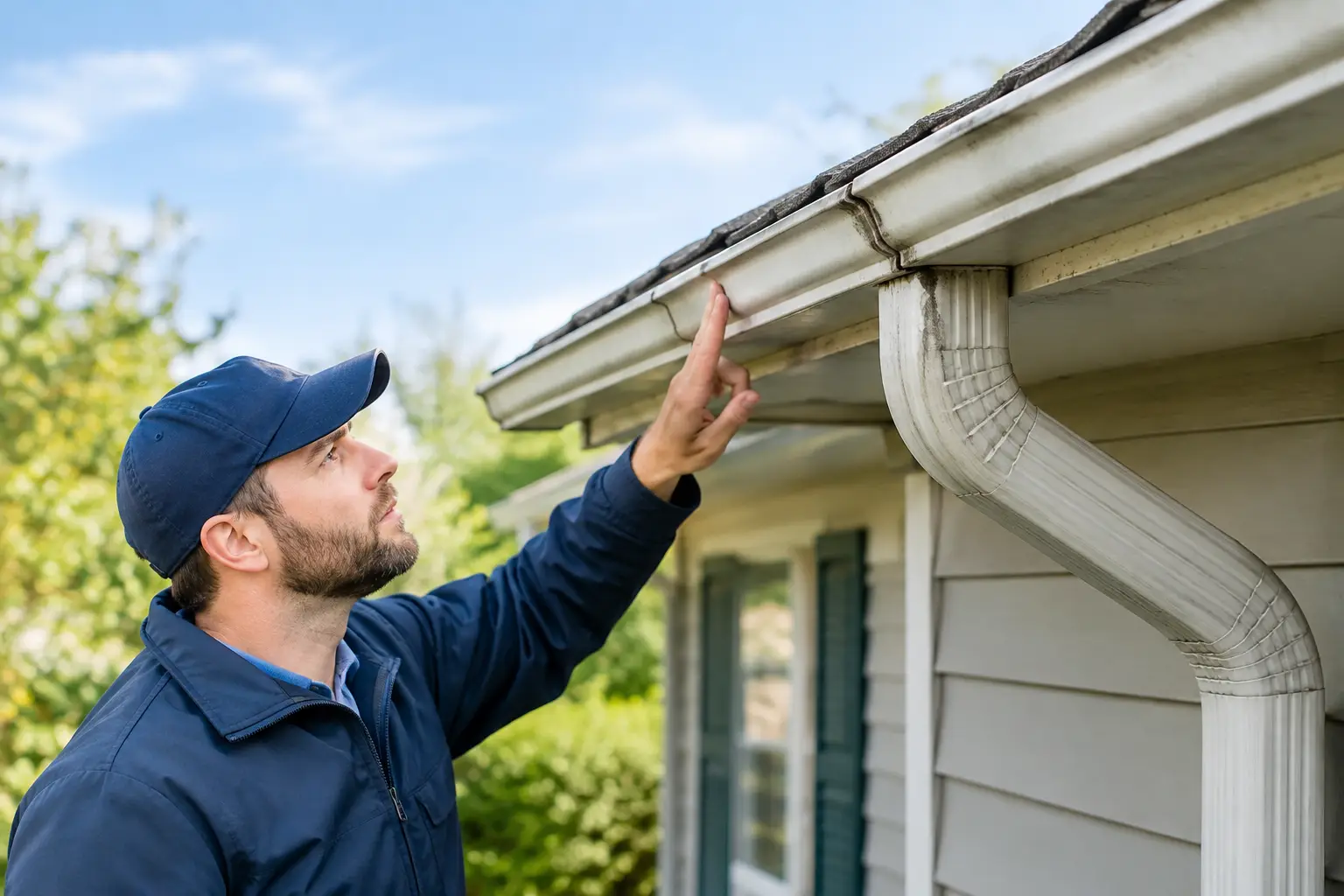
The “before” side of a roofing project often tells a story of gradual wear. Asphalt shingles may be faded, brittle, cracked, or missing. Flashing around chimneys and vents may have deteriorated. Water stains in an attic, a sagging roofline, or repeated small repairs can signal that the roofing system is no longer doing its full job.
The “after” side should show more than a fresh color. A professionally installed roof has consistent lines, secure flashing details, properly finished edges, and a material profile that fits the home. It should complement the siding, gutters, windows, and trim rather than compete with them.
Just as importantly, the finished roof represents a new layer of defense. Replacement gives your contractor the opportunity to inspect the roof deck, correct hidden issues where appropriate, and install a complete system designed to shed water and stand up to demanding weather. Appearance matters, but lasting performance is the real purpose of the work.
Before: Signs Your Roof May Be Near the End
Not every worn roof needs immediate replacement. A localized issue, such as damage around one vent or a few shingles affected by a fallen branch, may be repairable if the surrounding roof remains in good condition. The decision depends on the roof’s age, condition, material availability, and whether repairs will genuinely extend its useful life.
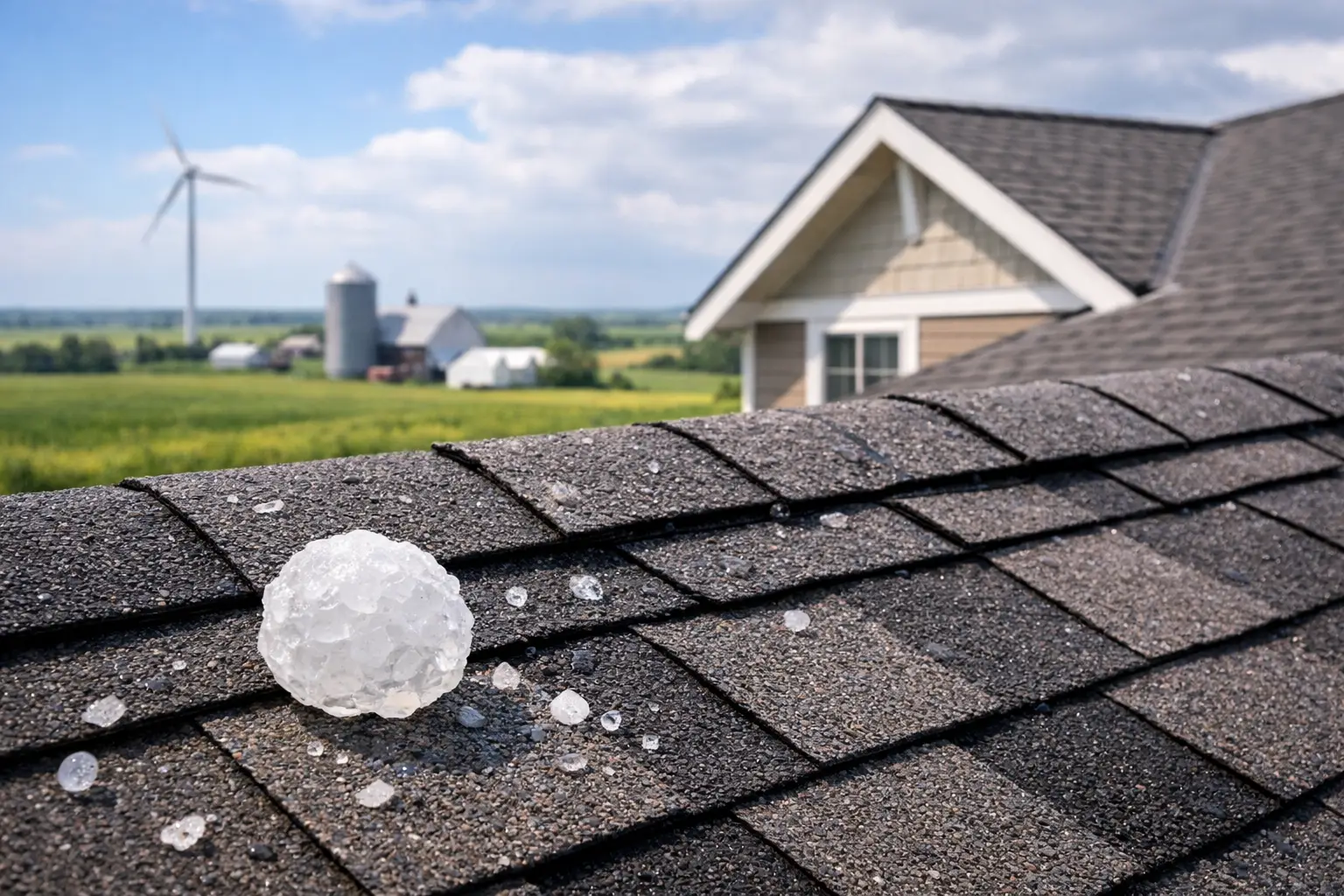
Replacement becomes the practical choice when problems are widespread or recurring. Homeowners should pay attention to missing shingles after high winds, widespread granule loss, cracking, curling, bald spots, soft areas, recurring leaks, and visible sagging. A roof that is nearing the end of its expected service life can also become difficult to repair well because matching materials may no longer be available.
Inside the home, check the attic after heavy weather. Damp insulation, water marks on rafters, musty odors, and daylight where it should not be visible deserve prompt attention. Water does not always appear directly below its entry point, so a ceiling stain may be the last visible sign of a much earlier issue.
A professional evaluation provides needed context. It distinguishes ordinary surface aging from conditions that threaten the roof’s ability to protect the home. That clarity helps homeowners avoid both premature replacement and the higher costs that can come from waiting too long.
After: Protection Built Into the Details
A replacement roof performs as a system, not as a collection of shingles or panels. The visible material is important, but proper underlayment, flashing, ventilation, fastening, and edge protection all contribute to how the roof handles moisture and temperature changes.
Flashing deserves special attention because roof penetrations and transitions are common points of water intrusion. Chimneys, valleys, skylights, plumbing vents, and wall intersections need careful detailing. A polished finished appearance is reassuring, but skilled installation in these less visible areas is what helps keep water outside.
Ventilation also affects long-term performance. Inadequate attic ventilation can allow heat and moisture to build up, placing added stress on roofing materials and contributing to ice-related concerns during winter. The right approach depends on the home’s design and existing ventilation, which is why a consultation should look beyond the roof surface alone.
When evaluating a completed project, homeowners can look for clean alignment, straight ridges, consistent overhangs, neatly integrated vents, and gutters that work with the roofline. These details create curb appeal, but they also reflect an installation process focused on the whole exterior.
Choosing Materials That Change More Than Appearance
Material selection has a major effect on any roof replacement before after result. Color, texture, and architectural profile can make a modest home feel more current or help a distinctive property retain its character. Yet the right choice should also reflect the homeowner’s long-term priorities.
Dual-layer asphalt shingles remain a practical option for many homes. They offer dimensional appearance, a wide range of colors, and dependable protection at a competitive price point. For a homeowner who wants a traditional look with strong visual variety, they can provide a meaningful upgrade from aging, flat-looking shingles.
Stone-coated steel roofing offers a different set of advantages. It combines the durability of steel with architectural profiles that can resemble shingles, shakes, tile, or other classic roofing styles. For homeowners planning to stay in their homes for many years, or those who want a premium material designed for demanding weather exposure, steel can be worth serious consideration.
There is no single best roof for every house. Budget, architectural style, planned ownership length, surrounding homes, and exterior color choices all matter. A good recommendation explains the trade-offs clearly rather than steering every homeowner toward the same product.
Color and profile affect curb appeal
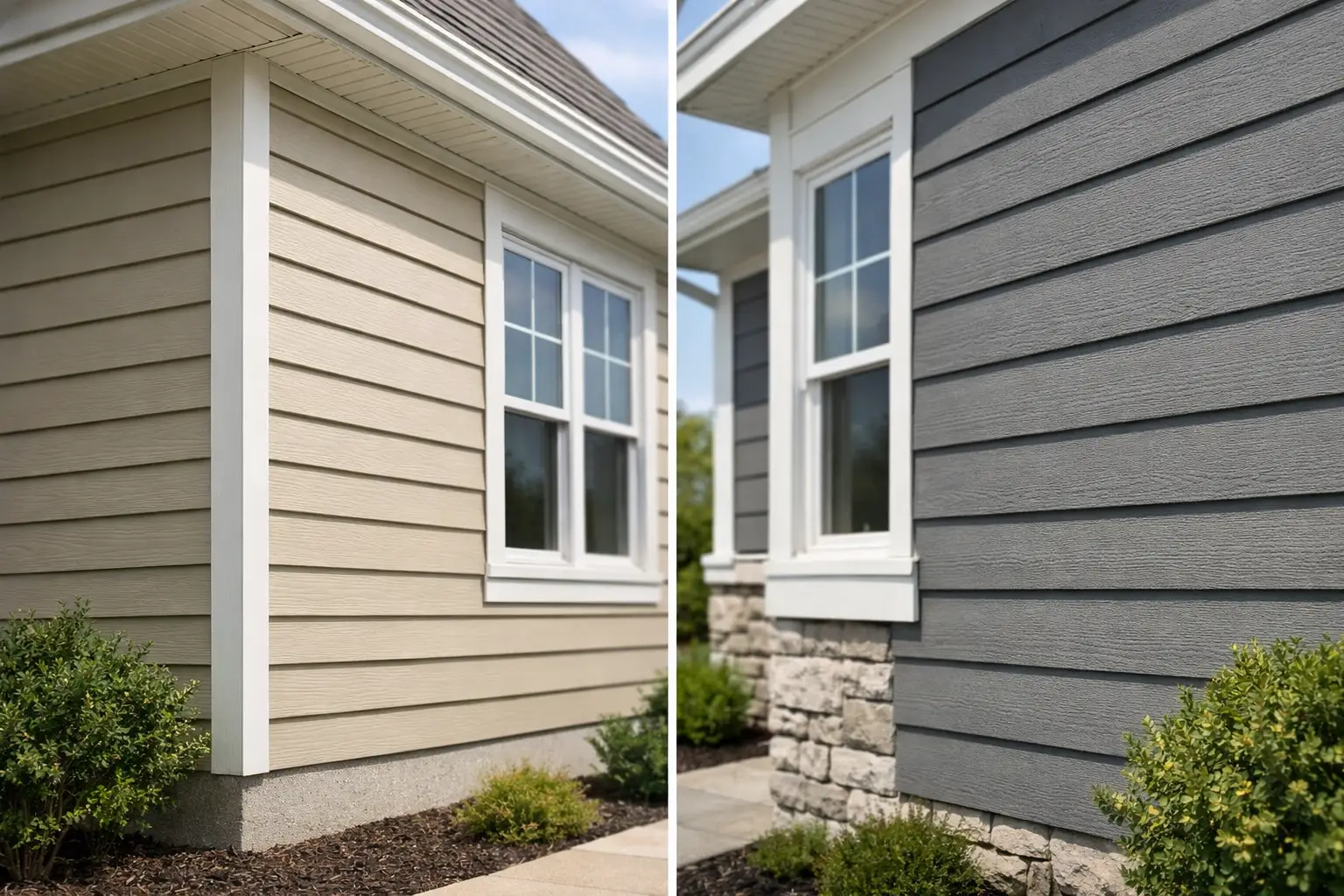
A roof covers a large portion of what people see from the street. Replacing faded brown or gray shingles with a color that works with the brick, siding, and trim can dramatically sharpen a home’s appearance. Darker roofs can provide definition, while lighter tones may suit homes with deeper exterior colors or a more open setting.
Before choosing, consider permanent features that are not changing, such as masonry, window frames, driveway tone, and existing siding. If gutters or siding are due for replacement soon, coordinating the project can produce a more intentional final result. The goal is not to follow a short-lived trend. It is to create an exterior that looks right for the home and remains appealing over time.
Planning the Project With Fewer Surprises
A clear replacement process begins with a thorough inspection and a detailed conversation about what you are seeing, what you want to improve, and how long you expect the solution to perform. The estimate should identify the selected material, installation scope, and any work that may be needed once the existing roof is removed.
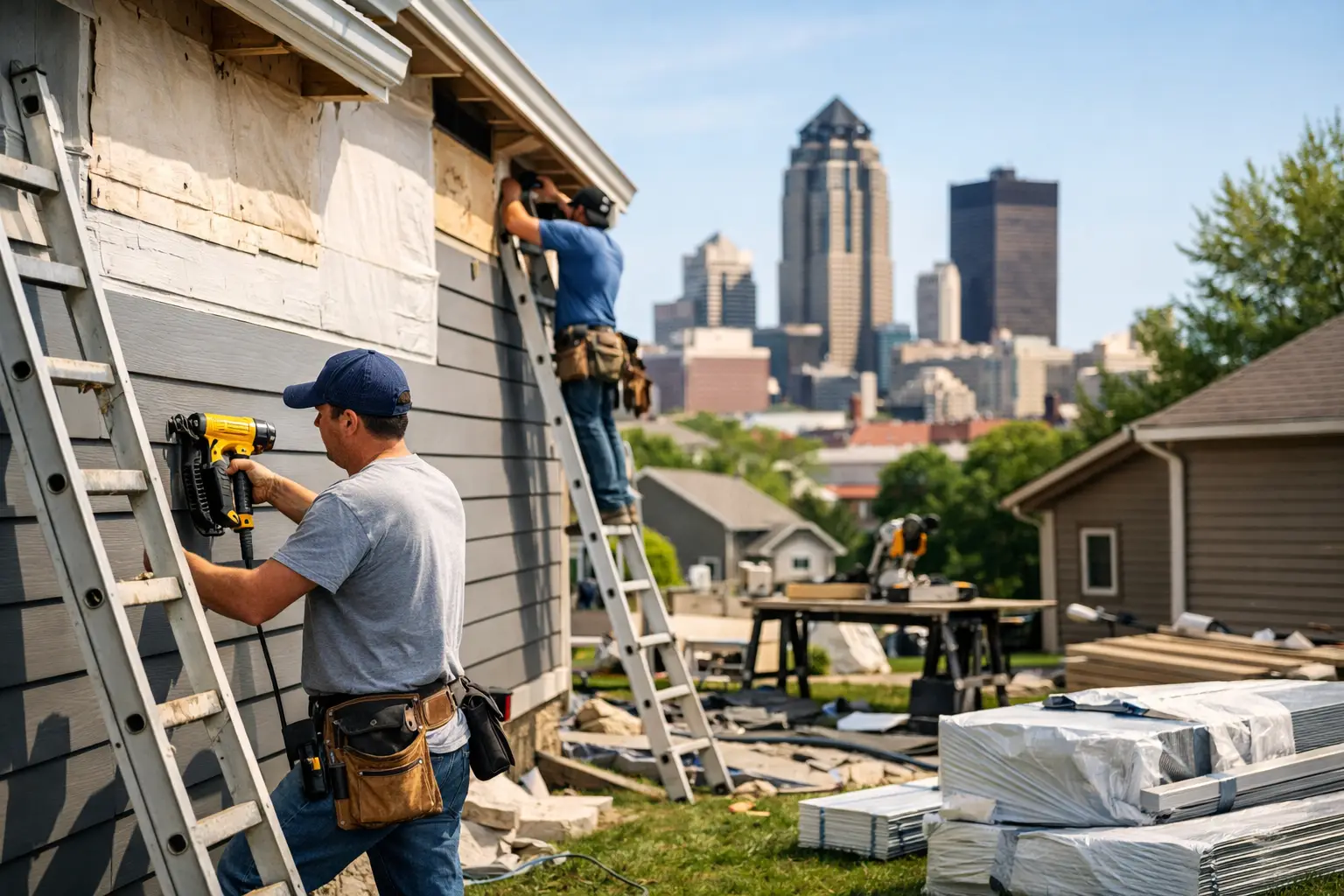
Homeowners can prepare by moving vehicles from the driveway, protecting fragile wall items inside the home, and making arrangements for pets that may be disturbed by construction noise. Roofing is active work, but a professional crew should keep the site organized and address cleanup carefully throughout the project.
It is also wise to ask how the contractor handles unexpected deck damage. Some issues cannot be confirmed until the old roofing material comes off. The important thing is not the promise that surprises never happen. It is receiving straightforward communication and options if they do.
Guardian Roofing approaches replacement as a long-term investment in your home’s safety, resilience, and value. A free quote allows you to compare material options and plan with a clearer understanding of the work, while financing availability can make a premium exterior improvement more manageable.
The Change You Should Feel After Replacement
The best after photo shows a home with cleaner lines, stronger color, and renewed curb appeal. The better outcome is the confidence that arrives with the next hard rain, heavy snow, or Iowa windstorm. You should not be wondering whether loose shingles, aging flashing, or a small attic stain will become a larger problem.
A well-chosen roof gives your home a finished look, but it also gives you time to focus on life inside it. If your roof is showing its age, an honest inspection can turn uncertainty into a practical plan for lasting protection.