A hard Iowa windstorm can leave a roof looking almost unchanged from the street while loosening shingles, lifting flashing, bending gutters, and opening pathways for water. That is why wind damage restoration should begin with a careful response, not a quick guess. The goal is to protect your home now, document what happened, and make repairs that stand up to the next season of Midwest weather.
For Des Moines homeowners, storm recovery is rarely just about replacing a few visible shingles. Wind can affect the roof system, gutters, siding, windows, and the areas where those components meet. A complete assessment helps prevent a small storm-related weakness from becoming a leak, interior repair, or premature replacement later.
Start With Safety and a Ground-Level Check
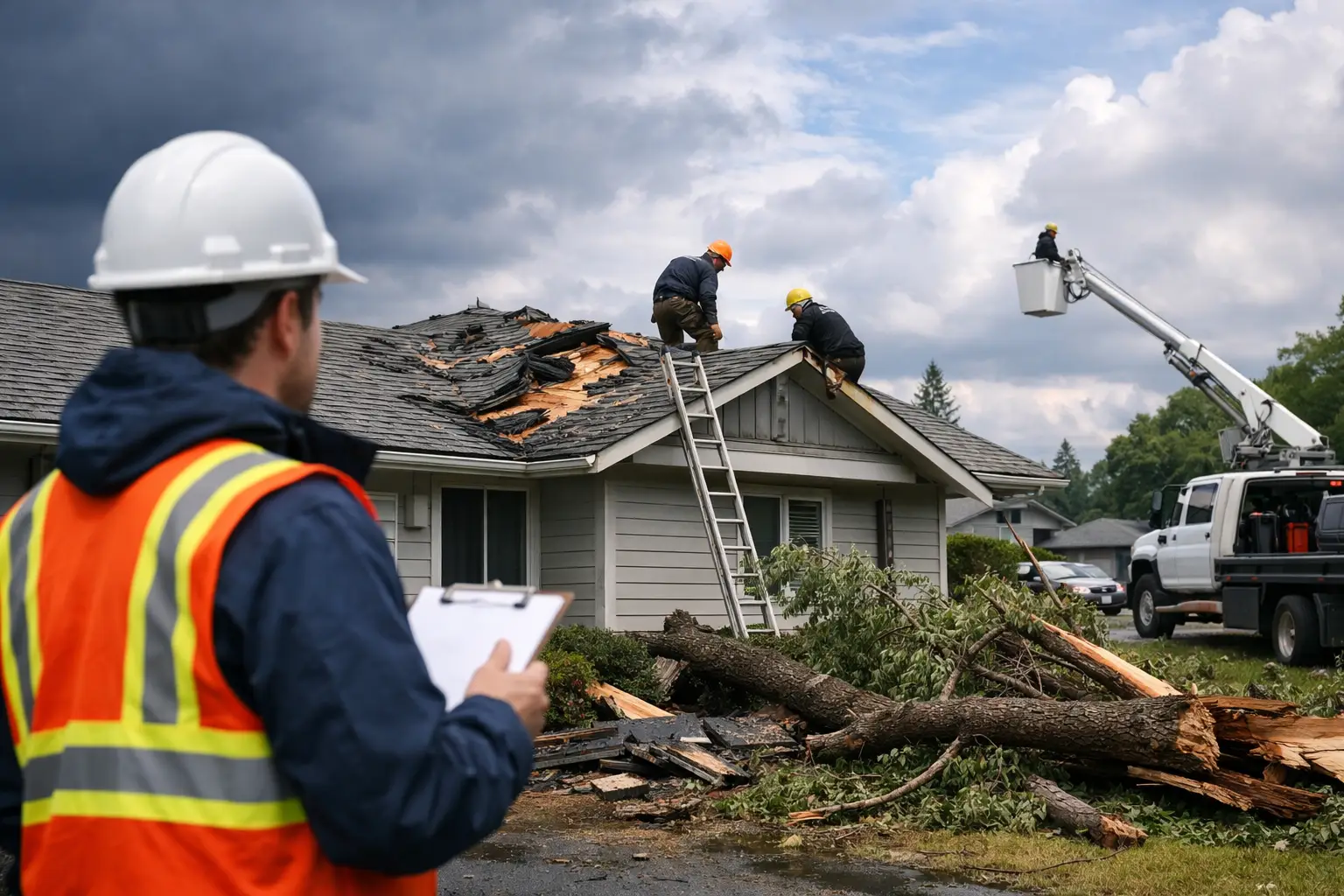
After the wind has passed, resist the urge to climb onto the roof. Wet surfaces, loose materials, damaged decking, and nearby power lines can turn an inspection into a serious hazard. Start from the ground, and take clear photos or videos of anything you can safely see.
Look for missing, curled, creased, or displaced shingles; metal flashing that has lifted or shifted; exposed underlayment; bent or detached gutters; and siding panels that have come loose. Check the yard for roofing granules, shingle pieces, fascia material, or branches that may have struck the house. Inside, inspect ceilings, attic areas, and exterior walls for water spots, damp insulation, peeling paint, or a musty smell.
A few signs deserve immediate attention:
- Active water entering the home
- A large section of missing roofing or exposed roof deck
- A tree limb resting on the roof or exterior wall
- Sagging gutters, loose siding, or materials that could fall
If there is an active leak, move belongings away from the area and use containers to catch dripping water. Avoid attempting a roof patch during unsafe conditions. A qualified exterior contractor can install temporary protection when needed and determine what repairs should follow.
Why Wind Damage Is Often Hard to See
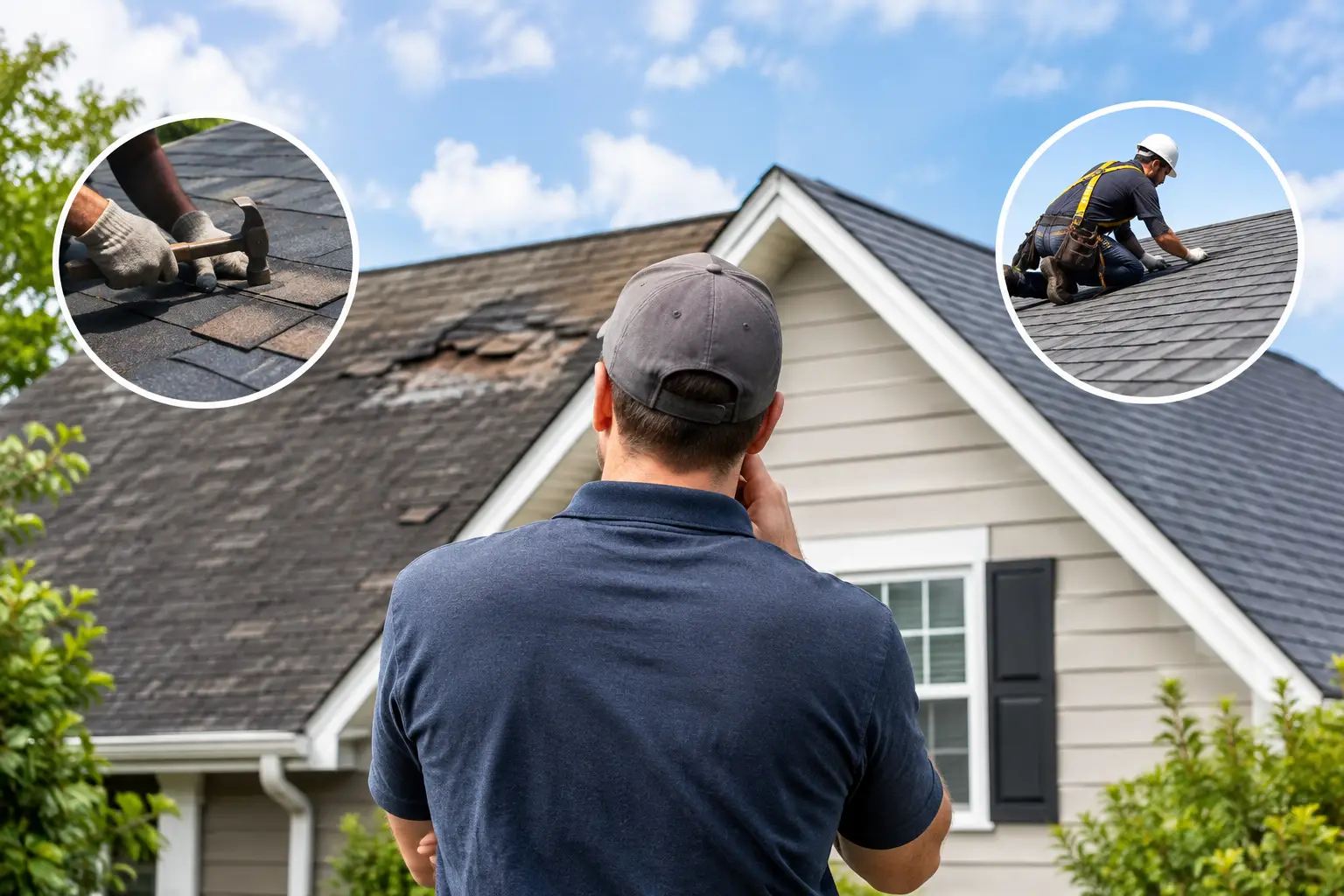
Wind does not always tear a roof apart in obvious ways. It can lift the edge of a shingle just enough to break the seal, crease the material, or pull fasteners loose. Once the adhesive seal is compromised, future wind and rain can work underneath the roofing layers. What appears minor after one storm may shorten the useful life of the roof.
The same is true around roof penetrations and transition points. Flashing at chimneys, vents, skylights, valleys, and walls must remain securely integrated with the roofing system. Wind-driven rain can enter through a small gap in one of these areas, then travel before it shows up as a ceiling stain indoors.
Gutters also play a larger role than many homeowners expect. A gutter that has been pulled away from the fascia can allow water to spill near the foundation, while a bent downspout may direct runoff against siding or landscaping. When wind affects several exterior components at once, coordinating the repair scope helps protect the entire home rather than treating each issue in isolation.
Get a Professional Wind Damage Restoration Inspection
A professional inspection provides the clarity homeowners need after a storm. An experienced contractor can safely examine slopes, edges, flashing, ventilation components, gutters, and adjacent exterior materials that are difficult to assess from the ground. The purpose is not to assume every roof needs replacement. It is to identify the actual condition of the system and recommend the appropriate path forward.
Sometimes targeted repairs are the right solution. If damage is limited and matching materials are available, replacing affected shingles, securing flashing, and repairing gutters may restore protection effectively. In other situations, widespread wind lifting, brittle aging shingles, repeated repairs, or extensive material loss can make roof replacement the better long-term investment.
Age matters, but it is only one part of the decision. A newer roof with isolated wind damage may be repairable. An older roof near the end of its service life may not offer reliable protection even after a patch. The best recommendation considers the extent of storm damage, condition of the remaining materials, roof design, ventilation, and your plans for the home.
At Guardian Roofing, that consultative approach means helping homeowners understand what the inspection findings mean in practical terms: where water could enter, which repairs are urgent, and which material options can provide lasting confidence.
Document the Damage Before Repairs Begin
Good documentation supports a smoother restoration process. Keep the photos and videos you took after the storm, then add notes about when the storm occurred and when you first noticed the damage. Save receipts for reasonable emergency measures, such as temporary water protection or interior cleanup.
If you plan to file an insurance claim, contact your carrier promptly and follow its claim instructions. A contractor can provide a detailed inspection and repair or replacement estimate, but your insurer determines coverage under your specific policy. Avoid signing broad agreements or authorizations before you understand the proposed scope of work, cost, payment terms, and responsibilities.
Clear communication is especially valuable when roof, gutter, siding, or window damage overlaps. A complete scope should identify the materials being repaired or replaced, explain how affected areas will be protected during construction, and address cleanup. Homeowners should also ask how the contractor will handle hidden damage discovered after materials are removed. A straightforward process reduces surprises when the work is underway.
Choose Materials for the Next Storm, Not Just This One
Storm restoration is an opportunity to think beyond the immediate repair. The right roofing system should fit your home’s architecture, budget, and expected years of ownership while offering dependable performance in high winds, rain, snow, and temperature changes.
Dual-layer asphalt shingles remain a practical choice for many Des Moines homes. They provide a familiar appearance, broad color selection, and dependable protection when properly installed as part of a complete roofing system. The exact product and installation method matter, particularly at vulnerable roof edges, valleys, and flashing details.
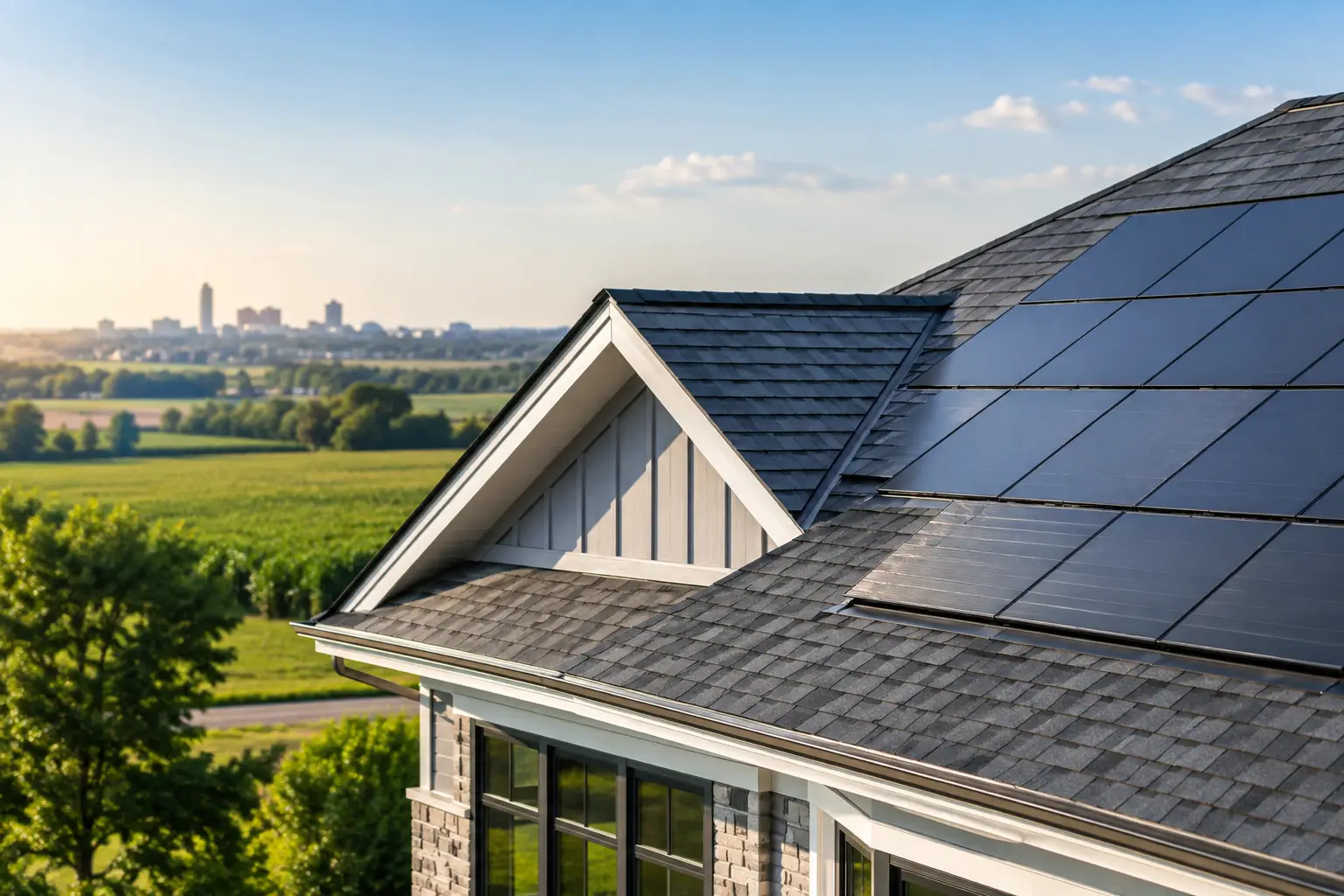
For homeowners seeking a premium, long-term option, stone-coated steel roofing can offer exceptional durability along with the appearance of more traditional roof styles. Unified Steel systems are available in multiple architectural profiles, giving homeowners more flexibility to match the character of the property without giving up strong weather resistance. Steel roofing can carry a higher initial investment than asphalt, so the decision depends on budget, desired appearance, and long-term plans. For many households, the value is in reduced concern about frequent replacement and a more resilient exterior.
Installation quality is just as important as material choice. Even high-performance roofing depends on correct deck preparation, underlayment, ventilation, flashing, fastening, and edge protection. A roof is a system, and its components need to work together when wind-driven rain tests every seam.
Do Not Overlook Siding, Windows, and Gutters
Wind damage restoration should account for the full exterior. Siding may crack, loosen, or develop gaps that allow moisture behind the panels. Window trim and seals can be affected by debris or repeated wind pressure. Gutters and downspouts may pull away from the home, twist out of alignment, or fail to drain water where it should go.
Addressing these issues together can improve both protection and curb appeal. It can also make planning easier when exterior colors, trim details, and material profiles need to coordinate. A home does not need every exterior component replaced after every storm, but the condition of each one should be evaluated before work begins.
Act Promptly Without Rushing the Decision
Storm damage creates understandable urgency, especially when rain is in the forecast. Prompt action protects the home, but it does not require a rushed decision. Secure the property, document the damage, arrange a qualified inspection, and review a clear written scope before committing to major work.
The right wind damage restoration plan gives your home more than a temporary fix. It restores the barrier that protects your family, preserves the value of your property, and prepares the exterior for the weather Iowa will bring next. A careful inspection today can provide the confidence that your home is ready when the wind picks up again.