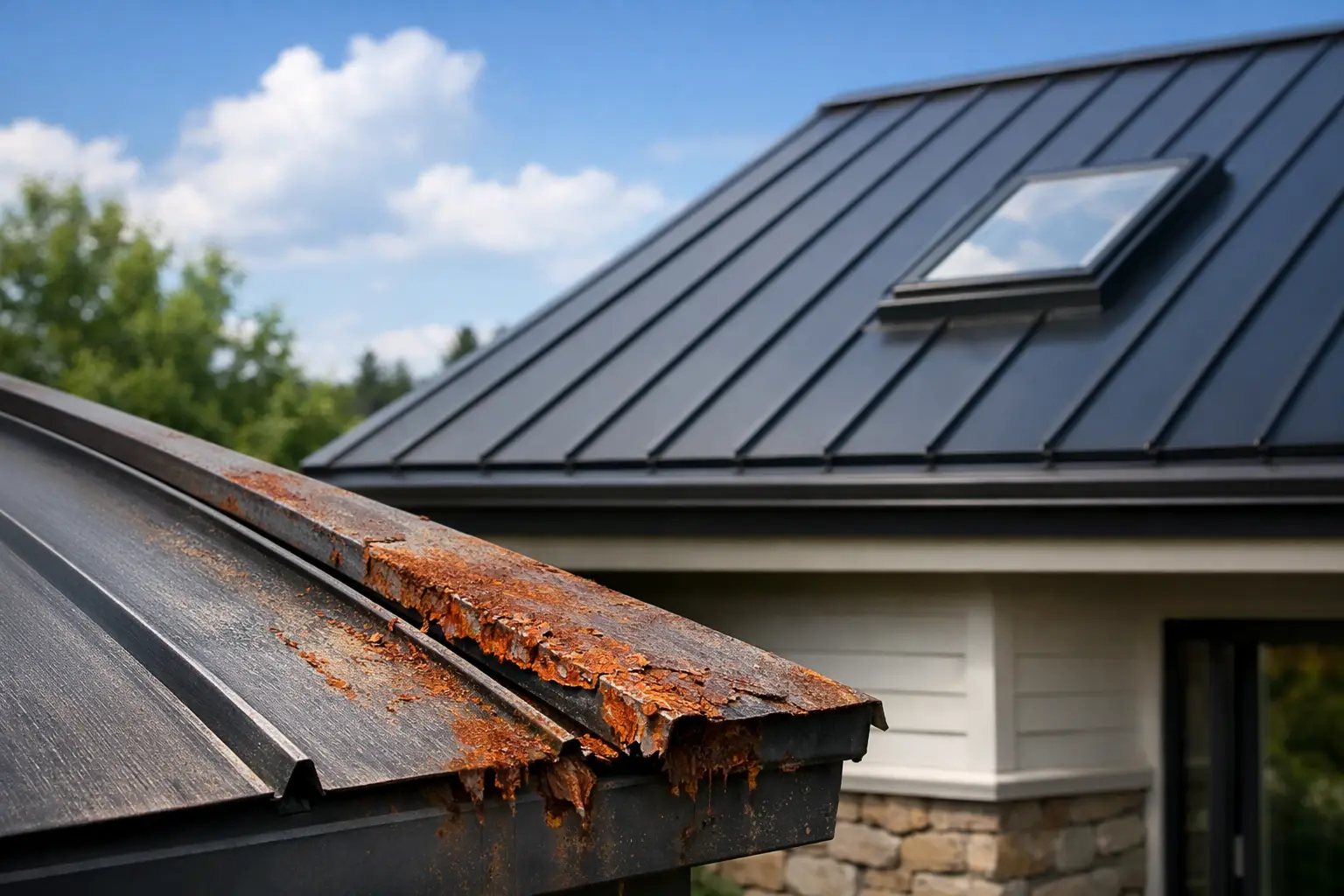
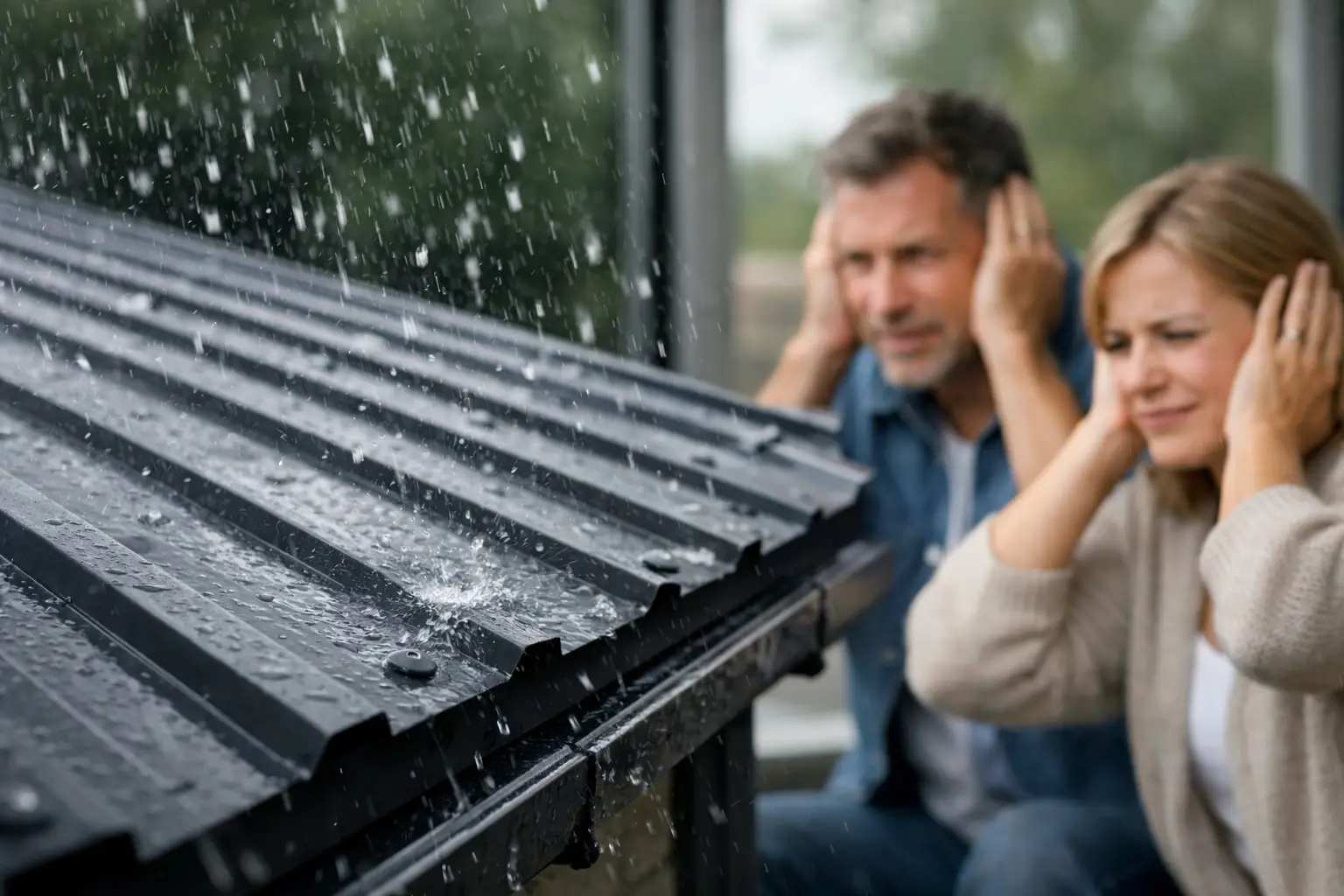
A hard rain on a loose sheet of metal can be loud. That image is why many homeowners ask, “are steel roofs noisy?” But a residential steel roofing system is not the same as the exposed metal roof on a barn, shed, or porch. When it is installed over a solid roof deck with the right underlayment, insulation, and attic design, a quality steel roof can sound very similar to an asphalt-shingle roof inside the home.
For Des Moines homeowners, the better question is not whether steel can make noise. It can, like every roof material. The question is whether the complete roofing system is designed and installed to manage sound while protecting your home through Iowa rain, wind, snow, and hail.
Are Steel Roofs Noisy During Rain?
A properly installed residential steel roof is usually not noticeably louder during ordinary rain. The steel panels or stone-coated steel tiles are secured to solid decking, rather than left open over framing. Beneath them, layers such as underlayment and existing roof decking help break up vibration. Above the living space, attic insulation provides another meaningful sound barrier.
That layered construction matters far more than the word “steel” alone. Sound gets louder when rain directly strikes thin, unsupported metal with open air below it. This is common in agricultural buildings and covered patios. It is not how a professionally installed roof replacement on a conditioned home is typically built.
During a heavy Midwest downpour, you may hear rain on any roof, especially in an upstairs room with a vaulted ceiling or limited attic space. Many homeowners find the sound of rainfall on steel pleasant rather than disruptive. Still, expectations should be realistic: no roof can make a severe storm completely silent.
Why Some Metal Roofs Sound Louder Than Others
The level of sound inside a home depends on the entire assembly. A few conditions have the biggest effect.
A steel roof installed over solid plywood or OSB decking will generally be quieter than one installed over open purlins. Most residential roof replacements use solid decking, which gives the roof a stable base and reduces the drum-like effect people associate with exposed metal.
Underlayment also contributes to sound control. This protective layer sits between the roof deck and the roofing material, helping manage moisture while adding separation between steel and wood. The specific product and installation method should match the roof system, slope, and local weather demands.
Attic insulation is another major factor. A well-insulated attic does more than support energy efficiency. It absorbs sound before it reaches bedrooms and living areas. Homes with cathedral ceilings have less space for insulation above the ceiling, so homeowners may be more aware of outside weather regardless of whether they choose steel, asphalt, or another material.
Finally, the roofing profile makes a difference. Stone-coated steel roofing has a textured stone finish and shaped profiles that create a more traditional architectural appearance. It does not look or behave like a thin exposed sheet on a utility building. The material selection, deck condition, ventilation plan, and installation quality should all be considered together.
Hail Is Different From Rain
Hail creates a sharper impact sound than rain on every roof type. Steel is a hard material, so a hailstorm may be audible indoors, particularly if the hail is large. However, sound and damage are two separate concerns.
A quality steel roofing system is selected in part for its ability to stand up to severe weather exposure. Stone-coated steel can offer substantial protection while maintaining the curb appeal homeowners expect from a permanent roofing investment. After a significant hail event, a professional inspection remains wise, even if the roof appears intact from the ground.
The benefit is not that a steel roof eliminates storm noise. It is that the roof is built to provide dependable protection when the weather turns aggressive.
Steel Roof Sound Compared With Asphalt Shingles
Asphalt shingles have more mass and texture at the exterior surface, which can soften the immediate sound of rainfall. That is one reason some homeowners assume shingles are always quieter. Yet inside a typical, insulated home, the difference is often much smaller than expected.
A steel roof over a solid deck with effective underlayment and attic insulation can perform comparably to asphalt shingles for interior noise. In some homes, factors unrelated to the roof have a bigger impact: older windows, poorly sealed vents, thin attic insulation, and open ceiling designs can all make a storm sound louder indoors.
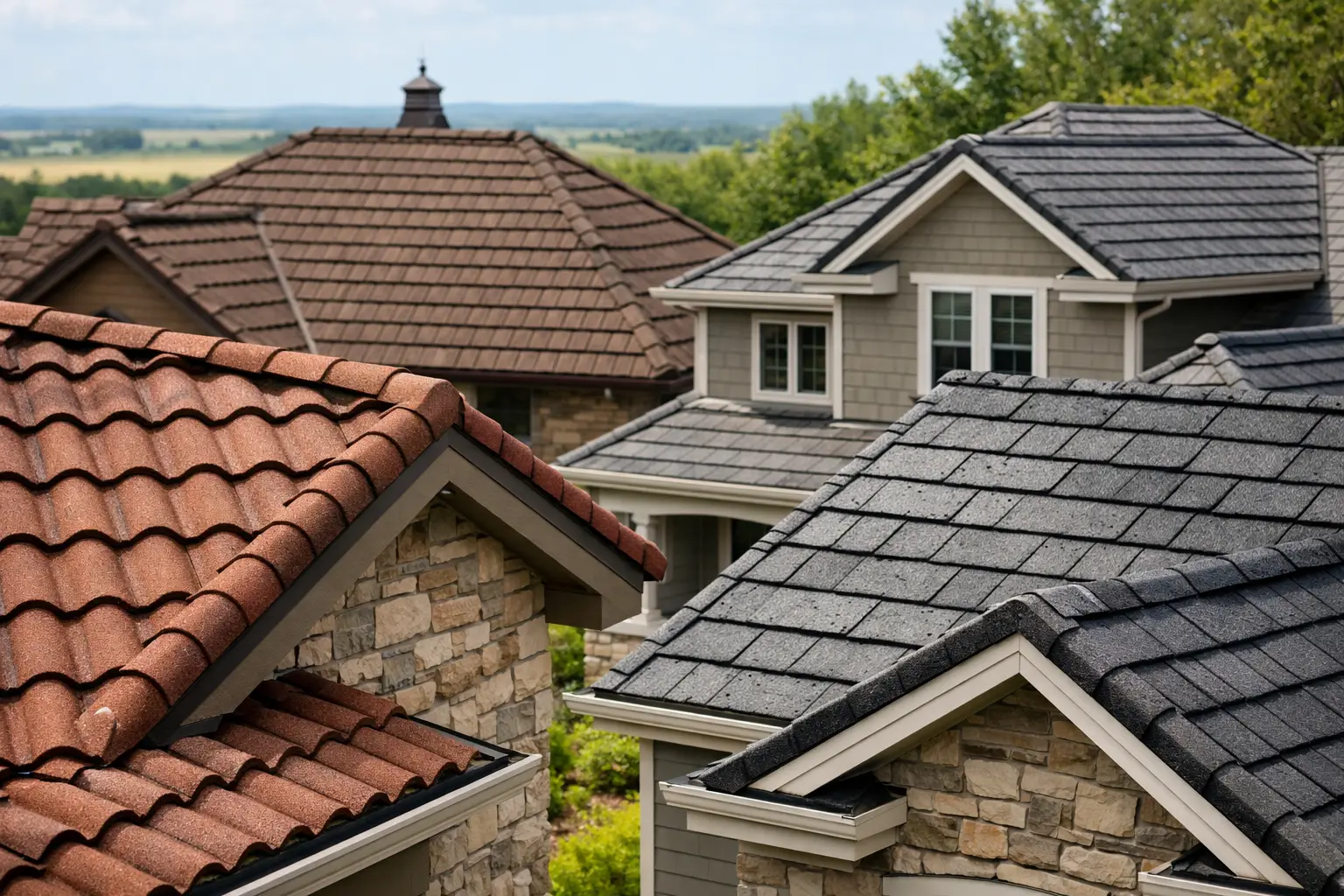
There are practical trade-offs to weigh. Dual-layer asphalt shingles offer familiar appearance options, broad color selection, and strong residential performance. Steel roofing offers durability, weather resistance, distinctive profiles, and long-term value for homeowners who want a premium system. Noise should be part of the conversation, but it should not be the only factor deciding which roof is right for your home.
How a Proper Installation Keeps a Steel Roof Quiet
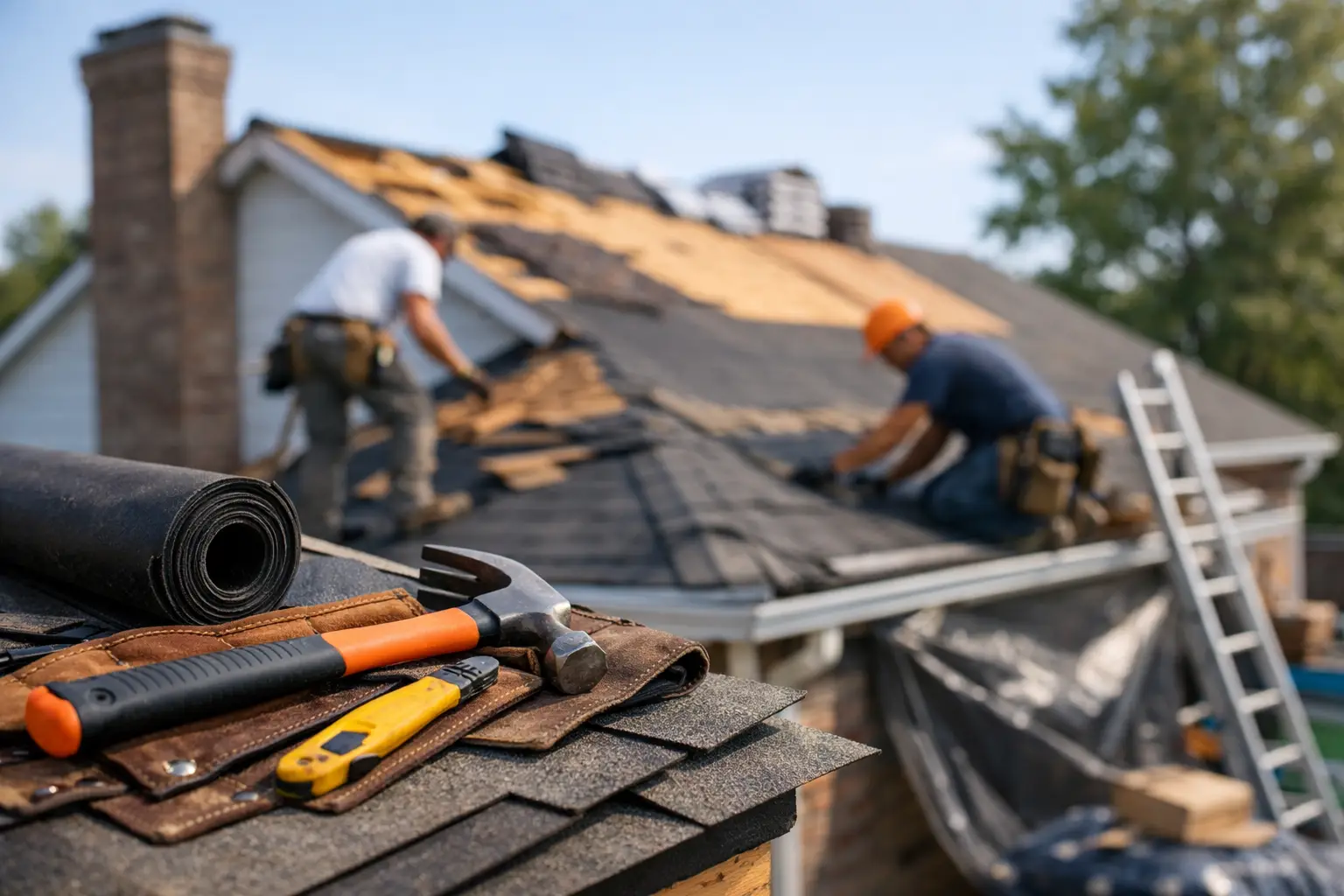
The path to a quieter steel roof starts before the first panel or tile is installed. A roofing professional should inspect the existing deck for soft spots, damage, uneven areas, and moisture concerns. Steel roofing needs a sound, properly prepared foundation to perform as intended.
From there, the system should include compatible underlayment, correct fasteners, carefully detailed flashing, and ventilation suited to the home. These details are essential for water management and durability, but they also reduce opportunities for movement and vibration. A roof that is loose, improperly fastened, or installed over an unstable substrate can create rattling or popping sounds in high winds.
Wind noise deserves special attention in Iowa. Steel roofing itself does not normally whistle or roar in the wind when it is correctly installed. Whistling is more often tied to gaps at flashing, vents, siding, windows, or other exterior transitions. A careful exterior evaluation can help identify the source instead of assuming the roof material is to blame.
It is also worth discussing the attic during a roof replacement. Improving insulation or air sealing may be appropriate if the attic is underperforming. These upgrades can make the home more comfortable, reduce energy loss, and help limit the sound of rain and wind. Not every project requires attic work, but a consultative contractor should explain when it could make a difference.
Questions to Ask Before Choosing Steel Roofing
Homeowners deserve clear answers before making a long-term exterior investment. Ask whether the proposed steel roof will be installed over solid decking, what underlayment is included, and how the contractor will address ventilation and flashing. If your home has a vaulted ceiling, ask specifically how the assembly will affect rain and hail noise in those rooms.
You can also ask to see the available roofing profiles and colors in person. The right roof should protect your home without forcing you to compromise on the look you want. A stone-coated steel profile may complement a traditional Des Moines home differently than an architectural panel or a dual-layer asphalt shingle.
Be wary of broad promises that any roof will be “silent.” Honest guidance recognizes that severe weather is audible, especially during hail or hard rain. What a well-built system can do is keep normal weather sounds from becoming a daily concern while delivering the strength and appearance your home needs.
The Right Roof Should Bring Confidence, Not Concern
Steel roofing has earned a reputation for durability, but homeowners should not have to accept an indoor drumbeat in exchange for that protection. With solid decking, quality underlayment, sufficient insulation, and skilled installation, steel roofs are not typically noisy in the way many people fear.
Guardian Roofing helps homeowners look beyond a single material question and consider the complete system protecting their home. A thoughtful roof recommendation accounts for your home’s design, attic conditions, curb appeal goals, budget, and exposure to Iowa weather. When those details are handled correctly, you can choose steel for its lasting protection and enjoy the sound of rain as weather outside, where it belongs.