A new roof should not force an Iowa homeowner to choose between serious weather protection and the architectural character they want. Stone coated steel styles make that choice easier by pairing the strength of steel with textured finishes that resemble traditional shingles, wood shake, or tile. The result is a roof designed for long-term performance without giving your home an industrial appearance.
For Des Moines-area homes, the right profile depends on more than personal taste. Roof pitch, neighborhood architecture, exterior colors, and the level of weather exposure all play a role. A well-matched steel roof can strengthen curb appeal while giving your home dependable protection through wind, rain, snow, hail, and changing temperatures.
Why the Profile Matters as Much as the Material
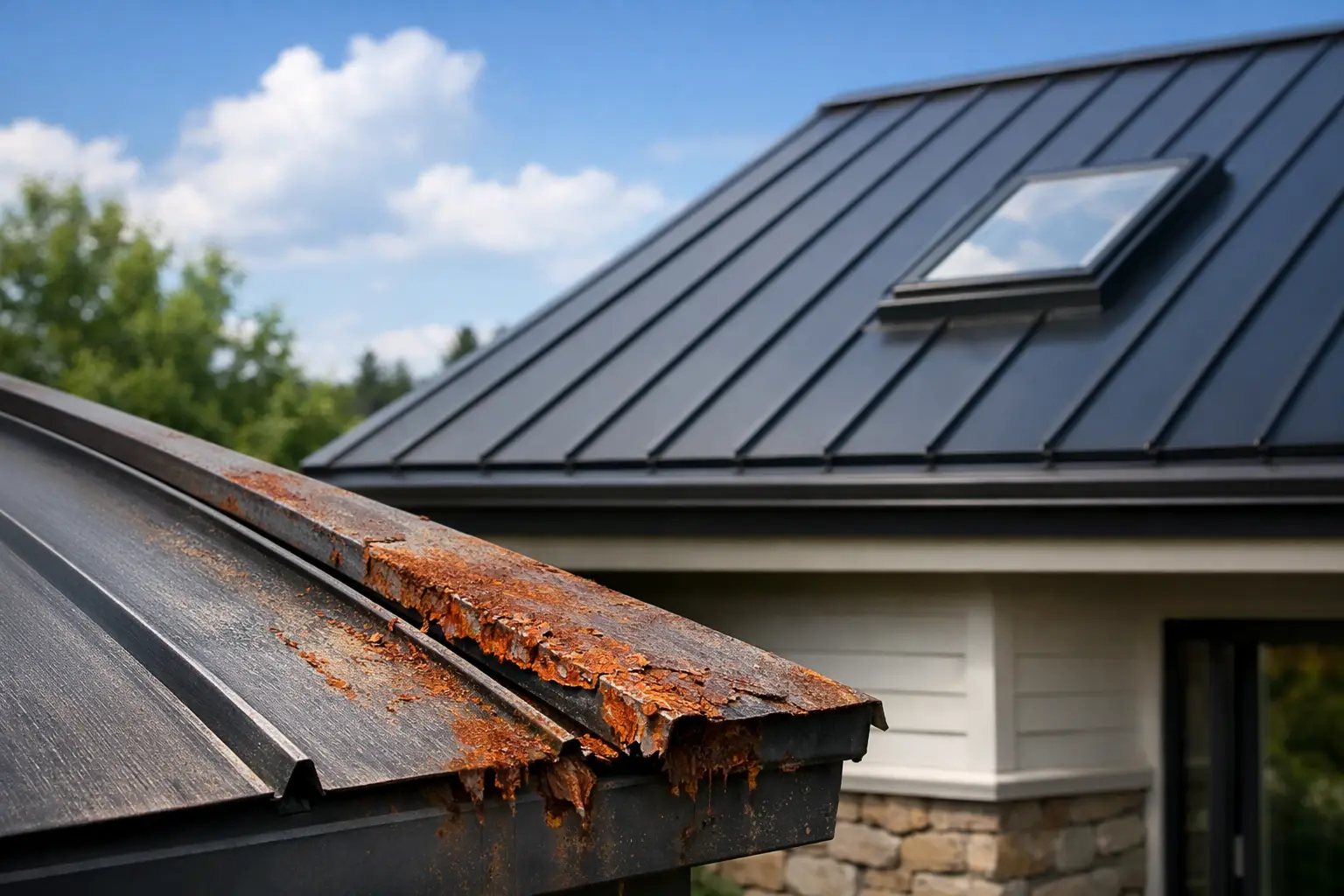
Stone-coated steel roofing begins with a formed steel panel protected by layers that resist corrosion and weather exposure. Its textured stone coating provides color, dimension, and a more traditional roofing appearance. The steel beneath it delivers a durable foundation that can perform for decades when it is properly installed.
Yet not every home needs the same look. The profile of the panel changes the roofline from the street, affects how shadows fall across the surface, and can either complement or compete with the home’s existing design. A low-slung ranch, a Craftsman-style home, and a larger traditional two-story property can all benefit from stone-coated steel, but they may call for different styles.
This is why choosing a roof is not simply a matter of selecting a color sample. Homeowners should consider the entire exterior: siding, brick or stone accents, window trim, gutters, and the roof’s visible slope. The best choice looks intentional from every angle and supports the home’s long-term value.
The Five Most Popular Stone Coated Steel Styles
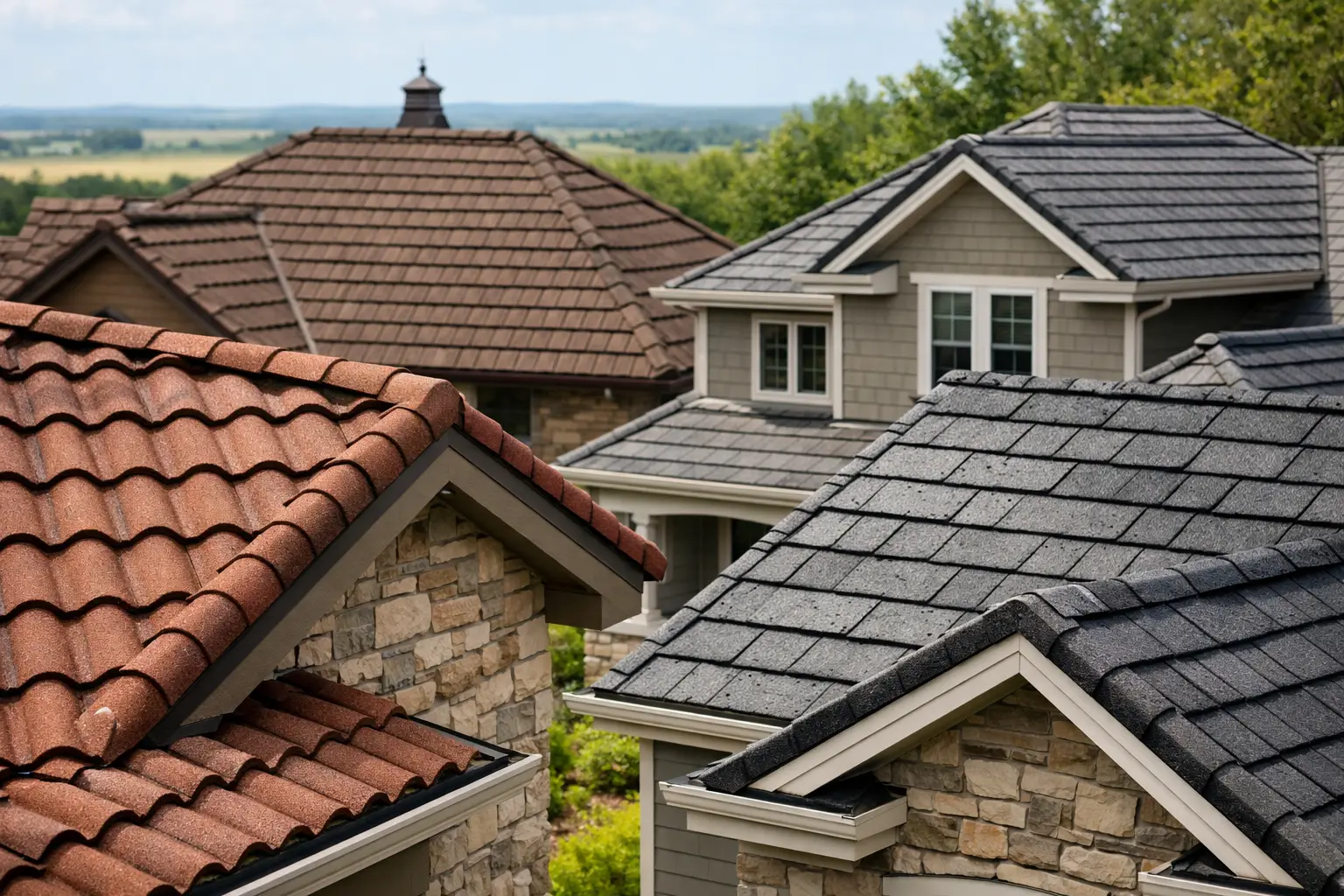
Unified Steel roofing is available in five architectural profiles, giving homeowners a broader range of design options than many people expect from a metal roofing system. Each profile offers a different interpretation of classic roofing materials.
Cottage Shingle
Cottage Shingle has a clean, dimensional look that fits naturally on many traditional homes. It resembles the familiar appearance of architectural asphalt shingles while providing the lasting advantages of a steel roofing system.
This profile is often a practical fit for homeowners who like the current appearance of their roof but want a step up in durability. Its recognizable shingle pattern works well with colonial, ranch, and transitional home designs. It can also be a smart choice in neighborhoods where homeowners want an upgraded roof that still feels consistent with surrounding properties.
Granite Ridge Shingle
Granite Ridge Shingle offers a bolder, more pronounced shingle texture. It creates greater visual depth across the roof plane, which can be especially appealing on homes with broad front-facing roof sections.
This style works well when curb appeal is a primary goal. It provides a substantial appearance without moving into the more rustic look of shake or the more formal presence of tile. For homeowners replacing worn asphalt shingles, Granite Ridge can deliver a noticeable upgrade while maintaining a familiar architectural style.
Pine-Crest Shake
Pine-Crest Shake captures the dimensional character of hand-split wood shake without the maintenance concerns associated with natural wood roofing. It brings texture and warmth to the exterior, making it a strong match for Craftsman, rustic, lodge-inspired, and homes with natural stone or wood accents.
A shake-style roof has more visual movement than a standard shingle profile. That can make it particularly attractive on homes with simple siding or wide roof expanses that need added definition. The trade-off is that its distinctive texture makes a stronger design statement, so it should be balanced with the rest of the exterior rather than selected in isolation.
Pacific Tile
Pacific Tile provides the look of traditional low-profile tile in a lighter, steel-based roofing system. It adds a refined, structured pattern that can enhance homes with stucco, masonry, broad eaves, or Mediterranean-inspired details.
Tile-inspired roofing is not limited to one architectural category. On the right home, Pacific Tile can also give a classic Midwestern exterior a more tailored appearance. Because the profile is visually defined, color selection matters. Neutral earth tones, weathered shades, and coordinated trim colors can help the roof feel like a natural part of the home rather than an afterthought.
Barrel Vault Tile
Barrel Vault Tile is the most dramatic of the tile-inspired profiles. Its rounded shape creates deeper shadows and a classic high-end tile appearance from the curb. It is often well suited for homes with larger roof planes, substantial facades, and architectural features that can support a more pronounced roofline.
This is a style that rewards proportion. On a larger home, it can add distinction and visual balance. On a smaller or very simple structure, a shingle or shake profile may feel more appropriate. A professional roof consultation can help determine whether the scale of the profile complements the home.
Matching a Style to Your Home’s Architecture
Homeowners often begin with the question, “Which stone coated steel style looks best?” A more useful question is, “Which profile makes my home look finished and protected for the long run?” The answer usually comes from looking at a few practical design factors together.
Roof pitch is one of them. Steeper roof slopes tend to display more of the roofing surface, making profile and color especially visible. A textured shingle or shake profile can create appealing depth on these homes. Lower-slope roofs may benefit from a profile that provides clean lines and a balanced pattern without overpowering the exterior.
The home’s existing materials matter just as much. Brick homes often pair well with shingle or tile profiles in coordinated neutral colors. Homes with cedar accents, natural stone, or warm siding may suit a shake profile. A contemporary exterior with sharp trim lines may call for a more restrained shingle appearance.
Neighborhood context deserves consideration, too. A premium roof can elevate your property without needing to look out of place. The goal is not to copy every neighboring home. It is to choose a style that respects the area while giving your home a durable, distinctive finish.
Color Should Support the Roof Profile
A roof is one of the largest visible surfaces on your home, so color can change its perceived size and style. Darker shades often create contrast and make light siding appear brighter. Mid-tone colors can soften a large roofline and blend well with brick or stone. Lighter tones may suit homes with darker exterior walls or warmer architectural palettes.
Texture also affects color perception. A stone-coated finish has natural variation that can make a color appear richer and more dimensional than a flat roofing surface. Viewing actual samples outdoors is valuable because sunlight, shade, and surrounding materials can all influence how a color reads.
There is no universally correct roof color. A charcoal shingle profile may be ideal for one home, while a weathered brown shake or tile profile may better suit another. The right selection is the one that works with your exterior now and remains appealing as landscaping, paint, and trim evolve over time.
Protection Is Part of the Design Decision
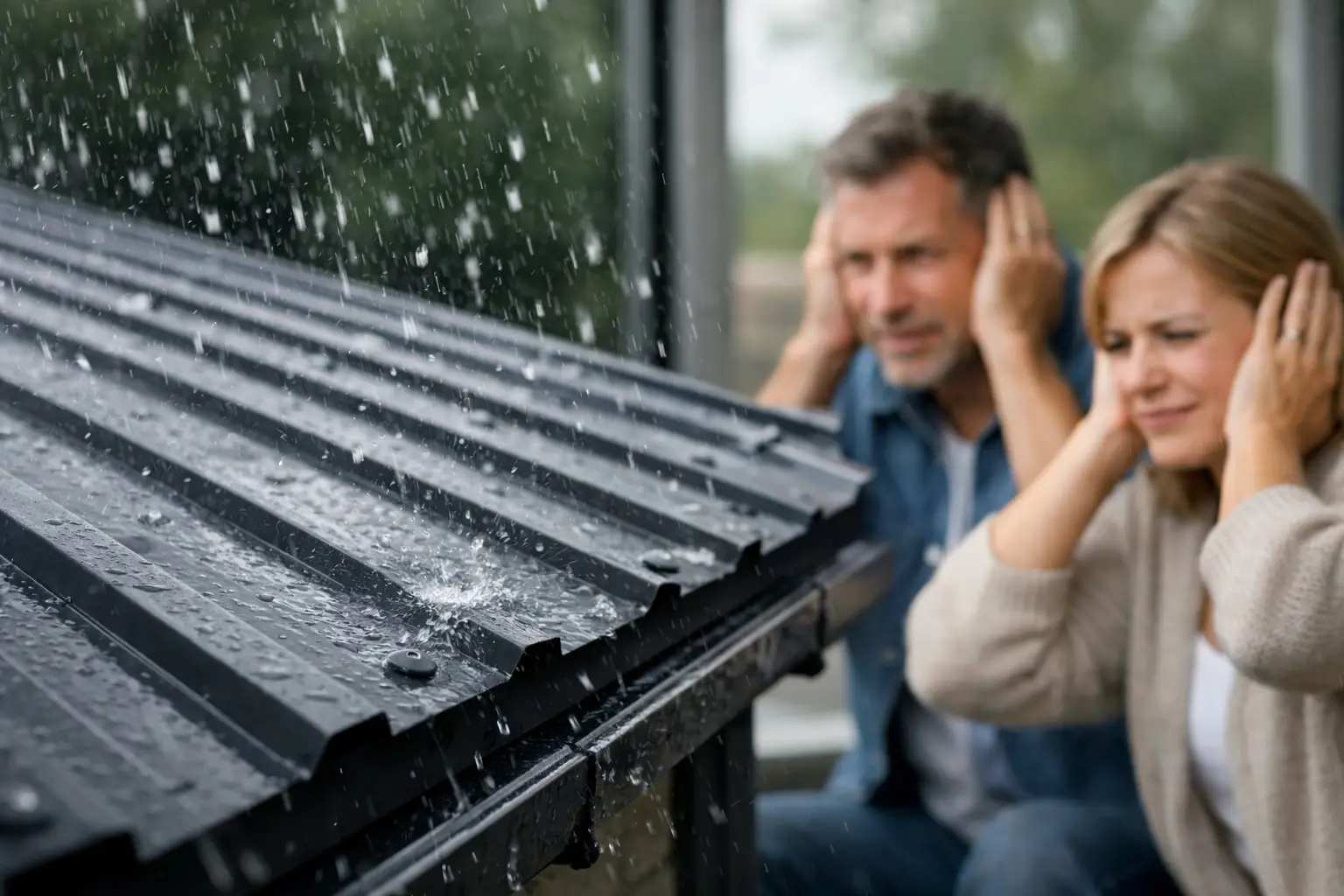
Style should never be separated from performance, particularly in central Iowa. A roof must stand up to seasonal temperature swings, driving rain, snow loads, high winds, and the possibility of hail. Stone-coated steel is valued because it combines an attractive finished appearance with the strength of a steel roofing system.
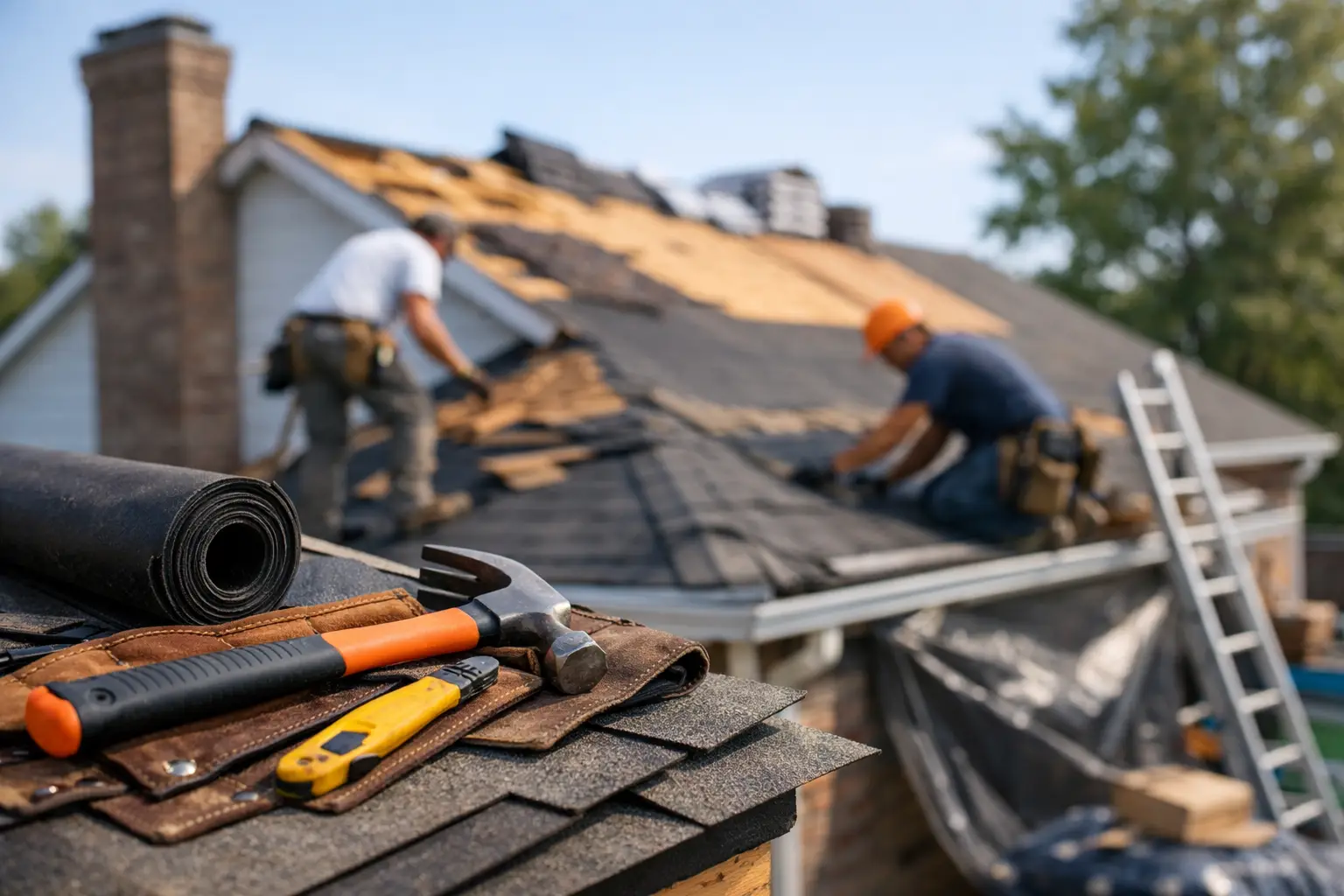
Proper installation is essential to that performance. Roof deck condition, flashing details, ventilation, transitions around chimneys and valleys, and the fastening system all affect how well the roof protects the home. The best-looking profile cannot make up for shortcuts beneath the surface.
That is why a roof replacement should begin with a close look at the property, not a one-size-fits-all recommendation. An experienced contractor can evaluate the roof structure, discuss style preferences, and explain which profile and color combinations make sense for your home and budget.
A stone-coated steel roof is a long-term exterior decision, and it deserves a recommendation built around your house rather than a sales pitch. Guardian Roofing helps homeowners compare profiles with confidence, so the finished roof delivers the protection you need and a look you will be proud to come home to.