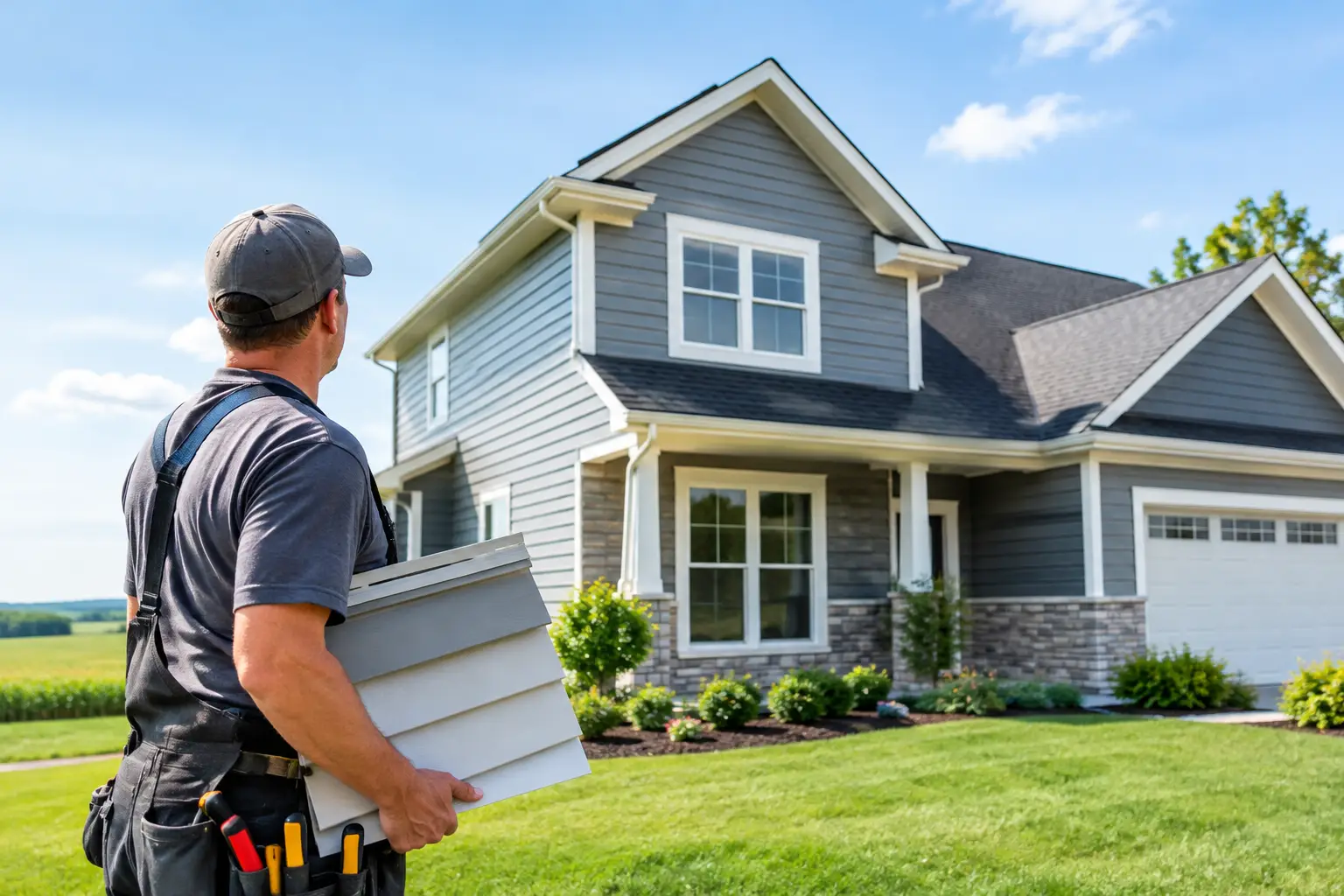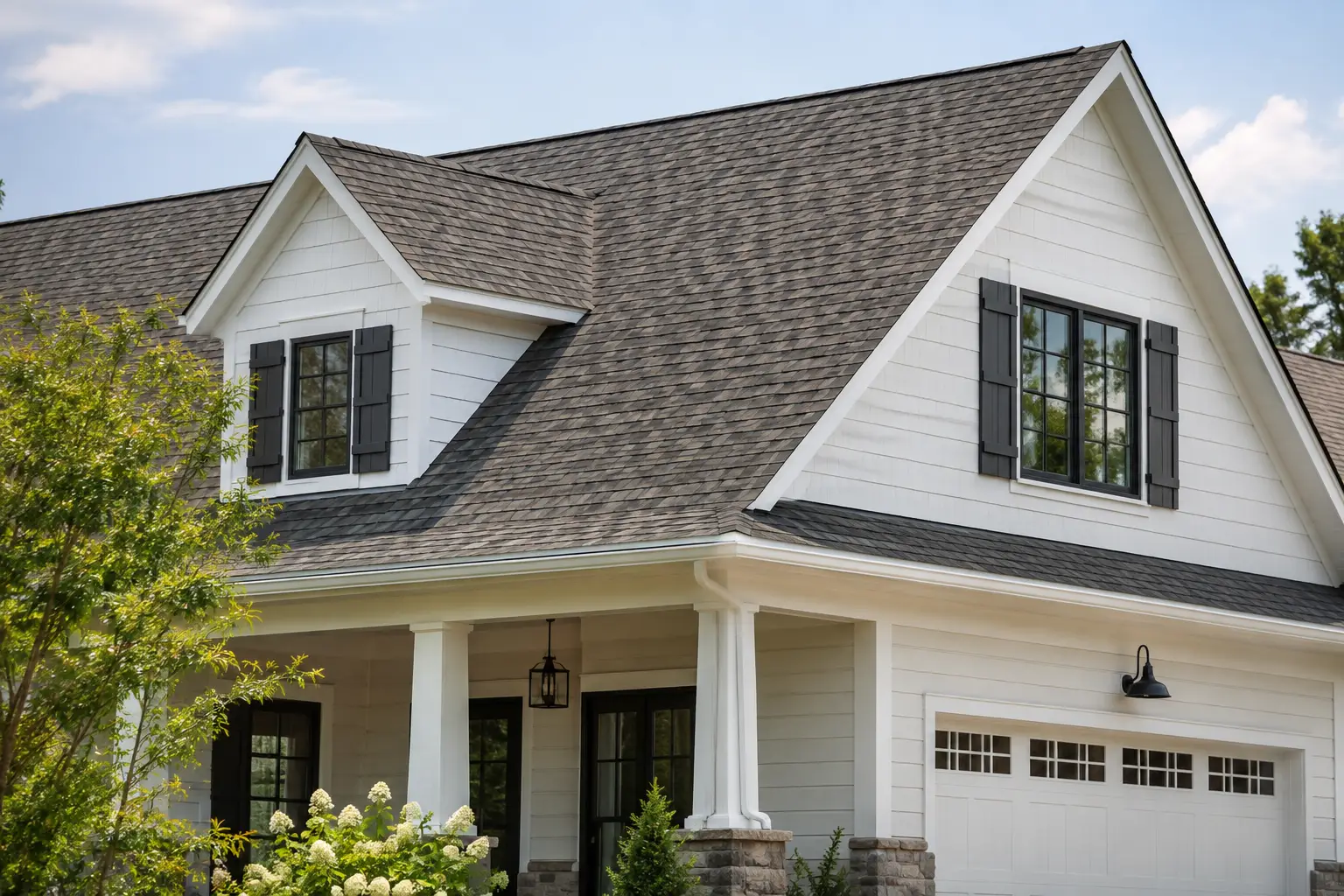
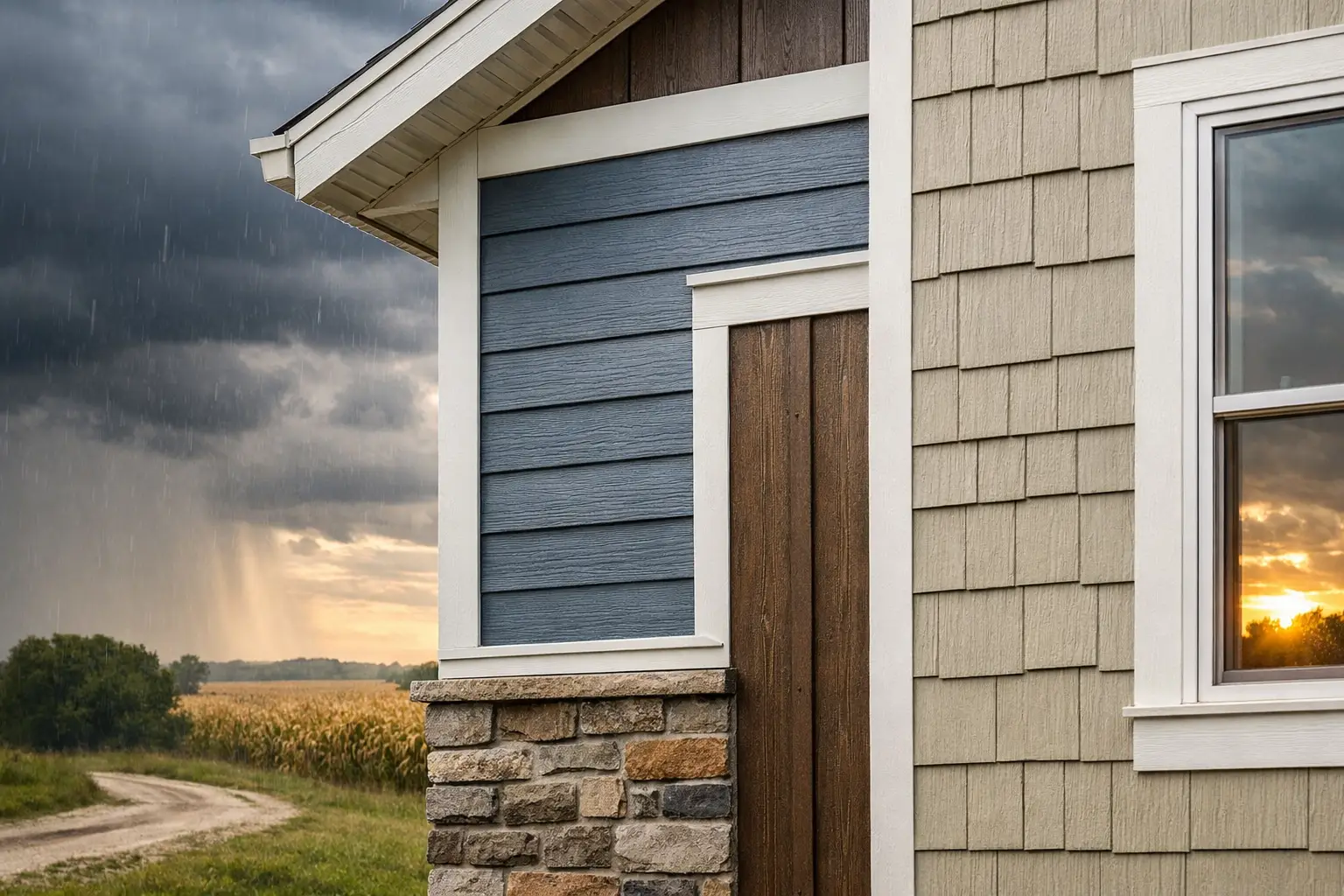
A Des Moines exterior has to handle more than a few rainy afternoons. It faces wind-driven storms, summer heat, freeze-thaw cycles, snow, hail, and wide temperature swings that can expose weak points in a home’s exterior. The right siding materials do more than improve curb appeal. They help protect the wall system underneath, reduce ongoing maintenance, and support the long-term value of your home.
There is no single best siding choice for every Iowa property. A practical material for one homeowner may not fit another home’s budget, architectural style, or maintenance expectations. The goal is to select a siding system that delivers dependable protection while looking right on your home for years to come.
What Iowa Weather Demands From Siding Materials
Siding is the visible layer of a larger exterior system, but it takes the first impact from the elements. Strong winds can loosen poorly installed panels. Rain can find its way behind damaged trim or failed caulking. Repeated freezing and thawing can worsen small cracks, gaps, and moisture problems.
That is why material performance and installation quality need to be considered together. Even premium siding can fall short if the wall is not properly prepared, flashing is missing around windows and doors, or trim details allow water intrusion. A well-planned siding replacement addresses the full exterior assembly, including weather-resistive barriers, trim, soffit, fascia, gutters, and the transition between the siding and roofline.
Homeowners should also think beyond the first-year appearance. Color retention, impact resistance, repainting needs, pest resistance, and repair options all affect the true cost of ownership.
Vinyl Siding: A Practical, Low-Maintenance Choice
Vinyl remains one of the most common siding materials for Midwest homes because it offers a strong balance of affordability, color options, and minimal upkeep. It does not require painting, and routine cleaning with a gentle exterior wash can keep it looking fresh.
Modern vinyl siding is available in a range of profiles, from traditional lap siding to board-and-batten styles and insulated options. The right color and profile can give an older home a cleaner, more updated appearance without the cost associated with some premium materials.
The trade-off is that vinyl can crack after a severe impact, particularly in cold weather. It can also expand and contract with temperature changes, which means proper installation is essential. Panels must have room to move naturally rather than being nailed too tightly. Lower-cost products may also have a thinner profile and less convincing wood-grain texture.
For homeowners who want dependable protection, straightforward maintenance, and a budget-conscious exterior update, vinyl is often a sensible choice.
Fiber Cement Siding: Durable and Design-Flexible
Fiber cement siding is made from cement, sand, and cellulose fibers. It is valued for its substantial appearance and its ability to resemble painted wood, shingles, or vertical panels. For homeowners seeking a more traditional or upscale exterior look, fiber cement offers broad design flexibility.
This material performs well against fire, insects, and rot. It is also more stable than vinyl in changing temperatures and can provide a crisp, durable finish when correctly installed and maintained. Many homeowners choose it when they want the look of painted wood without using natural wood siding.
However, fiber cement is heavier and more labor-intensive to install than vinyl. It requires careful cutting, proper clearances from roofs and ground surfaces, and accurate flashing details. It also needs periodic repainting or touch-ups over its service life. Those requirements can increase both upfront cost and future maintenance.
Fiber cement is a strong fit for homeowners who prioritize architectural detail, a painted finish, and long-term material durability. It is less ideal for someone who wants to avoid painting altogether.
Engineered Wood: Warm Appearance With Added Protection
Engineered wood siding gives homeowners the character of wood grain with added resistance to common exterior concerns. It is typically manufactured from wood strands or fibers combined with protective resins and coatings. The result can be a warm, detailed appearance that complements Craftsman, Colonial, farmhouse, and many other home styles.
Compared with traditional wood siding, engineered products are designed to resist fungal decay and insect damage. They are also lighter and easier to work with than fiber cement, which can help simplify installation in certain applications.
Like fiber cement, engineered wood is usually a painted siding product. It will need thoughtful maintenance, particularly along cut edges, joints, and areas exposed to persistent moisture. Proper installation is not optional. Water management details around trim, roof intersections, windows, and doors make a meaningful difference in how well the siding performs.
Engineered wood can be a smart middle ground for homeowners who want an authentic wood-style exterior but prefer greater material consistency and durability than natural wood provides.
Steel Siding: High Performance for Severe Conditions
Steel siding offers excellent durability and a distinctive, clean appearance. It resists rot, insects, and many types of weather-related damage, making it worth considering for homeowners focused on long-term exterior resilience.
Metal siding is available in several profiles and finishes, including options that can complement modern, farmhouse, and traditional homes. Quality finishes are designed to hold color well, and steel does not absorb moisture like wood-based products.
The initial investment may be higher than standard vinyl, and repair work can be more specialized if a panel is significantly dented. Style selection also matters. Some homeowners prefer the strong lines of metal siding, while others want the softer texture of a painted lap siding product.
When paired with a durable roofing system, quality gutters, and correctly installed trim, steel siding can be part of a coordinated exterior built for years of Iowa weather exposure.
Natural Wood Siding: Beautiful but Maintenance-Intensive
Natural wood brings character that manufactured products work hard to replicate. Cedar shakes, horizontal clapboards, and vertical board-and-batten siding can give a home warmth, depth, and timeless curb appeal.
That beauty comes with responsibility. Wood needs consistent painting, staining, sealing, and inspection. Without regular care, moisture can lead to peeling finishes, decay, and insect concerns. South- and west-facing walls may require special attention because of sun exposure, while shaded areas can hold moisture longer.
Wood can be an excellent choice for a homeowner who values authenticity and is prepared for ongoing maintenance. For many households, though, an engineered or fiber cement alternative offers a more practical path to a similar visual style.
How to Compare Siding Options for Your Home
Start with the condition of the existing exterior. If siding has visible cracks, warping, loose panels, soft spots, or repeated paint failure, the issue may extend beyond the surface material. An experienced exterior professional can assess whether moisture has affected the sheathing, framing, insulation, or window and door openings.
Next, consider your priorities. If low maintenance is at the top of the list, vinyl or steel may deserve a closer look. If you want a painted, high-end architectural finish, fiber cement or engineered wood may better match your goals. If preserving a historic or highly traditional appearance matters most, natural wood may still be worth the added care.
Color deserves careful thought as well. Darker colors can create striking contrast but may show fading or surface damage more readily over time. Lighter tones often work well with Iowa homes because they offer a classic appearance and can make trim details stand out. Your roof color should be part of the conversation. Siding, roofing, gutters, and windows should work together as one exterior design rather than competing elements.
Installation Details Protect the Investment
A siding project should not be treated as a simple cosmetic upgrade. The details behind the finished panels are what help keep wind and water where they belong: outside your home.
Proper flashing around windows, doors, roof-to-wall transitions, and penetrations directs water away from vulnerable areas. A correctly installed weather-resistive barrier provides another layer of protection. Quality trim work helps seal transitions while giving the home a finished appearance.
Ventilation and drainage also matter. Exterior components need to manage moisture without trapping it against the wall. This is especially important when a home has aging windows, roofline issues, or gutter problems that may be contributing water to the siding system.
Guardian Roofing approaches exterior improvements with the understanding that each component affects the next. A coordinated plan can help homeowners address siding, roofing, gutters, and windows in the right order while protecting the home’s appearance and performance.
Make the Choice With Long-Term Ownership in Mind
The lowest upfront siding price is not always the lowest long-term cost. A material that requires frequent repainting, repeated repairs, or early replacement may cost more over time than a higher-quality option installed correctly from the beginning.
Ask practical questions before deciding: How will this siding hold up to wind and hail? What maintenance will it need in five, 10, and 20 years? Can damaged sections be repaired? Does the color and profile complement the roof? Will the installation include the flashing, trim, and water-management details your home needs?
A free exterior assessment can turn those questions into a clear plan. The right siding choice should give you more than a refreshed façade. It should give you confidence each time the forecast calls for another Iowa storm.