A missing shingle after a windstorm may look like a small problem. A ceiling stain, curling shingle edges, or granules collecting near the downspouts can signal something larger. The decision between roof repair versus replacement is not simply about the cost of work today. It is about protecting your Des Moines home through the next heavy rain, snow load, temperature swing, and severe-weather season.
A qualified inspection is the best place to start. The right choice depends on where the damage is located, how much of the roof is affected, the roof’s age, and whether the existing system can still protect the structure beneath it.
When Roof Repair Is the Smart Choice
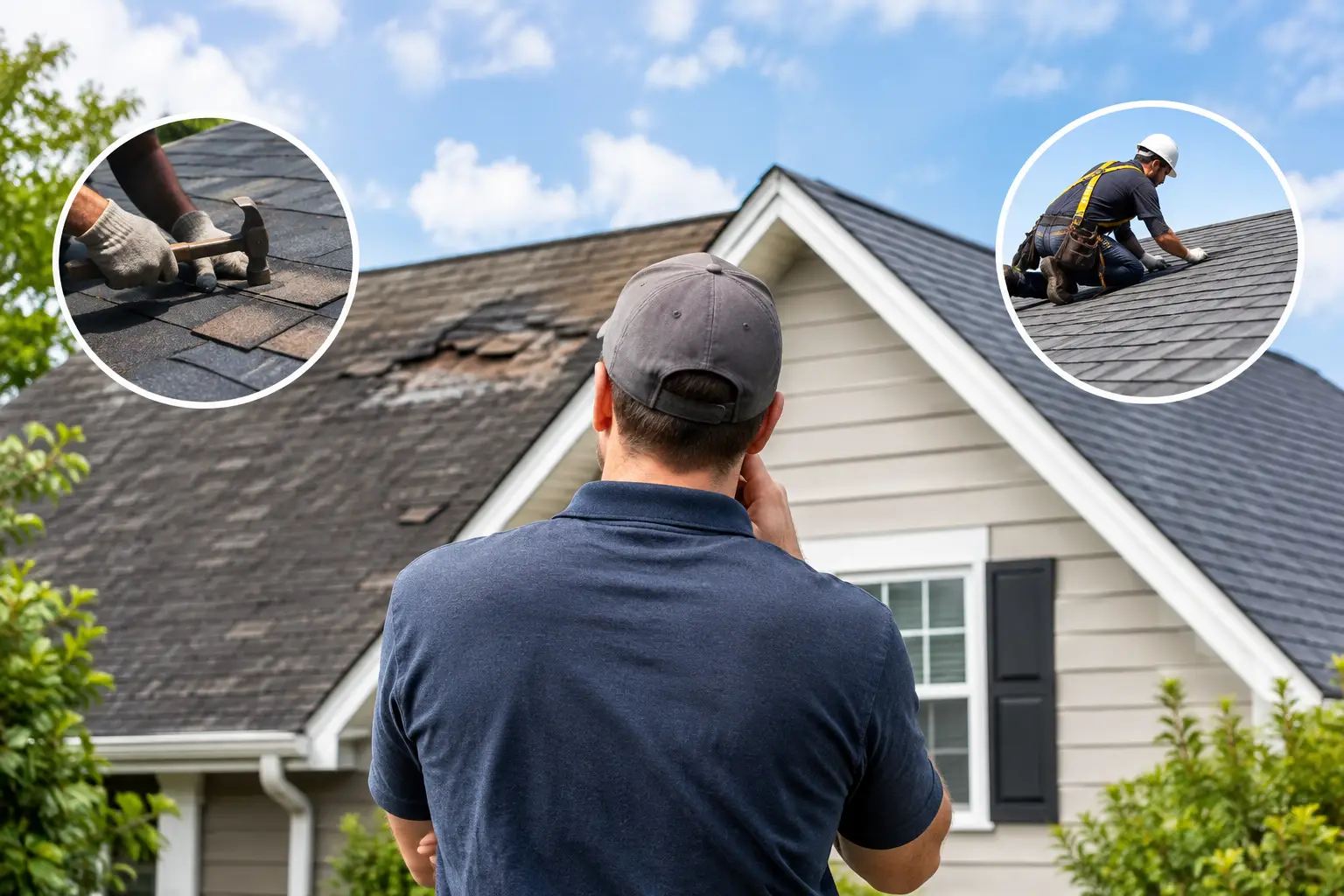
A repair can be a practical, cost-effective solution when the damage is isolated and the rest of the roofing system is in dependable condition. For example, a localized leak caused by damaged flashing around a vent, a few shingles lost to wind, or a small section affected by a fallen branch may not require a full replacement.
The key is that the issue must truly be limited. Replacing a few damaged shingles works best when the surrounding shingles remain securely fastened, flexible, and capable of shedding water. A newer roof with one clear source of damage is often a strong repair candidate.
Repair may also make sense when storm damage affects only one area and matching materials are available. A professional should inspect not just the visible shingles but also the decking, underlayment, flashing, attic ventilation, and areas where roof planes meet. Water can travel before it becomes visible indoors, so the stain on a ceiling is not always directly below the leak.
A properly completed repair should restore protection, not merely cover the symptom. If the contractor cannot identify why the damage occurred, or if nearby materials show widespread wear, a small repair may only delay a more significant problem.
Signs a Repair May Be Enough
Consider repair when your roof is relatively young, damage is confined to a small area, and there are no ongoing leaks or widespread signs of aging. The shingles should still have their protective granules, lay flat against the roof, and show no broad pattern of cracking or deterioration.
It also helps when the repair can blend with the existing roof. Asphalt shingles can fade over time, so even an exact product match may look different from the surrounding material. That difference is usually less concerning than a roof that no longer provides reliable weather protection, but it is worth considering if curb appeal matters to you.
When Roof Replacement Provides Better Protection
Replacement becomes the wiser investment when repairs are becoming repetitive, damage is widespread, or the roof has reached the later part of its expected service life. A roof can look acceptable from the driveway while its protective layers, flashing details, and shingle integrity have already begun to fail.
Multiple leaks are a common warning sign. So are widespread lifted, curled, cracked, or missing shingles; heavy granule loss; soft spots in the roof deck; and recurring ice-dam damage. If repairs are needed in several areas, the costs can add up without addressing the age-related weakness of the roof as a whole.
Replacement also gives homeowners the opportunity to improve the entire system. That can include new underlayment, properly integrated flashing, ventilation review, and materials selected for Iowa’s demanding weather. A complete system is designed to work together, giving your home more consistent protection from wind-driven rain, snow, and changing temperatures.
If you are planning to sell in the near future, a roof near the end of its useful life can also become a point of concern during inspection or buyer negotiations. A new roof can strengthen curb appeal and remove a major source of uncertainty for potential buyers. For homeowners planning to stay, replacement can offer greater confidence and fewer surprise repair calls over the years ahead.
Age Matters, but Condition Matters More
Roof age is useful context, not an automatic verdict. A 10-year-old roof that has suffered severe storm damage may need replacement, while an older roof with one isolated flashing issue may be repaired successfully. Still, as an asphalt roof approaches its expected lifespan, it is sensible to evaluate the value of another repair carefully.
Ask a straightforward question: Will this repair give the roof meaningful additional life, or is it buying time until the next failure? If the answer is only a short-term fix, putting repair dollars toward a replacement may protect your budget better in the long run.
Comparing the Cost of Repair and Replacement
The lower upfront price of a repair is appealing, especially when damage appears limited. But the least expensive option is not always the least costly over time. A series of repairs on an aging roof can exceed the value of replacing it with a durable system designed for long-term performance.
Replacement requires a larger initial investment, yet it provides a fresh, coordinated roofing system and a more predictable maintenance outlook. It may also prevent water intrusion that can damage insulation, drywall, framing, electrical components, and personal belongings. Those secondary repairs can be far more expensive than addressing a failing roof early.
A clear estimate should explain what is included and why. Homeowners deserve to know whether the recommendation involves simple shingle replacement, flashing repair, deck repairs, new underlayment, ventilation improvements, or a full tear-off and installation. Free quotes and financing options can make it easier to weigh a long-term replacement against the ongoing cost of patchwork repairs.
Insurance may factor into the decision after a covered wind or hail event. Coverage, deductibles, and claim outcomes vary, so do not assume a repair or replacement will be covered. Document visible damage, keep records of maintenance, and request a professional assessment before making decisions based on what appears to be minor storm damage.
Material Choice Can Change the Equation
A replacement is more than an opportunity to put back what was there before. It is a chance to choose a system that better fits your home’s style, your long-term plans, and the weather exposure on your property.
Dual-layer asphalt shingles remain a popular choice because they offer dependable performance, dimensional appearance, and a wide range of colors. They can be an excellent fit for homeowners who want strong protection and attractive curb appeal at a practical price point.
For those seeking lifetime-oriented durability, stone-coated steel roofing offers a different level of resilience. Unified Steel systems are available in architectural profiles that can complement everything from traditional homes to more distinctive designs. Steel roofing can be especially appealing to homeowners who want lasting performance without giving up visual character.
The best material is not necessarily the most expensive one. It is the one that provides the right balance of durability, appearance, budget, and expected time in the home. A consultative contractor can show how each option performs as part of a complete roofing system rather than treating shingles or panels as a stand-alone purchase.
Questions to Ask Before You Decide
Before approving either option, ask the contractor to explain the source and extent of the damage. Find out whether the roof deck is sound, whether ventilation or flashing contributed to the issue, and how long a repair is realistically expected to last. If replacement is recommended, ask what makes it the better value than repair in your specific situation.
It is also wise to ask about material options, workmanship standards, cleanup, warranty coverage, and how the new roof will tie into gutters, siding, skylights, chimneys, or other exterior features. Coordinating these details matters because water protection depends on how every transition is installed.
Guardian Roofing approaches these decisions with the goal of matching homeowners to protection that makes sense for their property, not simply recommending the largest project. Whether the right answer is a focused repair or a full replacement, clear information helps you move forward with confidence.
Your roof does not need to fail completely before it earns professional attention. Addressing warning signs early gives you more choices, more time to plan, and a better chance to protect the home you have worked hard to build.