A roof replacement is not simply a choice between colors. In Iowa, the right decision must account for wind, hail, heavy rain, snow loads, summer heat, and the years you plan to remain in your home. This roof material comparison focuses on the options many Des Moines homeowners consider most often: dual-layer asphalt shingles and stone-coated steel roofing. Both can protect a home well when installed correctly. The better fit depends on your budget, priorities, architecture, and long-term plans.
What Matters Most in a Roof Material Comparison
Homeowners often begin by asking which material is “best.” A more useful question is: best for what? The roof with the lowest initial cost may not offer the longest service life. The roof built for exceptional durability may require a higher upfront investment. Appearance, maintenance expectations, insurance considerations, and the condition of your existing roof structure can also affect the decision.
For homes across central Iowa, weather performance deserves special attention. A roof experiences repeated freeze-thaw cycles, high winds, wind-driven rain, hail, ice, and abrupt temperature changes. Material quality matters, but so does the full roofing system: proper underlayment, flashing, ventilation, fasteners, and skilled installation all help determine how well a roof performs.
Dual-Layer Asphalt Shingles: Familiar, Versatile Protection
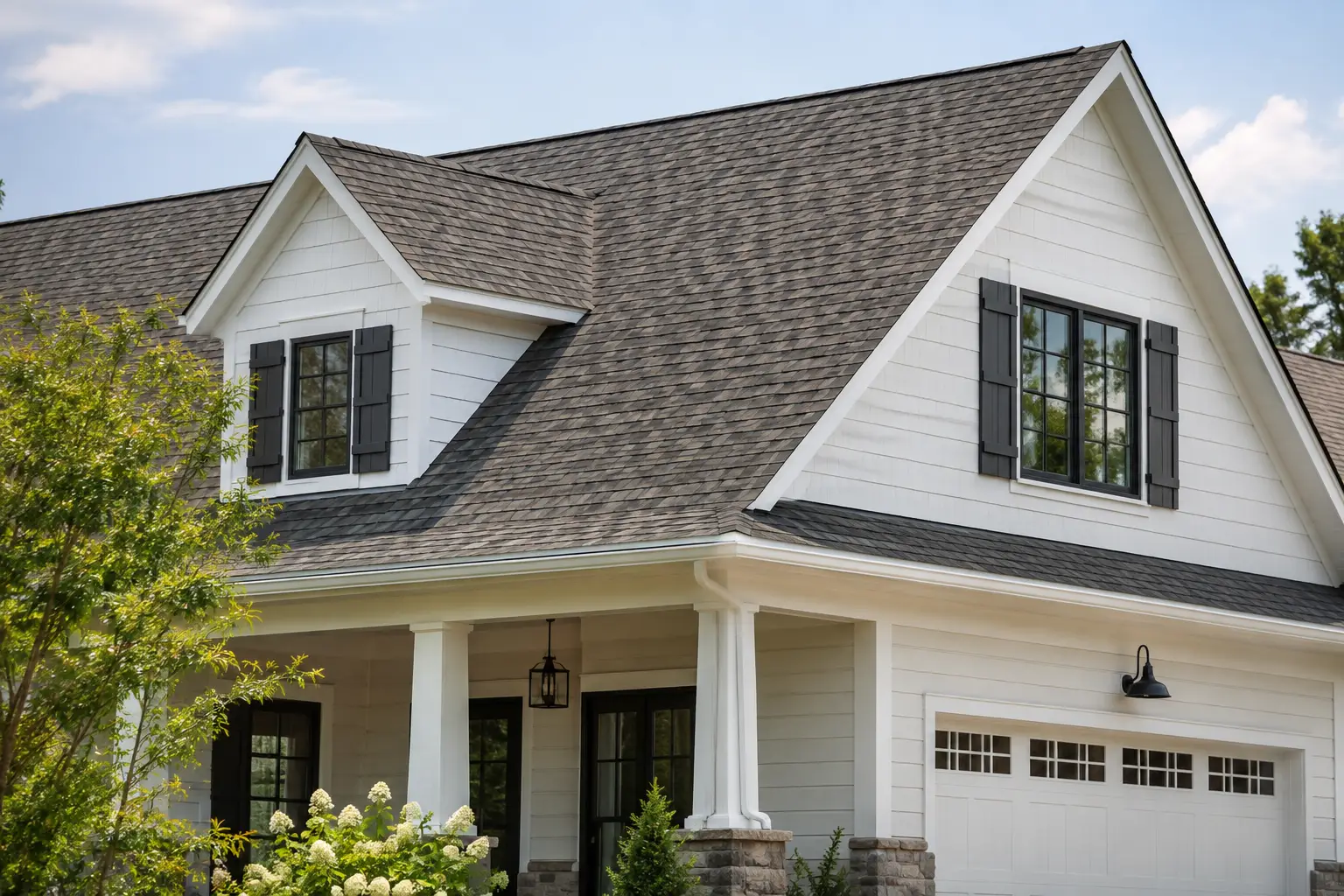
Dual-layer asphalt shingles, often called architectural or dimensional shingles, remain a popular residential roofing choice for good reason. Their layered construction creates more depth than basic three-tab shingles, giving the roof a more substantial appearance while providing dependable day-to-day protection.
Where asphalt shingles perform well
Asphalt shingles are a practical fit for homeowners who want an attractive roof at a more accessible initial price point. They are available in a wide selection of colors, from understated grays and browns to richer blends that complement brick, siding, stone, and trim. That flexibility makes them especially useful when curb appeal is a major goal.
A quality dual-layer shingle system can also be repaired more easily than some specialty materials if a limited area is damaged. For a homeowner preparing to sell in the near future, or one whose home needs a reliable replacement without stretching the renovation budget, asphalt may provide a strong balance of value and appearance.
The trade-offs to consider
Asphalt shingles are not all made to the same standard, and performance varies by product, installation quality, roof pitch, ventilation, and storm exposure. Over time, shingles can lose granules, crack, curl, or lift in severe weather. Hail and wind can shorten the useful life of a roof, particularly where storms are frequent.
They also generally require replacement sooner than premium metal systems. That does not make asphalt a poor choice. It means homeowners should weigh its lower starting cost against the possibility of another replacement later, especially if they expect to stay in the home for decades.
Stone-Coated Steel Roofing: Long-Term Strength With Architectural Style
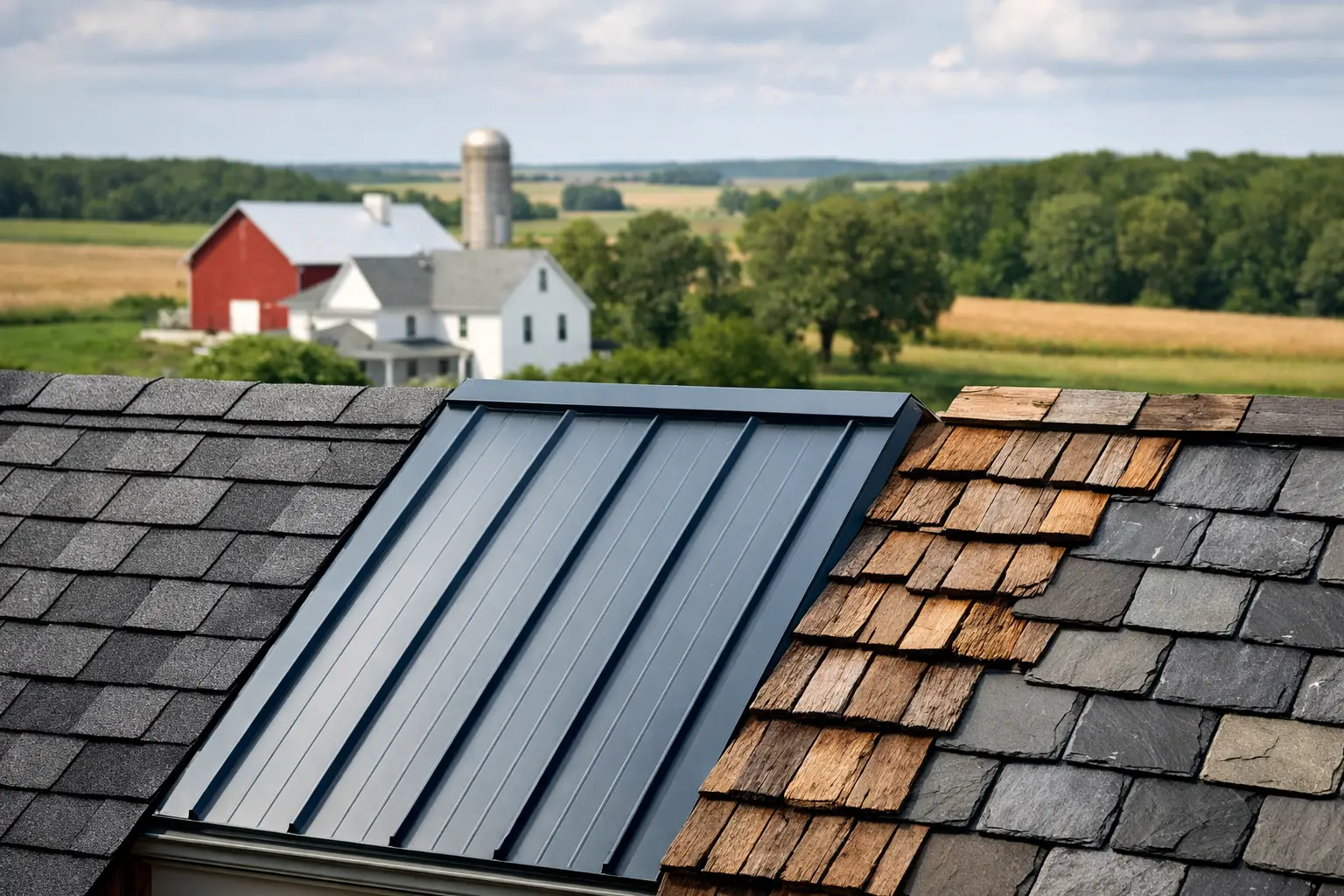
Stone-coated steel combines the durability of metal with a textured finish designed to resemble more traditional roofing materials. Unified Steel roofing is available in architectural profiles that can echo the look of shake, tile, slate, or dimensional shingles without asking homeowners to accept a purely industrial metal-roof appearance.
Why homeowners choose steel
Steel roofing is often chosen for resilience. Its strength can make it an excellent option for homeowners concerned about harsh Midwest weather and seeking a long-term roofing investment. The material is lightweight compared with some traditional premium roofing products, yet it delivers a substantial level of protection when installed as a complete system.
The visual range is another advantage. A stone-coated steel roof can suit a traditional ranch, a farmhouse-inspired home, a colonial property, or a more contemporary exterior. Rather than forcing a home into one look, the profile and color can be selected to strengthen the character already there.
For homeowners who want to reduce the likelihood of repeated roof replacements, steel is often worth serious consideration. Its higher initial cost may be offset by longer-term performance, lower replacement frequency, and the confidence that comes with a material designed for demanding conditions.
The trade-offs to consider
The primary consideration is upfront cost. A stone-coated steel roof typically represents a larger initial investment than asphalt shingles. It also requires installers with specific product knowledge and attention to system details. A premium material deserves premium workmanship; cutting corners on preparation, flashing, or installation can undermine the value of any roof.
Style preference matters too. While stone-coated steel offers a broad range of profiles, some homeowners simply prefer the familiar look and lower immediate cost of asphalt. The right answer should feel appropriate for both the house and the household budget.
Comparing Performance in Iowa Weather
No roof material can make a home immune to every storm. However, materials respond differently to wind, impact, moisture, and temperature swings.
Asphalt shingles offer dependable layered protection and are widely suited to Iowa homes. Their performance depends heavily on selecting a quality shingle, using the appropriate underlayment, and ensuring proper attic ventilation. Ventilation is particularly important because excess heat and moisture in the attic can contribute to premature aging.
Stone-coated steel is built for homeowners prioritizing long-term weather resilience. Its metal core offers strength, while the stone coating contributes texture and visual appeal. A properly installed steel roofing system can be a compelling choice in areas where hail, wind, and seasonal extremes are a persistent concern.
In either case, details around the roof are just as important as the field of shingles or panels. Valleys, chimneys, skylights, vents, eaves, and wall intersections are common areas where water management must be handled correctly. Gutters also matter. A roof moves water away from the home, but gutters and downspouts must carry it safely away from the foundation.
Cost: Look Beyond the Installation Quote
A roof quote should be clear, but comparing totals alone can be misleading. A lower estimate may reflect a different material grade, fewer system components, limited tear-off work, or less comprehensive flashing and ventilation work. Ask what is included so you can compare like with like.
Asphalt shingles usually offer the lower entry cost. For many households, that makes them the responsible choice, particularly when a replacement is urgent or other home projects need attention. Stone-coated steel costs more at installation, but may offer stronger long-term value for homeowners planning to remain in the property and wanting to avoid a shorter replacement cycle.
Financing can change how this decision feels. Rather than choosing solely around the immediate cash cost, homeowners can consider whether a more durable system fits their long-term budget. The goal is not to overspend. It is to select a roof that protects the home without creating financial strain.
Appearance and Home Value
Your roof is one of the largest visible surfaces on your home. It can either support curb appeal or work against it. Asphalt shingles provide broad color options and a familiar dimensional look that works across many neighborhood styles. Stone-coated steel offers a more distinctive architectural finish, particularly for homeowners who want the appearance of shake, slate, or tile with the benefits of steel.
When choosing color, consider the permanent elements first: brick, stone, siding undertones, window trim, and landscape exposure. A roof color should connect those elements rather than compete with them. Darker roofs can create contrast and visual definition, while lighter or blended tones may soften a large roofline.
How to Choose With Confidence
The most reliable choice begins with an honest assessment of the existing roof and your priorities. Consider how long you expect to own the home, how exposed the property is to wind and hail, what appearance you want, and how much you are comfortable investing now versus later.
If you want a cost-conscious, attractive, proven roofing option, dual-layer asphalt shingles may be the right fit. If long-term durability, weather resilience, and elevated architectural style are higher priorities, stone-coated steel may justify its added cost. Neither choice should be made from a sample board alone.
A professional inspection and detailed conversation can clarify what your home actually needs, from roof decking and ventilation to gutters and exterior coordination. Guardian Roofing helps homeowners evaluate those details so the recommendation serves the house, not just the sale.
The best roof is the one that lets you look up at a stormy Iowa sky and feel confident that your home is protected for the years ahead.