
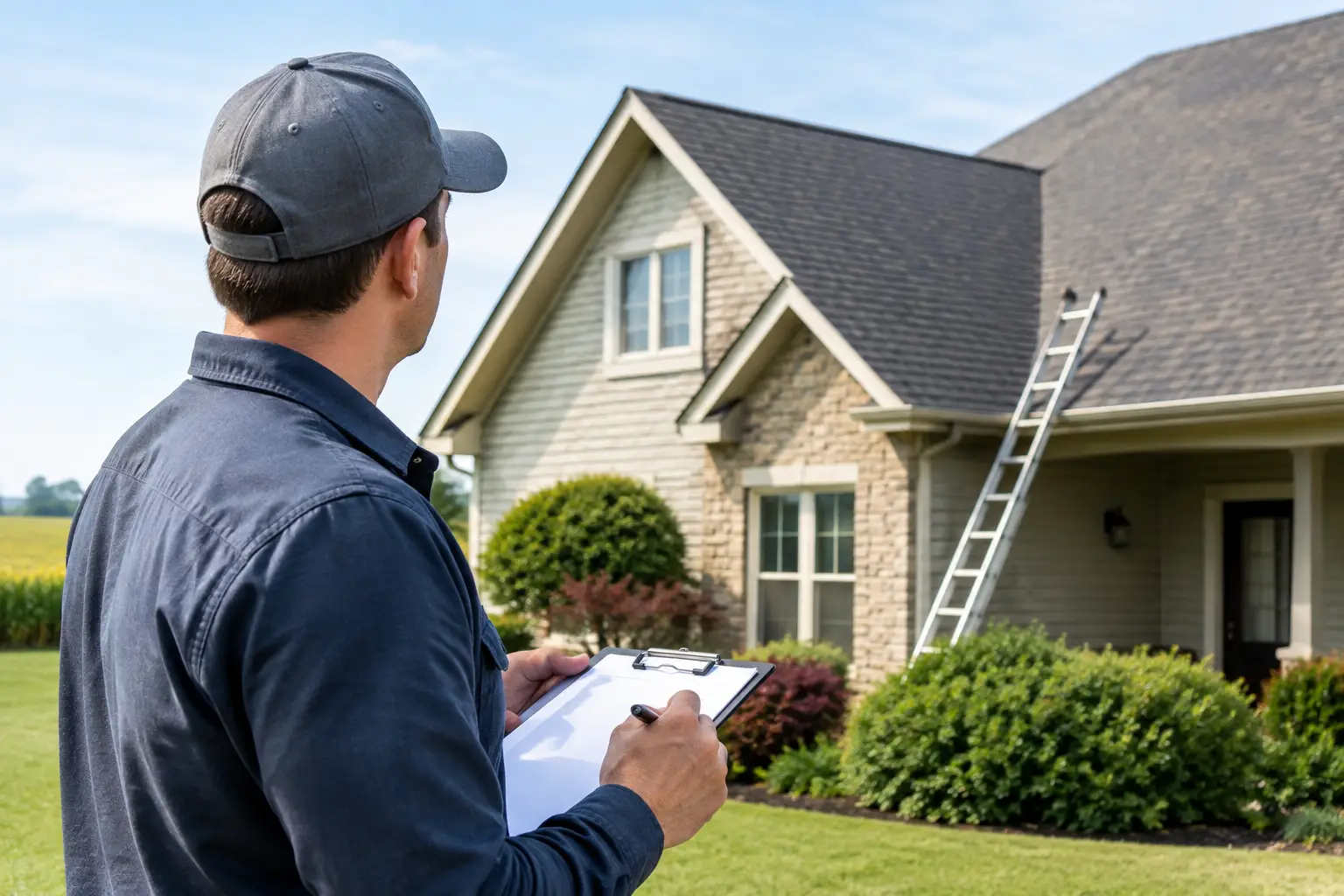
A new roof is one of the most effective ways to protect your home from Iowa wind, heavy rain, snow, and shifting temperatures. The work itself moves quickly once the crew arrives, but the reroofing preparation steps you take beforehand can make installation day safer, cleaner, and far less disruptive for your household.
Preparation is not about turning homeowners into roofing experts. It is about protecting the people, pets, belongings, and outdoor spaces that matter to you while giving your roofing crew clear, safe access to the home. A dependable contractor will explain the plan before work begins, but a little advance attention helps ensure the project starts on solid ground.
Confirm the Scope Before Materials Arrive
Before installation day, make sure you understand what your roofing project includes. Review the selected roofing material, color, anticipated start date, expected timeline, and the areas where crews will need access. This is also the right time to ask how old materials will be removed, where the dumpster or trailer will sit, and what daily cleanup will look like.
For many Des Moines homeowners, material selection is a major part of the decision. Dual-layer asphalt shingles can provide a familiar appearance with strong weather protection and a wide range of colors. Stone-coated steel roofing offers long-term durability and architectural character in several profile options. The best choice depends on your home’s style, budget, long-term plans, and the protection you expect from your exterior investment.
If you have concerns about decking, ventilation, flashing, chimneys, skylights, or gutters, bring them up before the project begins. Some conditions cannot be fully known until the old roof is removed, but a clear conversation upfront helps you understand how unexpected repairs will be handled. You should know who will contact you, how approval works if additional work is needed, and how the schedule could change during severe weather.
Protect the Inside of Your Home
Roof removal and installation create vibration. That is normal, especially when old shingles are being torn off or new materials are fastened into place. The vibration can travel through ceilings and walls, so take a few precautions inside before the crew arrives.
Move fragile items away from exterior walls and shelves, particularly in upper-floor rooms. Picture frames, mirrors, decorative items, glassware, and collectibles deserve special attention. If you have valuables stored in an attic, move or cover them before work begins. Even a well-maintained attic can collect small amounts of dust when an old roof is removed.
It is also wise to cover furniture or stored items in the attic with drop cloths, sheets, or plastic sheeting. This does not mean your home should become dusty, but it gives valuable belongings an extra layer of protection. If your attic has limited access, ask your roofing contractor whether there are specific areas that deserve attention.
Noise is another practical consideration. Roofing is loud, and the sound can be difficult for people working from home, young children, or anyone sensitive to noise. If possible, arrange a quieter place to work or spend part of the day away from the house. The same consideration applies to pets, who may find unfamiliar voices, nail guns, and roof vibrations stressful.
Clear Safe Access Around the Exterior
Your installation crew needs room to work efficiently and safely. In most cases, that means clearing the driveway and the area around the home before the scheduled start time. Move cars out of the garage and away from the house so they are protected from falling debris and so crews can place materials and equipment where needed.
A dumpster or disposal trailer may need to be positioned in the driveway. Discuss placement in advance if you have concerns about a specific section of concrete, landscaping, shared access, or neighborhood parking. Contractors commonly use protective measures, but open communication helps avoid surprises.
Walk the perimeter of your home and remove or relocate patio furniture, grills, potted plants, children’s toys, lawn decorations, and outdoor equipment. Mow the lawn shortly before the project if conditions allow. A shorter lawn makes final magnetic nail sweeps and cleanup more effective.
Keep gates unlocked unless you have arranged another access plan, and make sure crews can reach exterior electrical outlets if needed. Trim back low-hanging branches that interfere with roof edges or crew movement. If branches are close to power lines, do not attempt to cut them yourself. Let your contractor know so the situation can be evaluated safely.
Plan for Children, Pets, and Daily Routines
A reroofing project changes the normal rhythm of your home for a short time. Planning around your family’s routines is one of the most useful reroofing preparation steps because it reduces stress when the work begins.
Children should stay clear of the work zone, driveway, and areas where debris may be present. Explain that roofers may be coming and going throughout the day, and that tools, ladders, and materials are not safe to touch. If children usually play outside after school, plan an alternative activity until the crew has completed cleanup.
Pets are safest indoors and away from the busiest parts of the house. Consider setting up a comfortable room with food, water, familiar bedding, and white noise or music. For dogs that react strongly to construction sounds, daycare, a visit with family, or time away from the home may be the better choice. Let your contractor know about pets, especially if there is a gate, fenced yard, or service entrance that must remain secured.
If you work from home, plan for intermittent interruptions. Video calls, client meetings, and concentrated work can be difficult during active roof removal. If you cannot leave, choose a room farther from the work area, use headphones, and schedule critical calls outside the projected noisiest hours when possible.
Give Neighbors a Courtesy Notice
Roof replacement is necessary work, but it is not quiet work. A brief note or conversation with immediate neighbors is a considerate step, especially if homes are close together or if trucks may affect shared streets and driveways.
Let them know the expected start date, general working hours, and that the project should be temporary. If they have concerns about access, shared fences, or nearby vehicles, you can address them before installation day rather than while the crew is already on site.
This simple courtesy is especially helpful in established Des Moines neighborhoods, where mature landscaping, close lot lines, and shared driveways can require a little extra coordination. Your contractor should work carefully to keep the jobsite orderly, but neighbor communication sets the right expectation from the start.
Check the Attic and Exterior Features
Before the roof work begins, take a quick look in your attic during daylight hours. Note any existing water stains, damp insulation, visible daylight, or signs of poor ventilation. Take photographs if you see anything concerning. This gives you a useful before-project record and helps distinguish pre-existing conditions from changes that may need attention.
Outside, identify roof features that deserve discussion. These may include satellite dishes, solar equipment, skylights, chimney flashing, attic fans, decorative cupolas, or low-slope sections that connect to the main roof. Not every feature requires special action, but each should be part of the installation conversation.
If your project includes gutter, siding, or window work, ask how the trades will be sequenced. Coordinating exterior improvements can be efficient and can give your home a more finished appearance, but the order of operations matters. Roof flashing, gutters, siding transitions, and window trim should work together as a complete exterior protection system.
Know What to Expect on Installation Day
On the morning of your project, keep your phone nearby and make sure the contractor has your preferred contact information. The crew may need to confirm a detail, discuss an uncovered decking issue, or update you about weather conditions. A prompt response helps protect the schedule without pressuring you into unclear decisions.
Expect normal construction activity: material delivery, roof removal, hammering or nail-gun noise, crew movement, and periodic cleanup. Professional crews work to contain debris and perform cleanup throughout the project, but no active jobsite is completely quiet or still. Keep vehicles and family members out of designated work areas until the crew confirms it is safe.
After the work is complete, walk the property with your contractor if possible. Ask about the finished roofing system, ventilation, flashing, warranty information, and recommended maintenance. Look at the roof from the ground and review the cleanup around landscaping, patios, driveways, and entryways. A good final walkthrough gives you confidence in what was installed and whom to call if questions arise later.
Preparation Supports Long-Term Protection
The right roof protects more than the rooms beneath it. It helps defend your home’s structure, supports curb appeal, and gives your family greater confidence during Midwest weather. Careful preparation allows the installation team to focus on the workmanship that makes that protection possible.
Guardian Roofing approaches every replacement as a long-term investment in your home, not simply a day of construction. By preparing your property, asking clear questions, and choosing a roofing system suited to your goals, you can meet installation day with confidence and look forward to the protection ahead.