A roof can look perfectly sound after a hard Iowa storm and still have a problem that appears months later. That is why a roof warranty coverage guide matters before you choose materials or sign an installation contract. A warranty can provide meaningful protection, but only when you understand what it covers, who stands behind it, and what actions could limit a future claim.
For Des Moines homeowners, the goal is not simply to get the longest warranty printed on a brochure. It is to select a complete roofing system and installer that can protect your home through wind, rain, snow, ice, and changing temperatures for years to come.
Roof Warranty Coverage Guide: Start With the Two Main Types
Most new roof warranties fall into two categories: a manufacturer material warranty and a contractor workmanship warranty. They serve different purposes, and a strong roofing decision considers both.
A manufacturer warranty addresses defects in the roofing product itself. With asphalt shingles, that may include a manufacturing issue that causes the shingles to fail prematurely under normal conditions. With stone-coated steel roofing, coverage may relate to the integrity of the material or coating, subject to the manufacturer’s written terms.
A workmanship warranty covers installation-related problems. Even a premium roofing material can underperform if it is not installed according to the manufacturer’s requirements. Improper flashing, poor ventilation planning, incorrect fastener placement, or inadequate underlayment details can allow water where it does not belong. The installer’s workmanship coverage is intended to address defects tied to the work performed.
Neither type should be mistaken for homeowners insurance. Insurance is generally designed for sudden, covered losses such as qualifying storm damage. Warranties typically address material defects or installation errors, not every event that can damage a roof.
What a Roofing Warranty May Cover
Coverage depends on the roofing manufacturer, product line, installation method, and warranty tier. Always review the actual written warranty for the system you are considering. Still, homeowners can expect common categories of protection.
A material warranty may cover a defect in shingles, panels, coatings, or other qualifying components. Some warranties include a full-coverage period followed by prorated coverage. During a prorated period, the manufacturer may pay only a portion of the replacement-material cost based on the roof’s age. Labor, tear-off, disposal, and related repairs may or may not be included.
Some enhanced warranties apply when a contractor installs a complete system using specified components. For an asphalt roof, that can include compatible underlayment, starter shingles, ventilation products, and ridge cap shingles. These details matter because a roof is not just a field of shingles. It is a system designed to manage water, airflow, and weather exposure.
Workmanship coverage should clearly state its duration and scope. Ask whether it covers leaks caused by installation errors, how claims are handled, and whether the contractor will inspect the issue before repairs are authorized. A dependable contractor should explain this in plain language rather than asking you to rely on a verbal promise.
What Is Commonly Excluded
The exclusions section often tells you more about a warranty than the headline coverage term. Long coverage periods are valuable, but they do not make a roof maintenance-free or immune to severe weather.
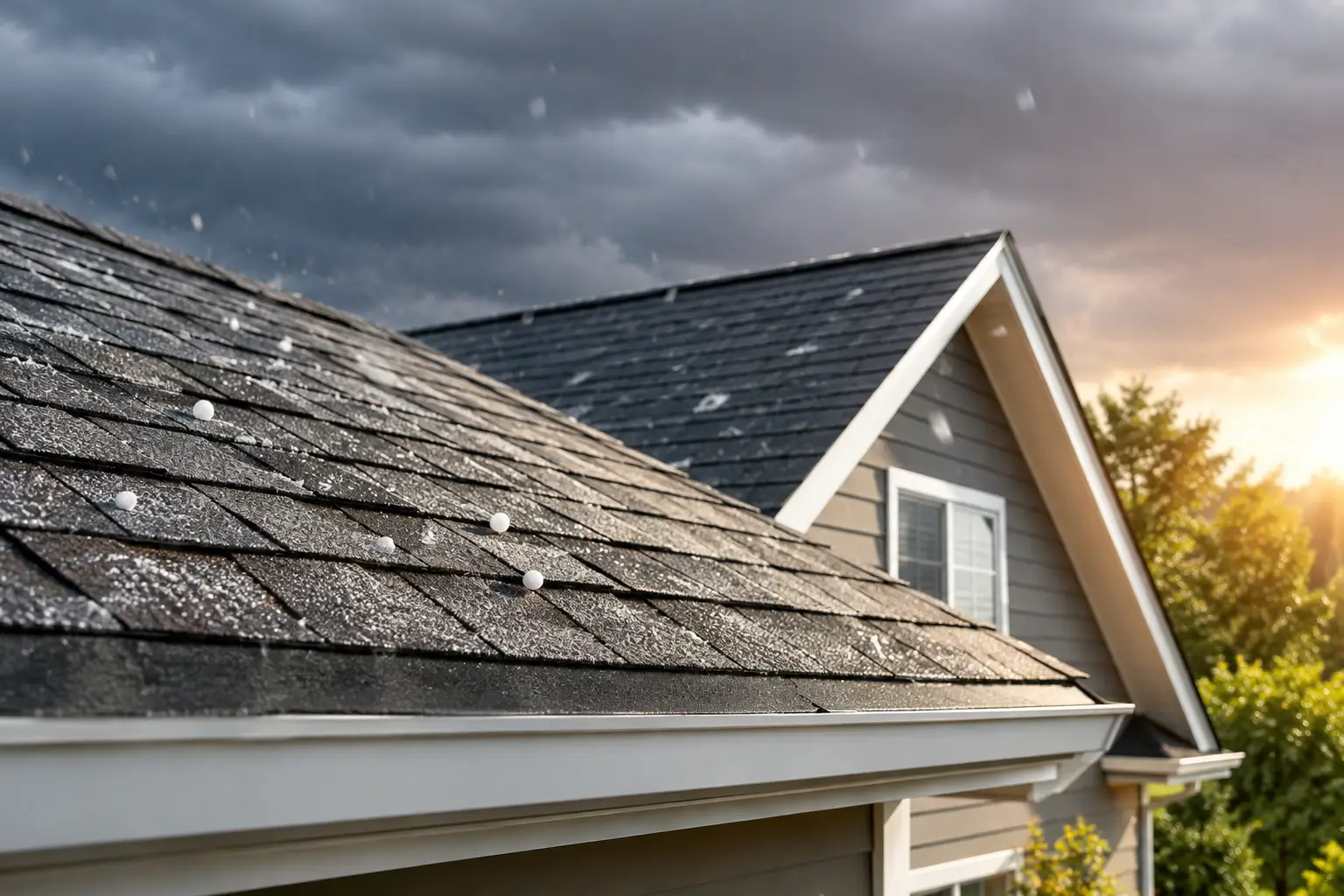
Most roofing warranties do not cover normal aging, gradual wear, or cosmetic changes that do not affect performance. They may also exclude damage from extreme wind, hail, falling branches, fire, improper roof access, or structural movement. Those situations may fall under homeowners insurance, depending on your policy and the cause of damage.
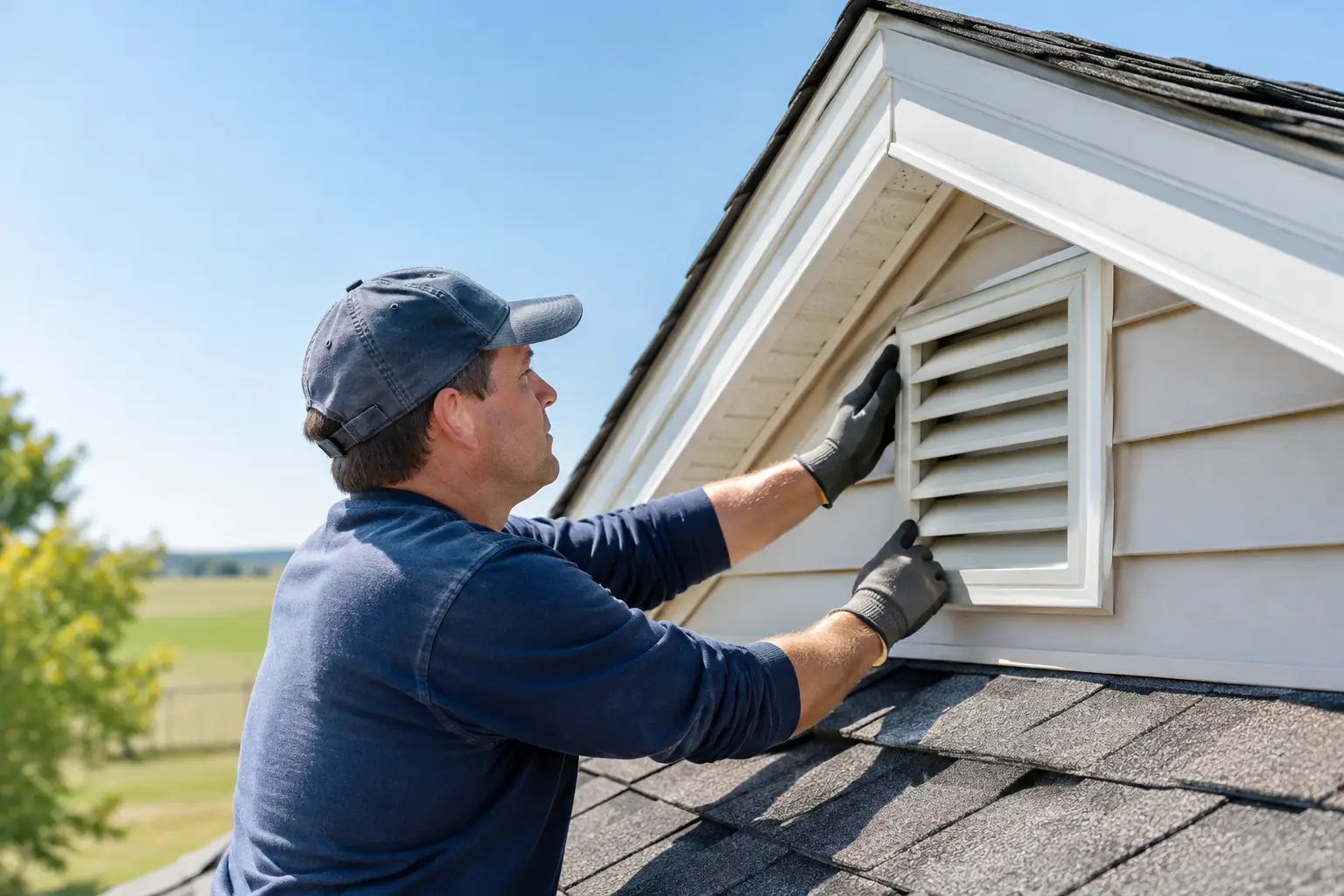
Poor attic ventilation can also create complications. Excess heat and moisture in an attic may shorten the life of roofing materials, contribute to ice dams, and cause condensation concerns. If ventilation does not meet the roofing system’s requirements, a manufacturer could limit coverage related to resulting damage.
Other common exclusions include:
- Damage caused by unauthorized alterations, repairs, or additions
- Leaks from chimneys, skylights, wall flashing, or other areas not included in the roofing scope
- Problems caused by clogged gutters, standing water, or neglected maintenance
- Damage from pressure washing or cleaning methods that are not approved for the roof material
- Roof failures related to pre-existing deck damage or structural concerns
An exclusion does not mean a warranty has little value. It means homeowners should understand the line between a product defect, an installation problem, routine maintenance, and storm-related damage.
The Fine Print That Des Moines Homeowners Should Review
Before approving a roof replacement, ask for the manufacturer warranty and contractor workmanship warranty in writing. Take time to compare more than the number of years shown at the top of the document.
First, determine whether the warranty is transferable if you sell your home. Some warranties can transfer once to a new owner, while others require a transfer request, a fee, or action within a specific time period after the sale. A transferable warranty can be a helpful selling point, but only if its requirements are met.
Next, ask whether registration is required. Certain products are covered automatically, while enhanced protection may require registration by the contractor or homeowner. Keep copies of the signed contract, invoice, proof of payment, warranty registration, product information, and photographs from the completed project in a safe place.
You should also confirm whether the warranty covers materials only or includes labor. Material-only coverage can still be worthwhile, but a future repair may involve labor, tear-off, disposal, and interior damage costs that are not covered. Knowing that difference helps you compare proposals accurately.
Finally, review the claim process. A manufacturer may require notice within a certain period after a defect is discovered. Making repairs before an inspection, except for reasonable emergency steps to prevent further damage, could affect a claim. If a leak occurs, document the date, weather conditions, visible damage, and any temporary measures taken.
Why Installation Quality Has a Direct Effect on Coverage
A warranty is only as useful as the roof system beneath it. Roofing materials must be installed on a suitable deck, with properly integrated flashing, ventilation, underlayment, and drainage details. Cutting corners during installation can create problems that are difficult to identify from the ground and expensive to correct later.
This is especially relevant in central Iowa, where roofs face heavy rain, wind-driven storms, snow loads, freeze-thaw cycles, and summer heat. The right material is part of the solution, but the details around valleys, penetrations, eaves, and transitions are equally important.
When comparing contractors, ask what is included in the proposal. Does it address old roofing removal, deck inspection, flashing, ventilation, underlayment, and cleanup? Is the roofing system being installed according to the manufacturer’s specifications? A clear scope of work gives you a better basis for evaluating both performance and warranty protection.
Premium options can offer long-term advantages, but they should fit the home, budget, and homeowner priorities. Dual-layer asphalt shingles may be an appealing choice for color selection and dependable performance. Stone-coated steel roofing can provide exceptional durability and architectural character. The better option depends on the property, expected length of ownership, desired appearance, and the full protection offered with the installed system.
Protecting Your Warranty After Installation
A new roof needs modest, consistent attention. Keep gutters and downspouts clear so water can drain away from the roofline. Trim branches that scrape the roof or could fall during high winds. After major storms, look for missing materials, displaced flashing, granules in gutters, or water stains in the attic or ceiling.
Do not allow unqualified workers to walk on the roof or make quick repairs without understanding the roofing system. Satellite, solar, HVAC, and exterior contractors can inadvertently damage roofing materials or flashing during their work. If another trade needs roof access, make sure they understand the material and follow approved procedures.
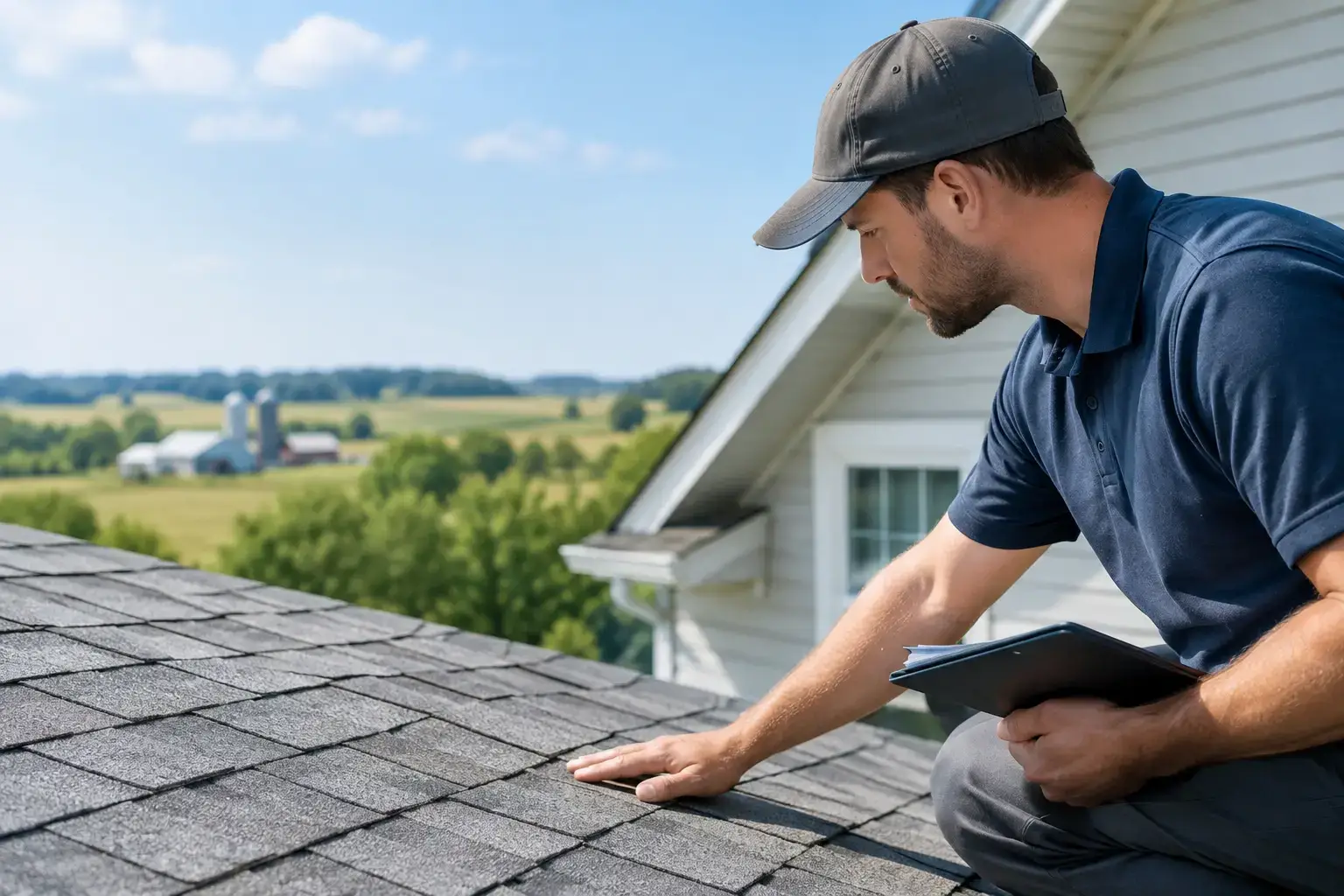
A periodic professional inspection is also a practical way to catch minor concerns before they become interior leaks. It is not about looking for unnecessary work. It is about protecting the investment you have already made and keeping documentation of the roof’s condition over time.
The best warranty conversation happens before the roof is installed, not after a leak appears. Ask direct questions, keep the paperwork, and choose a contractor who treats the roof as a complete protective system. Guardian Roofing can help homeowners evaluate durable roofing options and understand the protection that comes with a carefully planned installation.