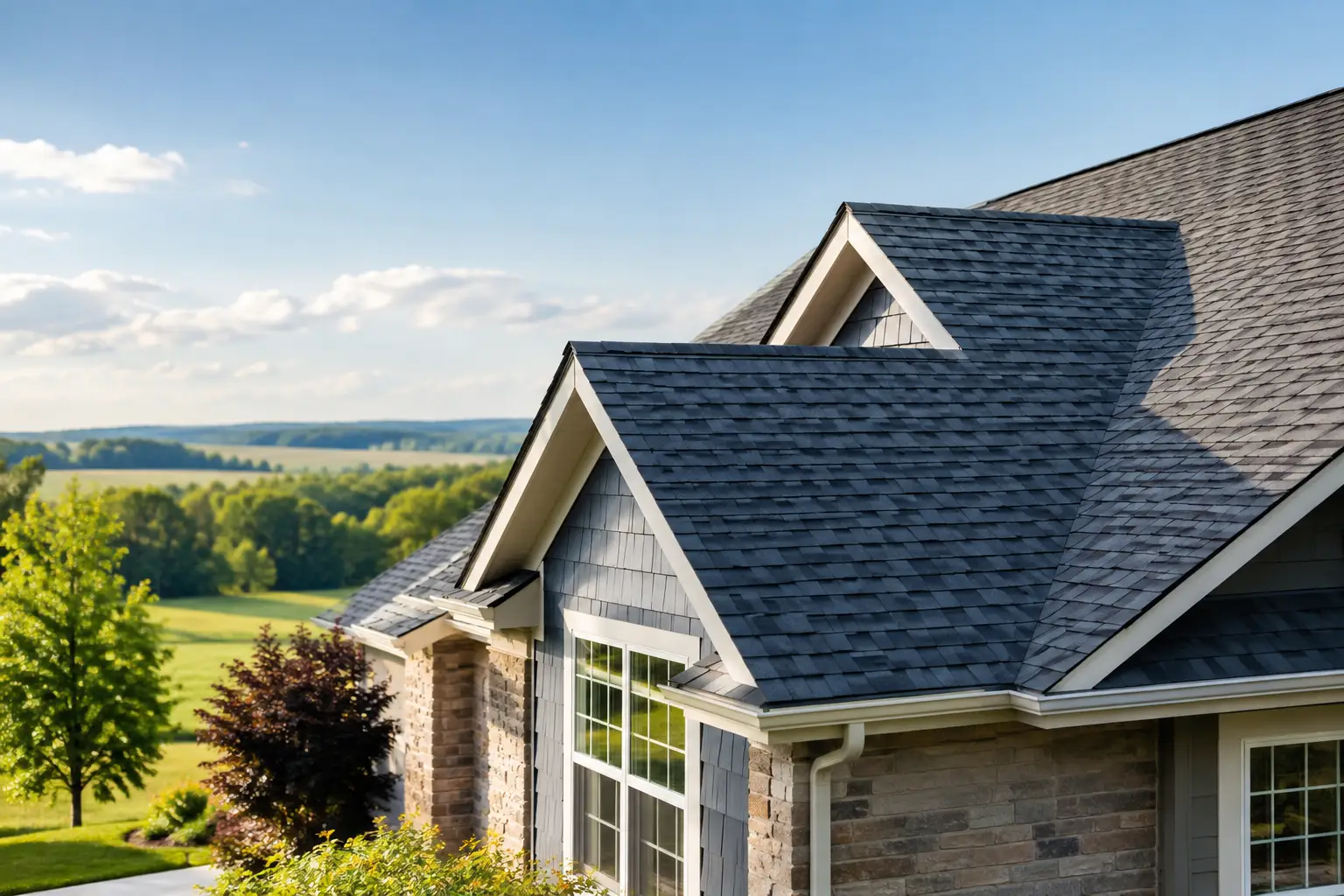
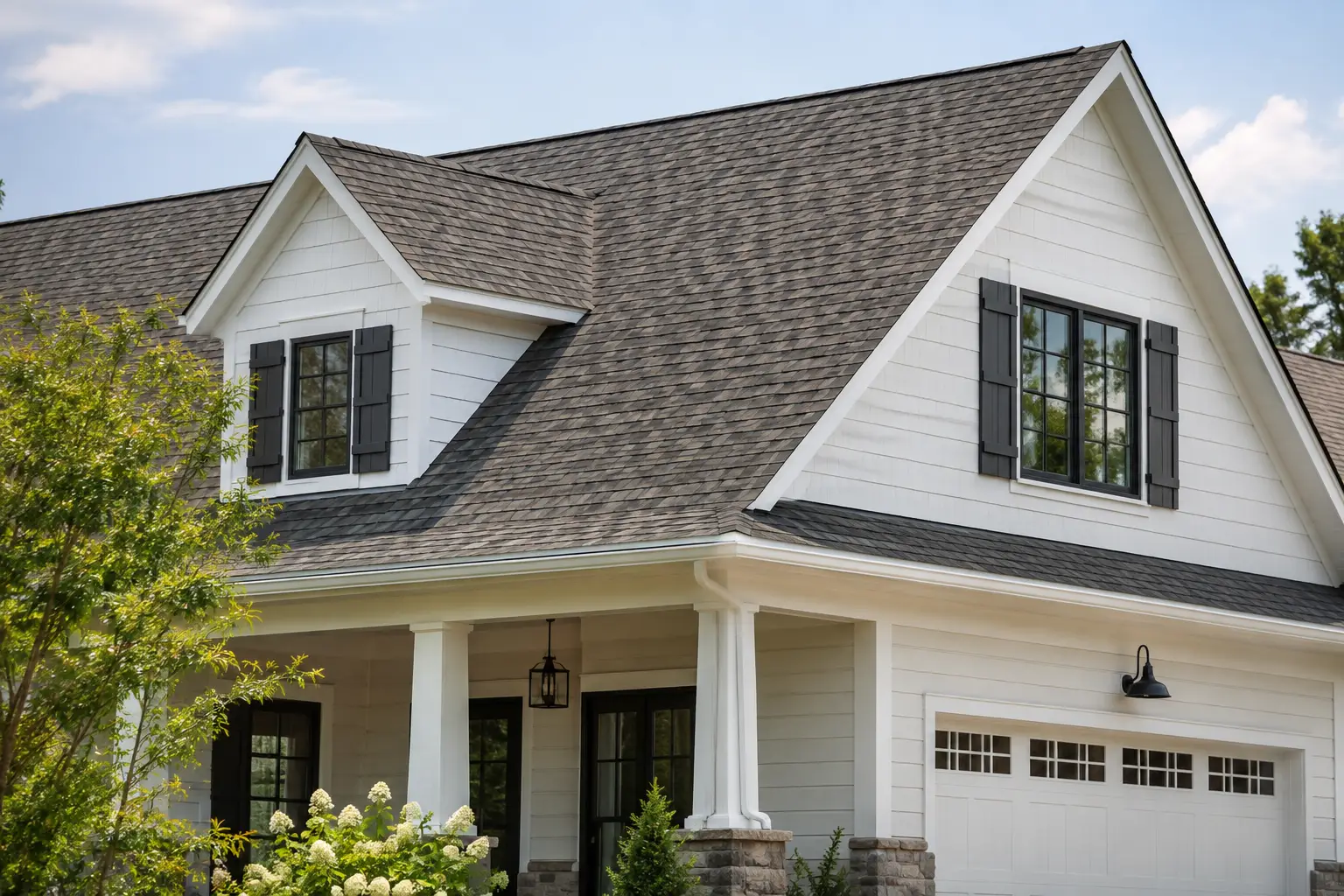
A roof can do more than keep rain out. On a historic-looking home, a large two-story property, or a house with detailed stone and siding, the roof often carries much of the curb appeal. A CertainTeed Carriage House roof is designed for homeowners who want that heavier, hand-crafted slate or wood-shake appearance without choosing natural slate or cedar.
That visual character has real appeal in Des Moines and across central Iowa. But a luxury-style asphalt roof is still a major investment, and the right choice depends on more than color. Your roof’s condition, the home’s structure, local weather exposure, installation quality, and long-term maintenance goals all deserve consideration before you commit.
What Makes a CertainTeed Carriage House Roof Different?
Carriage House shingles are designer asphalt shingles made to create pronounced texture, shadow lines, and a more dimensional roof profile than standard architectural shingles. Their blended colors and irregular-looking tab pattern can give a home an old-world appearance that pairs especially well with brick, stone, lap siding, and traditional exterior styles.
The difference is visible from the street. A basic three-tab shingle has a flatter, more uniform look. Standard architectural shingles add depth at a practical price point. Designer shingles such as Carriage House take that dimensional effect further, making the roof a more deliberate part of the home’s design.
That added style usually comes with a higher material and installation cost. These shingles are heavier and more detailed than entry-level options, so a contractor must account for proper roof preparation, accessory selection, and installation practices. The result can be striking, but only when the roof system underneath is built to support lasting performance.
Why Iowa Homeowners Consider This Style
Midwest weather does not make roof decisions easy. A Des Moines roof may face spring hail, high winds, driving rain, summer heat, freeze-thaw cycles, and snow loads within the same year. Homeowners understandably want a roof that looks refined while also offering dependable protection.
A designer asphalt roof can be a strong fit for a homeowner who wants elevated curb appeal without the weight, expense, or specialized upkeep associated with natural slate. It may also make sense when replacing an aging roof on a home where appearance matters for resale value or neighborhood character.
Still, appearance should not be the only deciding factor. A roof system performs as a group of components: decking, underlayment, ice and water protection, ventilation, flashing, shingles, ridge materials, and gutters all play a role. Premium shingles cannot compensate for soft decking, poor attic ventilation, or flashing installed incorrectly around chimneys and walls.
The value of a coordinated exterior plan
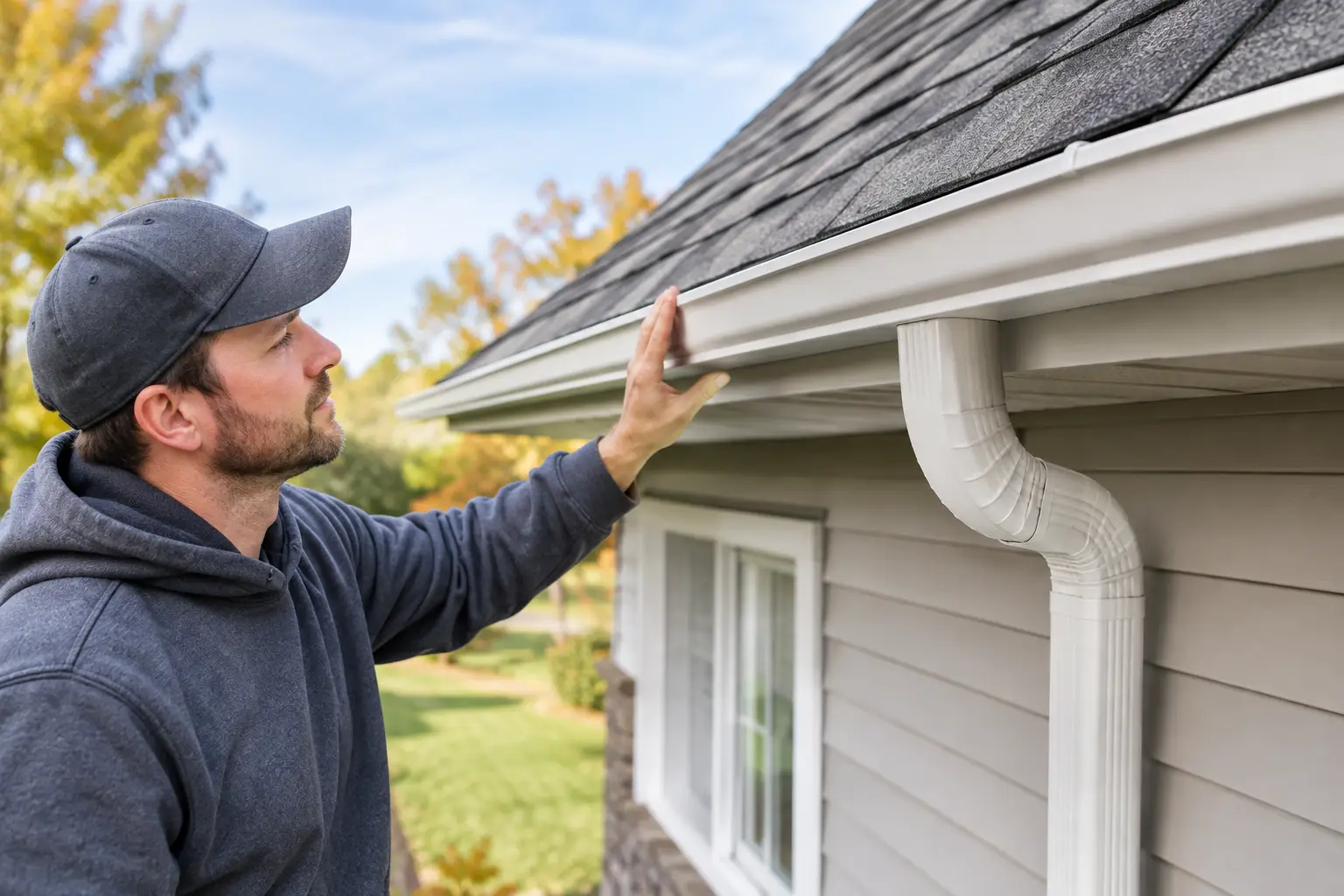
A roof replacement is often the right time to look at the rest of the exterior. Old gutters can allow water to spill near the foundation. Damaged siding may make a new roof look unfinished. Aging windows can contribute to drafts and indoor comfort concerns.
For some homeowners, completing the work in phases is the practical choice. For others, coordinating roofing, gutters, siding, or windows at the same time creates a more consistent finish and reduces repeat disruption around the home. The best path depends on your priorities and budget, not a one-size-fits-all package.
Availability Matters Before You Fall in Love With a Color
When researching a CertainTeed Carriage House roof, confirm current product availability and color options before making final design decisions. Roofing product lines, regional inventory, and color selections can change over time. This is particularly important if you are repairing part of an existing roof rather than replacing the entire system.
A close color match is not always a true match. Sun exposure, age, algae staining, and weathering can alter the appearance of existing shingles. Even shingles from the same product line may look different when installed years apart. If only one slope is damaged, a professional inspection can help you understand whether a targeted repair is reasonable or whether replacement will produce a better long-term result.
Homeowners should also avoid selecting a roof solely from a small sample board. Ask to see full-size samples when available, and view colors outdoors in morning sun, shade, and late-day light. A blend that looks charcoal indoors may show warmer brown or blue tones once it is on the roof.
Installation Is Where Protection Is Won or Lost
A premium roof deserves more than a fast installation. Before new shingles are installed, the contractor should evaluate the roof deck for deterioration, inspect areas around penetrations, and identify signs of past leaks. Valleys, eaves, skylights, chimneys, plumbing vents, and sidewalls require special attention because they are common water-entry points.
In Iowa, ice-dam protection and ventilation are especially relevant. Heat escaping into the attic can warm the roof deck, melt snow, and contribute to refreezing at the eaves. Proper insulation and ventilation work together to help manage moisture and temperature, although neither is a cure-all for every ice-dam issue. The home’s attic conditions, roof shape, and air leaks all matter.
Wind resistance also relies on workmanship. Correct fastening patterns, properly sealed shingles, and secure ridge and hip materials help the roof perform as intended when storms arrive. This is why comparing estimates line by line is more useful than comparing a single bottom-line number. Ask what is included for tear-off, underlayment, flashing, ventilation, decking repairs, cleanup, and warranty coverage.
Is Carriage House the Best Choice for Your Home?
It may be a good fit if your main goal is a premium, traditional roof appearance and you are comfortable investing more than you would for a standard architectural shingle. It can be especially attractive on homes with steep rooflines or highly visible front elevations, where its dimensional design can be appreciated from the curb.
It may not be the best fit if the roof is mostly hidden, the budget is tight, or severe hail exposure is your primary concern. In those situations, a high-quality dual-layer asphalt shingle may provide the right balance of style, protection, and cost. Homeowners seeking a longer-term alternative to asphalt may also want to compare stone-coated steel roofing. Steel systems can offer exceptional durability and distinctive architectural profiles, though they come with different upfront costs and design considerations.
The right material is not automatically the most expensive one. It is the one that fits your home, weather exposure, desired appearance, and plans for the property over the next several decades.
Questions to Ask During a Roofing Estimate
A trustworthy estimate should leave you clearer, not more confused. Ask whether the contractor has identified decking concerns, how they will protect landscaping and collect debris, and which underlayment and flashing details are included. You should also ask how attic ventilation will be evaluated and whether gutter condition could affect the new roof’s performance.
For a designer shingle roof, ask about the installation approach for complex areas such as valleys and hips. Request clarity on manufacturer coverage and workmanship coverage, including what actions may be required if a future issue arises. A professional contractor should be able to explain the recommendations in plain language without pressuring you into a decision.
Guardian Roofing approaches roof replacement as a long-term protection decision, not simply a shingle swap. A detailed inspection and clear material comparison can help you weigh a luxury asphalt look against other durable options that fit Iowa homes.
A roof should make you feel confident when storm clouds gather and proud when you pull into the driveway. Start with an honest assessment of what your home needs, then choose the system and installer that can protect that investment for years to come.