A Des Moines roof can see summer heat, wind-driven rain, heavy snow, ice, and abrupt temperature swings in the same year. That is why durable roof materials are more than a curb-appeal decision. They are the first line of defense for the home beneath them.
The right material should fit the home’s design, budget, expected time in the property, and exposure to local weather. A roof that looks attractive on installation day matters, but dependable performance through the next storm matters more. For many Iowa homeowners, the strongest choices come down to high-quality dual-layer asphalt shingles and stone-coated steel roofing.
What Makes a Roof Material Truly Durable?
Durability is not simply a manufacturer warranty or a material’s projected lifespan. It is the way the entire roofing system handles the conditions a home actually faces. A long-lasting roof needs materials that resist weather exposure, installation that manages water correctly, and ventilation that helps control attic heat and moisture.
A durable roof should perform well against wind uplift, rain intrusion, repeated freeze-thaw cycles, sun exposure, and impact from ordinary storm debris. It should also retain its appearance. Granule loss, fading, rust, curling, and loose components can affect both protection and the way a home looks from the street.
Installation is inseparable from material performance. Even premium roofing can fall short when flashing, underlayment, ventilation, or roof-edge details are overlooked. Homeowners should evaluate the roofing system as a whole rather than choosing a product based on a sample board alone.
Dual-Layer Asphalt Shingles: Proven, Practical Protection
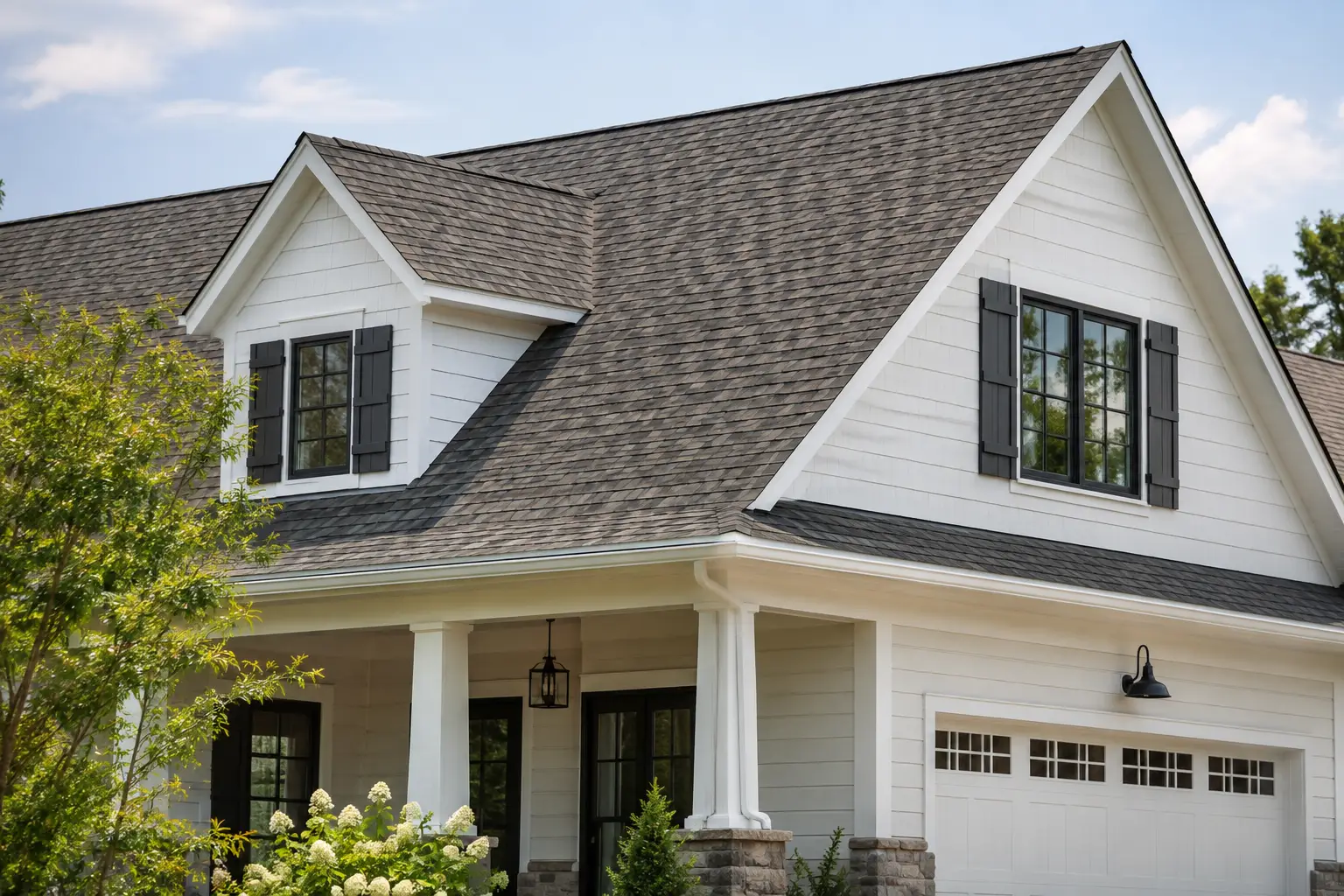
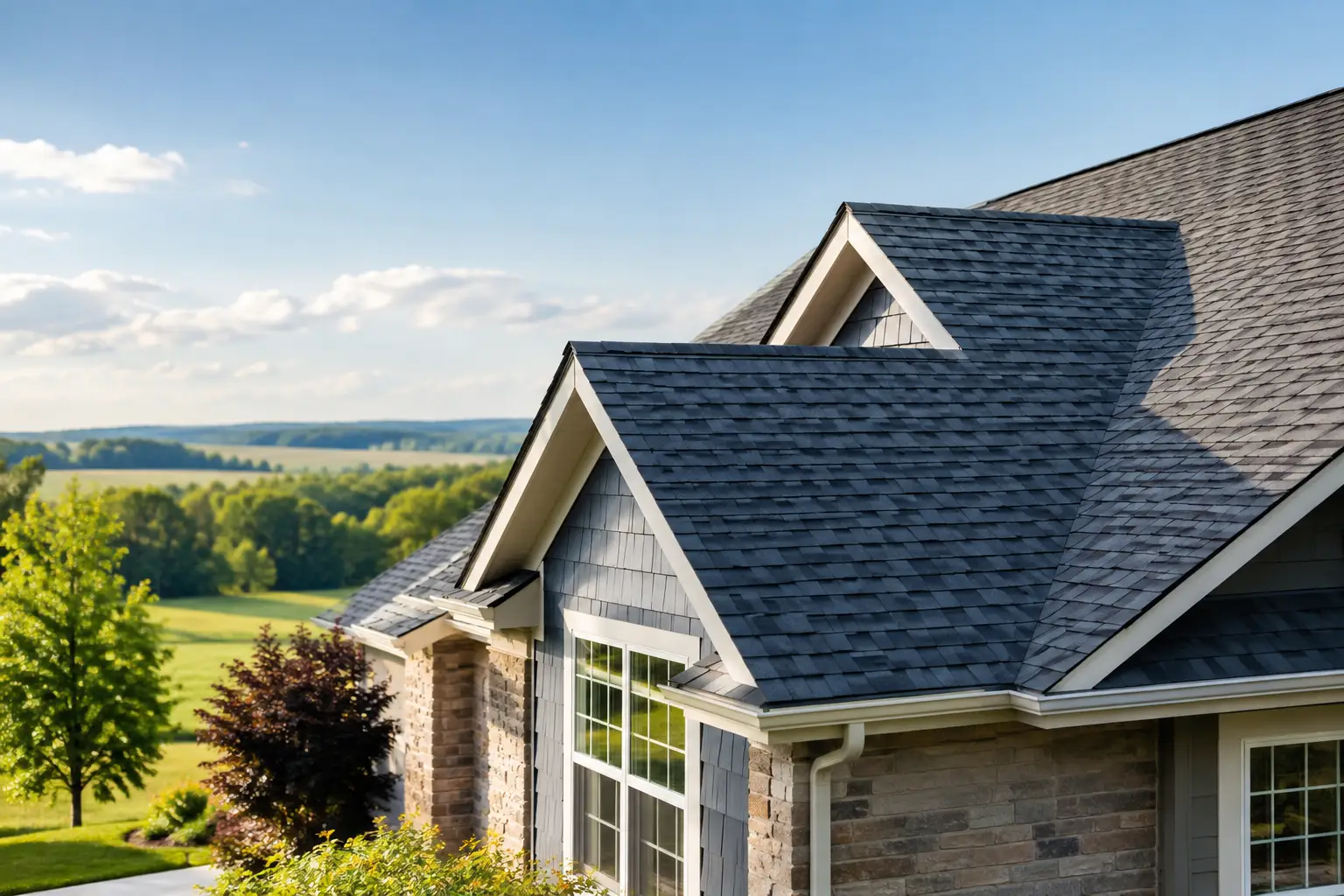
Asphalt shingles remain one of the most popular choices for Iowa homes because they offer an appealing balance of durability, style, and cost. Dual-layer architectural shingles provide more dimension and strength than basic three-tab shingles, creating a richer appearance while delivering dependable day-to-day weather protection.
For homeowners replacing an aging roof, this option can make practical sense. Architectural shingles are available in a wide range of colors, allowing the roof to complement brick, siding, trim, and gutters without requiring a full exterior redesign. They also suit many home styles, from traditional ranch homes to newer two-story properties.
The trade-off is that asphalt shingles have a more limited service life than steel. Their performance can be affected over time by intense sun, wind exposure, and temperature changes. Product quality matters, as does proper attic ventilation. A well-matched dual-layer shingle system can be an excellent long-term investment, especially for homeowners who want strong protection and broad design flexibility at a competitive price.
When Asphalt Shingles Are a Smart Fit
Dual-layer shingles are often the right answer when a homeowner wants a familiar roofing profile, reliable protection, and an efficient replacement process. They are also a practical choice when color selection is a priority or when the budget calls for a high-performing material without moving into premium metal roofing.
The key is not to treat all shingles as equal. Material thickness, fastening requirements, underlayment, and the experience of the installation team all influence how a shingle roof responds when Iowa weather becomes demanding.
Stone-Coated Steel: Premium Strength With Residential Style
Stone-coated steel roofing offers a different approach to durable roof materials. It combines the strength of steel with a textured, architectural finish designed to complement residential homes. Rather than looking like a commercial metal roof, stone-coated steel can be formed in profiles that resemble shingles, shake, tile, or other classic roof styles.
This material is particularly appealing for homeowners planning to stay in their homes for many years. Steel is built for long-term resilience, and the stone-coated finish adds visual depth while supporting a polished exterior appearance. It can be a strong option for properties exposed to open winds, recurring storms, or the seasonal weather shifts common across central Iowa.
Guardian Roofing offers Unified Steel stone-coated roofing in five architectural profiles, giving homeowners the opportunity to prioritize both protection and a look that suits their property. That flexibility matters. A durable roof should not force a homeowner to settle for an appearance that feels out of place with the rest of the home.
Consider the Long-Term Value, Not Only the Initial Price
Stone-coated steel generally requires a larger initial investment than asphalt shingles. For some households, that makes dual-layer shingles the better immediate choice. For others, the potential for longer service life, low maintenance needs, and premium curb appeal justifies the added upfront cost.
The best decision depends on the home, the homeowner’s goals, and the condition of the existing roof structure. A professional inspection can help determine whether the roof deck, flashing, ventilation, and drainage details are ready for the system being considered. A trustworthy recommendation should explain both the benefits and the trade-offs clearly.
Weather Concerns Iowa Homeowners Should Plan For
A roof in the Des Moines area must manage more than rainfall. It needs to shed melting snow, withstand cold-weather expansion and contraction, and remain secure when strong winds move through. These conditions should influence the material selection and the installation plan.
Wind and Storm Exposure
Wind can lift or loosen roofing components when they are not properly fastened or when the roof is nearing the end of its service life. Missing shingles are an obvious concern, but lifted edges and compromised flashing can be just as serious because they create pathways for water.
High-quality shingles and steel roofing can both provide strong wind performance when installed according to system requirements. The details at ridges, valleys, eaves, and roof-to-wall transitions deserve special attention because these areas experience concentrated water and wind pressure.
Snow, Ice, and Drainage
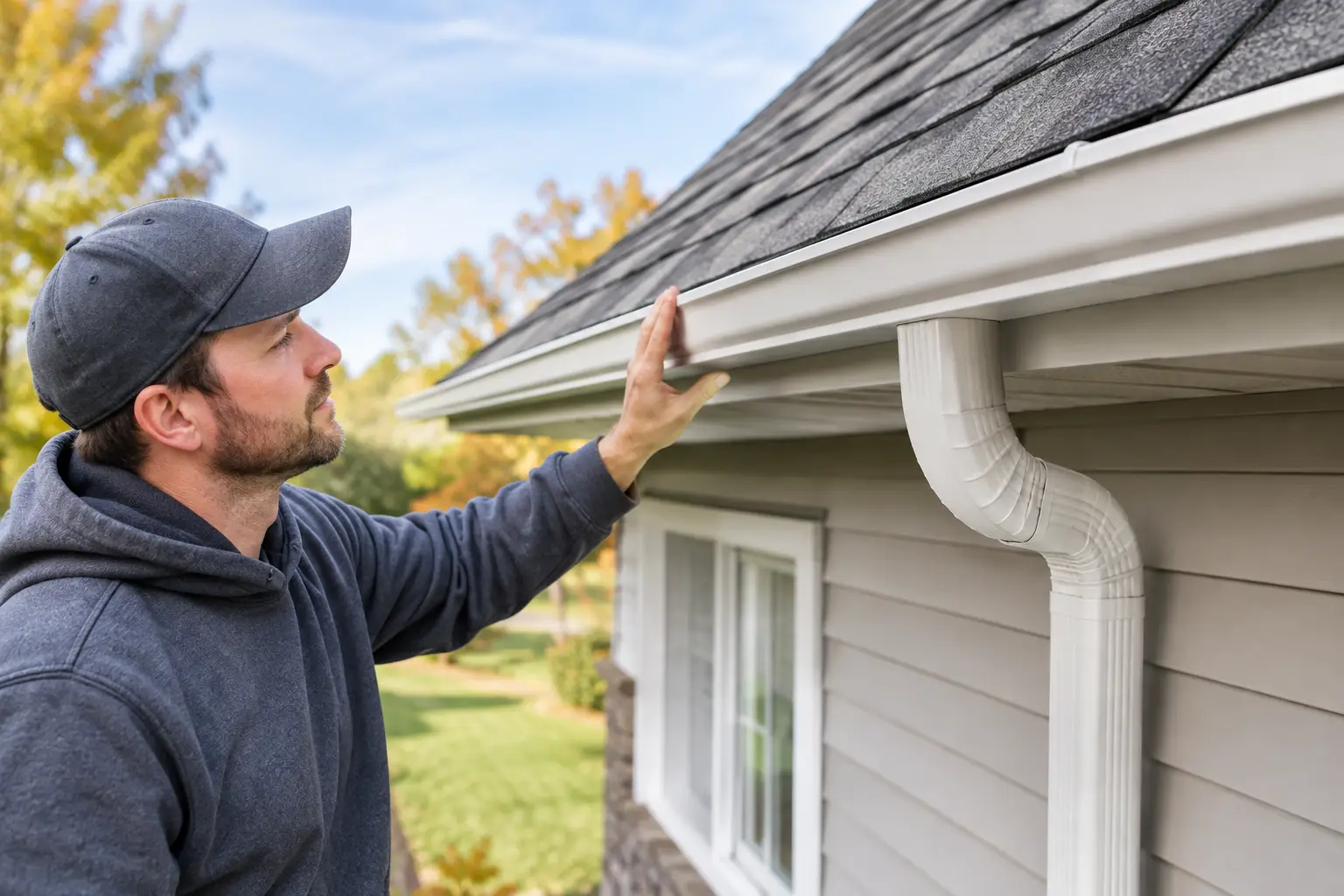
Winter weather puts weight and moisture on a roof for extended periods. Proper drainage allows melting snow and rain to move away from the roof instead of pooling at vulnerable areas. Ice buildup near eaves can also expose weaknesses in underlayment and flashing.
Material selection helps, but roof design and attic conditions matter too. A warm attic can encourage uneven snow melt, while poor ventilation can contribute to moisture issues. Addressing these system-level concerns protects the investment in a new roof.
Heat, Sun, and Seasonal Movement
Summer sun and rapid temperature changes place steady stress on roofing materials. Over years of exposure, shingles may become more susceptible to wear, while metal systems expand and contract by design. Each material needs the right installation method to perform as intended through those changes.
A contractor should consider the slope, orientation, and shading of the roof rather than making a one-size-fits-all recommendation. A heavily shaded roof has different moisture considerations than one that receives direct sun most of the day.
How to Choose Between Durable Roofing Options
Start with the condition of the roof you have now. If there are leaks, widespread shingle wear, storm damage, or visible sagging, do not focus only on surface materials. The roof structure and supporting components need to be evaluated before a replacement plan is finalized.
Next, consider how long you expect to own the home. A homeowner planning a near-term sale may prioritize a beautiful, dependable architectural shingle roof that improves buyer confidence. A homeowner settling into a long-term property may see greater value in the extended performance and distinctive appearance of stone-coated steel.
Finally, think about the exterior as one connected system. New roofing often creates an opportunity to assess gutters, siding, and windows. Coordinating improvements can improve water management, curb appeal, and energy performance while avoiding a patchwork look over time.
Protect the Home, Not Just the Roof
The most durable choice is the one that fits the home and is installed with care. Dual-layer asphalt shingles deliver proven performance, attractive color options, and practical value. Stone-coated steel provides a premium option for homeowners seeking exceptional long-term resilience and architectural character.
A free, no-pressure roof evaluation can replace uncertainty with a clear plan. When the next Iowa storm arrives, confidence starts with knowing the roof overhead was chosen for the conditions it will face.