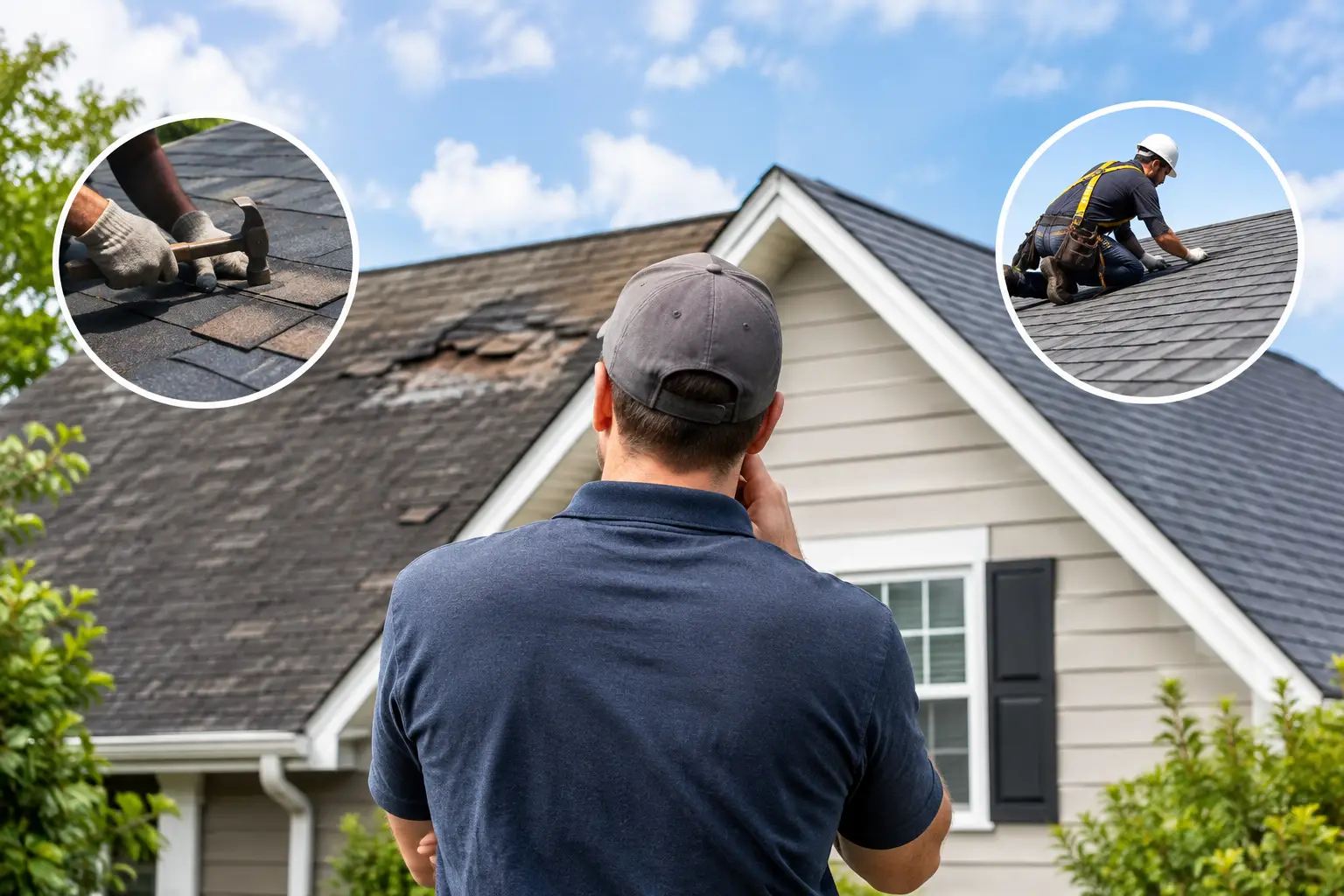
A roof in Des Moines has to handle more than a passing rainstorm. It faces wind-driven rain, hail, deep snow, freeze-thaw cycles, summer heat, and abrupt temperature shifts. That is why future roofing materials are not simply about a new look or the latest product trend. They are about choosing a system that protects your home more effectively, holds its appearance longer, and makes sense for the years you plan to own it.
For homeowners, the future of roofing is already taking shape in practical ways. Better protective coatings, stronger shingle construction, advanced metal profiles, energy-conscious colors, and more integrated exterior systems are giving families more choices than ever. The right choice still depends on your home’s design, budget, neighborhood, and exposure to Midwest weather.
What Future Roofing Materials Mean for Iowa Homes
The most promising roofing improvements have a common goal: extending performance without asking homeowners to sacrifice curb appeal. A durable roof should resist the weather your home actually sees while complementing its architecture and supporting long-term value.
Future-focused roofing does not always mean experimental roofing. Many of the best options are proven materials that have been improved through better engineering, coatings, fastening methods, and manufacturing. A steel roof with a stone-coated finish, for example, brings the strength of metal into a profile that can resemble traditional shingles, shake, or tile. Modern dual-layer asphalt shingles offer a familiar appearance with greater depth, color selection, and durability than basic single-layer products.
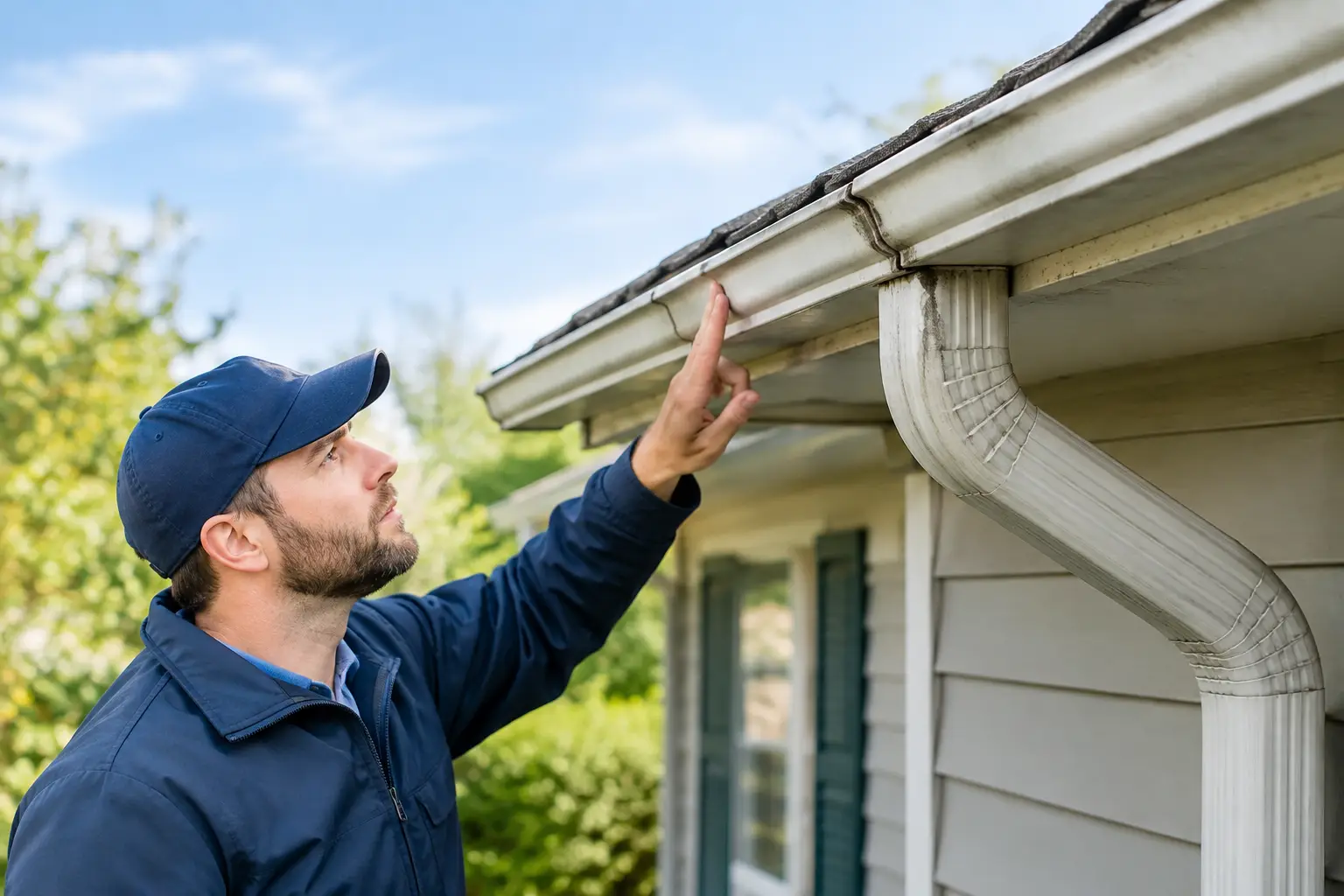
For Iowa homeowners, this practical progress matters. A roof is not a decorative surface installed once and forgotten. It is a major protective system that works alongside gutters, siding, windows, ventilation, and attic insulation. When those components are evaluated together, your exterior can be better prepared for water intrusion, wind exposure, ice, and changing temperatures.
Steel Roofing Is Built for Long-Term Resilience
Steel is likely to remain one of the most important future roofing materials for homeowners who want a premium, long-lasting upgrade. Modern stone-coated steel roofing has moved well beyond the plain metal panels some people associate with barns or commercial buildings. It is available in architectural profiles that provide a refined residential appearance while delivering exceptional strength.
The appeal begins with durability. Steel roofing is designed to stand up to difficult conditions, including wind, rain, snow, and hail exposure. It is also lightweight compared with some heavier roofing products, which can be beneficial when planning a replacement project. Its interlocking design and protective finish help create a roof built for demanding weather.
Appearance remains an equally important part of the decision. Stone-coated steel can suit a wide range of homes, from traditional colonials to ranch homes and more contemporary designs. Homeowners can choose profiles that create the texture and character they want without settling for a short-term solution.
There are trade-offs. Steel is typically a larger upfront investment than standard asphalt shingles, and installation expertise matters greatly. The system must be measured, detailed, and installed correctly around valleys, penetrations, edges, and transitions. For homeowners planning to stay in their home for many years, however, the long-term performance and reduced replacement concerns can make steel a compelling value.
Asphalt Shingles Are Becoming More Capable
Asphalt shingles will continue to be a leading choice because they offer dependable protection, design flexibility, and a more accessible initial price point. The future of asphalt is not about replacing it. It is about building it better.
Dual-layer architectural shingles are a strong example. Their layered construction creates dimensional shadow lines that give the roof a richer appearance than a basic flat shingle. They also offer a broad range of colors, allowing homeowners to coordinate the roof with siding, brick, trim, shutters, and gutters.
Advances in asphalt roofing also focus on resistance to wind, algae staining, and impact. Product ratings and warranty coverage vary, so it is wise to compare the full roofing system rather than choosing by color alone. Underlayment, starter courses, ventilation, flashing, and installation quality all influence how a shingle roof performs over time.
An asphalt roof can be the right fit when budget, architectural style, and planned ownership timeline point toward a reliable, attractive solution with a lower upfront cost. It may not match the lifespan potential of a premium steel system, but a quality dual-layer shingle roof professionally installed can provide lasting confidence and meaningful curb appeal.
Energy Performance Will Shape Material Choices
Homeowners often ask whether a new roof can make their home more efficient. The honest answer is that it depends. Roofing color, attic ventilation, insulation levels, sun exposure, and the condition of windows all affect comfort and energy use.
Still, future roofing materials are increasingly designed with solar reflectivity and heat management in mind. Lighter colors can reflect more sunlight, while some darker roofing products use pigments engineered to manage heat more effectively than traditional dark surfaces. These features can help reduce heat buildup at the roof surface, especially during Iowa’s warmer months.
A roof alone cannot solve an underinsulated attic or failing windows. Yet a replacement project is an excellent time to evaluate the exterior as a connected system. Proper attic ventilation helps manage moisture and heat. Functional gutters move water away from the roofline and foundation. Well-performing siding and windows help complete the protective envelope around your home.
Integrated Solar Is Promising, but Timing Matters
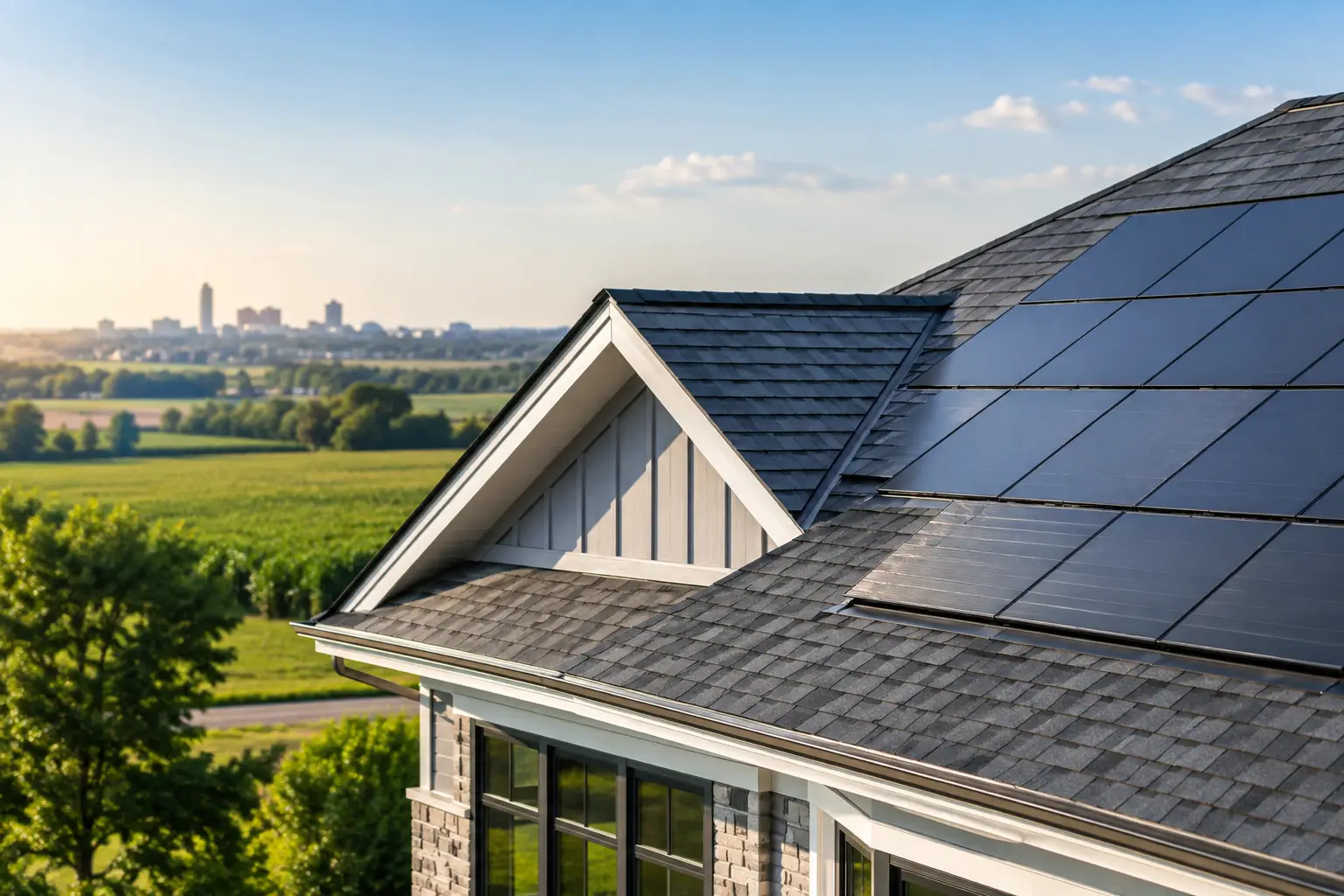
Solar roofing products are often part of the conversation about the future. Some systems place solar panels over a conventional roof, while others integrate solar-generating components into the roofing surface itself. For the right home, solar can be a worthwhile long-term consideration.
However, solar should be planned carefully. Roof age, slope, orientation, shade from trees, electrical capacity, and local incentives all matter. Installing solar over a roof that will need replacement soon can create avoidable costs later. Homeowners considering solar should first make sure the roofing system beneath it is ready for the expected service life.
For many households, the practical path is to install a durable roof now and choose a layout that can accommodate solar later. This protects the immediate investment while preserving flexibility as solar technology and pricing continue to evolve.
Smarter Roofing Starts With Better Details
Some of the most valuable advances in roofing are less visible than a new shingle color or steel profile. Water-resistant underlayments, purpose-built ventilation products, improved flashing methods, and more precise installation practices can all make a major difference in the life of a roof.
These details are especially important in a climate where melting snow can refreeze near eaves and wind can push rain into vulnerable areas. A premium material cannot compensate for poor installation, just as excellent workmanship cannot turn an unsuitable material into the right system. Protection comes from matching quality products with skilled installation and a clear understanding of the home.
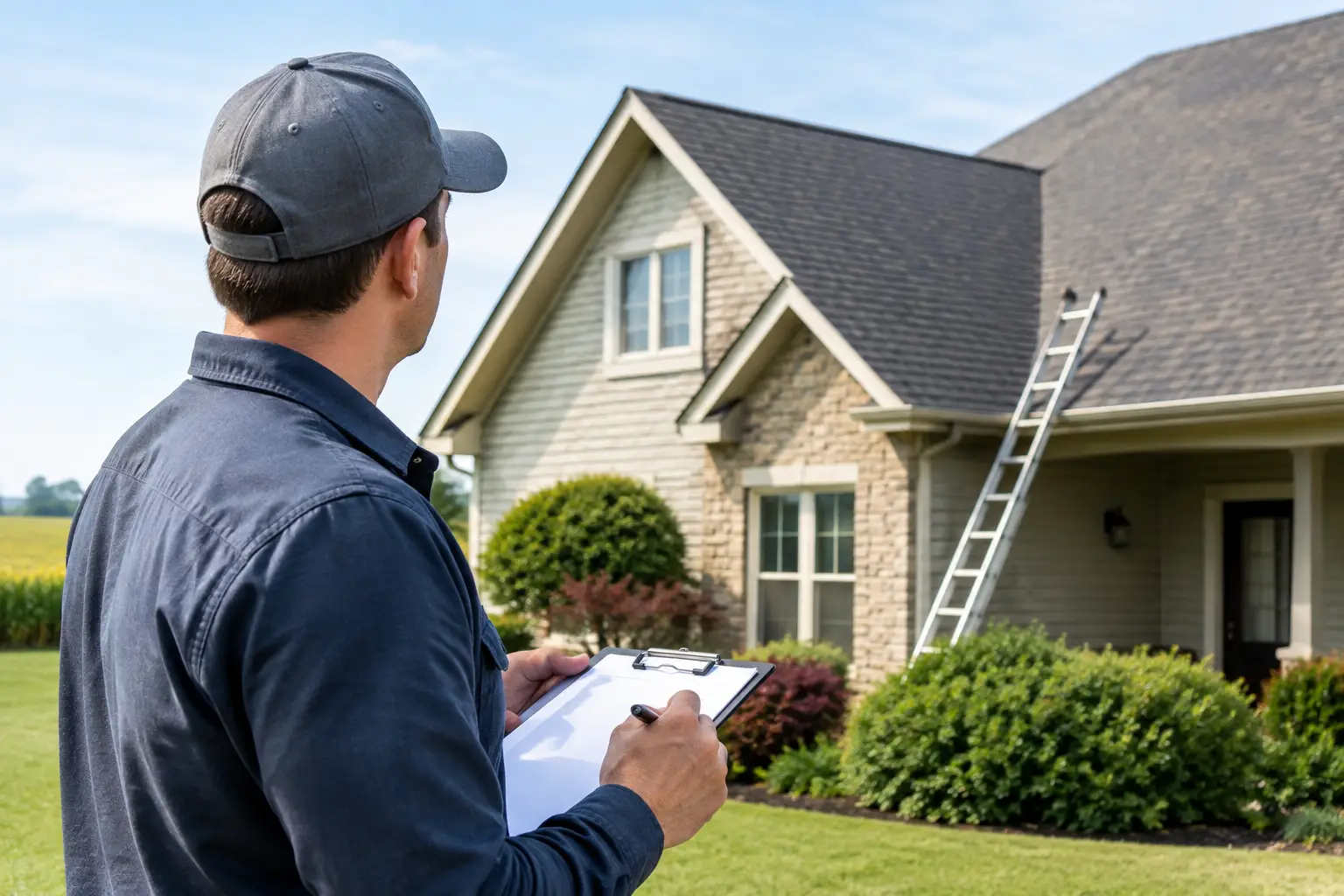
That is why a consultation should include more than a quick measurement. A homeowner deserves a conversation about roof age, visible damage, ventilation, drainage, style preferences, budget, and future plans for the property. If siding, windows, or gutters also need attention, coordinating those projects can help create a cleaner appearance and better overall protection.
How to Choose the Right Roofing System
The best material is not necessarily the newest or the most expensive. It is the one that addresses your home’s needs with confidence. Start by considering how long you expect to stay in the house. A homeowner planning a long-term residence may place greater value on the longevity and resilience of stone-coated steel. A homeowner seeking an attractive, dependable replacement at a more moderate initial investment may prefer dual-layer asphalt shingles.
Next, consider the weather risks around your property. Open lots and elevated locations can see stronger wind exposure. Mature trees may increase debris and shade. Homes with drainage concerns need special attention to gutters and roofline details. Your roof’s pitch and architectural complexity can also influence which products and installation approaches are appropriate.
Finally, choose a contractor that explains the options in clear terms. Guardian Roofing helps homeowners compare durable roof systems based on real-world performance, appearance, and long-term value, not a one-size-fits-all recommendation. A free quote can turn an uncertain repair or replacement decision into a clear plan.
Your next roof should give you more than a fresh exterior. Whether you choose advanced steel roofing or a quality dual-layer shingle system, choose protection designed for Iowa weather, installed with care, and suited to the home you are building a future in.