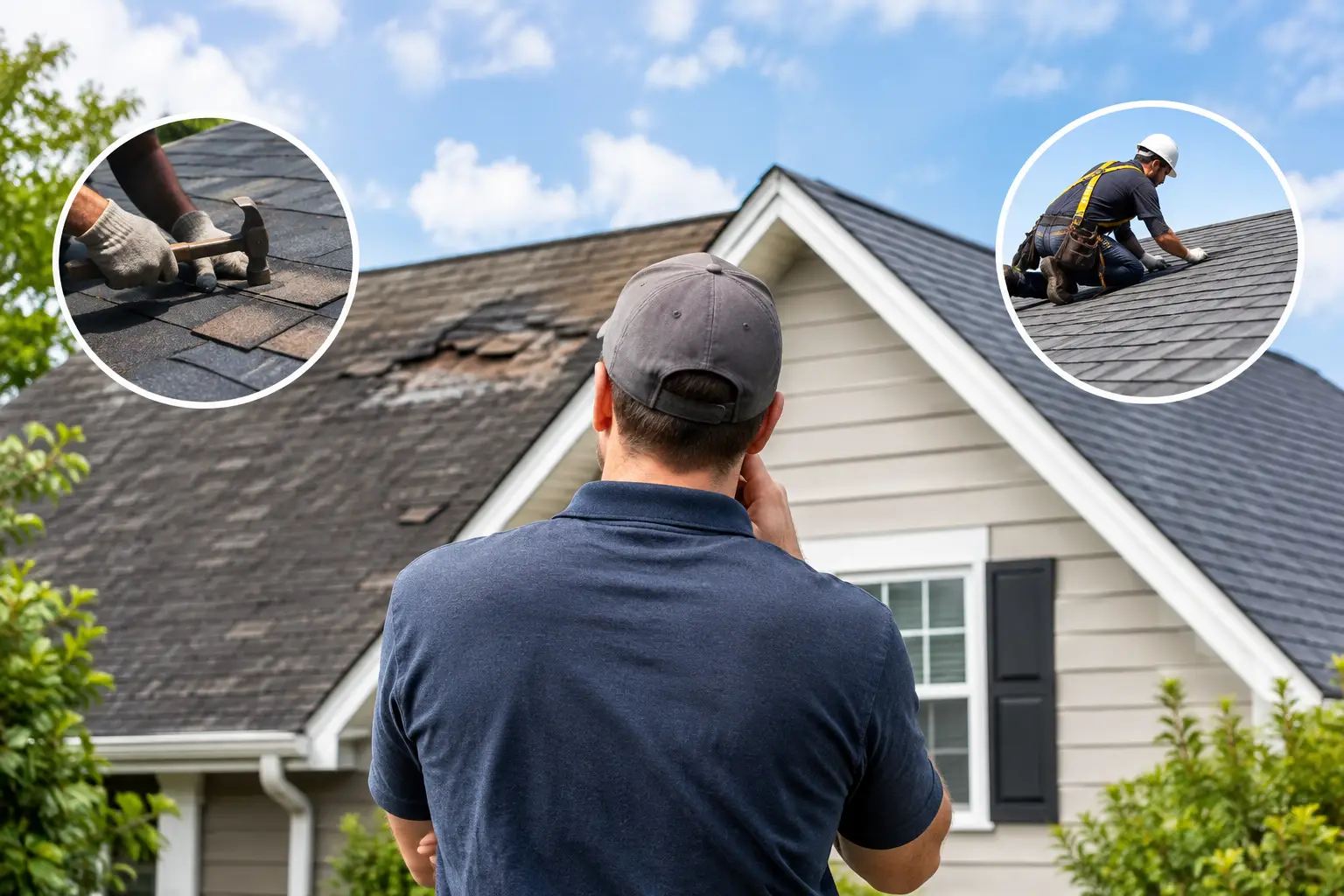

A roofing bid can look reassuringly simple: a total price, a material name, and a promise to get the job done. But two bids with similar totals can represent very different roofs. One may include the details that protect your home through Iowa wind, rain, snow, and temperature swings. The other may leave critical work vague until the project is underway. Knowing how to evaluate roofing bids helps you choose protection you can count on, not simply the lowest number on the page.
Start With a True Apples-to-Apples Comparison
Before comparing prices, make sure each contractor is pricing the same job. A bid should identify the roof areas being replaced, the type of roofing system proposed, and the work required to install it correctly. If one estimate is a brief total and another explains materials, labor, and project scope, they are not yet directly comparable.
Ask each contractor to put the scope in writing. The document should state whether the work includes tear-off of existing shingles, disposal, deck inspection, underlayment, flashing, ventilation work, cleanup, and permit handling when applicable. A low number may be low because it excludes one or more of these necessities.
Pay particular attention to the number of existing roof layers. Removing old roofing costs more than installing over it, but a full tear-off gives the installer a chance to inspect the roof deck and address concealed issues. In many cases, that visibility is worth the investment. Whether an overlay is appropriate depends on local code, the condition of the existing roof, and the roofing system being considered.
How to Evaluate Roofing Bids Line by Line
A detailed bid does not need to be difficult to read. It should make clear what you are receiving and what could change the final cost. As you review each proposal, look beyond the product name on the first page.
Confirm the roofing system, not just the shingle color
“Architectural shingles” is a broad description, not a complete specification. Ask for the manufacturer, product line, color, profile, and warranty classification. If a contractor proposes a dual-layer asphalt shingle, the bid should identify the exact product rather than relying on a generic label.
The same standard applies to premium alternatives such as stone-coated steel roofing. Steel systems come in different architectural profiles, each with a distinct appearance and installation approach. A bid should clearly identify the profile and the components used to complete the system. This matters for curb appeal, performance, warranty eligibility, and the long-term value of your home.
Material cost is only one part of the equation. A less expensive product may fit a homeowner’s plans if they expect to move soon or have a straightforward roof design. For homeowners planning to remain in their homes for decades, a higher-performance system may offer greater durability and fewer replacement cycles. The right choice depends on your property, budget, and goals.
Look closely at underlayment, flashing, and ventilation
Most roof leaks do not begin in the middle of a shingle field. They often occur around transitions and penetrations: valleys, chimneys, skylights, sidewalls, vents, and pipe boots. These details deserve more attention than a single line that says “install roofing.”
A complete proposal should explain the underlayment being used and where enhanced protection will be installed. It should also address flashing. Reusing flashing may be reasonable in limited situations when it is in excellent condition and can be properly integrated, but replacement is often the more dependable approach for aging materials or complex roof areas. If the bid does not say, ask.
Ventilation is another area where price-only comparisons can create trouble. A roof needs balanced intake and exhaust ventilation to help manage heat and moisture in the attic. The appropriate solution depends on the home’s design, existing ventilation, insulation, and roof configuration. Beware of a one-size-fits-all recommendation that does not account for those conditions.
Find out how deck repairs are handled
No contractor can always see the condition of roof decking until old materials come off. Honest bids acknowledge this reality rather than pretending hidden damage cannot exist. Look for a stated price per sheet or per square foot for replacement decking, along with an explanation of how the contractor will document and approve additional work.
This is not a reason to reject a bid. It is a sign that the contractor understands the work. What matters is whether you will receive clear communication before unexpected repairs move forward.
Compare Workmanship and Accountability
A quality roof depends on skilled installation as much as quality materials. The bid should identify who is responsible for the project and how workmanship is supported after installation. Ask whether the company uses employees, subcontractors, or a combination, and who will supervise the job site.
A dependable contractor should be prepared to discuss licensing requirements, insurance coverage, installation training, and local experience. Des Moines homeowners benefit from working with a team that understands what Midwest weather asks of a roof. Wind-driven rain, freeze-thaw cycles, heavy snow, and summer heat can expose shortcuts that are not obvious on installation day.
Also ask practical questions about protection of your property. How will landscaping, siding, windows, and driveways be protected? How will nails and debris be collected? Who is your point of contact during the project? These are signs of a contractor’s process and respect for your home.
Read the Warranty Language, Not Just the Warranty Length
A long warranty headline is appealing, but it does not tell the whole story. Roofing warranties usually fall into two categories: the manufacturer’s coverage for material defects and the contractor’s workmanship coverage for installation-related issues. They protect against different problems.
Ask each bidder to explain what is covered, who administers the warranty, and whether registration or specific system components are required. Some enhanced manufacturer warranties require approved underlayment, ventilation, and accessory products. A bid that leaves out those components may not qualify for the protection you assume you are receiving.
A lifetime-oriented material warranty can be valuable, but it should never replace confidence in the installer. If water enters around incorrectly installed flashing, the material manufacturer may not be responsible. Clear workmanship coverage and an established local contractor provide a more complete layer of protection.
Be Careful With the Lowest Bid
The lowest roofing bid is not automatically a poor choice. A contractor may have lower overhead, a simpler roof layout, or access to competitively priced materials. But a bid that is dramatically lower than the others deserves careful questions.
The difference may reflect omitted tear-off, lower-grade underlayment, limited flashing replacement, inadequate ventilation, uninsured labor, or an allowance that will rise later. It can also mean the contractor measured the roof differently. Ask the low bidder to walk through the scope against the other proposals rather than assuming every estimate includes the same work.
Be equally cautious with a high bid that offers little explanation. Premium pricing should come with a premium level of detail, materials, installation standards, communication, and warranty support. Price is meaningful only when you know what it buys.
Review Payment Terms and Change Orders Before Signing
A professional proposal should state the payment schedule, estimated start timing, and process for changes. Avoid paying the full project cost before materials arrive and work is completed. A reasonable deposit may be necessary, but the terms should be clearly documented.
For insurance-related work, make sure the contractor explains the difference between your insurer’s scope and the roofing contract. Your deductible remains your responsibility, and no legitimate contractor should offer to disguise or waive it. If additional damage is discovered, the contractor should document it properly and explain the next steps rather than pressuring you to decide on the spot.
Change orders should be written, priced, and approved before added work begins whenever possible. Roofing can reveal surprises, but surprises should not become vague invoices.
Use the Conversation to Judge the Contractor
The best bid review usually includes a conversation at your kitchen table or on your property. Ask the contractor to explain the recommendation in plain language: why this material, why this installation method, and what the roof needs to perform well over time. A trustworthy professional will answer directly, acknowledge trade-offs, and give you room to make an informed decision.
Guardian Roofing approaches estimates as a chance to match the right roofing system to the home, whether that means durable dual-layer asphalt shingles or stone-coated steel with lasting architectural appeal. Your roof protects nearly everything beneath it, so the right bid should leave you feeling informed, respected, and confident long before installation begins.
When the numbers are close, choose the proposal that provides the clearest scope, the strongest accountability, and the protection that fits your home for the years ahead. That is where real value lives.