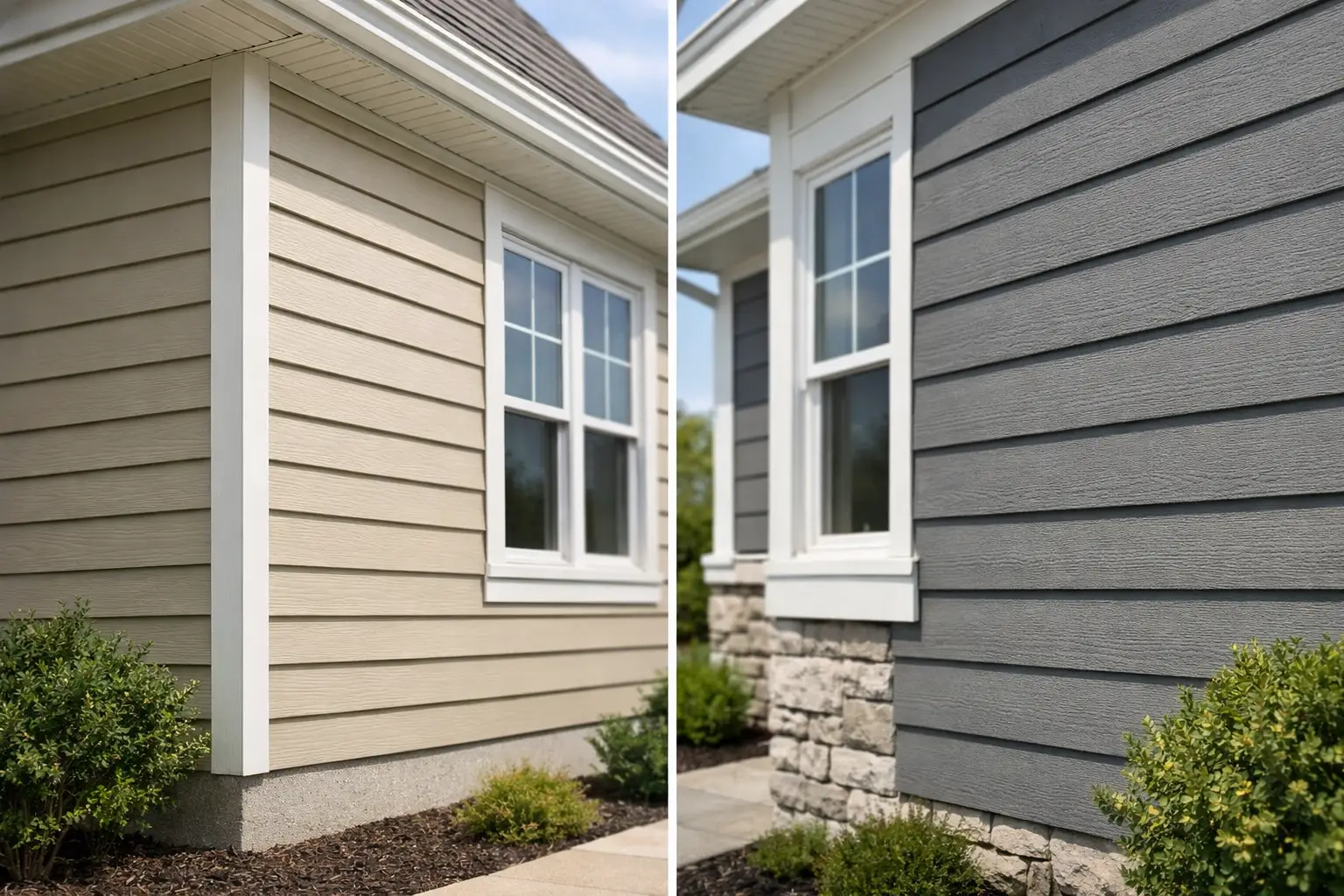
A siding decision can shape how your home handles the next Iowa hailstorm, January freeze, and humid summer. When comparing vinyl siding versus fiber cement, the better material is not always the one with the highest price tag or the lowest maintenance claim. It is the one that fits your home’s condition, your design goals, and the level of long-term protection you expect from your exterior.
For Des Moines-area homeowners, both materials can be practical choices. Vinyl siding is a familiar, budget-conscious option with dependable performance. Fiber cement offers a more substantial look and strong resistance to fire, pests, and impact. The right choice comes down to understanding where each one performs best – and where its trade-offs deserve attention.
Vinyl Siding Versus Fiber Cement at a Glance
Vinyl siding is made from durable PVC material formed into lightweight panels. It is widely used because it is cost-effective, available in many colors and profiles, and does not need routine painting. Modern vinyl has come a long way from the thin, easily dented panels many homeowners remember. Higher-quality products can provide stronger wind resistance, better color retention, and a more refined finished appearance.
Fiber cement siding is a manufactured composite made with cement, sand, cellulose fibers, and water. It is installed in boards, panels, or shingles that can resemble painted wood, cedar shakes, or smooth contemporary cladding. Because it is heavier and installed piece by piece, fiber cement requires more labor and careful installation. In return, homeowners often choose it for its durability, painted finish, and architectural character.
Neither product is maintenance-free, and neither is automatically right for every home. A clear comparison should account for weather exposure, installation quality, budget, and the rest of the exterior system.
Cost: Upfront Price and Long-Term Planning
Vinyl usually carries the lower initial cost. The material is lighter, installation is generally faster, and there is no painting requirement after the project is complete. For homeowners replacing aging siding while also budgeting for roofing, gutters, or windows, vinyl can make a full exterior improvement project more accessible.
Fiber cement typically costs more because of both material and labor. The boards are heavy, need specialized cutting practices, and require a contractor who understands proper clearances, flashing, fastening, and paint application. That extra investment can be worthwhile for a homeowner who wants a premium appearance or expects to stay in the home for many years.
The lowest estimate is not always the best value. Improperly installed siding can allow moisture behind the wall system, create visible gaps, or shorten the life of the product. Ask what is included in the proposal: removal of existing material, wall inspection, house wrap or moisture barrier work, trim details, caulking, painting where applicable, and cleanup. Those details protect the investment more than a material name alone.
How Each Material Handles Iowa Weather
Iowa homes face demanding conditions. Wind-driven rain, snow, freeze-thaw cycles, summer heat, hail, and strong seasonal temperature shifts can expose weaknesses in any exterior product.
Vinyl siding in changing temperatures
Vinyl expands and contracts as temperatures change. Professional installers account for that movement by using correct fastening techniques and leaving the appropriate room for panels to shift. When installed too tightly, vinyl can buckle or warp. When installed correctly, it can provide reliable weather protection for many years.
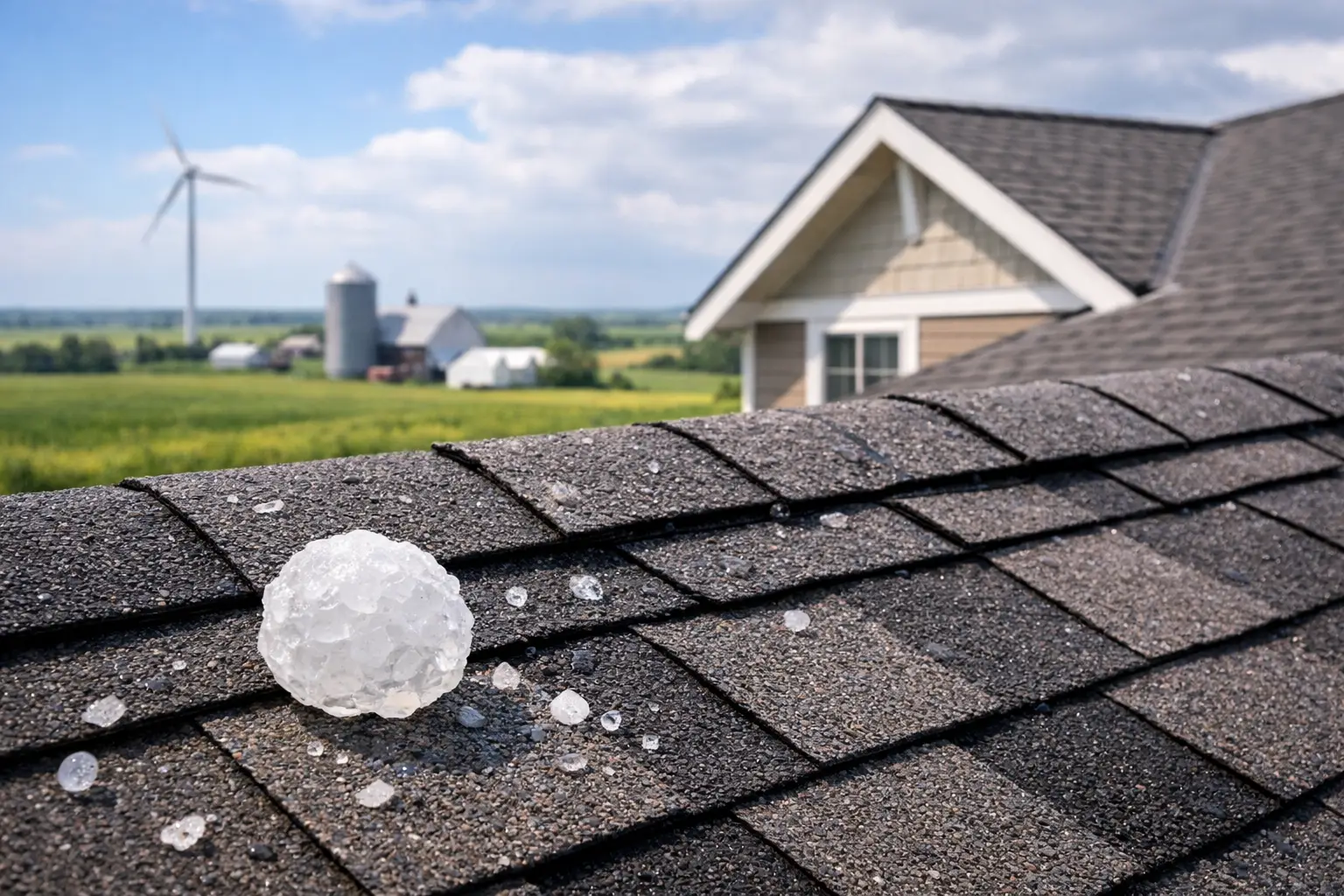
Vinyl can be more vulnerable to hard impacts than fiber cement. A severe hail event, thrown object, or heavy equipment bump may crack or dent a panel. Very cold temperatures can make it more brittle, while extreme heat can cause warping if it is exposed to unusual heat sources, such as a nearby grill or intense reflected sunlight from certain windows.
Fiber cement under severe exposure
Fiber cement is known for its dimensional stability. It does not expand and contract the way vinyl does, and it holds up well against wind, moisture, insects, and rot when installed and maintained properly. It is also noncombustible, which may matter to homeowners who want added fire resistance in their exterior materials.
Its density gives fiber cement an advantage against many impacts, including hail. However, it is not indestructible. A direct, forceful strike can chip or crack a board. The material also depends on correct detailing at joints, rooflines, windows, and ground clearances. If water is repeatedly allowed to reach unprotected cut edges or poorly maintained paint, the siding can deteriorate over time.
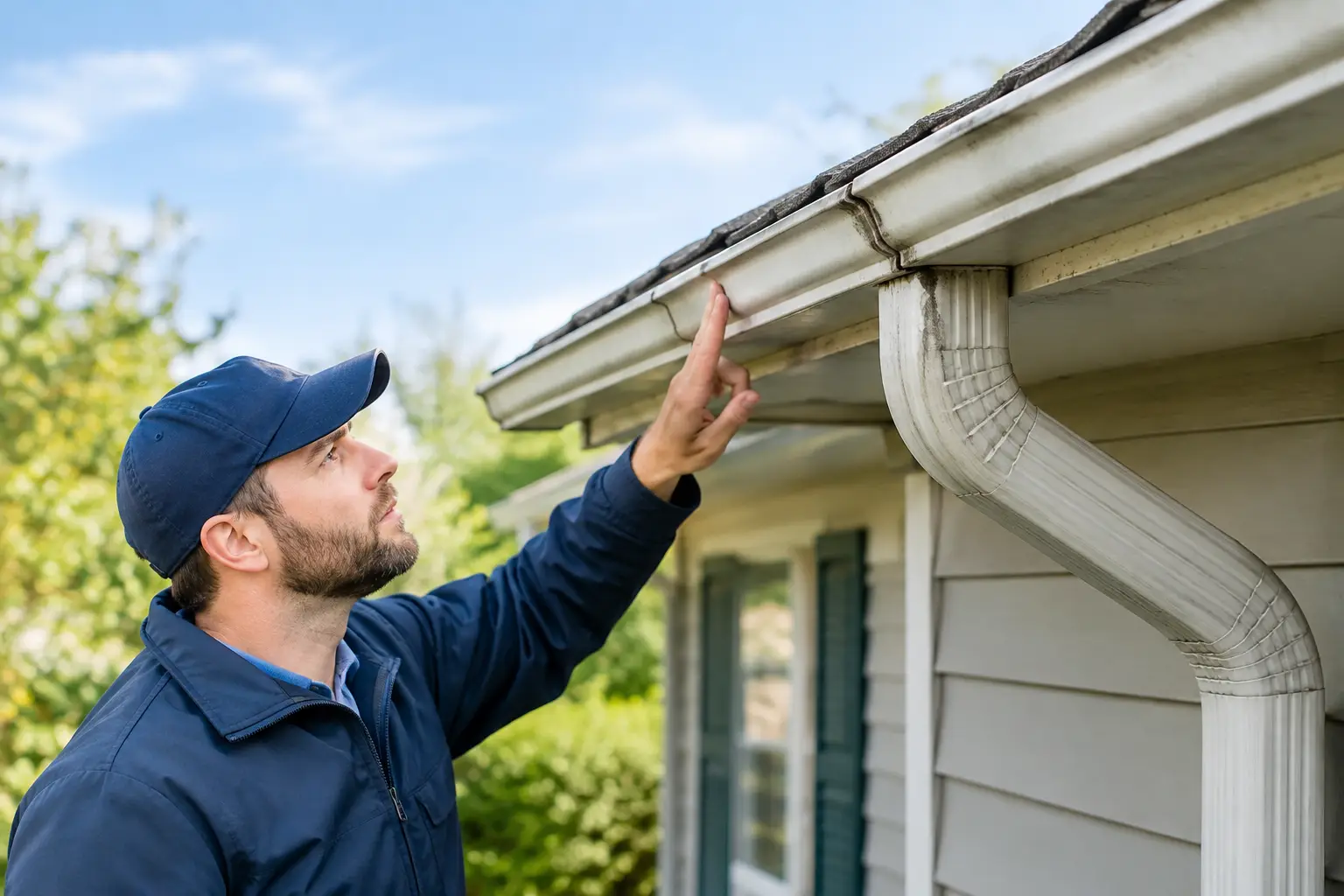
For homes in open areas with frequent wind exposure or a history of storm damage, both choices should be paired with sound installation practices. Siding, trim, gutters, roofing, and flashing work together to direct water away from the structure.
Maintenance: Low-Maintenance Does Not Mean No Maintenance
Vinyl siding is often the easier option for homeowners who want minimal upkeep. A gentle wash with a garden hose and soft brush can remove dirt, pollen, and mildew buildup. Avoid using excessive pressure, which can force water behind the panels. Because vinyl color is manufactured into the material, it does not need repainting under normal conditions.
Still, vinyl should be inspected after major storms. Look for loose panels, cracks, missing pieces, or areas that have pulled away from trim. Replacement panels may not match perfectly if the existing siding has faded over time, particularly on sun-exposed walls.
Fiber cement needs more active maintenance. Pre-finished products can extend the time between paint cycles, but painted fiber cement will eventually need repainting or touch-up work. Caulked joints and areas around penetrations should be checked regularly. Keeping landscaping trimmed back and ensuring gutters carry water away from the siding helps preserve the finish and prevent unnecessary moisture exposure.
For homeowners willing to schedule periodic exterior maintenance, fiber cement can retain a polished, painted appearance for decades. For those who want the least ongoing responsibility, vinyl has a clear advantage.
Appearance and Curb Appeal
Material performance matters, but a siding project is also a visible investment in your home. The right profile, color, and trim can make an older home feel updated and help a newer home stand apart.
Vinyl siding is available in horizontal lap styles, vertical panels, shakes, and a wide range of colors. It can create a clean, consistent look that works well on many Midwest homes. Insulated vinyl options may also improve the appearance of the wall by reducing the hollow look sometimes associated with standard panels.
Fiber cement has an edge for homeowners seeking a painted-wood appearance, deeper shadow lines, wide trim boards, or more custom architectural details. It can be especially effective on Craftsman, farmhouse, colonial, and contemporary home designs. Because it can be painted, fiber cement gives homeowners greater flexibility if their color preferences change later.
Consider the entire exterior before selecting a color or profile. Your roof color, gutter system, window trim, masonry, and front door should feel coordinated rather than competing for attention. A siding decision works best when it supports the whole home, not just one wall.
Installation Quality Makes the Difference
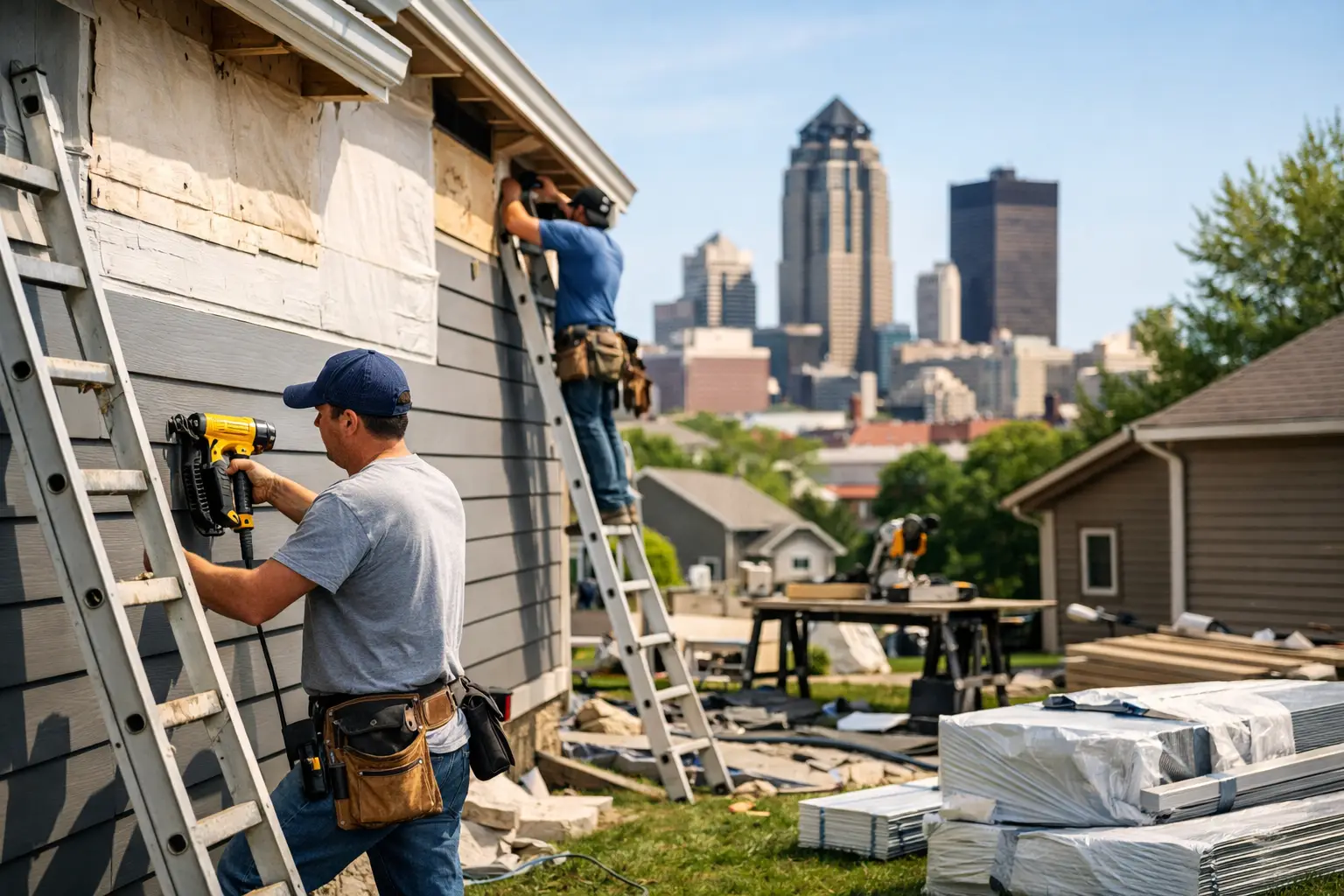
The most durable siding material can underperform when installation is rushed. Vinyl needs proper expansion gaps, straight starter strips, correctly placed fasteners, and secure trim details. Fiber cement needs proper flashing, suitable fasteners, carefully sealed cuts, correct ground clearance, and paint or finish protection where required.
This is why homeowners should choose an exterior contractor who looks beyond the siding itself. During a replacement project, it may be possible to identify damaged sheathing, failing window trim, inadequate flashing, or gutter issues that have been hiding behind old panels. Addressing those concerns before new siding goes up helps protect your investment from the inside out.
Guardian Roofing approaches exterior work as a coordinated protection system. When a home needs siding alongside roof, gutter, or window improvements, a clear plan can prevent mismatched materials, repeated disruption, and overlooked water-management details.
Which Siding Is Right for Your Home?
Choose vinyl siding when your priorities are a lower upfront cost, low maintenance, and a dependable refresh for an aging exterior. It is a practical choice for many homeowners who want durable protection and improved curb appeal without the recurring painting needs of a painted product.
Choose fiber cement when you value a premium painted appearance, greater impact resistance, fire resistance, and the flexibility to update colors in the future. It is often a strong fit for homeowners planning a long-term exterior investment and willing to maintain the finish over time.
Your home’s exposure matters, too. A heavily shaded property may need more routine cleaning regardless of siding type. A home with poor drainage, overflowing gutters, or roof runoff directed against walls should have those issues corrected before new siding is installed. No siding product is designed to compensate for ongoing water problems.
A free exterior assessment can turn a difficult material choice into a practical plan. Start with the condition of your walls, the performance of your roof and gutters, and the style you want your home to carry for years ahead. The right siding should do more than look new on installation day – it should help your home stay protected through every season that follows.