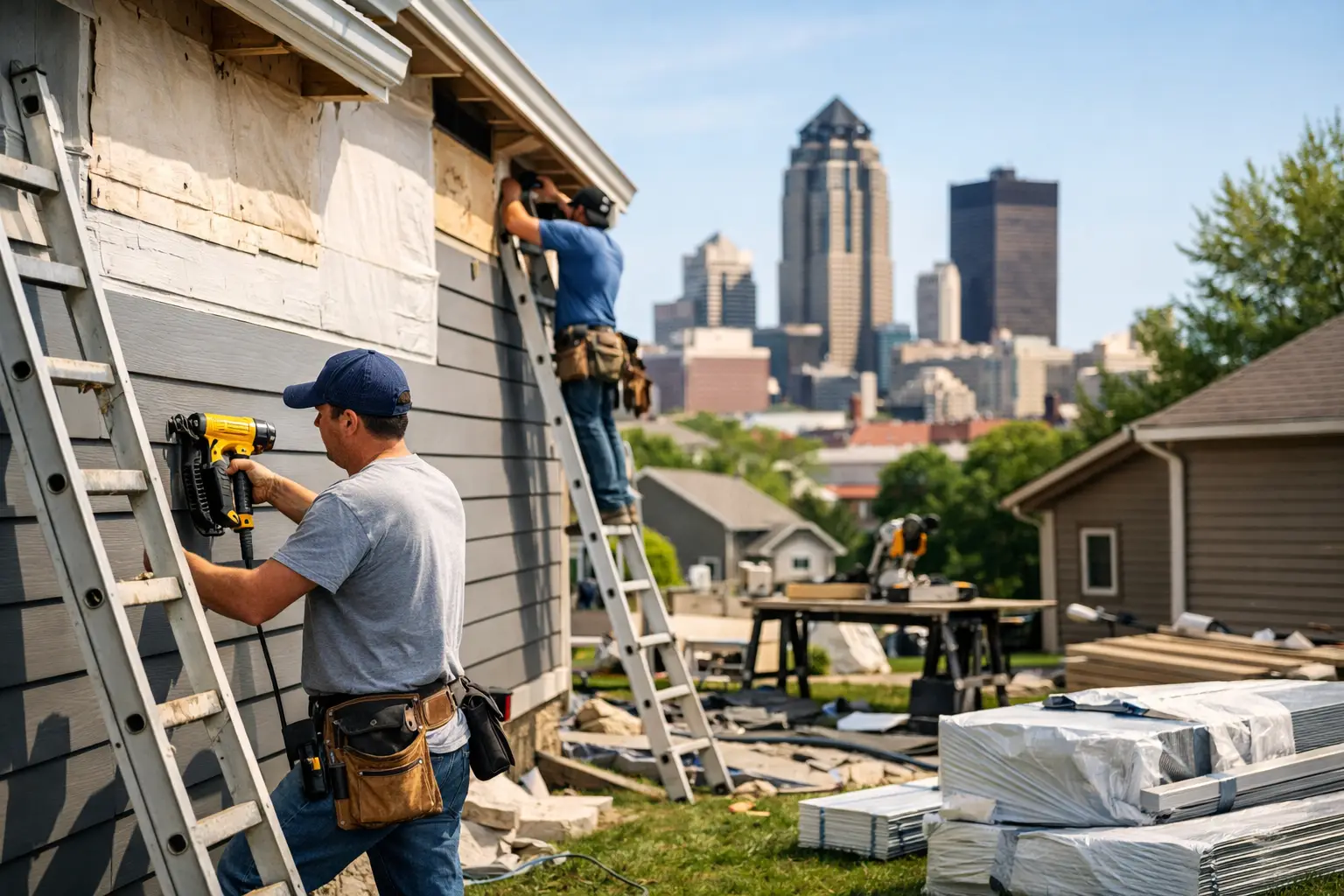
A siding project can transform a home that looks tired, exposed, or difficult to maintain. Yet the first question most homeowners ask is practical: what will it cost? Siding replacement cost depends on far more than the material chosen. Your home’s size, the condition behind the existing siding, trim details, insulation needs, and the installation team all shape the final investment.
For Des Moines homeowners, the right decision is not simply about finding the lowest number. Iowa homes must stand up to wind, driving rain, snow, summer heat, and repeated freeze-thaw cycles. Quality siding and skilled installation protect the structure beneath it while improving curb appeal, energy performance, and long-term confidence in your home.
Typical Siding Replacement Cost in Des Moines
Most full siding replacement projects fall within a wide range because no two homes have the same exterior layout or repair needs. As a general planning figure, homeowners may spend roughly $8 to $22 or more per square foot installed, depending on the siding material, home design, and scope of work. A complete project on a typical single-family home can range from approximately $15,000 to $45,000 or beyond.
That range is useful for early budgeting, but it is not a quote. A ranch home with straightforward walls, limited trim, and easy access usually costs less per square foot than a two-story home with multiple gables, bump-outs, dormers, or difficult-to-reach areas. The amount of siding being installed matters, but installation complexity matters just as much.
Contractors commonly measure exterior work in squares. One square equals 100 square feet of surface area. Your home’s floor plan is not the same as its siding measurement because wall height, rooflines, windows, doors, and architectural features all affect the usable exterior area.
What Drives the Cost of Replacing Siding?
The material itself is a major part of the budget, but it is only one part. A dependable estimate should account for the complete exterior system, not just the panels visible from the street.
Siding material and performance level
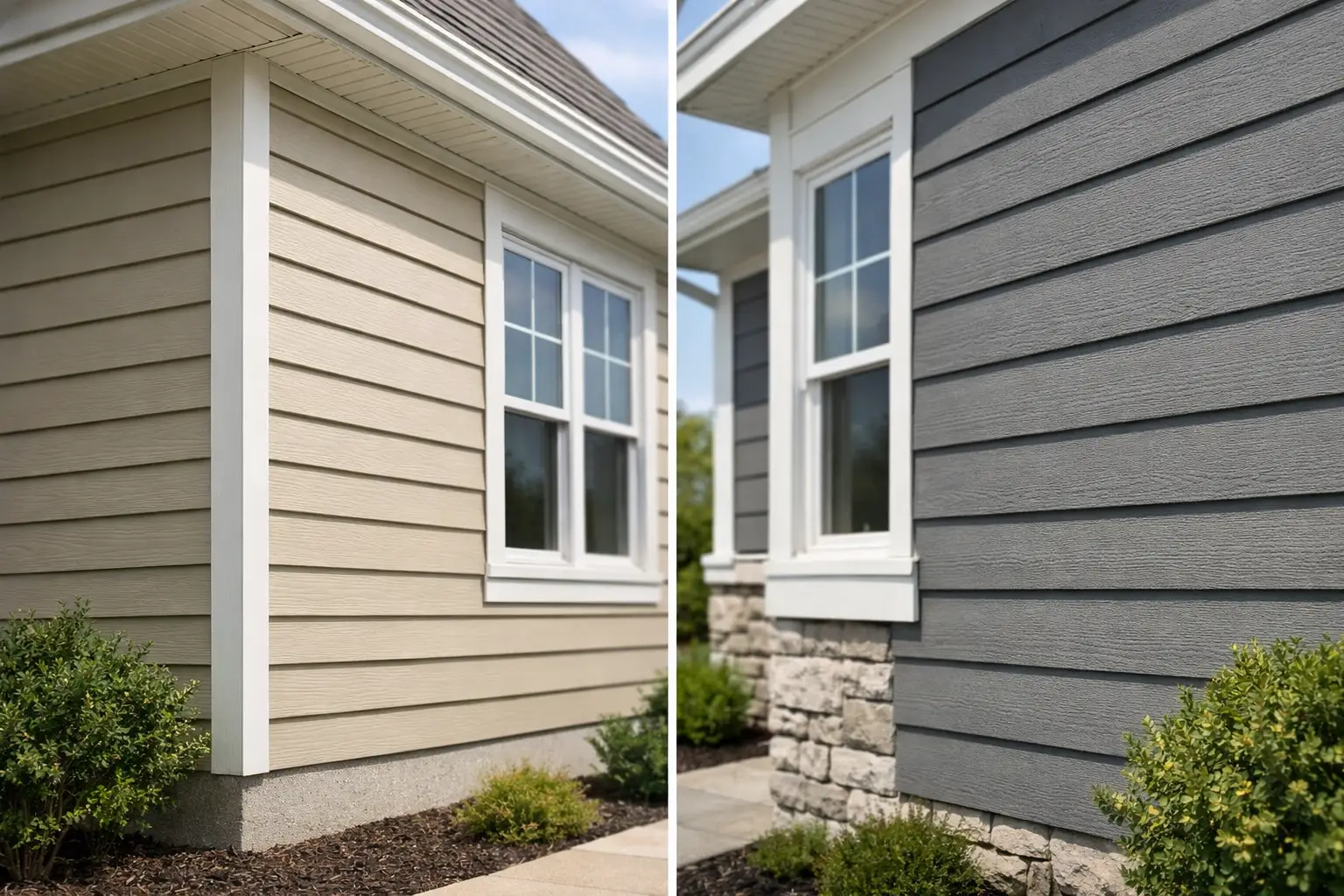
Vinyl siding is often the most budget-friendly option and comes in a broad selection of colors and profiles. It can be a practical choice for homeowners who want a clean appearance with relatively low maintenance. Higher-quality, insulated vinyl products generally cost more, but may offer improved rigidity and thermal performance.
Engineered wood siding provides the appearance of traditional wood with added durability and a wide range of design options. It can be an appealing middle ground for homeowners who want warmth and character without the upkeep associated with natural wood.
Fiber cement siding is valued for its substantial appearance, resistance to fire and pests, and ability to hold paint well. It is heavier and more labor-intensive to install, so its project cost is typically higher than vinyl. Proper installation is especially important because clearances, flashing, fastening, and paint details affect long-term performance.
Steel and other premium exterior materials may carry a higher initial price, but can make sense for homeowners prioritizing durability and a distinctive finish. The best material depends on the home’s architecture, the level of maintenance you prefer, and how long you plan to own the property.
Removal and disposal of old siding
Existing siding must be removed before a full replacement can reveal what is happening behind the walls. Removal, hauling, and disposal add labor and site-management costs. If older materials require special handling, that can affect the budget as well.
Leaving old siding in place and installing a new layer over it may appear to save money. In some cases, however, it can conceal moisture damage, prevent proper inspection of the wall sheathing, and create challenges around windows, doors, and trim. A contractor should explain whether an overlay is appropriate for your home rather than treating it as an automatic shortcut.
Repairs behind the siding
This is the cost factor homeowners cannot always see before work begins. Once old siding comes off, the installer may find damaged sheathing, deteriorated framing, water-stained insulation, or areas that need improved flashing. These repairs are not welcome surprises, but addressing them is essential. New siding cannot protect a wall system that already has unresolved moisture damage.
A detailed proposal should explain how concealed repairs will be handled if they are discovered. Ask whether the estimate includes an allowance, how additional work is documented, and who approves it before repairs move forward. Clear communication protects your budget and prevents rushed decisions.
Home design, trim, and access
Simple rectangular walls install faster than a façade with multiple roof transitions and decorative details. Windows, doors, corner boards, soffit, fascia, shutters, and exterior light fixtures all require careful integration. These details are where an exterior project begins to look finished and where water management must be handled correctly.
Two-story walls, steep landscaping, decks, porches, and limited work space can also increase labor needs. This is not unnecessary complexity. Safe access and precise installation help protect both your property and the crew completing the work.
Insulation and weather protection
Siding replacement is an ideal time to consider the layers behind the panels. Housewrap, flashing tape, proper window integration, and insulation improvements can strengthen your home’s defense against wind-driven rain and temperature changes. These upgrades add to the initial project cost, but they can help prevent expensive water problems and improve comfort over time.
For homes with cold rooms, drafts, or aging exterior walls, the conversation should go beyond color and profile. The goal is a coordinated system that directs water away from the structure and supports a more comfortable interior.
Material Costs Are Only Part of the Value
Comparing estimates line by line is smart, but the lowest proposal is not always the best value. One estimate may include removal, disposal, housewrap, flashing, trim, and cleanup, while another may list only basic panel installation. Those are not equal scopes, even if the totals initially seem close.
Ask each contractor what is included around windows, doors, corners, roof-to-wall intersections, and utility penetrations. Ask about the product warranty and the workmanship warranty. Most importantly, ask how the installation is designed to manage water. Siding is your home’s visible finish, but its protective value comes from the complete system behind and around it.
A quality project can also reduce future maintenance demands and support resale appeal. Buyers notice faded, cracked, warped, or storm-worn siding. A well-chosen replacement gives the home a cared-for appearance while sending a more meaningful message: the exterior has been maintained with long-term protection in mind.
How to Plan Your Siding Budget With Confidence
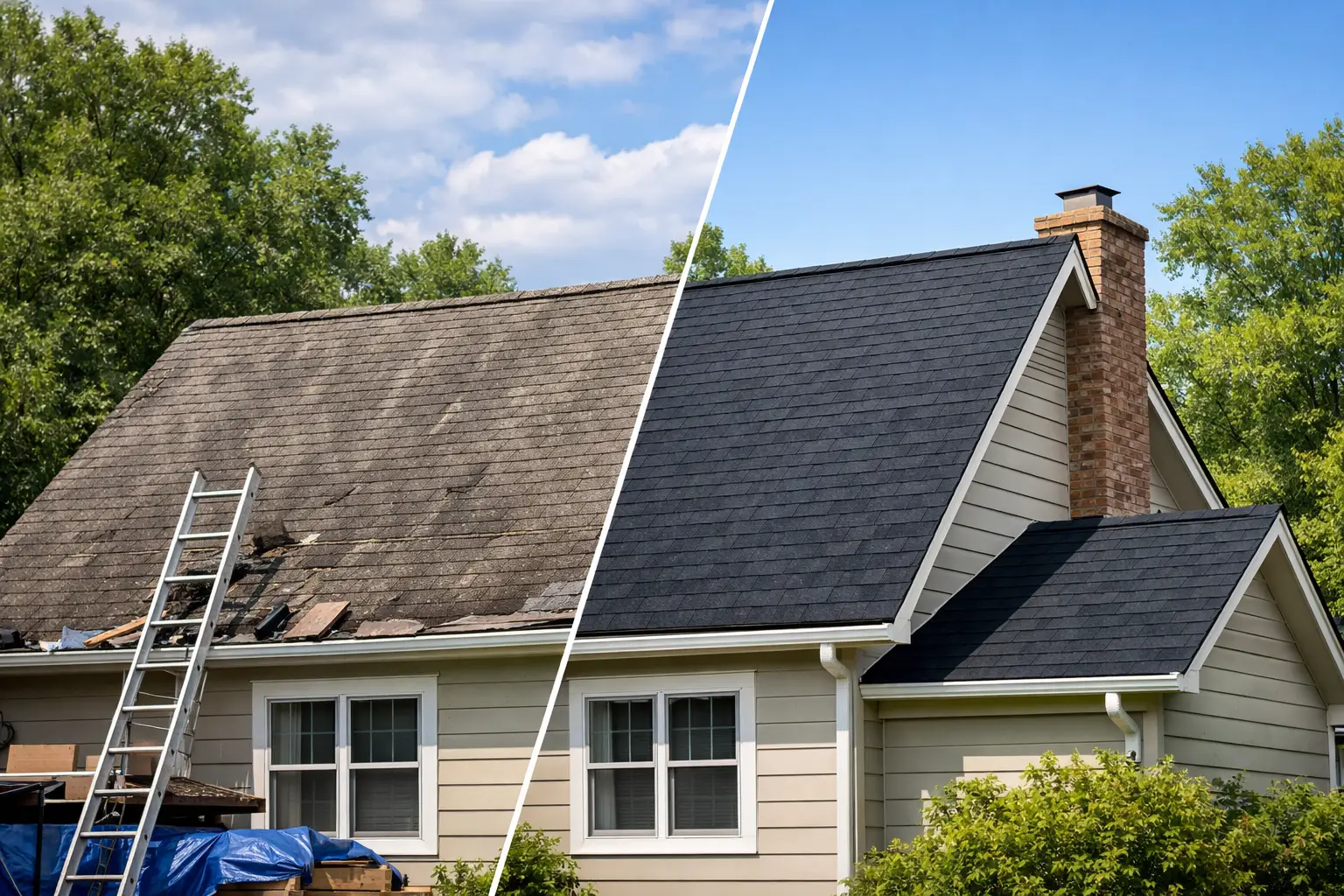
Start by identifying the reason you are replacing siding. Is the current material cracked or loose? Are you seeing rot, moisture staining, peeling paint, or recurring maintenance? Do you want better insulation, a new exterior color, or a coordinated update with windows, gutters, or roofing? Your priorities will help determine where it makes sense to invest.
Next, request an on-site evaluation rather than relying only on online cost calculators. A professional should measure the exterior, inspect visible problem areas, evaluate trim and flashing conditions, and discuss material options that fit the home. A free quote gives you a project-specific starting point and helps you compare scopes fairly.
If the project needs to happen soon but the upfront cost feels difficult, financing can make the investment more manageable. The right plan should support responsible decision-making, not pressure you into selecting materials or work you do not need. A contractor should be willing to explain options clearly and help you prioritize protection first.
When Siding Replacement Should Not Wait
Some siding problems are largely cosmetic, while others can expose the home to more serious damage. Loose or missing panels, visible rot, soft spots, widespread cracking, recurring moisture intrusion, and failing caulk around openings deserve prompt attention. Water that reaches the wall cavity can affect sheathing, insulation, and framing long before it becomes visible inside.
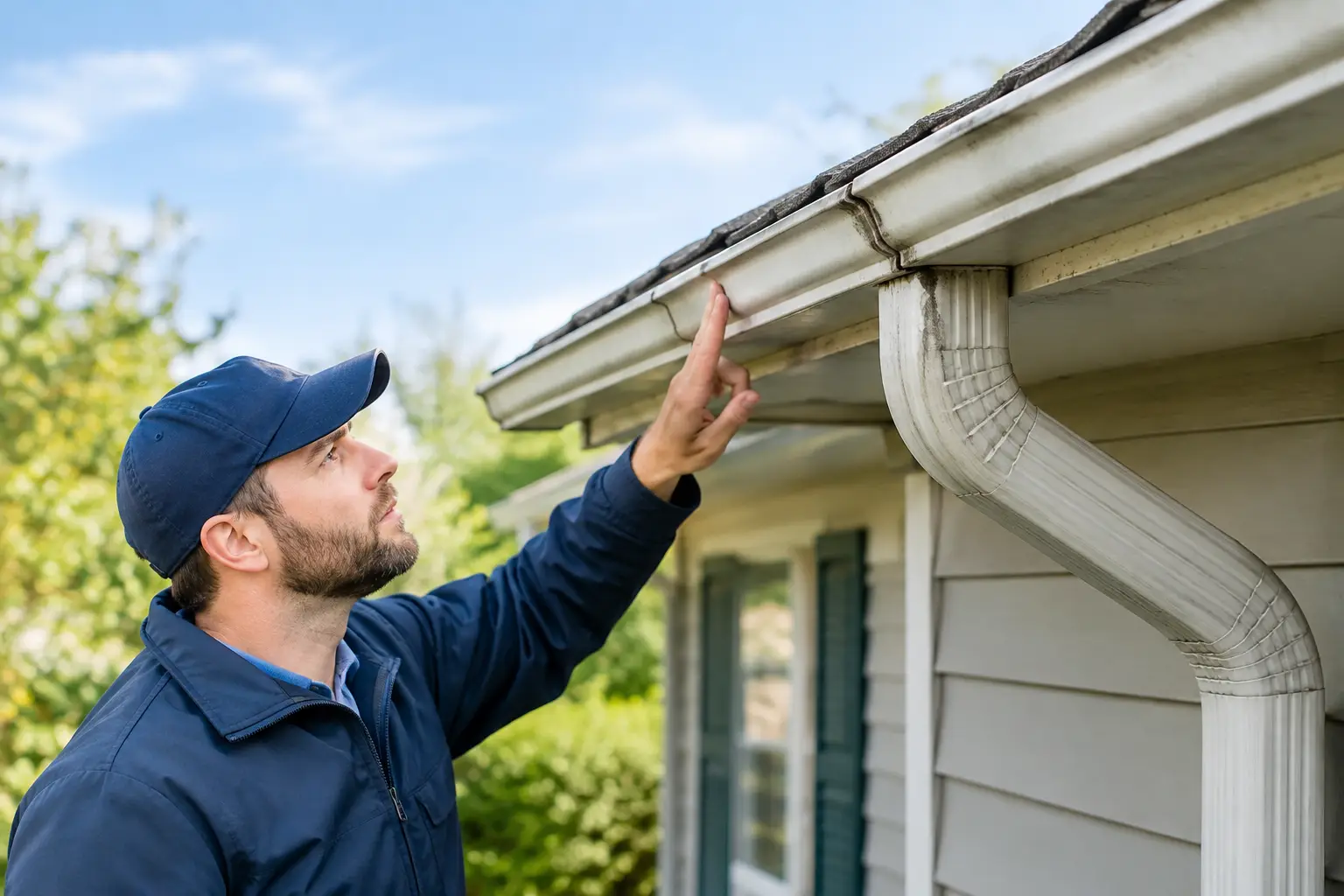
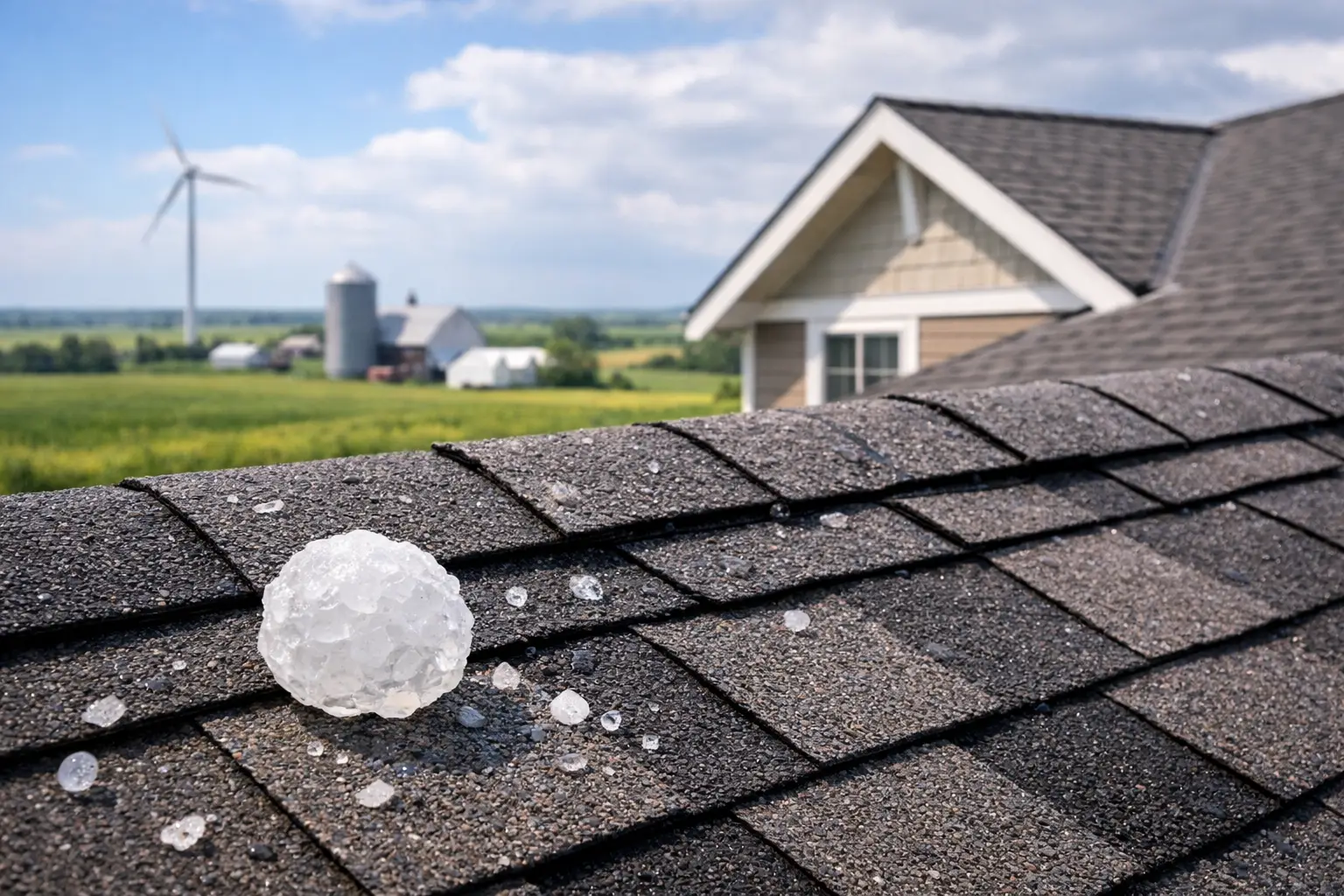
Storm damage also deserves a thorough inspection. High winds can loosen siding, compromise fasteners, and create openings that allow rain to reach vulnerable areas. If your roof, gutters, windows, and siding have all been exposed to severe weather, evaluating them together can prevent one overlooked issue from undermining the rest of the exterior.
Guardian Roofing helps Des Moines homeowners evaluate siding as part of a coordinated exterior protection plan, with clear recommendations built around the home’s condition, style, and long-term needs. The most useful next step is a detailed, no-pressure assessment that shows what your home needs now and what can be planned for later.