A roof can look sound from the driveway while heat and moisture quietly build beneath it. When you inspect roof ventilation as part of routine home maintenance, you have a better chance of catching warning signs before they affect insulation, shingles, wood decking, or indoor comfort. For Des Moines homeowners, that matters through humid summers, freezing winters, heavy snow, and fast-moving storms.
Roof ventilation is not simply a matter of adding more vents. It is a balanced system that allows fresh air to enter near the lower edge of the roof and warm, humid air to leave near the peak. A proper inspection looks at the entire attic and roof system, not just the vents visible from outside.
Why Roof Ventilation Protects More Than Your Attic
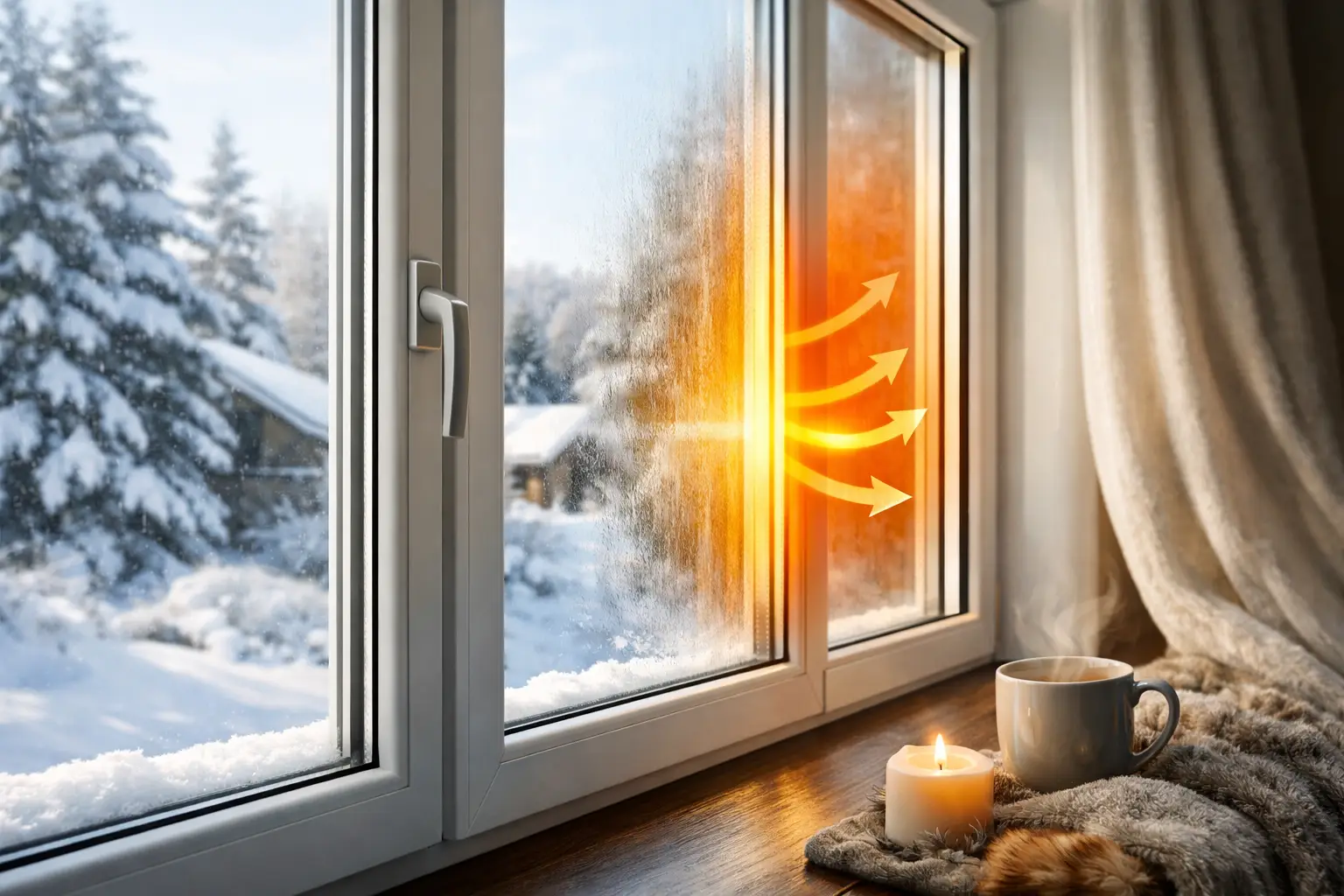
Your attic sits between conditioned living space and the weather outside. In summer, solar heat can drive attic temperatures far above the outdoor temperature. In winter, warm household air can rise into the attic carrying moisture with it. Without a reliable path for that heat and moisture to escape, the attic can become a source of preventable damage.
Poor ventilation may contribute to overheated shingles, premature aging, damp insulation, mold growth, rusty fasteners, and warped roof decking. During an Iowa winter, it can also worsen ice dams. Those ridges of ice form when snow melts on a warm upper roof, then refreezes near colder eaves. Ventilation is only one part of ice-dam prevention, but it works alongside air sealing and insulation to keep roof temperatures more even.
The trade-off is worth understanding: ventilation cannot correct roof leaks, inadequate insulation, or major air leaks from the home. Likewise, adding random roof vents without confirming intake and exhaust balance can create little benefit. The goal is a coordinated system designed for the roof’s shape, attic layout, and roofing material.
How to Inspect Roof Ventilation Safely
Most homeowners can complete a basic visual review from the ground and inside an accessible attic. Do not climb onto a steep, wet, icy, or damaged roof. Roof work carries real fall risks, and walking in an attic can damage ceilings if you step between framing members.
Start Outside at the Roofline
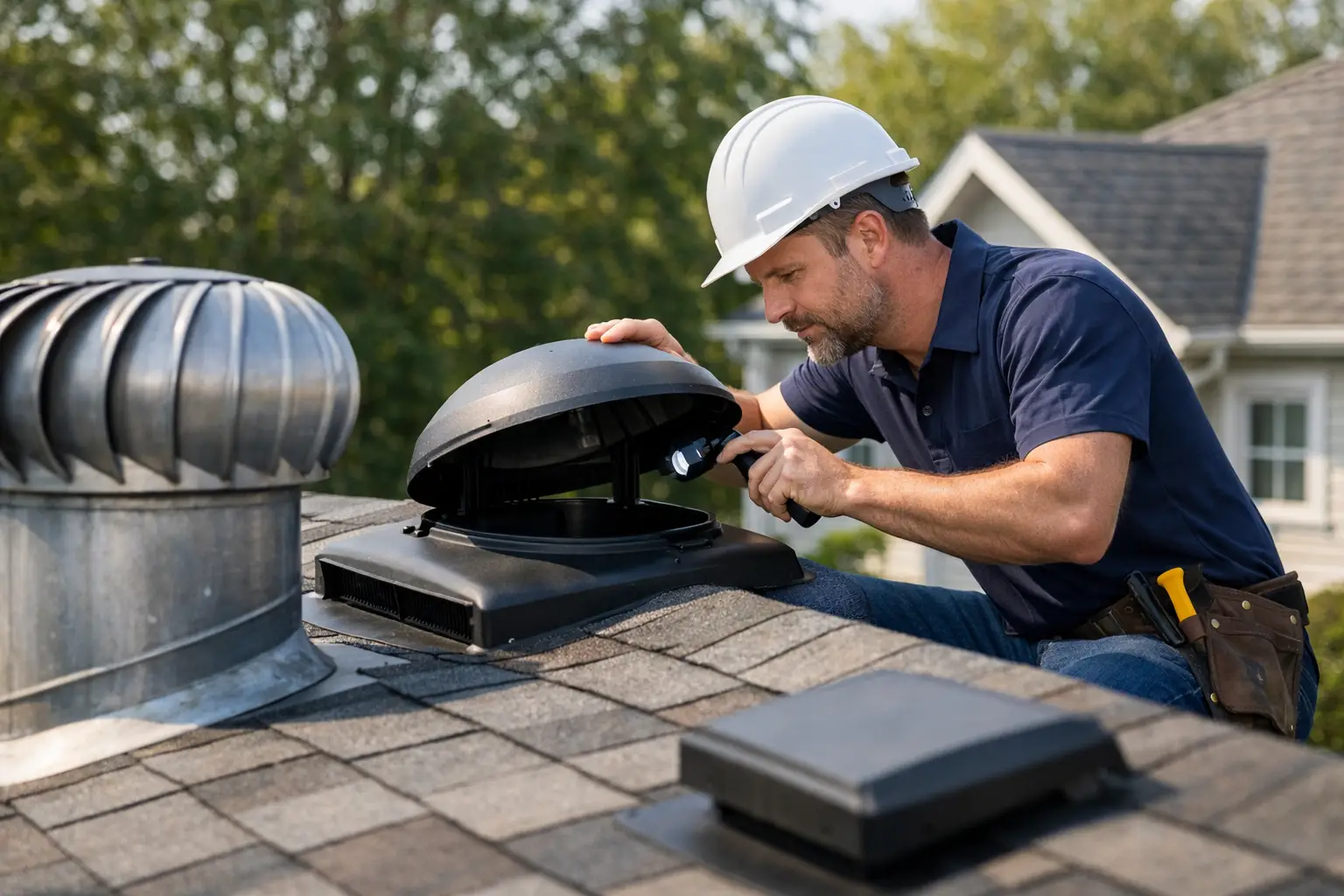
From the ground, look for signs that air can enter at the eaves and exit near the ridge. Intake ventilation is often located in soffits beneath the roof overhang. Exhaust may appear as a continuous ridge vent, box-style roof vents, turbine vents, or gable vents, depending on the home’s design.
Look for blocked or damaged openings. Peeling paint around soffits, sagging trim, visible nests, bent screens, and heavy debris can restrict airflow. If your home has ridge ventilation, check whether the ridge line appears straight and securely capped. Missing shingles, cracked caps, or gaps are roofing concerns that deserve professional attention.
Also look at the roof as a whole. Uneven shingle wear, curling edges, excessive granules around downspouts, or a wavy roof surface do not prove a ventilation problem, but they can indicate an aging roofing system or moisture-related deck damage. A professional inspection can separate normal wear from a condition that needs correction.
Check the Attic on a Mild, Dry Day
Bring a flashlight, wear shoes with good traction, and step only on attic joists or installed walk boards. Begin near the access opening. A strong musty odor, unusually high heat, or air that feels damp is worth noting before you even reach the far side of the attic.
Use the flashlight to inspect the underside of the roof decking, rafters, and insulation. Watch for dark staining, white or gray mold-like growth, wet wood, rusty nail tips, or water marks. In cold weather, frost on the underside of the decking can indicate condensation. It may disappear when temperatures rise, but the underlying moisture issue remains.
Check insulation near the eaves. It should not be packed tightly against the underside of the roof or pushed into soffit openings. Baffles, also called vent chutes, help preserve an air channel from soffit vents into the attic. Without them, insulation can block intake ventilation even when the exterior soffits look perfectly open.
Look for Balanced Intake and Exhaust
A roof needs both sides of the airflow path. Intake ventilation brings outside air in at the soffits. Exhaust ventilation releases rising warm air at or near the roof peak. When one side is restricted, the system cannot perform as intended.
A common issue is having several exhaust vents but limited intake at the eaves. Another is combining different exhaust types, such as ridge vents with gable vents or powered fans, without a roof-specific plan. Air tends to follow the easiest route, so mixed exhaust systems can pull air from another exhaust opening instead of drawing it evenly from the soffits.
The amount of ventilation required depends on the attic’s square footage, insulation placement, roof configuration, and applicable building requirements. That calculation is best handled by a qualified roofing professional, especially during a roof replacement. Proper ventilation should be planned before installation, not treated as an afterthought once shingles are in place.
Warning Signs That Call for a Professional Inspection
Some conditions deserve a closer look even if you cannot identify the exact cause. Schedule a professional assessment if you notice repeated ice dams, attic mold, wet insulation, ceiling stains, persistent musty odors, or unusually high upstairs temperatures during summer.
You should also call for help if shingles are failing earlier than expected, the roof deck feels soft, or ventilation openings appear damaged after a storm. These symptoms can overlap with leaks, flashing failures, insulation gaps, or general roof age. A thorough inspection should evaluate the roof covering, attic conditions, intake, exhaust, insulation, and visible signs of water entry together.
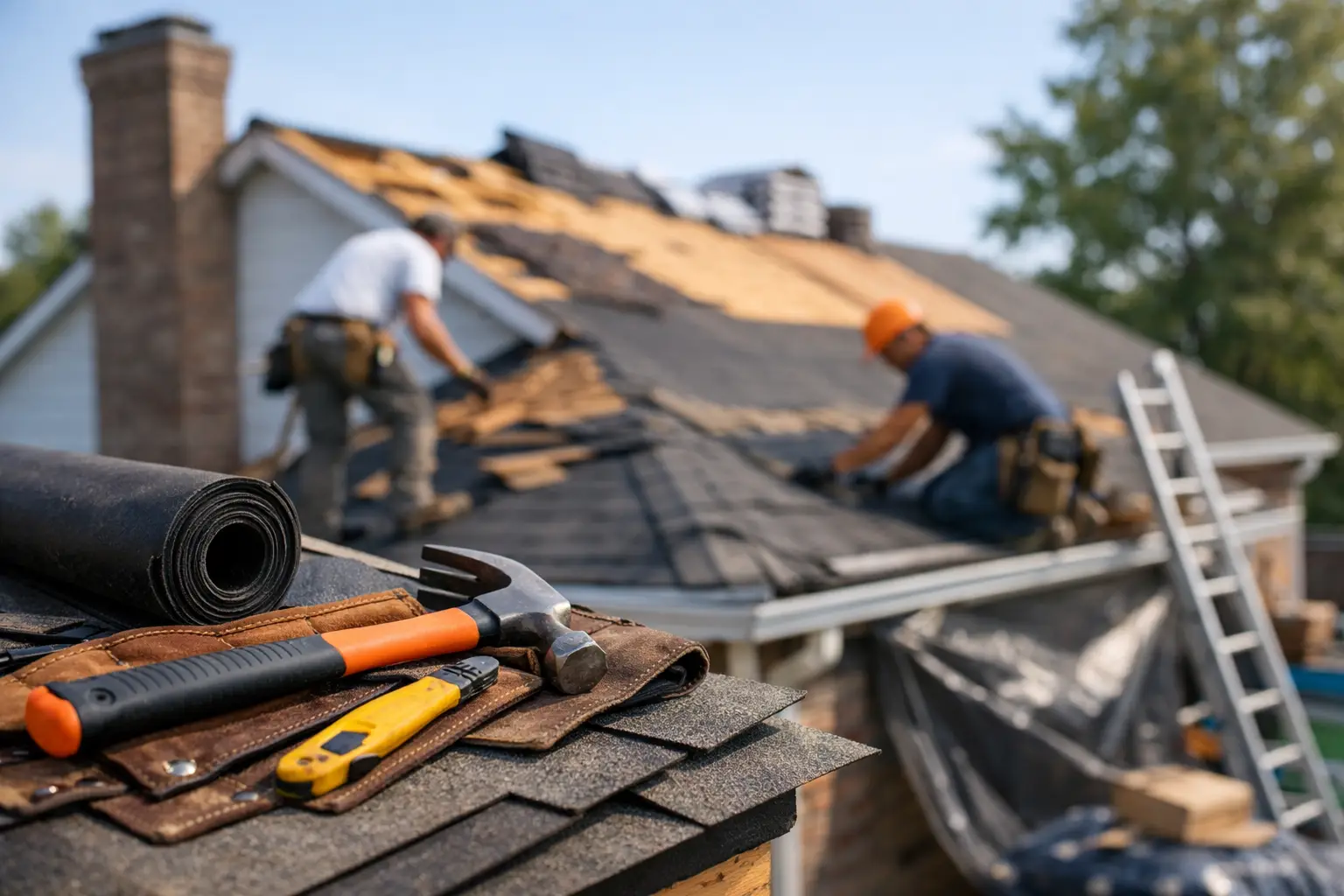
For homeowners considering a replacement, this is an ideal time to inspect roof ventilation in detail. Replacing shingles without addressing blocked soffits, inadequate exhaust, or attic moisture may leave the new roof exposed to the same conditions that affected the old one. A complete roofing recommendation should explain what will be improved, why it matters, and how the ventilation plan fits the selected roof system.
Ventilation Is Part of a Complete Roofing System
Premium shingles and stone-coated steel roofing can provide durable weather protection, but materials perform best when the system beneath them is sound. Decking, underlayment, flashing, ventilation, insulation, gutters, and installation details all affect how your home handles wind, rain, snow, and temperature swings.
That system view is especially valuable in central Iowa. A roof may face severe summer storms, wind-driven rain, snow loads, and long freeze-thaw cycles in the same year. The right ventilation approach depends on the home, not a one-size-fits-all vent count. Homes with complex roof lines, cathedral ceilings, finished attic spaces, or limited soffit area may need a more tailored evaluation.
Guardian Roofing approaches roof replacement as a long-term protection decision, helping homeowners consider material performance, curb appeal, and the details that support the roof over time. A clear inspection gives you the information needed to make that decision with confidence.
A few minutes spent looking for blocked soffits, attic moisture, and damaged roof vents can protect a much larger investment. If anything looks questionable, choose a professional inspection before the next season puts added stress on your home.