A new roof is meant to provide confidence when an Iowa thunderstorm rolls through, snow piles up along the eaves, or summer heat bears down for days. That confidence should come from more than a piece of paper. Roof warranties can be valuable protection for your investment, but only when you understand what they cover, who stands behind them, and what responsibilities remain with you as the homeowner.
The word “lifetime” can sound simple, yet roofing coverage is rarely one-size-fits-all. The material warranty, installation warranty, and possible enhanced system coverage can each protect different parts of the roof. Knowing the difference before installation helps you compare proposals on more than price alone.
The Two Types of Roof Warranties That Matter Most
Most homeowners will encounter two primary forms of protection: a manufacturer warranty and a workmanship warranty. Both matter. Neither is a replacement for the other.
A manufacturer warranty addresses defects in the roofing materials themselves. If shingles fail prematurely because of a manufacturing issue, or a qualifying steel roofing component has a defect, the material manufacturer may provide coverage under the terms of its warranty. The length and scope of coverage vary by product, and the written terms control what is included.
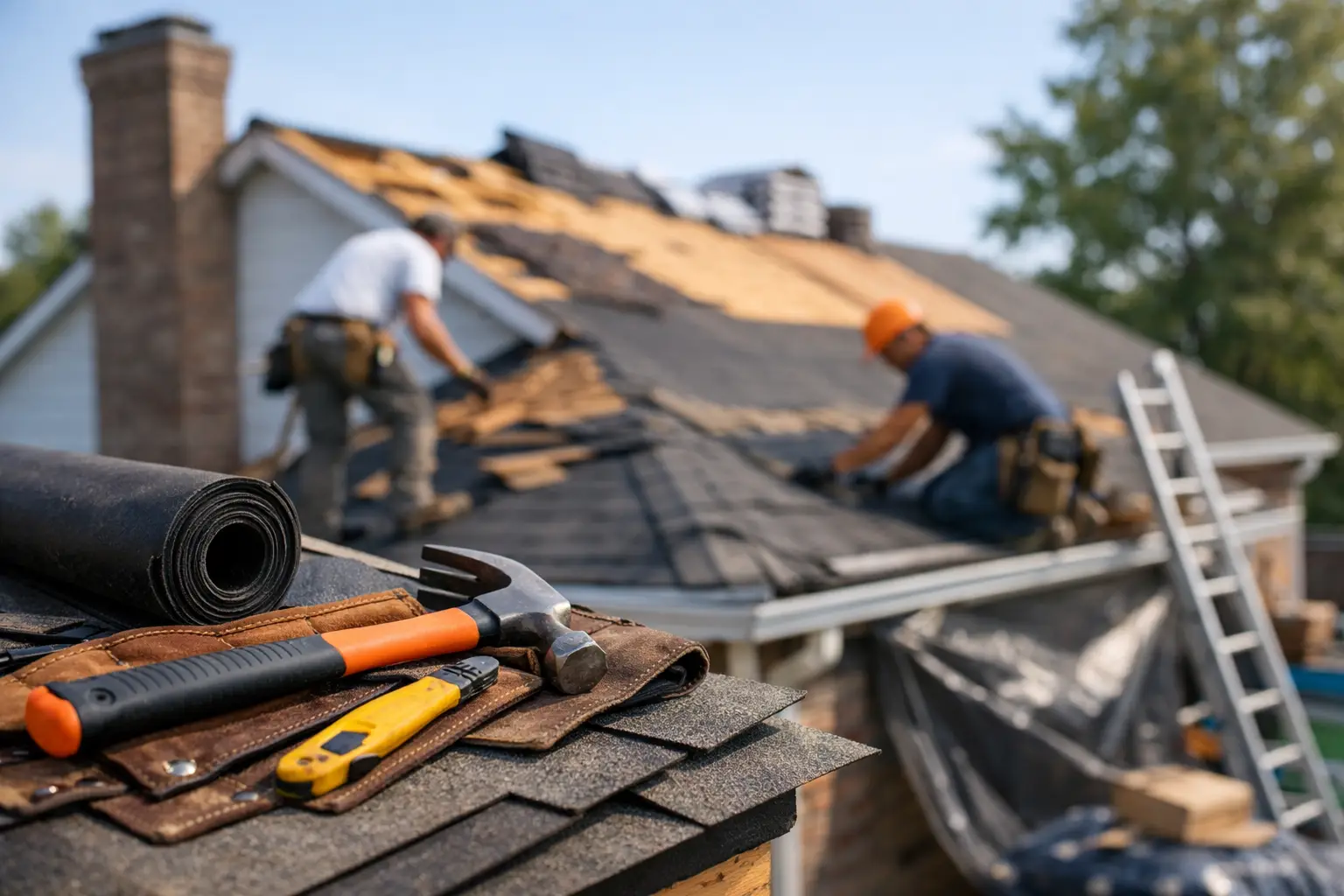
A workmanship warranty comes from the roofing contractor. It addresses problems caused by installation errors, such as improper flashing details, incorrectly installed ventilation components, or fastening issues. Roofing materials can be excellent, but even premium products need skilled installation to perform as designed through wind, rain, snow, and changing temperatures.
For a homeowner, the practical question is straightforward: if a leak develops, will the cause be investigated clearly and handled by a contractor who takes responsibility for the work? A dependable installer provides a clear answer and stands behind the completed system.
Why Roof Warranties Are Not All the Same
Warranty language may look similar from one proposal to another, but the details can be very different. A long material warranty is meaningful only within its conditions. It may cover specific defects while excluding damage caused by severe weather, poor attic ventilation, structural movement, or work completed by another trade after the roof is installed.
Some warranties also provide different levels of coverage over time. Early years may include more complete material replacement protection, while later years may be prorated. Under a prorated warranty, the manufacturer’s contribution can decline as the roof ages. That does not make the warranty unhelpful, but it is worth understanding before you make a long-term investment.
Transferability is another point to review. If you sell your home, a transferable warranty may add confidence for a buyer. However, transfers can require paperwork, deadlines, fees, or one-time registration. Do not assume the next homeowner automatically receives the same coverage you did.
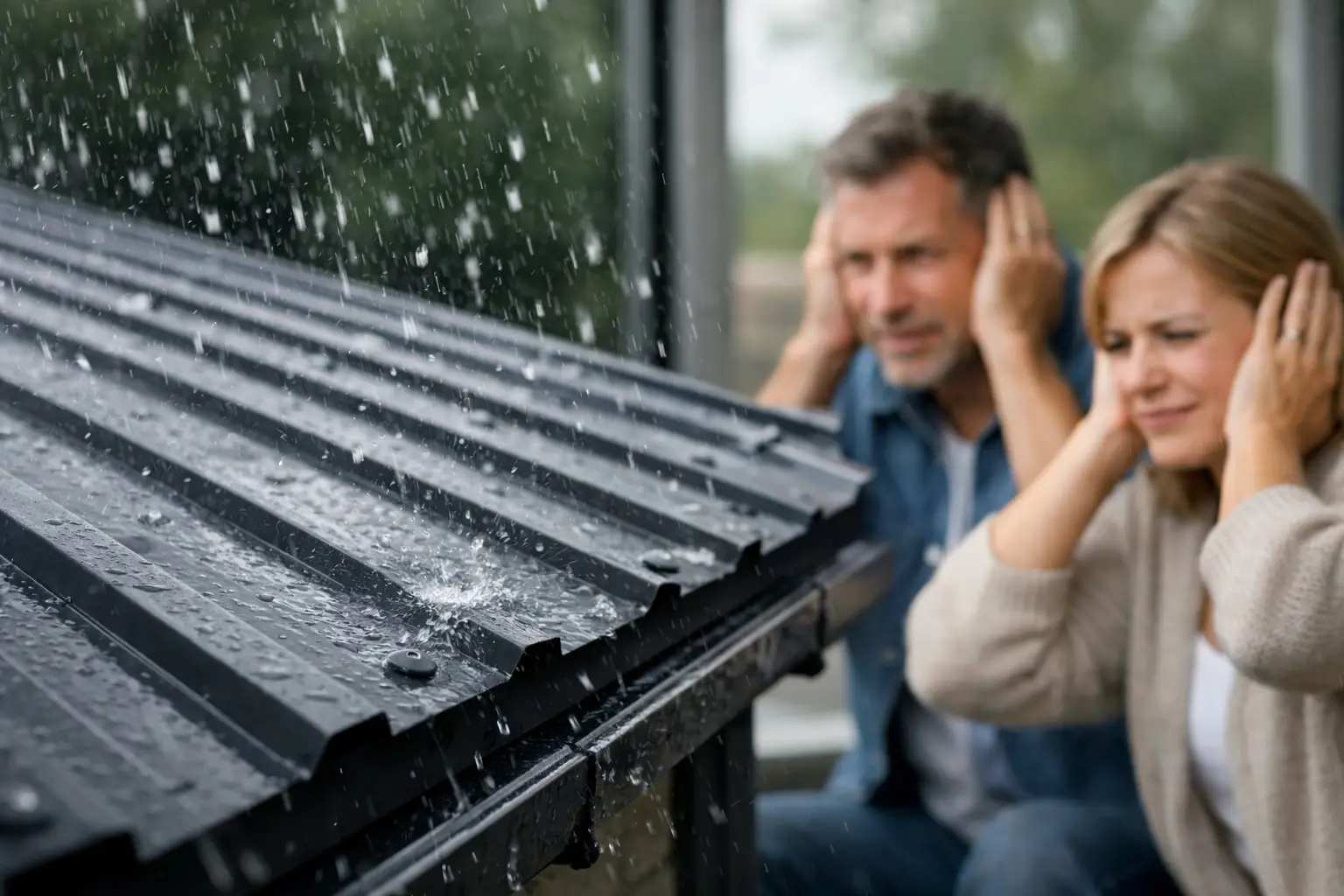
For Des Moines homeowners, weather exclusions deserve close attention. A warranty generally does not function as insurance against hail, wind-driven debris, falling limbs, or other storm damage. Homeowners insurance may be the appropriate source of protection for those events. A warranty is designed to address qualifying material defects or workmanship issues, not every problem a roof can face.
What a Strong Roofing System Warranty Supports
The best protection starts with the roof system itself. Roofing is not just shingles or steel panels. It includes underlayment, flashing, ventilation, fasteners, edge protection, and the details around valleys, chimneys, skylights, and walls. When these components work together, they help direct water away from vulnerable areas and support long-term performance.
This is why the lowest installation price can become expensive later. A proposal may appear similar on the surface while omitting critical components or relying on less durable materials. Ask what is included in the complete system, not simply what product is visible from the street.
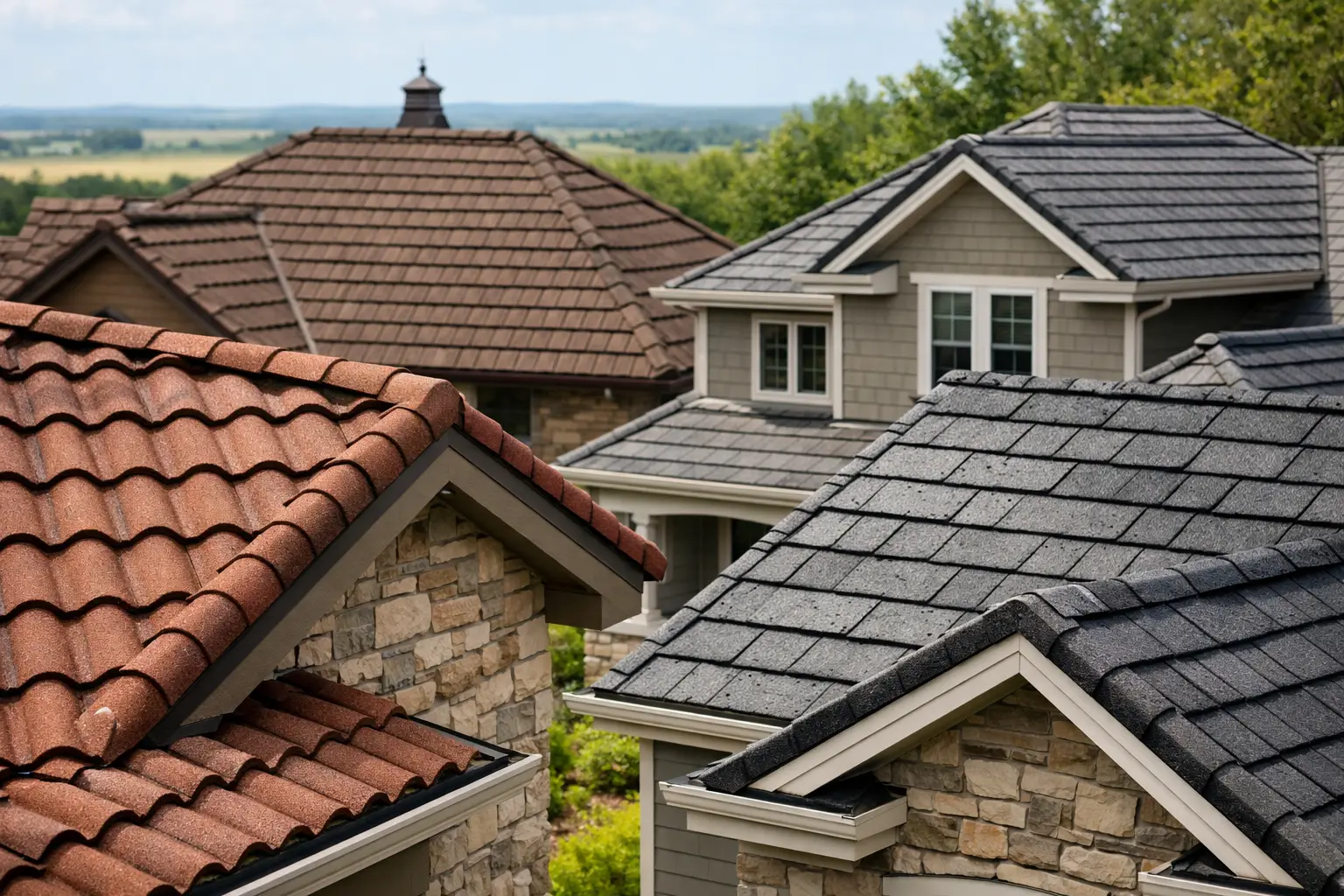
Dual-layer asphalt shingles can offer an attractive balance of style, color selection, and dependable protection. Stone-coated steel roofing offers another long-term option, combining the strength of steel with architectural profiles that complement a range of home styles. The right choice depends on your home, budget, design preferences, and plans for the property. The warranty should be considered alongside each of those factors, not treated as the only reason to choose a material.
Questions to Ask Before You Sign a Roofing Contract
A professional roofing proposal should make warranty coverage easier to understand, not harder. Before moving forward, ask the contractor to explain the written warranty in plain language. You deserve to know who provides it, how long it lasts, and what steps are required to preserve coverage.
It is especially helpful to ask whether the contractor is authorized or certified to install the selected product. Some enhanced manufacturer warranties are available only when approved contractors install a full qualifying system. That may provide stronger protection than a standard material warranty, though eligibility depends on the manufacturer and product line.
You should also ask how warranty claims are handled. Will the contractor inspect the concern first? Who determines whether the issue is material-related, installation-related, or caused by storm damage? A company with local experience should be prepared to walk you through that process instead of leaving you to sort it out alone.
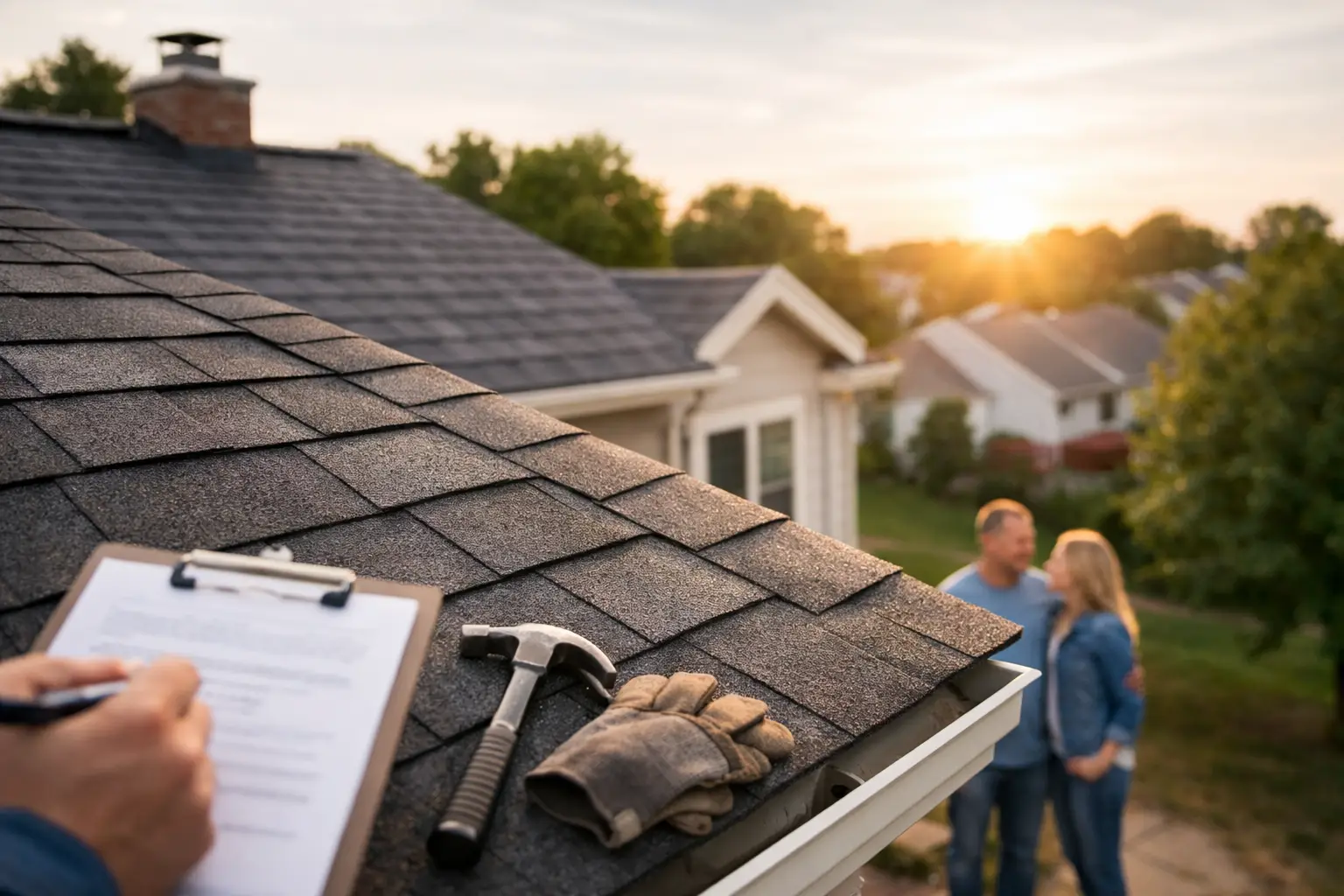
Keep copies of the signed contract, final invoice, product information, warranty documents, and any registration confirmation. Photograph the completed roof and save records of repairs or exterior work performed later. Those simple records can be useful if a question arises years from now.
Protecting Your Coverage After Installation
A warranty does not remove the need for reasonable roof care. Homeowners do not need to climb onto the roof for routine inspections, and doing so can create a safety risk. But paying attention from the ground and scheduling professional evaluations when needed can help identify concerns early.
Keep gutters flowing, especially after spring storms and autumn leaf drop. Water that backs up at the roof edge can create problems that have nothing to do with a product defect. Trim branches that rub against the roof or could fall during high winds. If you notice missing materials, lifted flashing, interior water stains, or granules collecting near downspouts, arrange an inspection promptly.
Be cautious when other work is done on your home. Satellite installations, solar projects, chimney repairs, siding work, and HVAC modifications can affect roofing components if they are not handled carefully. Damage created by a third party may not be covered under the original roofing warranty. Make sure any contractor working near the roof understands how to protect the existing system.
Choosing Protection That Fits Your Home
There is no single “best” warranty for every Des Moines property. A homeowner planning to stay for decades may place greater value on a premium material system and long-term coverage. Someone preparing to sell may prioritize curb appeal, a transferable option, and documentation that reassures prospective buyers. A roof with complex slopes, valleys, or penetrations may benefit from especially careful attention to workmanship coverage and flashing details.
Guardian Roofing approaches this decision as a conversation about your home’s needs, not a quick product comparison. The goal is to match the right roofing system with the level of protection, appearance, and budget that makes sense for your household. A free quote gives you the opportunity to review the materials, installation scope, and warranty options before committing.
A roof warranty is most valuable when it is paired with quality materials, careful installation, and a contractor ready to stand behind the work. Ask clear questions, keep your records, and choose a roofing partner who treats your home’s protection as a long-term responsibility.