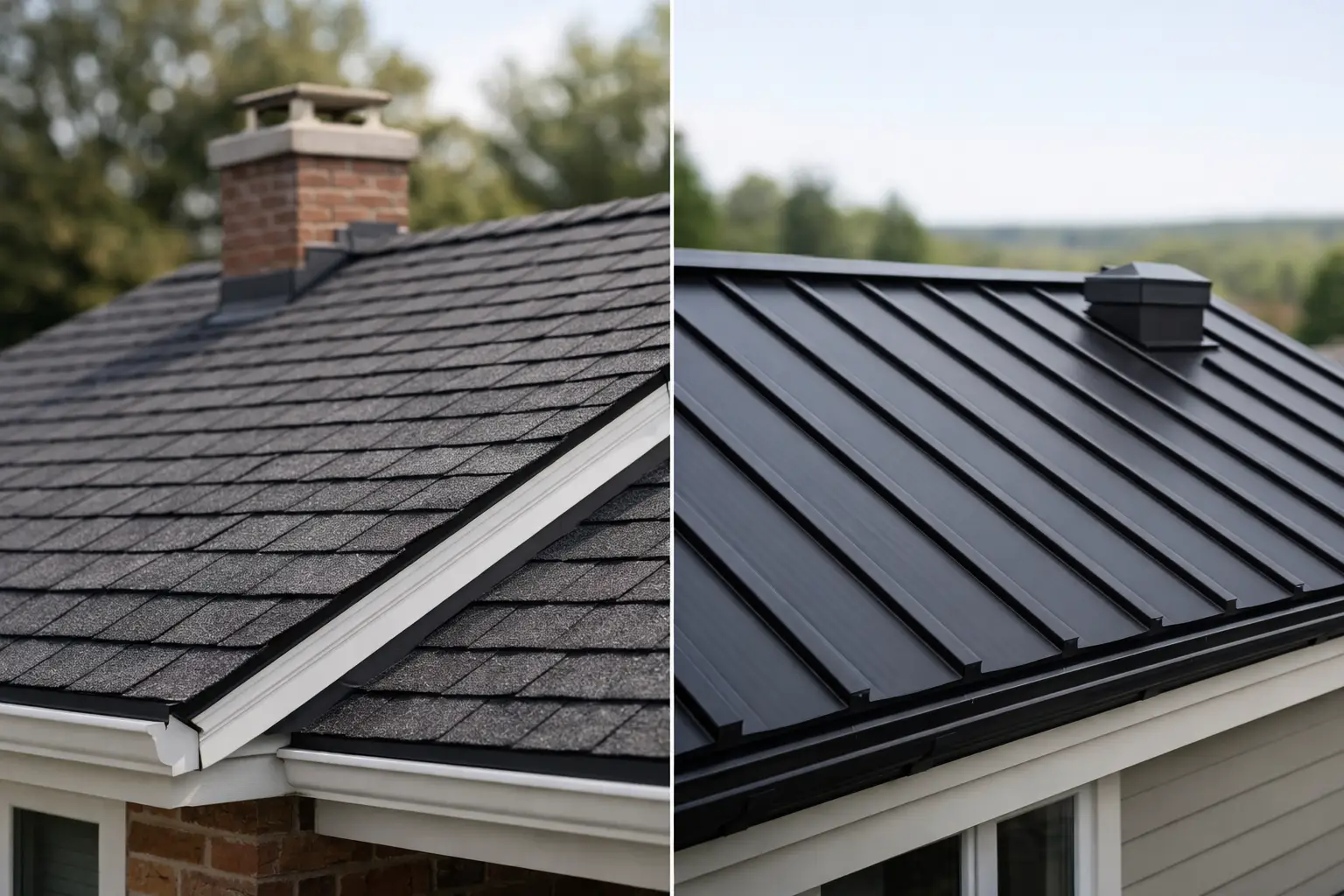
A roof replacement is more than a color decision. For Iowa homeowners, it is a decision about what stands between their home and high winds, hail, heavy rain, snow, and sharp temperature swings. When comparing asphalt shingles versus steel roofing, the better choice depends on your budget, the condition of your home, the look you want, and how long you expect your next roof to serve you.
Both materials can provide dependable protection when they are installed correctly. The real difference is how each system approaches value: asphalt shingles generally offer a lower initial investment and broad design flexibility, while steel roofing is built around long-term durability and resistance to severe weather.
Asphalt Shingles Versus Steel Roofing at a Glance
Asphalt shingles remain a popular choice because they are familiar, attractive, and accessible for many replacement budgets. Modern dual-layer shingles provide more depth, durability, and visual dimension than basic single-layer options. With a wide range of colors and styles available, they can complement traditional ranch homes, colonials, newer construction, and nearly everything in between.
Steel roofing has a different advantage. A quality stone-coated steel system is designed to deliver lasting protection while giving homeowners more architectural character than the standing-seam metal roofs many people picture. Steel can be formed into profiles that resemble shingles, shake, tile, or other classic roofing styles, helping homeowners gain premium performance without sacrificing curb appeal.
Neither option is automatically right for every property. A homeowner planning to sell soon may prioritize the lower upfront cost and fresh appearance of shingles. A homeowner who plans to stay for decades, or who is tired of repeated storm-related roofing concerns, may see greater value in steel.
Initial Cost and Long-Term Value
The first question for most homeowners is straightforward: What will it cost? Asphalt shingles typically cost less to install than a premium steel roofing system. That lower entry point can make shingles a practical solution for an aging roof, a home being prepared for sale, or a household with a defined replacement budget.
Steel roofing usually requires a higher initial investment. The materials, system design, and installation requirements are more specialized. However, the purchase price should not be viewed in isolation. A steel roof may reduce the likelihood of premature replacement and can offer stronger resistance to weather conditions that often shorten the service life of conventional roofing.
Long-term value also includes curb appeal, maintenance needs, possible insurance considerations, and the confidence that comes from investing in a durable exterior system. For a homeowner who expects to remain in the home for many years, spending more at the beginning can make sense. For another homeowner, a high-quality dual-layer asphalt shingle may be the responsible choice because it meets the home’s needs without stretching the budget.
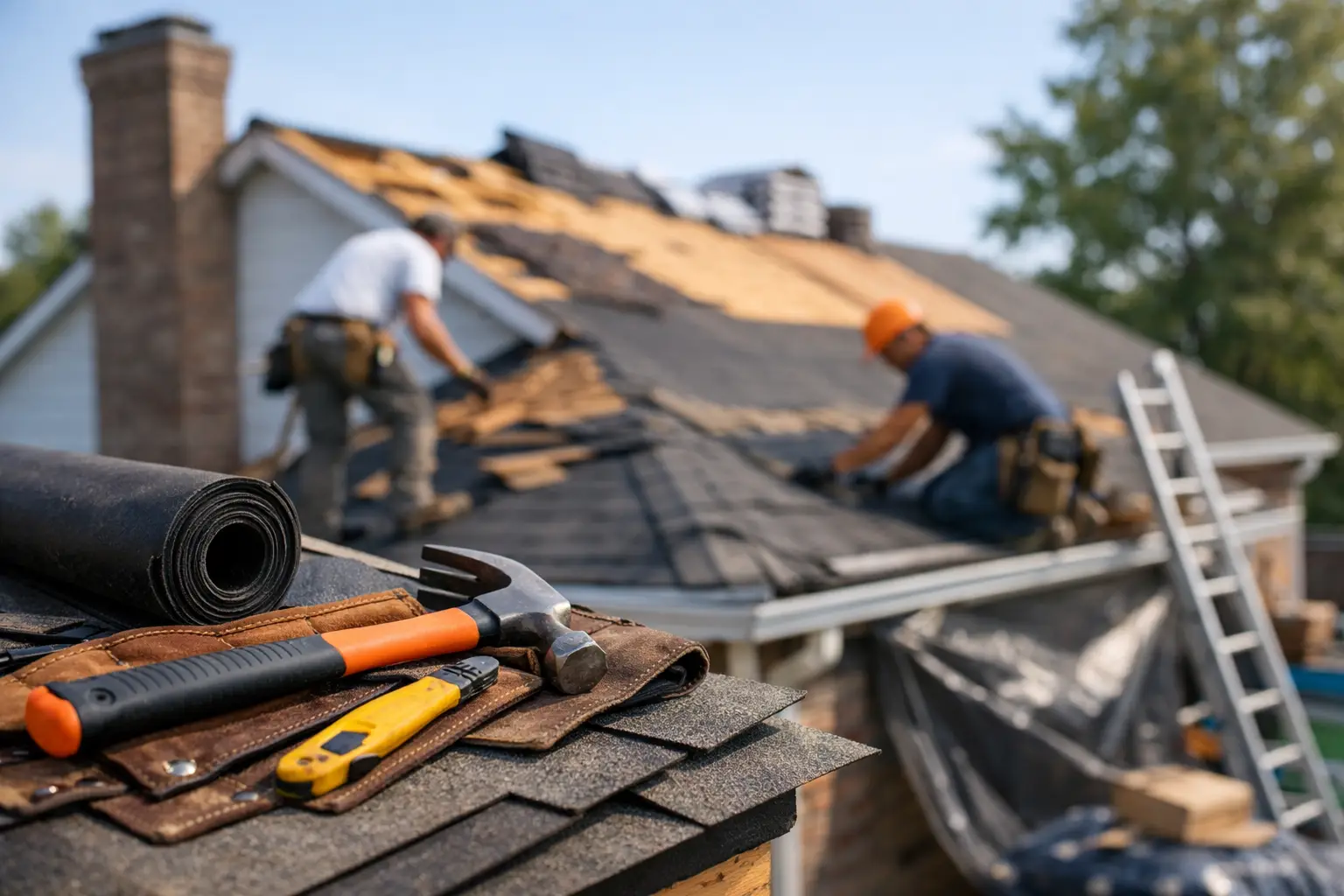
A clear, itemized estimate is the best way to compare the two. It should account for tear-off work, decking repairs if needed, ventilation, flashing, underlayment, and the details that allow any roof system to perform as intended.
Storm Protection for Iowa Weather
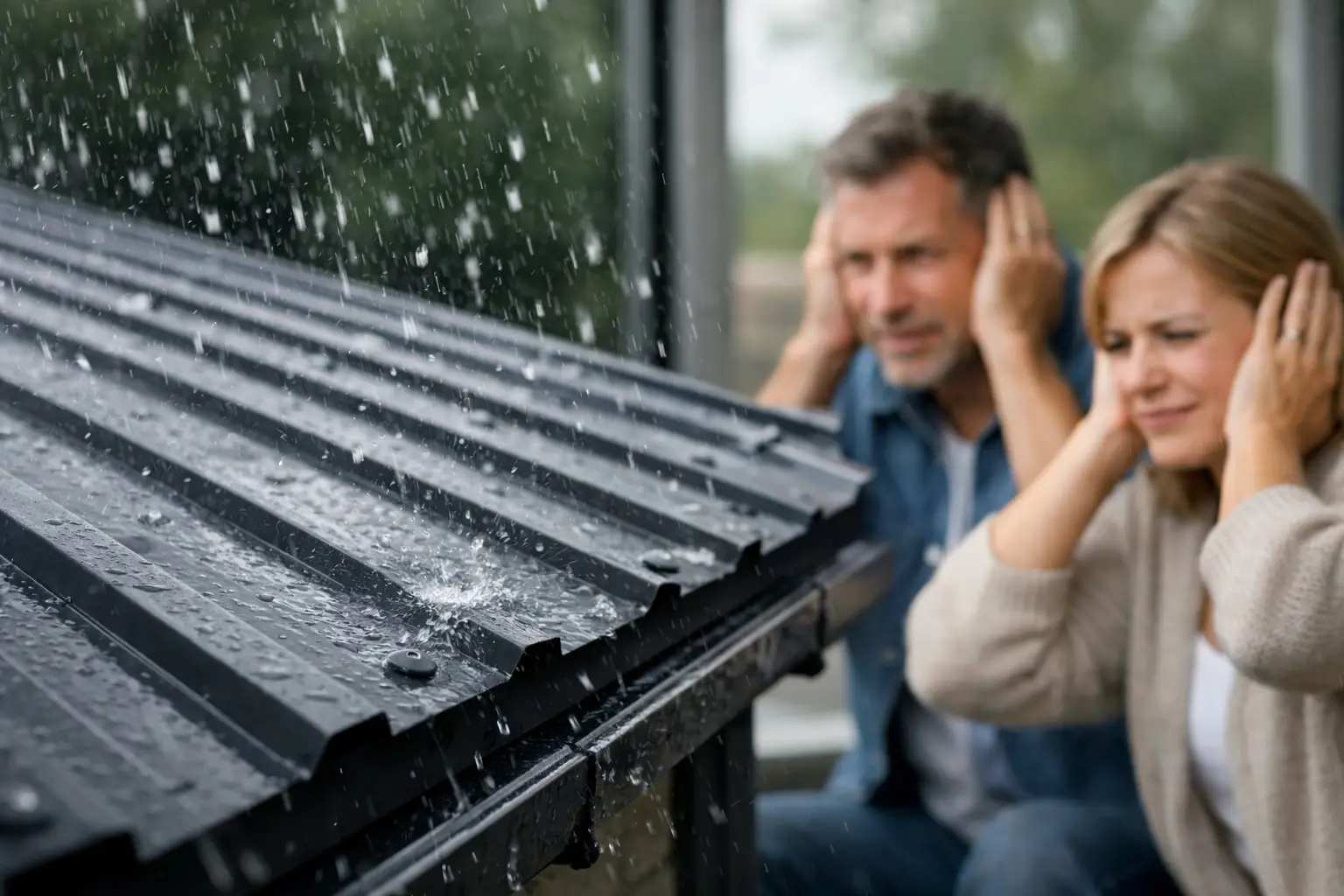
Des Moines-area roofs must handle more than ordinary rainfall. Spring and summer storms can bring wind-driven rain and hail. Winter adds snow, ice, and repeated freeze-thaw cycles. These conditions make material quality and installation workmanship equally important.
Dual-layer asphalt shingles offer dependable protection and are available in products designed for enhanced wind performance. Their layered construction adds strength and a more dimensional appearance. Still, shingles have individual edges and tabs, which can be vulnerable when extreme winds lift or damage sections of the roof.
Steel roofing is known for strength and impact resistance. A stone-coated steel roof is a continuous, engineered system with secure fastening designed to stand up to demanding conditions. It does not make a home invulnerable to every storm, but it can be an especially compelling option for homeowners who want a roof built for long-term resilience.
The roof is only one part of the protection equation. Flashings around chimneys, skylights, valleys, vents, and wall transitions need careful attention. So do gutters and drainage. Even the best roofing material cannot compensate for poor installation or neglected water management.
Appearance and Architectural Fit
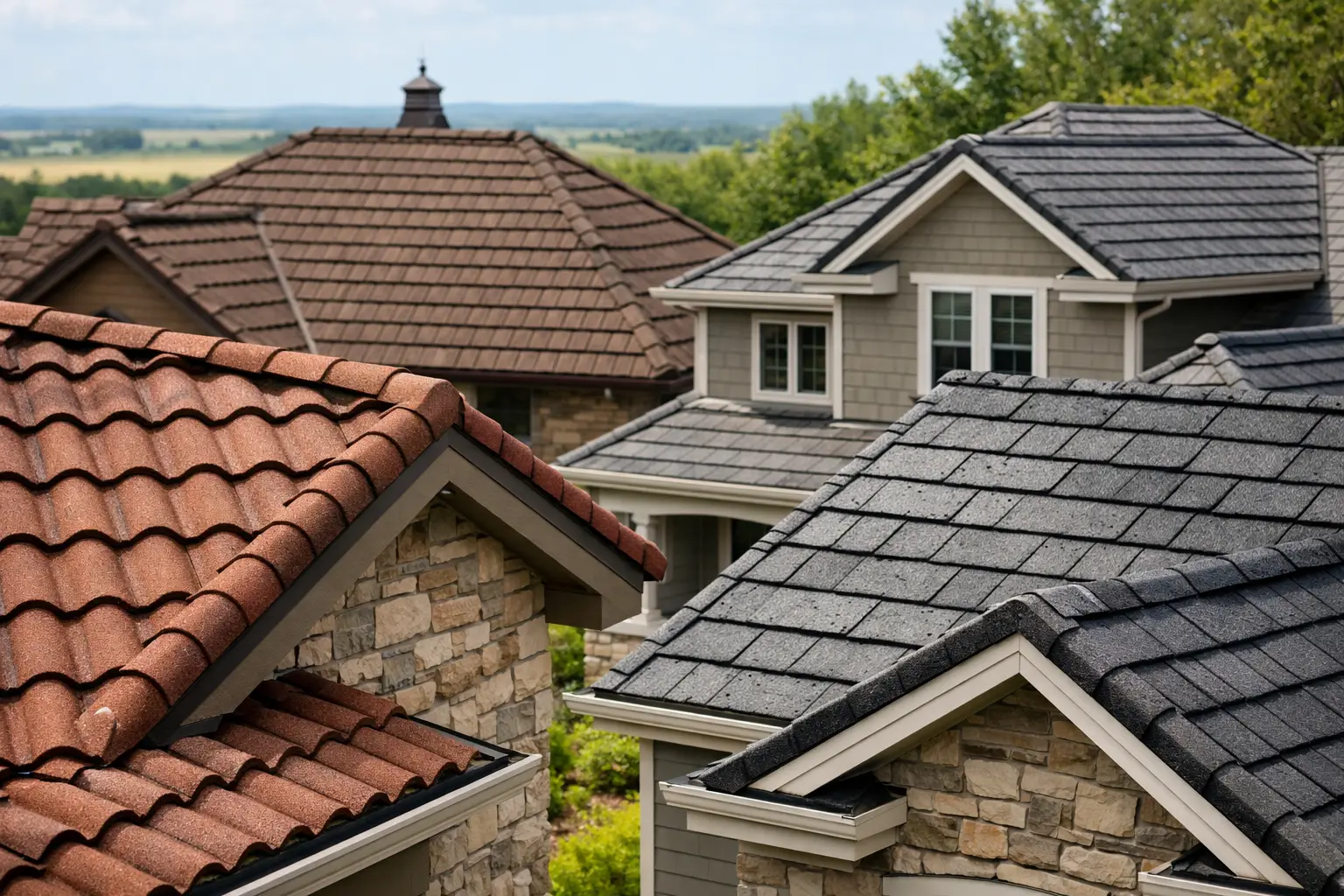
Some homeowners choose asphalt because they want an established, traditional look. That is a fair reason. Asphalt shingles are available in a broad palette of colors, from classic charcoal and weathered wood tones to warmer browns and blended shades. They can refresh a home’s exterior without making the roof the dominant feature.
Steel offers more visual choices than many homeowners expect. Unified Steel stone-coated roofing is available in five architectural profiles, allowing a roof to take on the appearance of shake, tile, shingle, or other distinctive styles. The stone-coated surface adds texture and helps create a refined residential appearance rather than an industrial one.
When choosing color and profile, consider the full exterior. Brick, siding, trim, shutters, windows, and gutters should work together. A roof occupies a large portion of what people see from the street, so the right material can make a home look more intentional, well maintained, and valuable.
Maintenance, Repairs, and Daily Living
No roof is completely maintenance-free. Asphalt roofs should be inspected periodically for missing, cracked, curling, or damaged shingles, especially after a major storm. Localized repairs may be possible, although matching older shingles can become harder as colors fade or product lines change.
Steel roofing generally requires less routine concern over cracking or curling. Its durable surface and interlocking system are designed for long service. Homeowners should still keep gutters clear, watch for tree damage, and schedule a professional inspection after significant storm events.
Snow behavior is another practical difference. Snow may shed from steel more readily than it does from asphalt, depending on roof pitch and conditions. That can help prevent heavy buildup, but it also means homeowners should think about areas below the roofline, including walkways, doors, patios, and landscaping. Proper planning around gutters, snow retention where appropriate, and drainage is part of a well-designed steel installation.
Energy Performance and Comfort
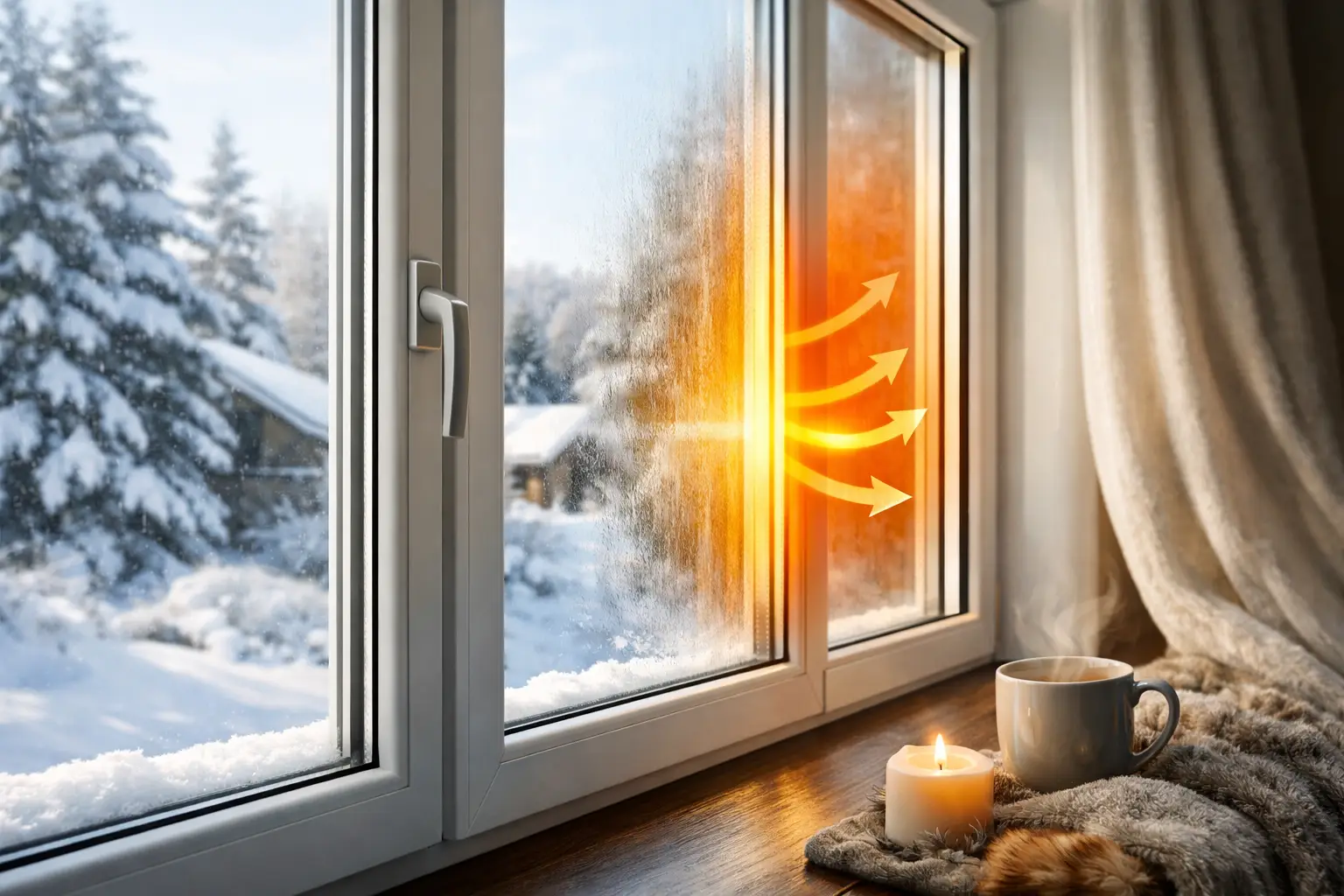
Roofing affects the home’s exterior envelope, but it is not the only factor controlling energy use. Attic insulation, ventilation, air sealing, windows, and the home’s overall construction matter greatly. A new roof is an ideal time to evaluate these related components rather than treating them as separate issues.
Steel can reflect a portion of solar heat, particularly in lighter colors and appropriate finishes. Asphalt shingles can also perform well when paired with effective attic ventilation and insulation. Homeowners should focus on the whole system: a properly ventilated attic helps manage heat and moisture, supporting comfort and helping protect the roof structure beneath the covering.
Which Roofing Material Fits Your Plans?
Asphalt shingles may be the better fit if you want a dependable roof at a more manageable initial cost, value broad color selection, or need an attractive replacement that aligns with a shorter ownership timeline. A premium dual-layer shingle can be a substantial upgrade from an aging or damaged roof.
Steel roofing may be the stronger fit if your priority is exceptional durability, storm resistance, distinctive architectural styling, and long-term ownership value. It is particularly worth considering for homeowners who want to make one carefully planned exterior investment rather than face another replacement sooner than expected.
The best choice should also reflect your roof’s slope, the home’s design, local tree cover, prior storm history, and the condition of connected exterior elements. A roof replacement can reveal opportunities to improve gutters, siding, windows, and ventilation so the home is protected as one coordinated system.
Guardian Roofing helps Des Moines homeowners compare these options in practical terms, with recommendations based on the home rather than a one-size-fits-all sales approach. A free quote can clarify the real cost, available styles, installation scope, and financing options before you commit.
Your roof should let you watch an Iowa storm from inside with confidence, not wonder what the next gust of wind will expose. Choose the system that protects your home, suits your plans, and gives you confidence each time you pull into the driveway.