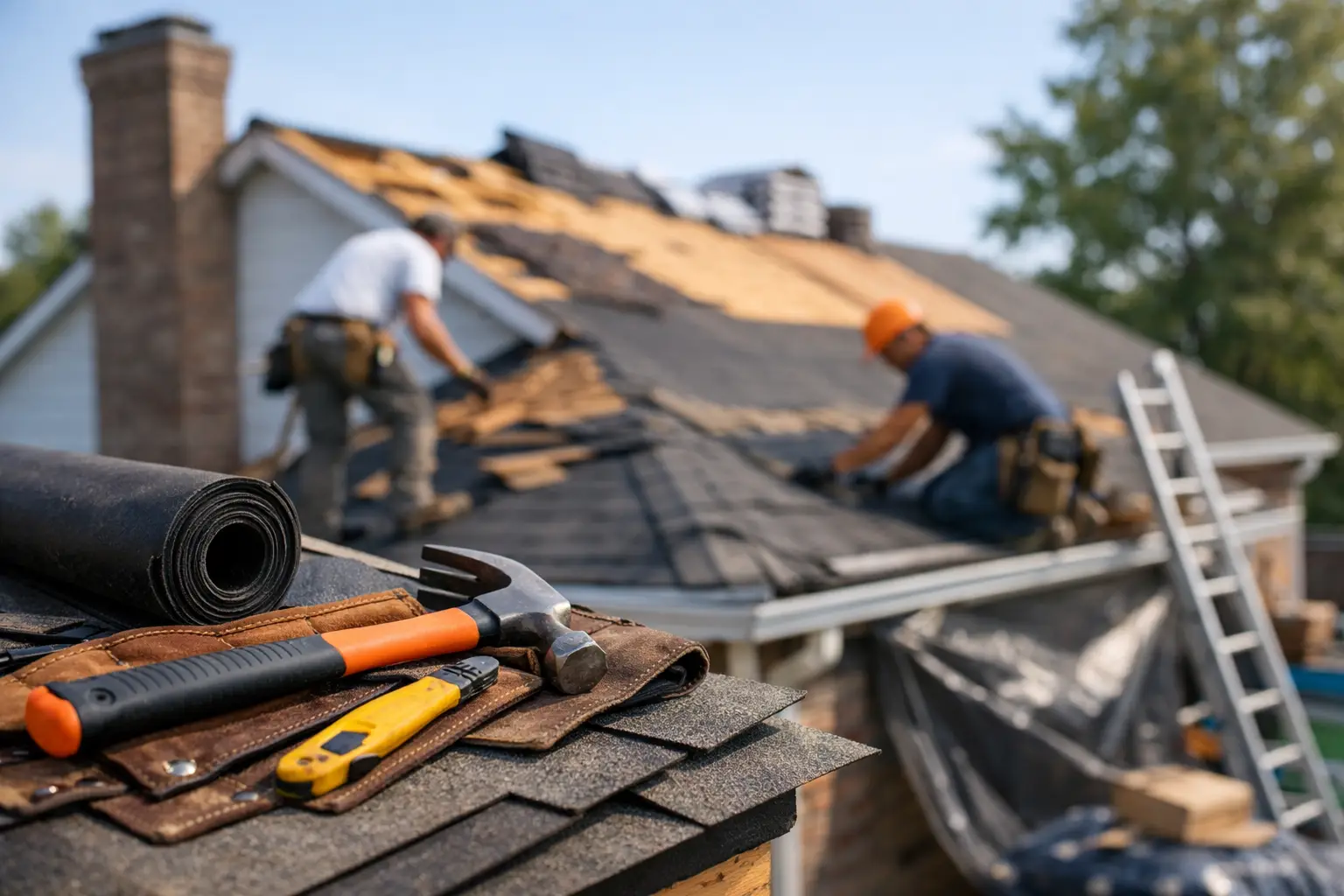
A roof rarely fails at a convenient time. A leak after a spring storm, missing shingles after high winds, or an aging roof nearing the end of its service life can turn a planned home improvement into an urgent decision. The right roofing financing options can help Des Moines homeowners address the problem promptly without choosing a lower-quality system simply because of the immediate cost.
A new roof is more than a line item in a household budget. It protects the structure beneath it, helps preserve curb appeal, and can prevent small water issues from becoming expensive interior repairs. Financing should support that long-term protection, not add confusion or pressure to an already significant decision.
Start With the Scope of the Roof Project
Before comparing payment options, get a clear understanding of what your home needs. The cost of a roof replacement can vary based on roof size, pitch, tear-off requirements, ventilation, decking repairs, material selection, and the complexity of features such as valleys, chimneys, skylights, and dormers.
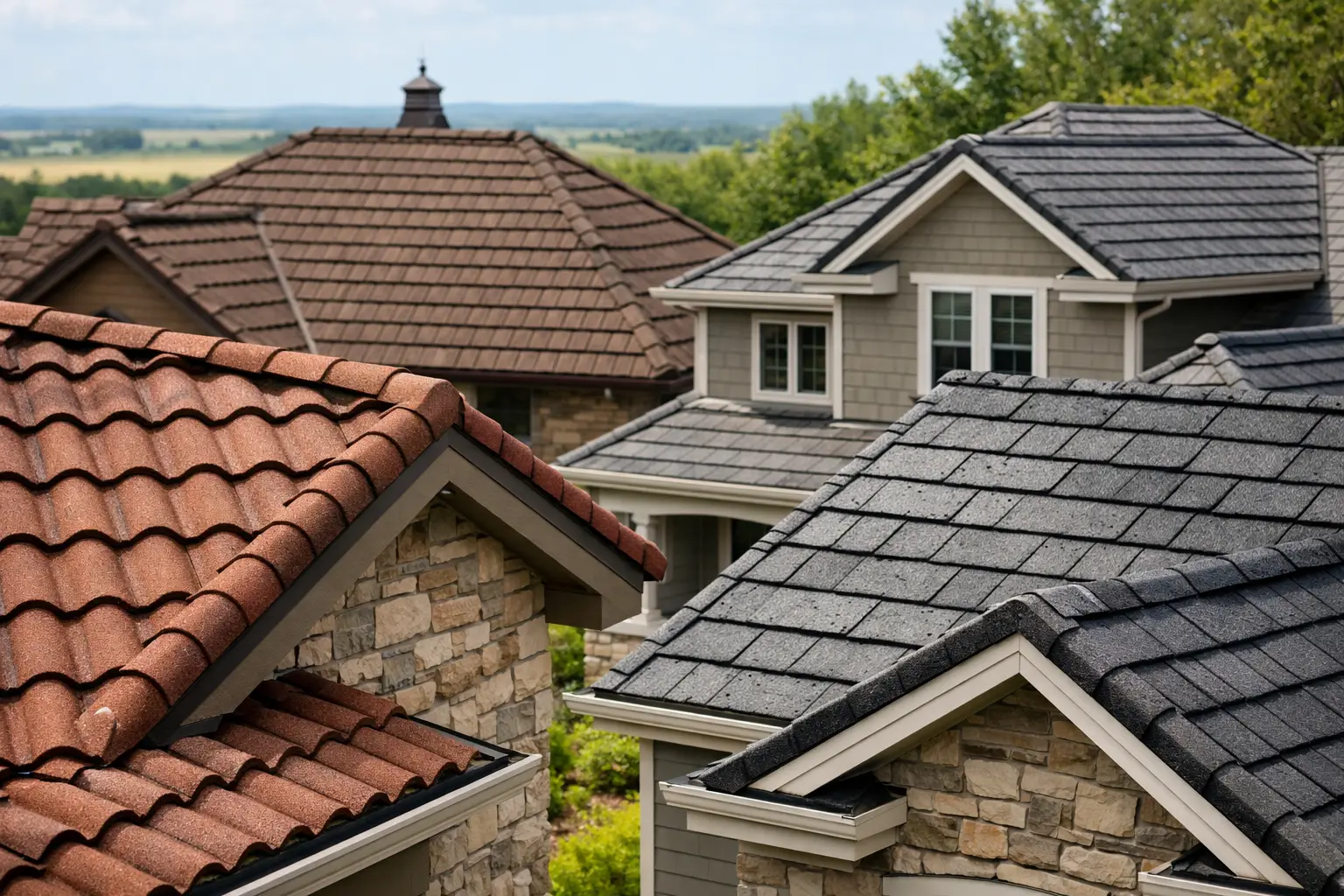
Material choice matters as well. Dual-layer asphalt shingles can provide dependable protection and broad color choices at a familiar price point. Stone-coated steel roofing is a premium option that can offer exceptional durability, weather resistance, and architectural character over the long term. Neither is automatically the right fit for every household. The best choice balances your budget, how long you expect to own the home, your preferred appearance, and the level of protection you want against Iowa weather.
A detailed, written quote gives you a more useful starting point than a broad price range. It should clarify what is included in the installation, what conditions could affect the final cost, and whether related exterior work such as gutters, siding, or windows should be planned at the same time.
Roofing Financing Options to Consider
There is no single best way to pay for a roof. Your most practical option depends on whether the replacement is caused by covered storm damage, how much cash you have available, your credit profile, and the monthly payment that feels comfortable for your household.
Insurance proceeds for covered storm damage
If wind, hail, or another covered event damaged your roof, homeowners insurance may cover a portion of the replacement cost, subject to your policy terms, deductible, depreciation rules, and coverage limits. This is not financing in the traditional sense, but it can substantially reduce the amount you need to pay from savings or finance.
Start by documenting visible damage and reviewing your policy. An experienced roofing contractor can inspect the roof, identify storm-related concerns, and provide the information needed for a clear repair or replacement scope. The insurer makes the final coverage determination, so homeowners should avoid assuming that every aging roof or leak will qualify for a claim.
Even with an approved claim, you may still need a plan for the deductible, upgrades beyond the insurance scope, or work not covered by the policy. That is where a payment plan, savings, or another financing source may help.
Contractor financing programs
Many homeowners prefer contractor financing because it connects the project estimate and payment process in one place. Depending on the program and applicant qualifications, options may include fixed monthly payments, promotional periods, or longer repayment terms.
The convenience can be valuable, especially when a roof needs attention quickly. Still, read the terms carefully. Ask whether the interest rate is fixed or variable, when interest begins accruing, whether a promotional offer involves deferred interest, and whether there are fees or penalties for early payoff. A low monthly payment can be attractive, but a longer term may increase the total amount paid over time.
For homeowners considering a higher-performance roofing system, financing can make it easier to choose materials designed for long service life rather than selecting solely on the lowest initial price. The key is choosing a payment amount that leaves room for routine household expenses and unexpected repairs.
Home equity loans and home equity lines of credit
A home equity loan or home equity line of credit, often called a HELOC, uses the equity in your home as collateral. These options can offer competitive rates for qualified borrowers, particularly when the project is planned rather than urgent.
A home equity loan generally provides a lump sum with predictable payments. A HELOC usually gives you access to a revolving credit line, which may be useful if a roof replacement is part of a larger exterior project with costs that occur in stages.
The trade-off is that the application and approval process may take longer than contractor financing or a personal loan. Your home also secures the debt, so this is a decision worth discussing with your lender and considering carefully. Rates, closing costs, draw requirements, and repayment terms can differ significantly between lenders.
Personal loans
An unsecured personal loan does not use your home as collateral and may fund more quickly than an equity-based loan. It can be a practical choice for homeowners who have solid credit, want a fixed repayment schedule, or do not want to borrow against their home.
Interest rates may be higher than secured financing, especially for borrowers with limited credit history or higher debt levels. Compare the annual percentage rate, repayment term, origination fees, and total repayment amount instead of focusing only on the advertised rate or monthly payment.
Savings and phased exterior planning
Paying from savings avoids interest charges and loan applications. For a planned roof replacement, setting aside funds over time may be the simplest route. However, delaying necessary roofing work solely to avoid financing can be costly if water intrusion spreads to decking, insulation, ceilings, or walls.
If several exterior components need attention, it may make sense to prioritize the roof first and phase other work over time. In other situations, coordinating roofing, gutters, siding, or windows can reduce repeat labor and create a more consistent exterior design. A contractor can help you understand which approach offers the better value for your property.
How to Compare Offers Without Surprises
A financing offer should be evaluated with the same care as the roof system itself. Request the full project price, not just a monthly payment. Then compare the total financing cost across the repayment period.
Look closely at the interest rate and whether it can change. Confirm the number of payments, the payment due date, any late fees, and whether you can pay extra or pay off the balance early without a penalty. If an offer has a promotional rate, ask exactly what happens when that period ends. Deferred-interest plans deserve special attention because interest may be added retroactively if the balance is not paid in full by the deadline.
It is also wise to keep the roof contract and financing agreement separate in your mind. The contractor should clearly explain the work, materials, workmanship expectations, schedule, and warranty coverage. The lender should clearly explain the credit terms. You deserve time to review both before making a commitment.
Match the Payment Plan to the Life of the Roof
A shorter loan term generally means higher monthly payments but lower total interest. A longer term can improve monthly cash flow, which may be helpful after storm damage or during a period of competing household expenses. Neither approach is universally better.
Consider how long you plan to stay in the home and the protection you are purchasing. A durable roofing system can deliver value for many years, but it is still best to avoid stretching the repayment period beyond what your budget can reasonably support. If you expect to sell soon, ask how the roof’s appearance, warranty, and documented installation may strengthen buyer confidence.
For Des Moines homeowners, weather resilience should also carry real weight in the decision. A roof that is properly installed, ventilated, and matched to the home can provide greater confidence through wind, rain, snow, freeze-thaw cycles, and summer heat. Financing is only useful if it helps you complete the work correctly.
Questions to Ask Before You Apply
Before selecting a lender or payment plan, ask for the exact amount being financed and whether your estimate includes removal of the old roof, underlayment, flashing, ventilation, cleanup, and permit-related costs where applicable. Clarify how unexpected decking repairs would be handled if they are discovered after tear-off.
Ask the financing provider for the annual percentage rate, term length, monthly payment, total amount repaid, and all applicable fees. If using insurance funds, verify your deductible and understand which portions of the claim payment may be released at different stages of the work.
A trustworthy contractor will welcome these questions. Guardian Roofing approaches roof replacement as a long-term investment in your home’s protection, helping homeowners compare durable material options and understand the costs before work begins.
The most reassuring financing decision is one that gives you room to act before roof damage worsens while keeping the payment manageable month after month. Begin with a clear quote, compare terms carefully, and choose the path that protects both your home and your financial peace of mind.