A siding decision in Des Moines has to account for more than a color sample in good lighting. Your exterior needs to stand up to wind-driven rain, summer heat, winter cold, snow, and the day-to-day wear that comes with a Midwest home. CertainTeed RISE siding is a premium option for homeowners who want a distinctive wood-look exterior with insulation built into the cladding system.
RISE can be an appealing choice when curb appeal, energy performance, and long-term exterior protection all matter. Like any major home investment, though, it is best evaluated alongside your home’s condition, architectural style, budget, and the quality of the installation.
What CertainTeed RISE Siding Brings to a Home
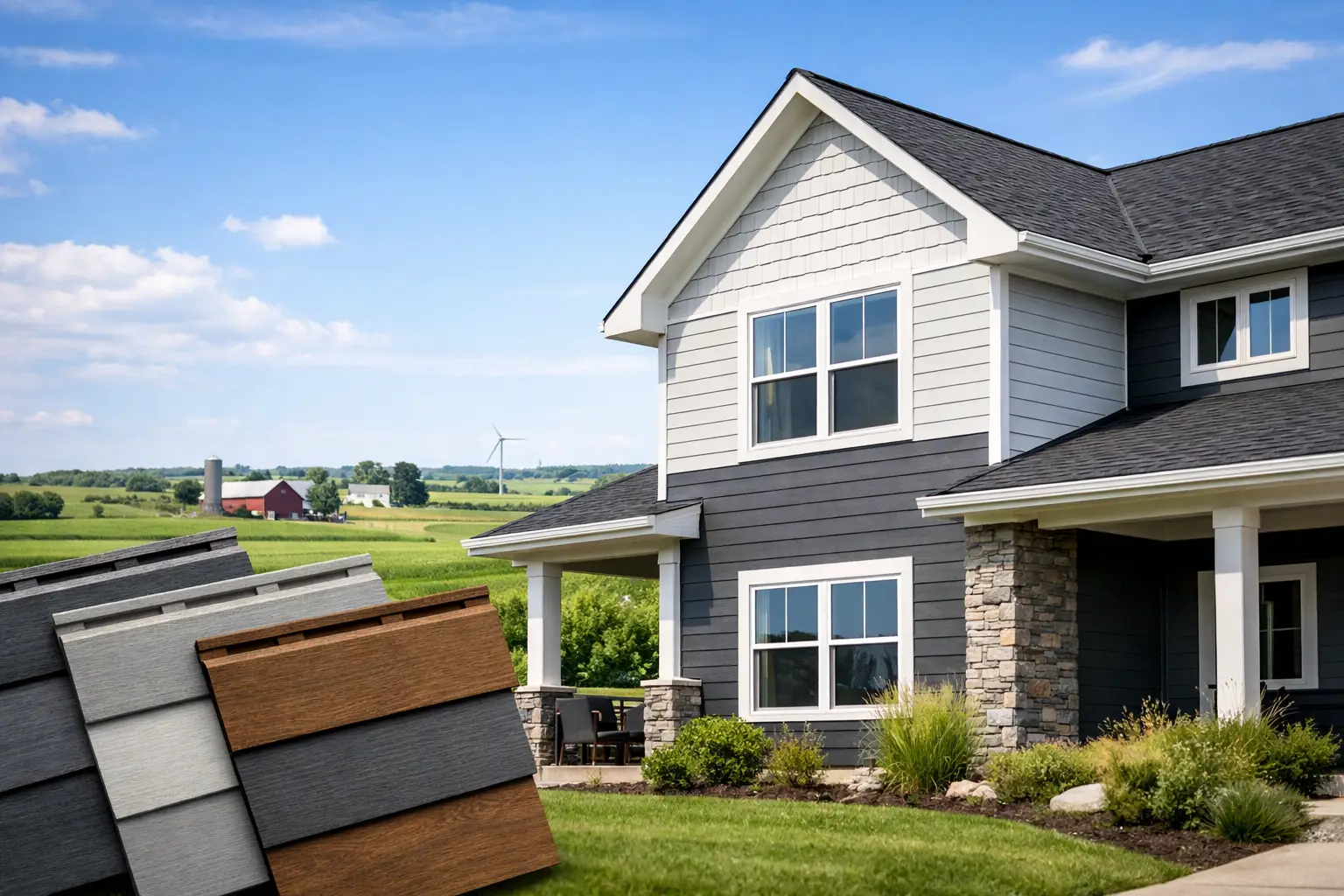
CertainTeed RISE siding is composite cladding designed to provide the appearance of wood without the frequent scraping, painting, and repairs associated with traditional wood siding. Its thick, rigid boards create a more substantial look than many conventional vinyl siding profiles, with shadow lines and dimensions that can complement both classic and contemporary homes.
The system incorporates recycled materials and a rot-free core, helping it deliver low maintenance as well as exterior coverage. That matters on Iowa homes where exterior walls can contribute to uncomfortable rooms and higher heating or cooling demands. Siding is not a replacement for proper wall insulation, air sealing, or well-performing windows. Still, a impact resistant cladding system can be a meaningful part of a coordinated exterior improvement plan.
The visual result is one reason homeowners consider RISE. It is available in profiles that support horizontal lap siding, vertical applications, and trim details, allowing a contractor to create more intentional contrast around gables, entryways, and other architectural features. The right design can make an aging home look more finished while protecting the structure beneath it.
Why Iowa Weather Changes the Conversation
Exterior materials face real stress in central Iowa. Summer sun can heat a south-facing wall for hours, while a January cold snap can put every seam, transition, and attachment point to the test. Spring storms add wind, rain, and flying debris to the equation.
RISE siding is designed for durability and low-maintenance ownership, but performance depends on the entire wall assembly. Water management is especially important. Flashing around windows and doors, housewrap or other drainage-plane details, properly integrated trim, and correct clearances at roofs, decks, and grade all help direct water away from the home.
This is why a siding project should begin with an exterior assessment rather than a product selection alone. If old siding is hiding softened sheathing, missing flashing, or water damage near a roofline, those conditions need attention before new cladding goes on. Covering a problem does not correct it.
Wind exposure also deserves a practical conversation. Homes on open lots or near the edge of town may experience more severe wind loads than protected neighborhoods. An experienced installer can review the home’s exposure, the manufacturer’s installation requirements, and transitions where siding meets roofing, gutters, windows, and masonry. Those details are where a durable product becomes a dependable exterior system.
The Benefits Homeowners Often Value Most
The strongest case for RISE is usually a combination of appearance and performance. Homeowners who like the warmth and texture of wood-style siding but prefer a lower-maintenance material often appreciate the look of wider, thicker boards. The insulated construction can also help reduce thermal bridging through the exterior wall surface.
There is a comfort benefit worth separating from an energy-bill promise. Better insulated siding may help moderate wall temperatures and reduce drafts caused by gaps or poorly detailed exterior components. The actual effect on utility costs varies based on the age of the home, existing insulation, attic performance, HVAC equipment, windows, and air leakage. A reputable contractor should be clear about those variables instead of promising a specific savings number.
RISE may also make sense for homeowners planning a larger exterior update. New siding has more impact when paired with properly sized gutters, protected roof-to-wall intersections, replacement windows where needed, and a roof color that works with the new facade. Coordinating the project can prevent mismatched materials and repeated disruption later.
Where the Trade-Offs Come In
Premium siding generally requires a larger upfront investment than entry-level vinyl. The final price for CertainTeed RISE siding depends on the home’s square footage, wall height, number of corners, trim package, removal of existing materials, repairs to the wall structure, and design complexity. A simple ranch home and a two-story home with gables, bay windows, and multiple exterior transitions should not be expected to cost the same per square foot.
Color and design choices also deserve thought. Deep, dramatic colors can create a striking result, but they may show dust, pollen, or storm debris more readily than mid-tone selections. A home with heavy tree coverage may need more periodic cleaning than one on an open lot. Low maintenance does not mean no maintenance.
It is also wise to compare RISE with other siding materials based on your priorities. Vinyl may be a practical fit when budget is the leading concern. Fiber cement can appeal to homeowners who want a different material profile and are prepared for its installation and maintenance considerations. Engineered wood can provide another wood-look option. The right answer depends on what you value most: insulation, appearance, upkeep, durability, budget, or a particular architectural style.
Installation Is the Protection You Are Really Buying
A premium siding product cannot compensate for careless installation. Before a project begins, the contractor should inspect the walls, identify any signs of moisture intrusion, explain how existing siding will be removed or handled, and discuss how windows, doors, rooflines, and utility penetrations will be detailed.
Ask direct questions about flashing and repair work. If damaged sheathing or framing is found after old siding is removed, you should know how that work will be documented and priced. You should also understand which trim pieces are planned, where caulking is appropriate, and how the siding will terminate near the roof, foundation, and paved surfaces.
Installation timing can matter, too. Iowa weather does not always cooperate with exterior schedules. A professional crew should protect exposed areas during the work, avoid forcing materials into poor conditions, and keep the site orderly. The goal is not simply to finish quickly. It is to leave the home better protected than it was before the project started.
Guardian Roofing approaches exterior work as connected protection, not isolated products. When siding, roofing, gutters, and windows meet correctly, the home has a stronger defense against moisture and weather exposure. That coordinated perspective is particularly valuable when a siding project involves older materials or areas near vulnerable rooflines.
Planning a RISE Siding Project With Confidence
Start by identifying what is driving the project. Is the existing siding cracked, faded, warped, or difficult to maintain? Are rooms near exterior walls uncomfortable? Has a recent storm exposed damage, or are you updating the home before problems become more expensive? Your reason for replacing siding should shape the recommendation.
Next, collect samples and view them in natural light against your roof, brick, stone, and window frames. The color that looks best indoors may read very differently on a sunny afternoon or a cloudy winter day. Consider the home’s permanent features first, then choose siding and trim colors that complement them rather than compete with them.
Finally, request a detailed quote that separates material, labor, removal, trim, and any potential repair allowances. A clear proposal makes it easier to compare options fairly. Financing can help make a premium exterior project more manageable, but the material and installation plan should still fit your long-term goals.
A well-chosen siding system should give you more than a refreshed facade. It should help you feel confident when the next Iowa storm rolls through, knowing the exterior of your home was selected and installed with protection in mind.