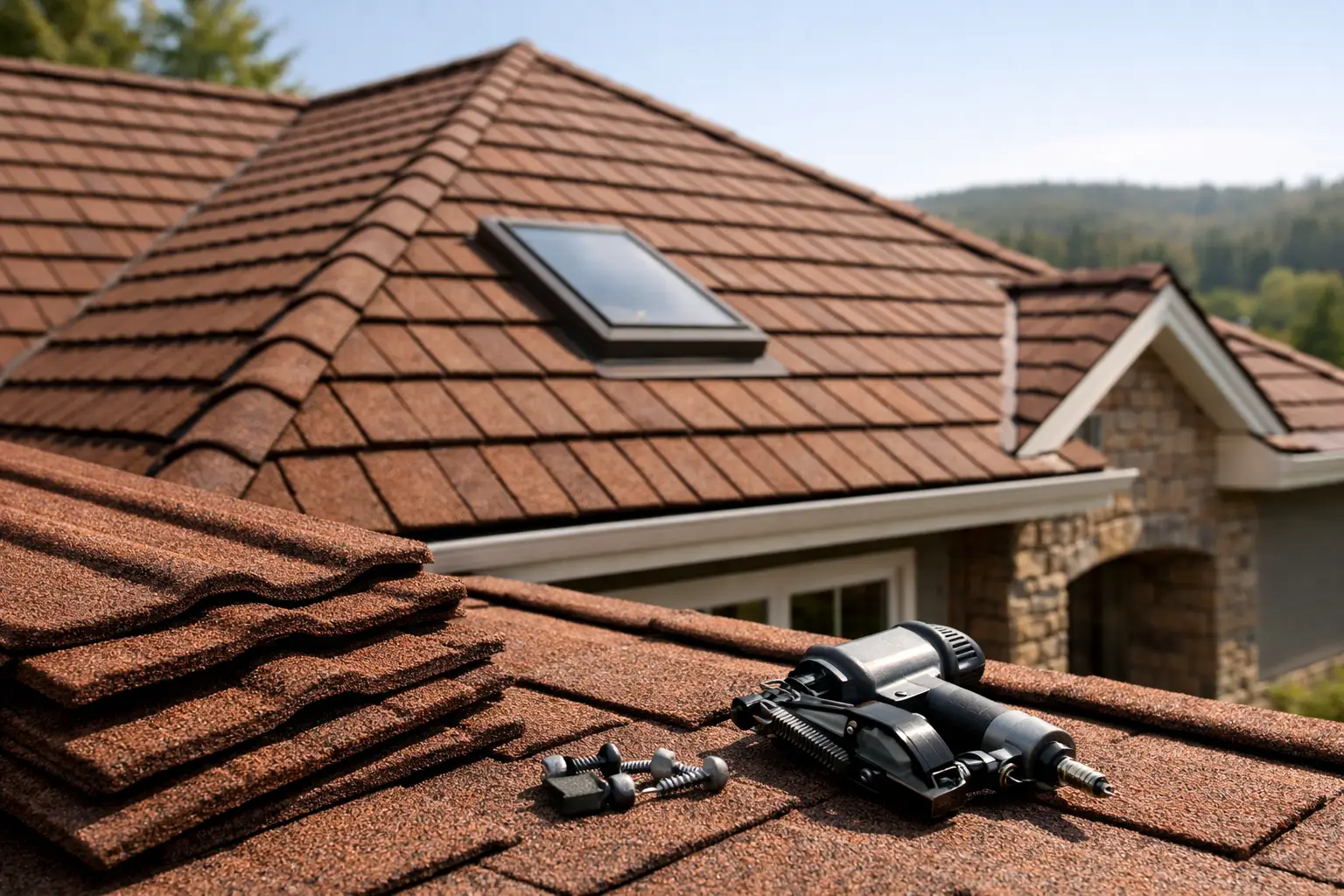
A roof in central Iowa has to do more than look good from the curb. It must stand up to wind-driven rain, heavy snow, summer heat, freeze-thaw cycles, and the occasional hailstorm that leaves homeowners wondering what happens next. A Unified Steel stone coated steel roofing system is designed for homeowners who want the strength of steel without the industrial appearance of a standing-seam metal roof.
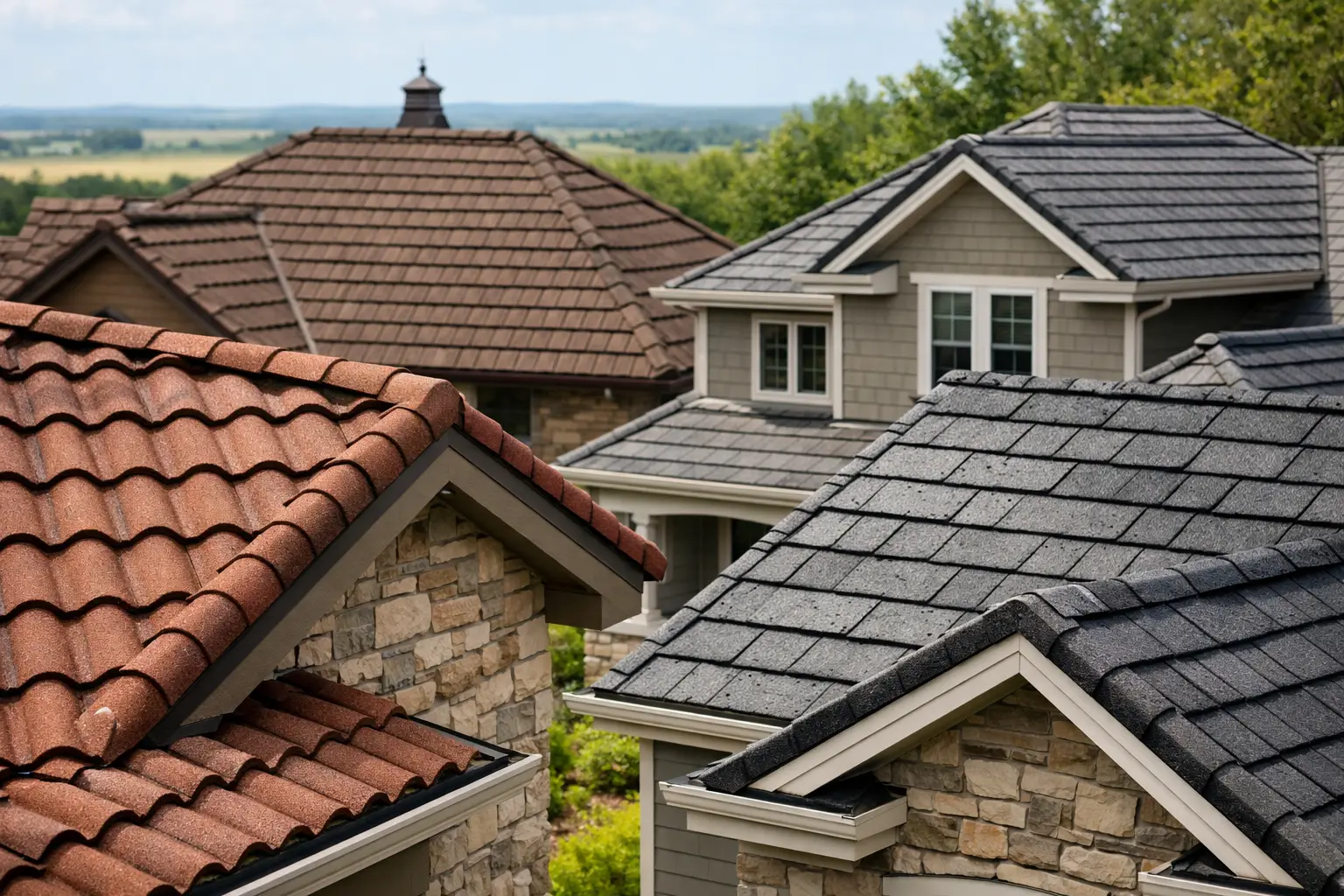
Unified Steel is a recognized name in stone-coated steel roofing. Its systems pair formed steel panels with a protective coating and a bonded stone-chip surface, creating a roof that can resemble shingles, shakes, tile, or slate. The result is a premium roofing option that brings together long-term durability and architectural character.
What Makes a Unified Steel Stone Coated Steel Roofing System Different?
Unlike conventional asphalt shingles, stone-coated steel roofing is built from interlocking panels. Each panel has a steel core, protective metallic coating, primer, and a textured stone coating that supplies color and visual depth. The layered construction helps protect the steel while giving the roof a more traditional residential appearance.
The interlocking panel design is an important distinction. A properly installed system is engineered to work as a connected roof assembly rather than a collection of individual shingles. That can be especially appealing in Des Moines, where strong winds and rapid weather changes can test every part of a roof.
A Unified Steel roof is not the same as every metal roof. Some homeowners picture smooth, exposed metal panels when they hear the word steel. Stone-coated steel offers a different look. Depending on the profile selected, it can complement a historic home, a ranch-style property, a newer suburban build, or a home with more pronounced architectural details.
Why Iowa Homeowners Consider Stone-Coated Steel
For many homeowners, the decision starts with durability. Asphalt shingles remain a practical and widely used roofing material, but they may need replacement sooner than a premium metal system. Stone-coated steel is often chosen by homeowners who expect to remain in their home for many years, want fewer replacement cycles, or want to make a long-term investment in protection and curb appeal.
The steel panel construction can provide strong resistance to common weather stresses when the full roof system is correctly specified and installed. That includes the panels themselves, flashing, ventilation, underlayment, fasteners, and details around chimneys, skylights, valleys, and roof transitions. A premium roofing material cannot compensate for shortcuts in installation. The details are where lasting performance is earned.
The stone surface also changes the visual experience of a metal roof. It reduces the smooth, reflective appearance some homeowners want to avoid and creates dimension that reads more like a traditional roofing material from the street. Color and profile matter here. A roof should protect the home, but it should also fit the siding, brick, trim, gutters, and overall style of the property.
The Benefits Homeowners Value Most
A stone-coated steel roof can be a strong fit for homeowners who prioritize longevity, weather readiness, and exterior appearance. Its lighter weight compared with some heavy roofing materials may also be helpful for certain homes, though the existing roof structure should always be evaluated by a qualified professional.
The most meaningful benefits usually include:
- A steel-based roofing system with a textured, residential appearance
- Interlocking panels designed to perform as a connected roof assembly
- Multiple architectural profiles that can resemble shingles, shake, tile, or slate
- Long-term value for homeowners planning to stay in their property
- A premium exterior upgrade that can strengthen curb appeal
There are also practical considerations beyond the roof surface. Metal roofing systems can shed snow differently than asphalt shingles, which may affect areas near walkways, entries, decks, or lower roof sections. The roof design, pitch, panel profile, and snow-management approach all deserve attention during planning. A good contractor will discuss these details before installation, not after the first major snowfall.
Cost: A Higher Initial Investment With a Longer View
A Unified Steel stone coated steel roofing system typically costs more upfront than a standard asphalt shingle replacement. The final price depends on the roof size, pitch, number of valleys and penetrations, tear-off requirements, accessibility, chosen profile, and the condition of the existing decking.
That higher initial investment is not automatically the right choice for every household. If a homeowner needs a cost-conscious replacement for a property they may sell soon, a quality dual-layer asphalt shingle can be the better fit. It provides dependable protection, many color choices, and a more accessible starting price.
Stone-coated steel becomes more compelling when the homeowner is thinking beyond the next few years. Fewer anticipated replacement cycles, durable construction, and a premium appearance can change the long-term value equation. It may also be a sensible choice for homeowners who have experienced repeated storm concerns and want a more substantial roofing system.
The best way to evaluate cost is to compare complete systems, not just material prices. A quote should account for removal, decking repairs if needed, underlayment, ventilation, flashing, edge details, cleanup, workmanship, and warranty coverage. A low number that leaves out essential work is not a real savings.
Is Stone-Coated Steel Right for Your Home?
The answer depends on the home, the budget, and what you need your next roof to accomplish. A homeowner who loves the appearance of cedar shake but wants to avoid the maintenance demands of natural wood may appreciate a shake-style steel profile. Someone updating a brick home may prefer the character of tile or slate styling without the weight associated with those materials.
Roof geometry matters, too. Complex roofs with many angles, dormers, and transitions require careful planning and skilled installation. Simple roofs are generally more straightforward, but every roof needs proper attention to ventilation, drainage, flashing, and transitions to adjacent exterior components.
It is also wise to consider the full exterior. A new roof often highlights siding that has faded, gutters that are undersized, or windows that no longer complement the home. Coordinating these improvements does not mean doing everything at once. It means making choices that work together over time, so the home looks finished and remains better protected from the elements.
Installation Quality Protects the Investment
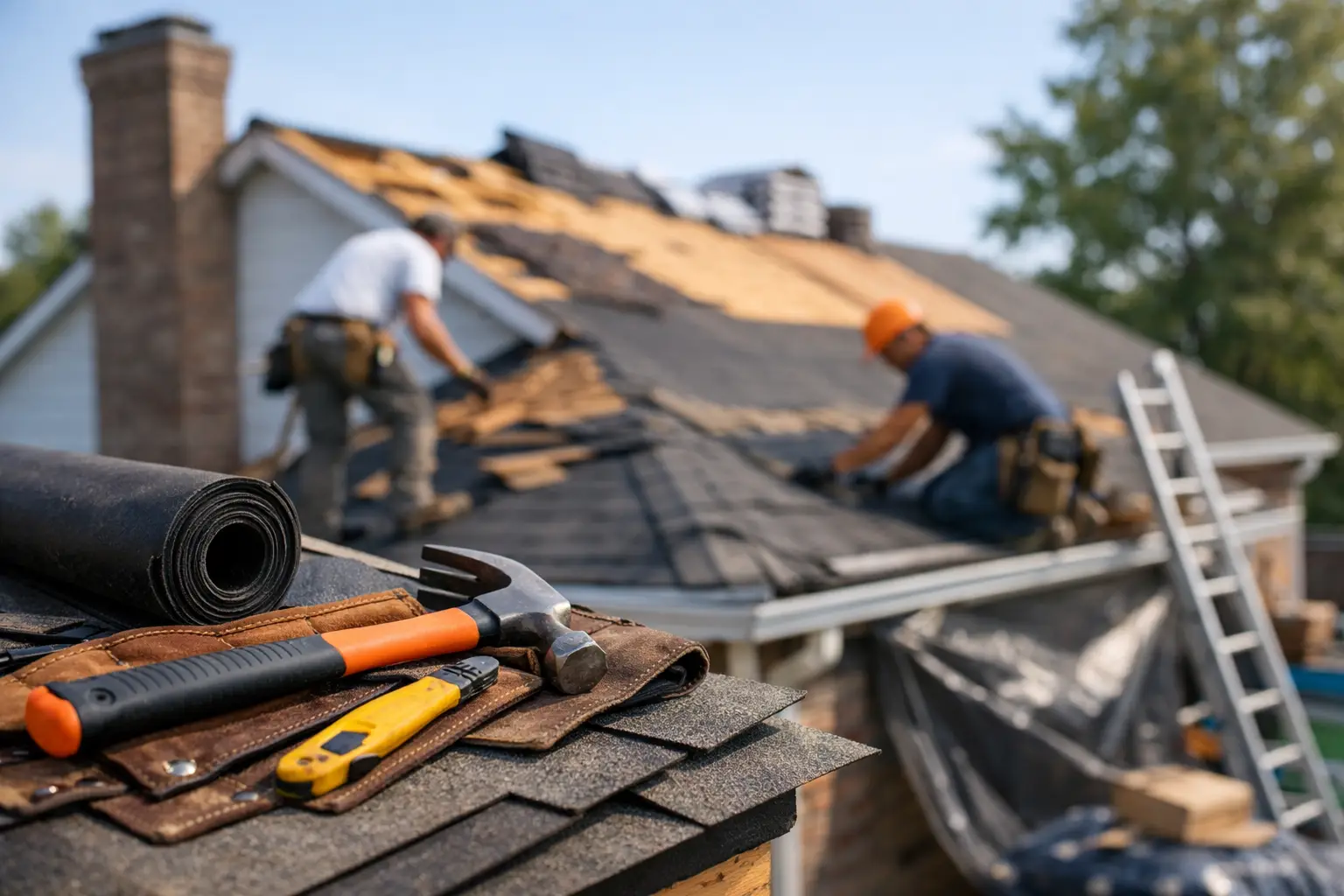
Premium materials deserve premium workmanship. Stone-coated steel panels require installers who understand the manufacturer’s specifications, fastening requirements, flashing methods, and layout details. Incorrect fastener placement, poorly handled penetrations, or weak valley work can create problems even when the panels themselves are high quality.
Before choosing a contractor, homeowners should ask how the existing roof deck will be inspected, how ventilation will be addressed, what underlayment will be used, and how the crew will handle weather-sensitive areas. It is also reasonable to ask about the installation schedule, site cleanup, and who will be available if questions arise after the project is complete.
Guardian Roofing approaches roofing as a complete protection system, not simply a surface replacement. A clear evaluation helps homeowners understand whether stone-coated steel, dual-layer asphalt shingles, or another exterior improvement is the right practical choice for their property.
A Roof Decision That Should Feel Clear
A Unified Steel stone coated steel roofing system can offer the combination many Iowa homeowners want: the strength of steel, the texture of traditional roofing, and a long-term approach to protecting their home. It is a premium option, and it should be evaluated with the same care as any significant home investment.
The right roof is the one that fits your home’s design, your plans for the future, and the weather challenges it will face year after year. A detailed, no-pressure roof evaluation can turn that decision from a guessing game into a confident next step.