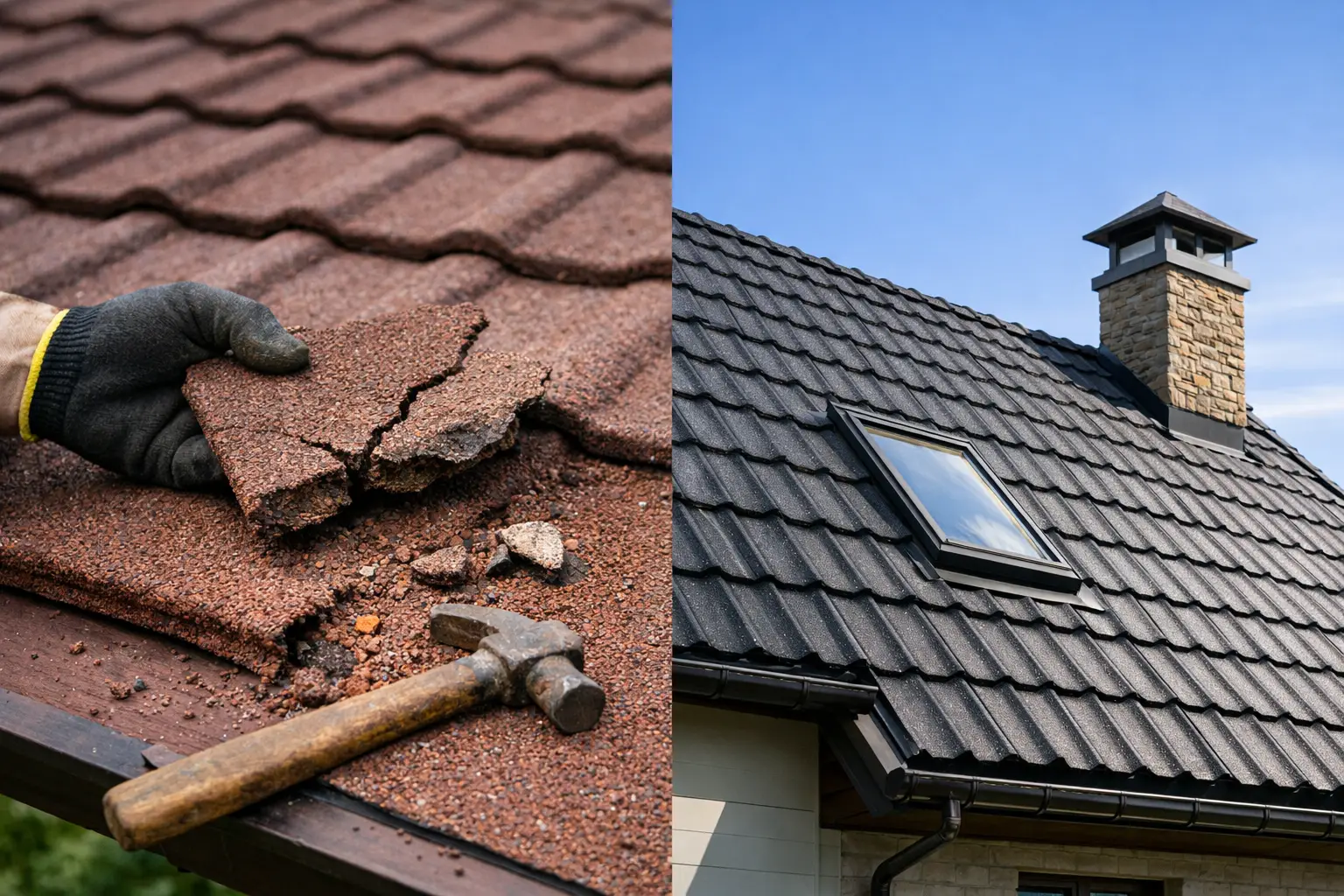
A Des Moines roof has to handle more than an occasional rainstorm. It faces heavy snow, ice, wind, spring hail, humid summers, and fast temperature swings that can expose weaknesses in aging materials. Understanding stone coated steel roofing pros and cons can help you decide whether this premium system is the right long-term protection for your home.
Stone-coated steel is designed for homeowners who want the strength of metal without the industrial appearance of a traditional standing-seam roof. It can replicate the look of dimensional shingles, shake, slate, or tile while providing a steel core built for demanding weather. That combination is appealing, but it is not automatically the best fit for every budget, roof design, or replacement project.
What Is Stone-Coated Steel Roofing?
Stone-coated steel roofing uses formed steel panels covered with a protective metallic coating, an adhesive layer, and colored stone granules. The granules create texture and color variation, giving the roof a more traditional residential appearance than exposed metal panels.
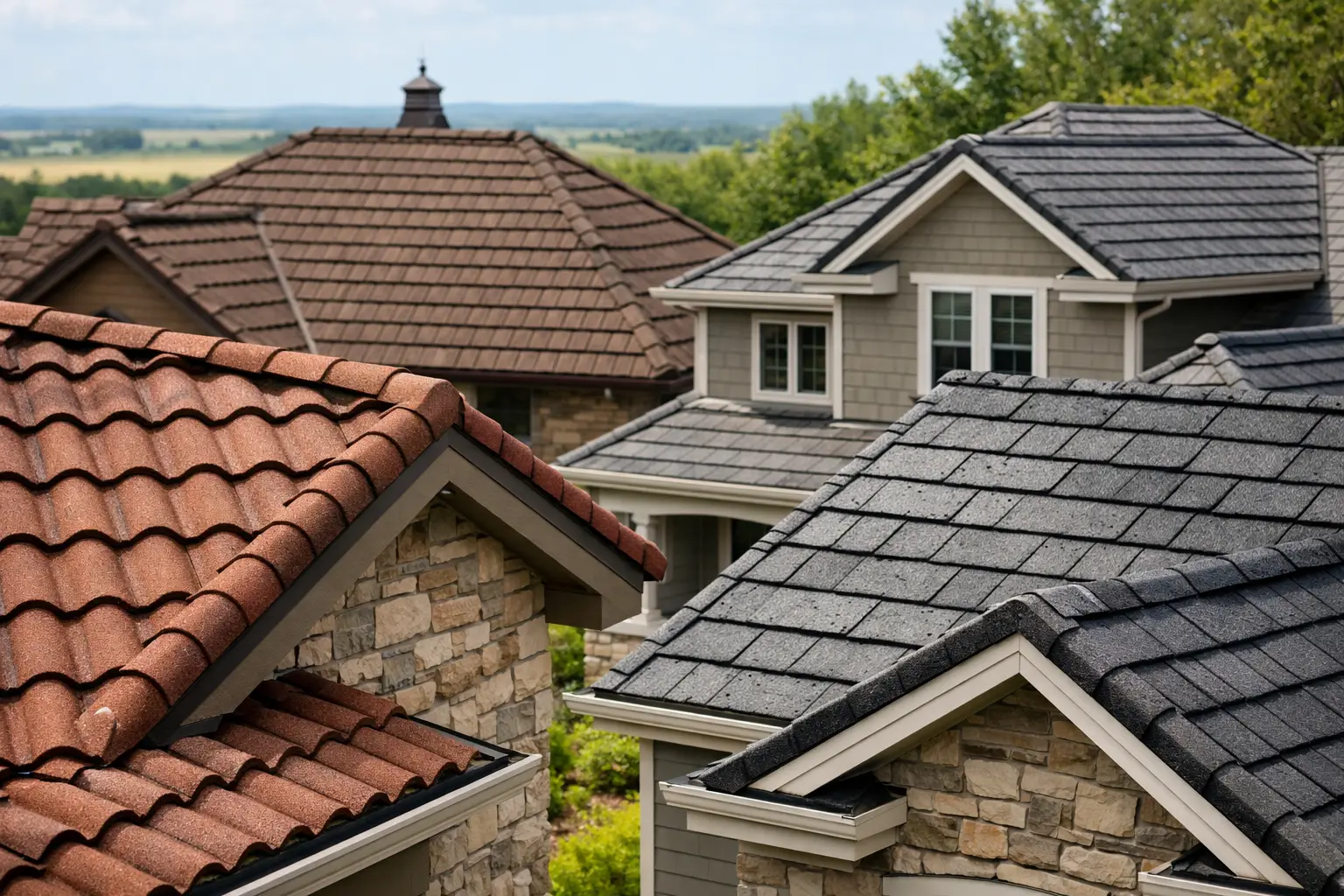
Rather than one flat sheet spanning a large section of roof, these systems are installed in interlocking panels. The available profile matters. A shingle-style profile can complement a classic Iowa home, while shake, slate, or tile profiles can create a more distinctive architectural finish. The right choice should work with the home’s siding, trim, gutters, roof pitch, and overall exterior style.
Because stone-coated steel is a complete roofing system, its performance depends on more than the visible panels. Underlayment, ventilation, flashing, fasteners, roof-deck condition, and installation details all affect how well it protects your home over time.
Stone Coated Steel Roofing Pros
Strong protection for Midwest weather
A primary advantage of stone-coated steel is its ability to stand up to the conditions that wear down many conventional roofs. Steel does not absorb moisture, and the interlocking panel design can provide dependable resistance to wind-driven rain when installed correctly. Many stone-coated systems are also engineered for high-wind performance, though ratings vary by product, profile, roof design, and installation method.
For Iowa homeowners concerned about hail, steel offers a meaningful durability advantage over materials that can crack, split, or lose granules after impact. No roof is completely immune to severe hail damage, and a major storm should always be evaluated by a qualified professional. Still, a properly specified stone-coated steel roof can offer greater peace of mind when hail season arrives.
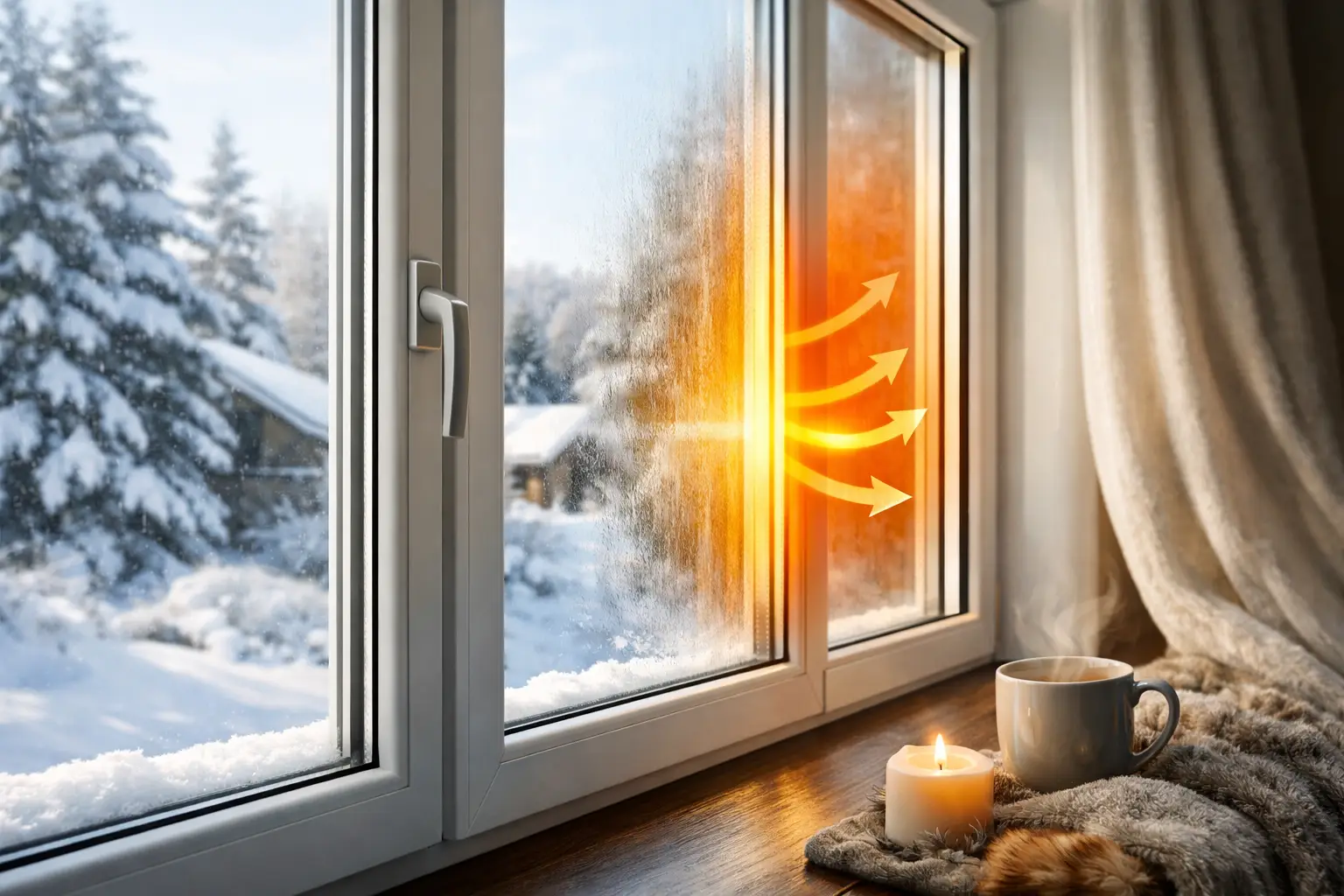
Snow and ice are another practical consideration. A durable roof surface and well-designed flashing help protect vulnerable areas around valleys, chimneys, skylights, and roof-to-wall transitions. Good attic ventilation and insulation remain essential, since no roofing material alone can solve ice-dam problems caused by heat escaping from the home.
Long service life potential
Homeowners often choose stone-coated steel because they want to make a roof replacement decision less often. Steel resists rot and insect damage, two concerns that can affect other exterior materials. It also does not curl in the same way asphalt shingles may as they age under sun exposure and repeated temperature changes.
That durability can make the higher upfront investment easier to justify for homeowners planning to stay in their home for many years. It may also be a strong choice for a property where long-term maintenance and protection are bigger priorities than the lowest initial price.
The real value, however, depends on installation quality and the specific product warranty. A premium material cannot compensate for poor deck preparation, inadequate ventilation, or improperly detailed flashing. Selecting an experienced installer is part of protecting the investment.
Curb appeal without a bare-metal look
Some homeowners like the performance benefits of metal but do not want their roof to look commercial or overly modern. Stone-coated steel addresses that concern with textured finishes and architectural profiles that resemble more familiar materials.
This can be especially useful when replacing a roof on a home with a steep pitch, prominent front gables, or highly visible rooflines. The roof becomes a major part of the home’s exterior design rather than simply a protective layer overhead. With coordinated siding, windows, and gutters, the right profile and color can give an older home a more polished, intentional appearance.
Lighter than tile and slate alternatives
Stone-coated steel can provide the appearance of heavy slate or tile without placing the same load on the home’s framing. That can expand design options for homeowners who want a premium look but do not want to pursue the structural modifications that natural slate or concrete tile may require.
Its relatively low weight can also be beneficial during installation. Still, every replacement project needs a close look at the existing roof deck and any signs of water damage or sagging. A professional inspection should determine whether repairs are needed before the new system is installed.
A quieter roof than many people expect
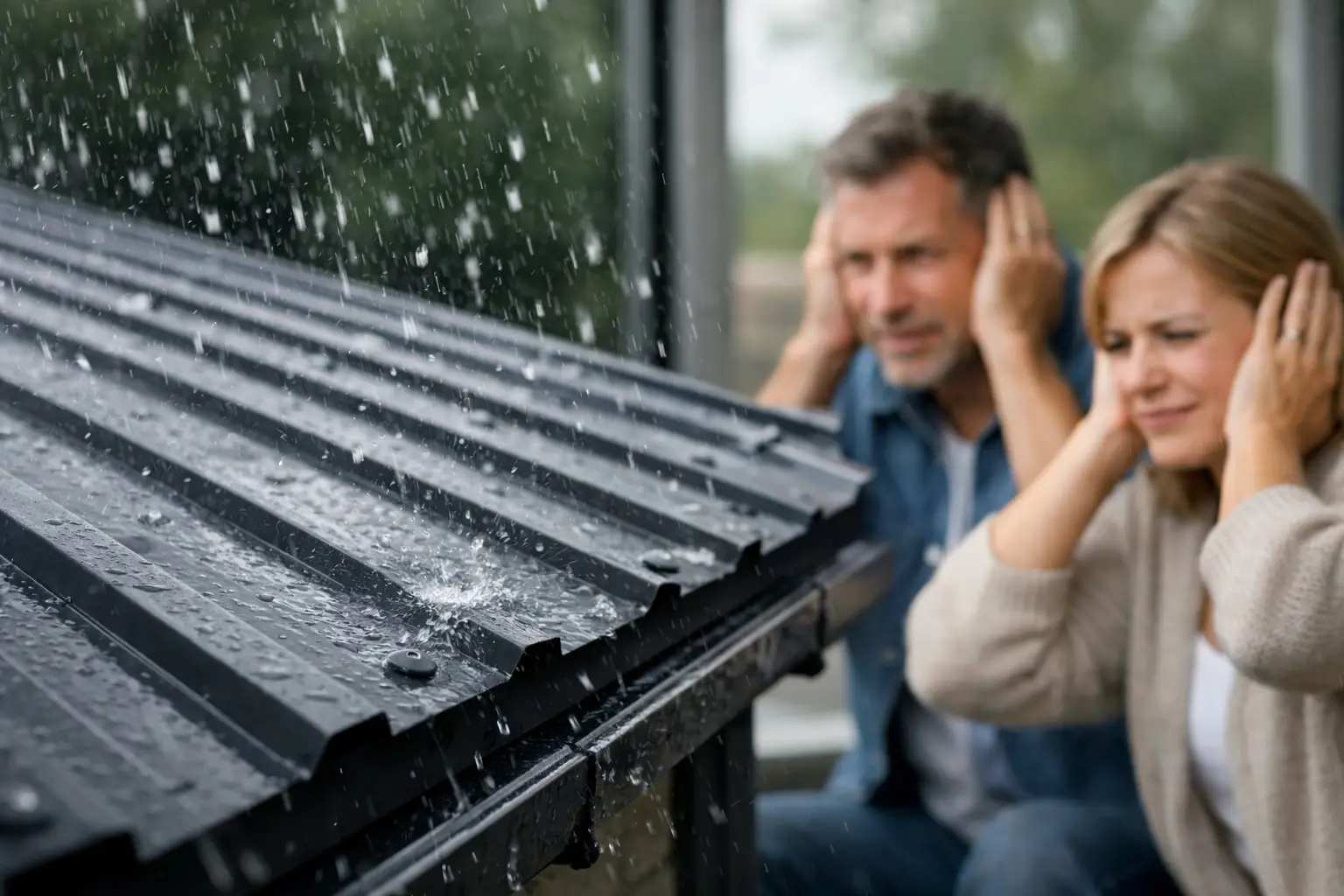
The idea that metal roofs are always loud in the rain comes from old barns and uninsulated structures. On a residential roof, stone-coated steel panels are installed over a roof deck with underlayment and attic insulation between the roof and living space. Most homeowners do not experience the dramatic noise difference they expect.
Noise levels can vary based on the home’s construction, attic insulation, and roof assembly. It is worth discussing those details during the planning stage if sound is a major concern.
Stone Coated Steel Roofing Cons to Consider
The upfront cost is higher
The most significant drawback is initial cost. Stone-coated steel typically costs more than a standard asphalt shingle roof because the materials, accessories, labor, and installation requirements are more specialized. Complex roofs with multiple valleys, dormers, skylights, steep slopes, or difficult access can raise the total further.
For homeowners focused on the most affordable immediate replacement, a quality dual-layer asphalt shingle may be the more practical choice. It can still provide attractive color options and dependable protection at a lower entry point. The decision often comes down to how long you expect to own the home, your budget, and how much value you place on premium durability and appearance.
Financing can make a higher-performance roof more manageable, but it should not be the only reason to select a material. The payment plan, long-term goals, and total scope of work should all make sense for your household.
Installation requires specialized experience
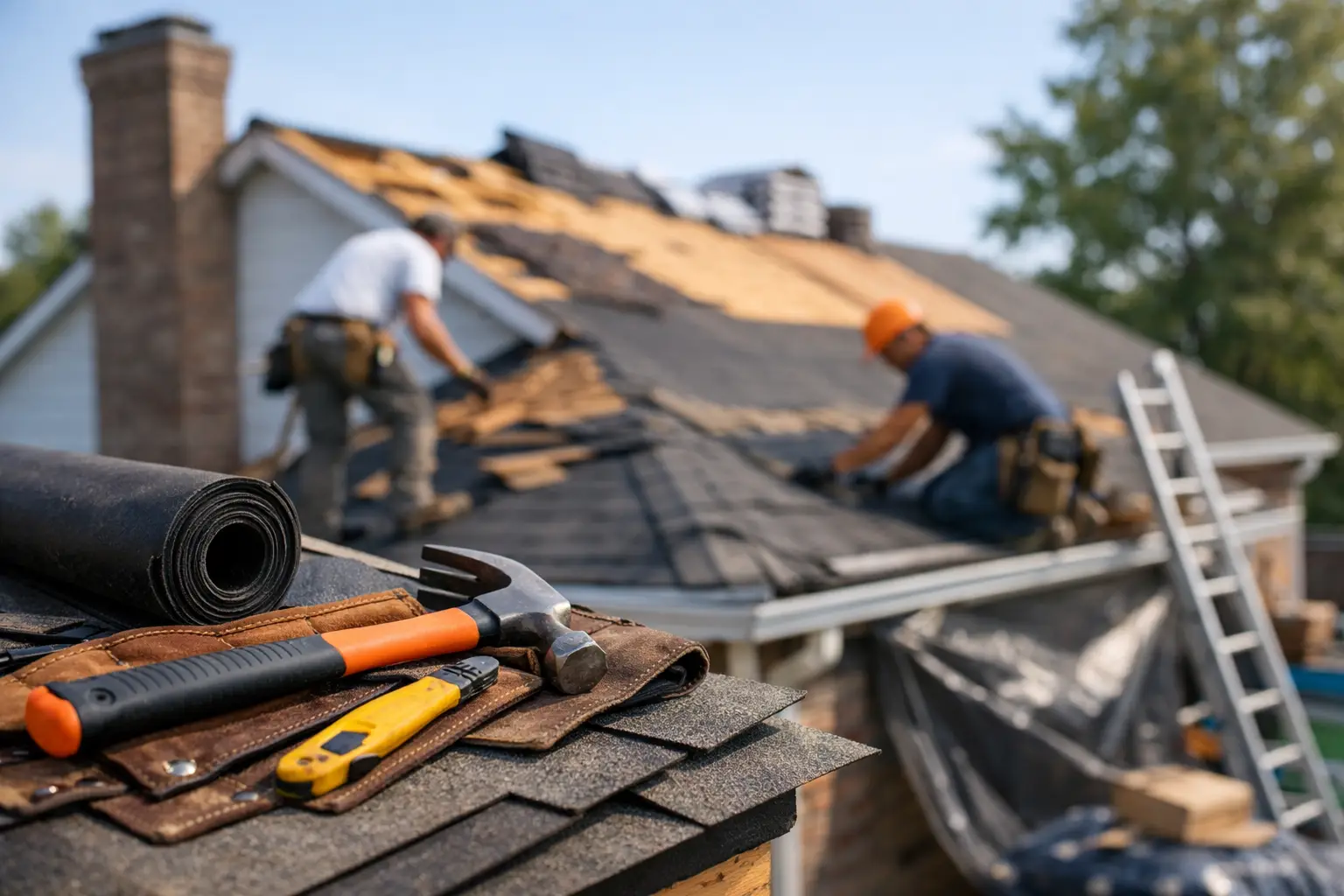
Stone-coated steel is not a material to treat like ordinary shingles. Installers must understand panel layout, fastening patterns, flashing requirements, ventilation, transitions, and manufacturer specifications. Small mistakes can affect water management, appearance, and warranty eligibility.
This is why comparing proposals on price alone can be risky. Ask what roofing system components are included, how the existing deck will be inspected, how flashing will be handled, and whether the crew has experience with the exact profile being installed. Clear answers are a sign that the contractor is planning for performance, not just a quick installation.
Repairs can be more involved
Stone-coated steel is durable, but roofs can still be damaged by fallen trees, extreme storms, or work performed by other trades. Repairing a panel may require careful removal and replacement of interconnected pieces. Matching an older roof’s color and finish can also be more complicated than replacing a few common asphalt shingles.
That does not mean repairs are impossible. It means homeowners should work with a contractor familiar with the system and maintain records of the original product, color, and installation details.
The look is not right for every home
Although stone-coated steel offers several profiles, personal preference matters. Some homeowners prefer the familiar appearance and softer texture of asphalt shingles. Others may feel a tile or slate-style steel profile does not suit a simple ranch home or a neighborhood with more traditional roof designs.
The best approach is to look at actual samples in natural light and consider the roof as part of the full exterior. Color can look different against brick, painted siding, mature trees, and changing Iowa skies.
Is Stone-Coated Steel Right for Your Des Moines Home?
Stone-coated steel often makes sense for homeowners who expect to remain in their home for the long term, want enhanced weather resilience, and value a distinctive roof that supports curb appeal. It can also be a compelling option when a home has experienced repeated storm exposure or when the owner wants to avoid the cycle of frequent roof replacements.
It may be less suitable when the budget is tightly limited, the home is likely to be sold soon, or a traditional shingle appearance is the clear design preference. Neither choice is universally better. A properly installed dual-layer asphalt roof can be an excellent solution, while stone-coated steel can be a worthwhile upgrade for the right property and homeowner.
Before making a decision, start with a thorough inspection of the current roof, deck, ventilation, flashings, and drainage areas. Then compare complete proposals rather than material prices alone. A well-planned roofing system should protect the home, fit the architecture, and give you confidence when the next Iowa storm moves through.
Guardian Roofing can help homeowners evaluate those details with a clear, no-pressure recommendation and a free quote. The right roof is not simply the one that looks good on installation day. It is the one that continues protecting the people and property beneath it for years to come.