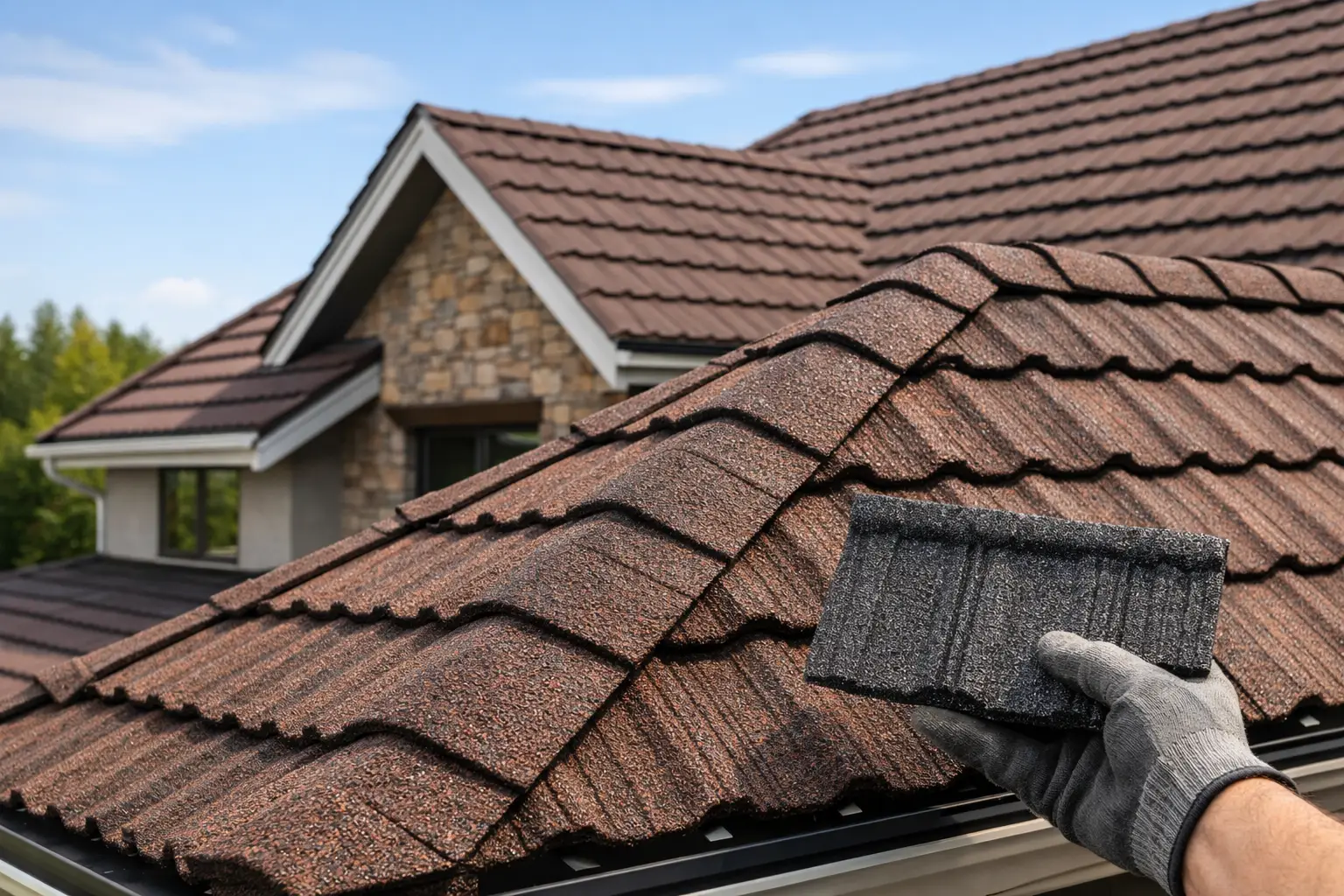
A roof has to do more than look good from the curb when it faces an Iowa winter, spring hail, high winds, and summer heat. So, what is stone coated steel roofing? It is a premium metal roofing system that combines the strength of formed steel with a textured stone-granule finish designed to resemble more traditional roofing materials.
For homeowners who want long-term protection without the typical appearance of standing-seam metal, stone-coated steel can be a compelling option. It is built to provide a durable barrier over your home while offering architectural styles that complement everything from historic neighborhoods to newer Des Moines-area homes.
What Is Stone Coated Steel Roofing Made Of?
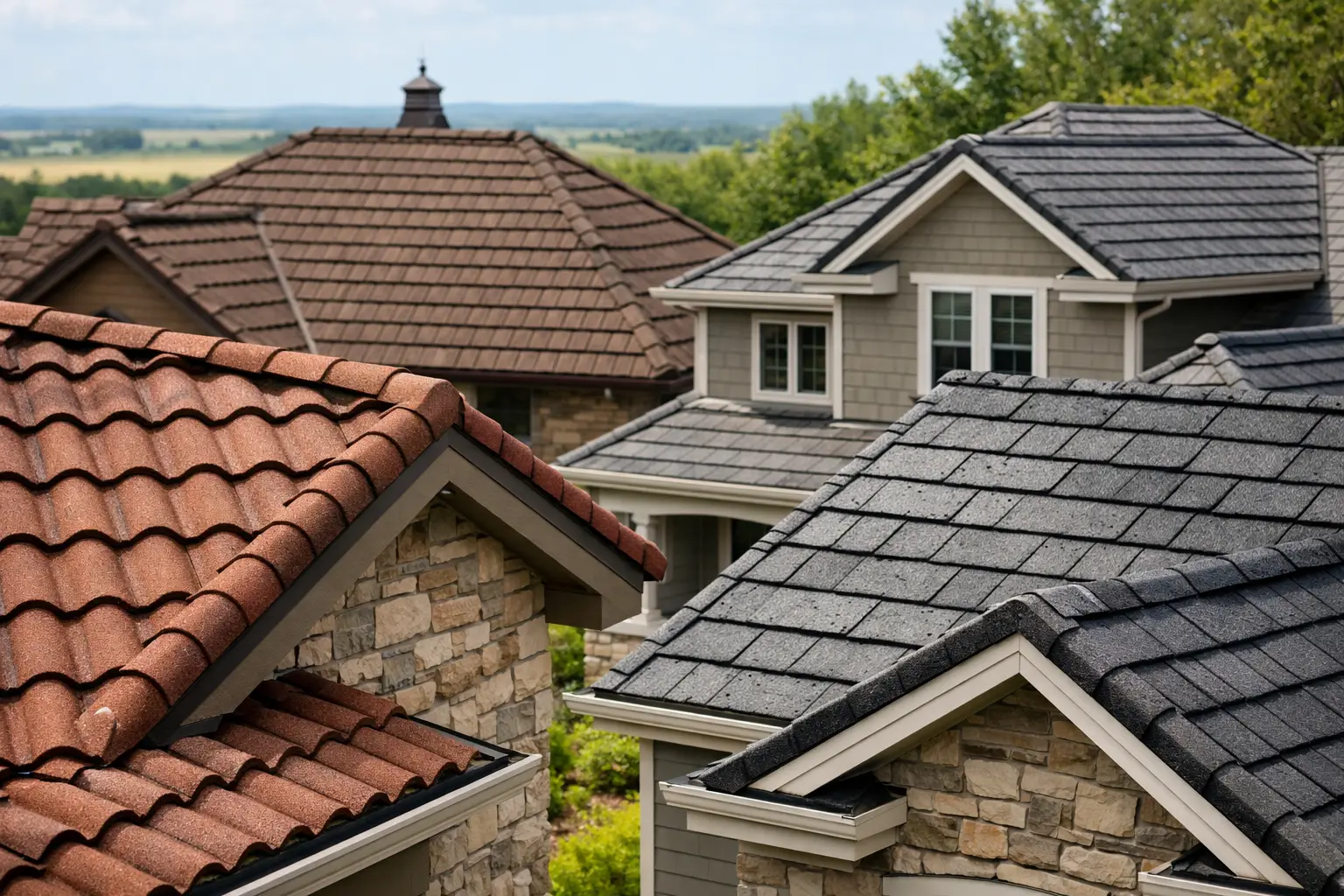
Stone-coated steel roofing begins with a steel panel, not a flat sheet of metal. The steel is shaped into an architectural profile, such as shake, slate, shingle, barrel tile, or Pacific tile. That profile creates dimension and gives the roof the visual character many homeowners expect from traditional materials.
The panel receives multiple protective layers. While the exact construction varies by manufacturer and product line, the system generally includes a corrosion-resistant coating on the steel, a protective primer, an adhesive layer, and ceramic-coated stone granules. A final clear coat helps hold those granules in place and contributes to the finished appearance.
The stone granules are more than decoration. They soften the look of the steel, reduce glare, and provide color and texture that make the roof resemble asphalt shingles, wood shake, or tile from the ground. This layered construction is why a stone-coated steel roof looks distinctly different from the smooth metal panels many people picture when they hear the term “metal roof.”
How Stone-Coated Steel Roofing Protects a Home
A well-installed roofing system is a complete assembly, not simply a collection of panels. Stone-coated steel panels are installed with purpose-built flashings, fasteners, trim, ventilation details, and underlayment. Together, these components direct water away from vulnerable areas and help protect the roof deck beneath.
Steel gives the system its structural strength. Unlike asphalt shingles, which can become brittle as they age, steel panels do not rely on a flexible asphalt base. The interlocking design used in many stone-coated systems also creates a secure roof surface that can perform well in windy conditions when installed according to manufacturer requirements.
For Midwest homeowners, that distinction matters. A roof may see snow loads, freeze-thaw cycles, driving rain, windblown debris, and sudden temperature changes over the course of a single year. Stone-coated steel is designed for that demanding exposure, though no roofing material is immune to every storm event. Proper installation, attic ventilation, drainage, and maintenance all remain part of long-term roof performance.
A lighter alternative to some traditional materials
Stone-coated steel can provide the look of slate or tile without the extreme weight associated with natural stone or concrete products. That lighter weight may reduce the need for structural modifications compared with heavy roofing materials. It also makes the system a practical way to achieve a more distinctive architectural look on many existing homes.
A textured finish with lasting curb appeal
A roof covers a large portion of a home’s exterior, so its color and profile have a real effect on curb appeal. Stone-coated steel is available in varied colors and architectural profiles, allowing homeowners to choose a roof that works with brick, siding, trim, gutters, and window colors.
The best choice is not always the boldest one. A consultative roofing professional can help compare profiles and colors against the home’s style, surrounding landscape, and exterior materials. The goal is a roof that looks appropriate now and continues to support resale appeal years from now.
Stone-Coated Steel vs. Asphalt Shingles
Asphalt shingles remain a popular roofing choice because they are familiar, widely available, and typically carry a lower upfront cost. High-quality dual-layer asphalt shingles can be an excellent fit for many Iowa homes, particularly when a homeowner wants a dependable replacement within a more limited budget.
Stone-coated steel usually costs more at installation. That higher initial investment reflects the steel panel construction, layered finish, specialized accessories, and installation process. For homeowners planning to stay in their home for many years, the potential value comes from durability, low maintenance needs, premium appearance, and the possibility of avoiding more frequent replacement cycles.
The right decision depends on your priorities. Asphalt may be the better fit when upfront cost and traditional shingle styling are the primary concerns. Stone-coated steel may be worth considering when long-term performance, weather resilience, and a distinctive exterior design matter most.
What to Know About Weather Resistance
Many homeowners ask whether stone-coated steel roofing can handle hail. Steel roofing systems are often selected for their strong performance in severe weather, but it is wise to avoid treating any roof as indestructible. Hail size, wind speed, falling branches, installation quality, and the condition of the entire roofing assembly all affect the outcome of a storm.
The textured coating can help mask minor surface variation better than a smooth metal finish. However, a significant impact can still damage coatings, flashings, gutters, skylights, or other parts of the exterior. After a major storm, a professional inspection can identify issues that are not visible from the ground.
Snow is another consideration in central Iowa. Metal roofing can encourage snow to shed more readily than rougher roofing surfaces, depending on roof slope, temperature, and sun exposure. In some situations, snow retention devices may be recommended to help manage where snow and ice release, especially above walkways, driveways, decks, or entry doors.
Installation Is a Major Part of the Investment
Premium material deserves skilled installation. Stone-coated steel panels require precise layout, proper fastening, carefully integrated flashing, and correct treatment around chimneys, valleys, walls, vents, and skylights. A roof can have high-quality panels and still underperform if these transition points are handled poorly.
Before installation, the existing roof structure should be evaluated for deck condition, ventilation needs, and any signs of moisture damage. In some cases, underlying repairs are necessary before a new roof can be installed. Addressing those issues upfront protects the investment and helps prevent a new roof from covering an old problem.
Homeowners should also ask what is included in the proposed system. A clear estimate should address removal of old roofing when needed, underlayment, flashing, ventilation, trim, cleanup, warranty coverage, and any related gutter or exterior work. This makes it easier to compare proposals based on the full scope of protection, rather than panel price alone.
Is Stone-Coated Steel Roofing Right for Your Home?
Stone-coated steel roofing is often a strong fit for homeowners who plan to own their property long term, want a premium architectural look, and place a high value on weather-ready performance. It can be especially appealing for homes with aging roofs, recurring storm concerns, or exterior styles that would benefit from shake, slate, or tile-inspired texture.
It may not be the best fit for every project. If you expect to move soon, need the lowest possible upfront cost, or prefer the familiar look of standard shingles, a quality asphalt system may offer better value for your circumstances. Budget, roof complexity, home style, neighborhood considerations, and future plans should all inform the decision.
Guardian Roofing helps homeowners weigh those real-world factors rather than pushing a one-size-fits-all material. A free, detailed roof evaluation can clarify whether a stone-coated steel profile, a dual-layer asphalt shingle, or a coordinated exterior improvement plan best protects your home.
A roof replacement is a chance to make a lasting decision for the place that protects your family every day. Choose the system that gives you confidence when the next Iowa storm rolls in and still makes you proud when you pull into the driveway.